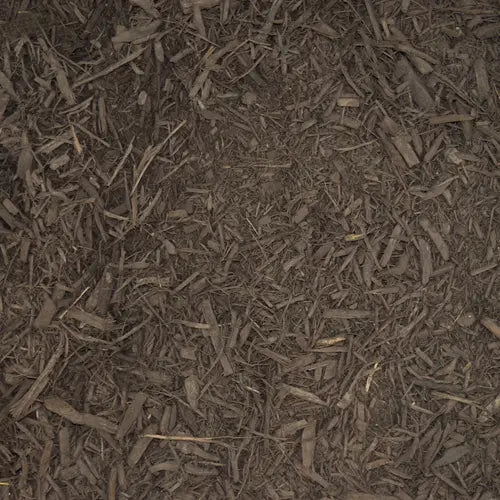
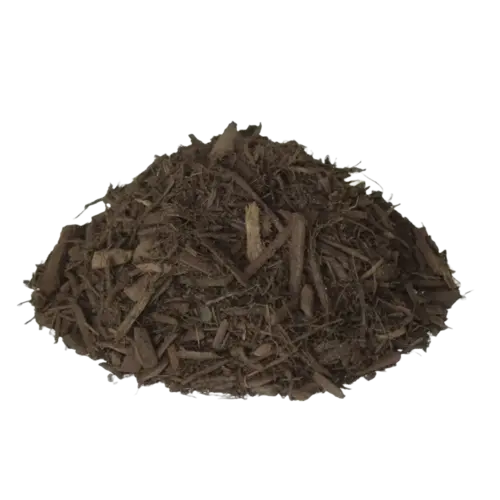
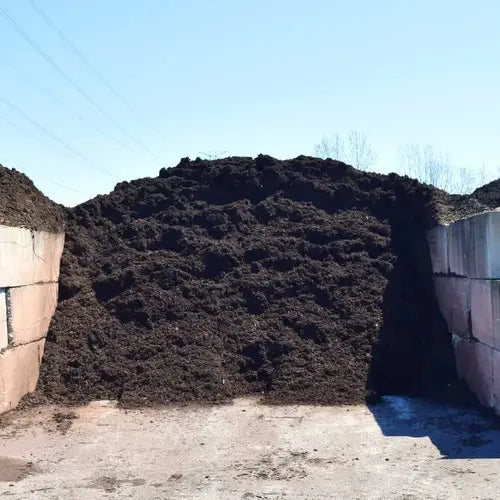
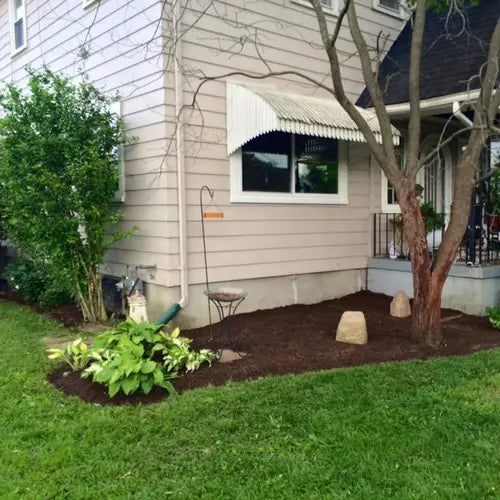
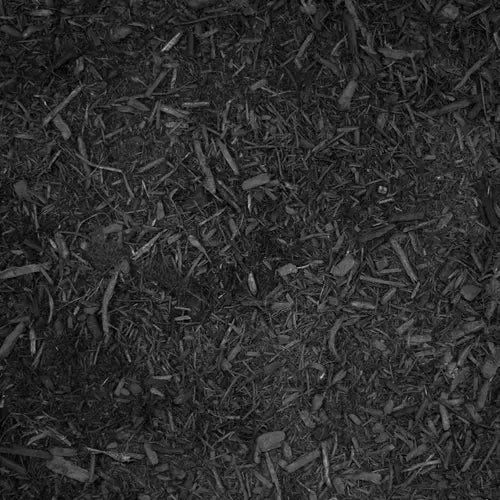
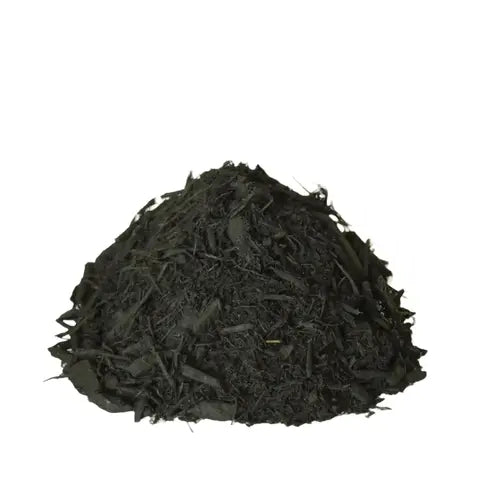
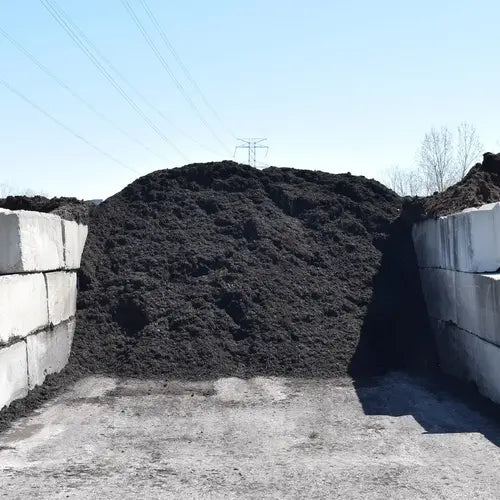
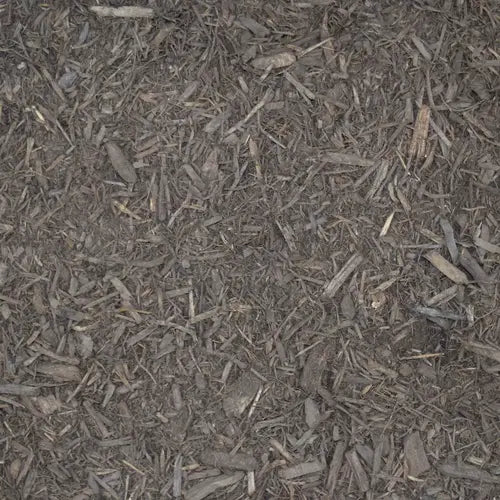
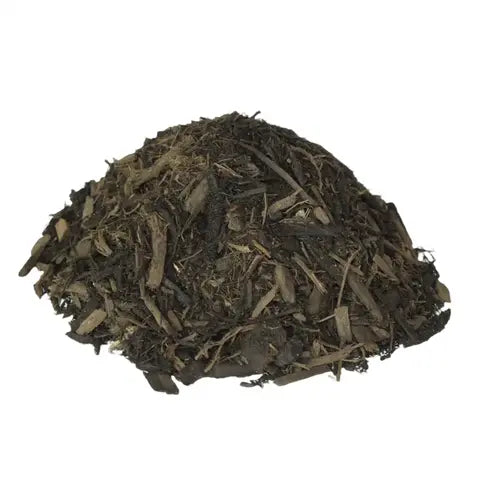
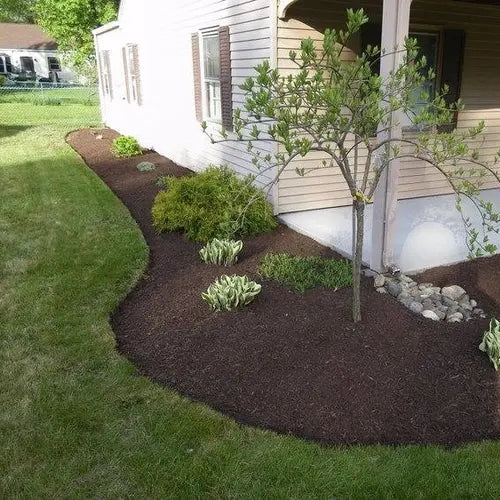
Warm brown double shredded mulch with lasting color that looks freshly applied for weeks. Spreads smooth, stays put, and gives beds a natural, polished appearance.
Good quality, great price, fast delivery. All online - no submitting forms and waiting for days for quotes. Getting mulch should be this easy from everyone. Only Mulch Mound is ACTUALLY this simple.
Tell us what you're looking for
Thanks! We received your request.
Something went wrong. Please try again.
How Much Material Do I Need?
For most Grand Island landscape beds over loess soil, a three-inch depth provides the best balance of moisture retention and weed suppression without smothering shallow-rooted perennials. In high-wind areas or south-facing exposures where drying is accelerated by both sun and airflow, consider going up to four inches to compensate.
Use our free mulch calculator
What is a yard?
A yard is approximately 27 cubic feet. As a general guideline, one yard of material can cover an area of about 100-160 square feet at a 2-3 inch depth.
We can't take orders for this right now. Tell us what you need and we'll get back to you.
What do you need?
Thanks! We received your request.
Something went wrong. Please try again.
Hand-picked local yards
4,000+ regional deliveries
Dedicated support
Why order through Mulch Mound
The best local mulch, without the guesswork.
We hand-pick and partner with the best yards in your region, keep only the ones our buyers rate well, and back each load with our guarantee.
Mulch Mound Guarantee
If your mulch isn't the quantity or quality you ordered, we'll make it right.
About this mulch
Warm brown double shredded mulch with lasting color that looks freshly applied for weeks. Spreads smooth, stays put, and gives beds a natural, polished appearance.
Good quality, great price, fast delivery. All online - no submitting forms and waiting for days for quotes. Getting mulch should be this easy from everyone. Only Mulch Mound is ACTUALLY this simple.
How Much Material Do I Need?
For most Grand Island landscape beds over loess soil, a three-inch depth provides the best balance of moisture retention and weed suppression without smothering shallow-rooted perennials. In high-wind areas or south-facing exposures where drying is accelerated by both sun and airflow, consider going up to four inches to compensate.
Use our free mulch calculator
What is a yard?
A yard is approximately 27 cubic feet. As a general guideline, one yard of material can cover an area of about 100-160 square feet at a 2-3 inch depth.
Good quality, great price, fast delivery. All online - no submitting forms and waiting for days for quotes. Getting mulch should be this easy fr...
Read full review
Good quality, great price, fast delivery. All online - no submitting forms and waiting for days for quotes. Getting mulch should be this easy from everyone. Only Mulch Mound is ACTUALLY this simple.
I highly recommend Mulch Mound. The quality of the mulch is very good. The ordering system on their website makes it very easy. The delivery driver...
Read full review
I highly recommend Mulch Mound. The quality of the mulch is very good. The ordering system on their website makes it very easy. The delivery driver did a great job placing the mulch on the driveway. To finish off, the pricing was very reasonable as well.
They offered a quick turnaround and delivered high quality mulch at a reasonable price. They also dropped it off exactly where I told them to put i...
Read full review
They offered a quick turnaround and delivered high quality mulch at a reasonable price. They also dropped it off exactly where I told them to put it. Good service!
To estimate how much bulk mulch you need, measure the length and width of each bed in feet, multiply to get square footage, then multiply by your desired depth in inches and divide by 324 to get cubic yards. Grand Island's loess beds benefit most from a three-inch layer, so a 200-square-foot bed would need roughly 1.85 cubic yards. Because loess beds often have irregular curves and edge transitions common in established Grand Island yards, add about ten percent to your total to account for taper and fill-in.
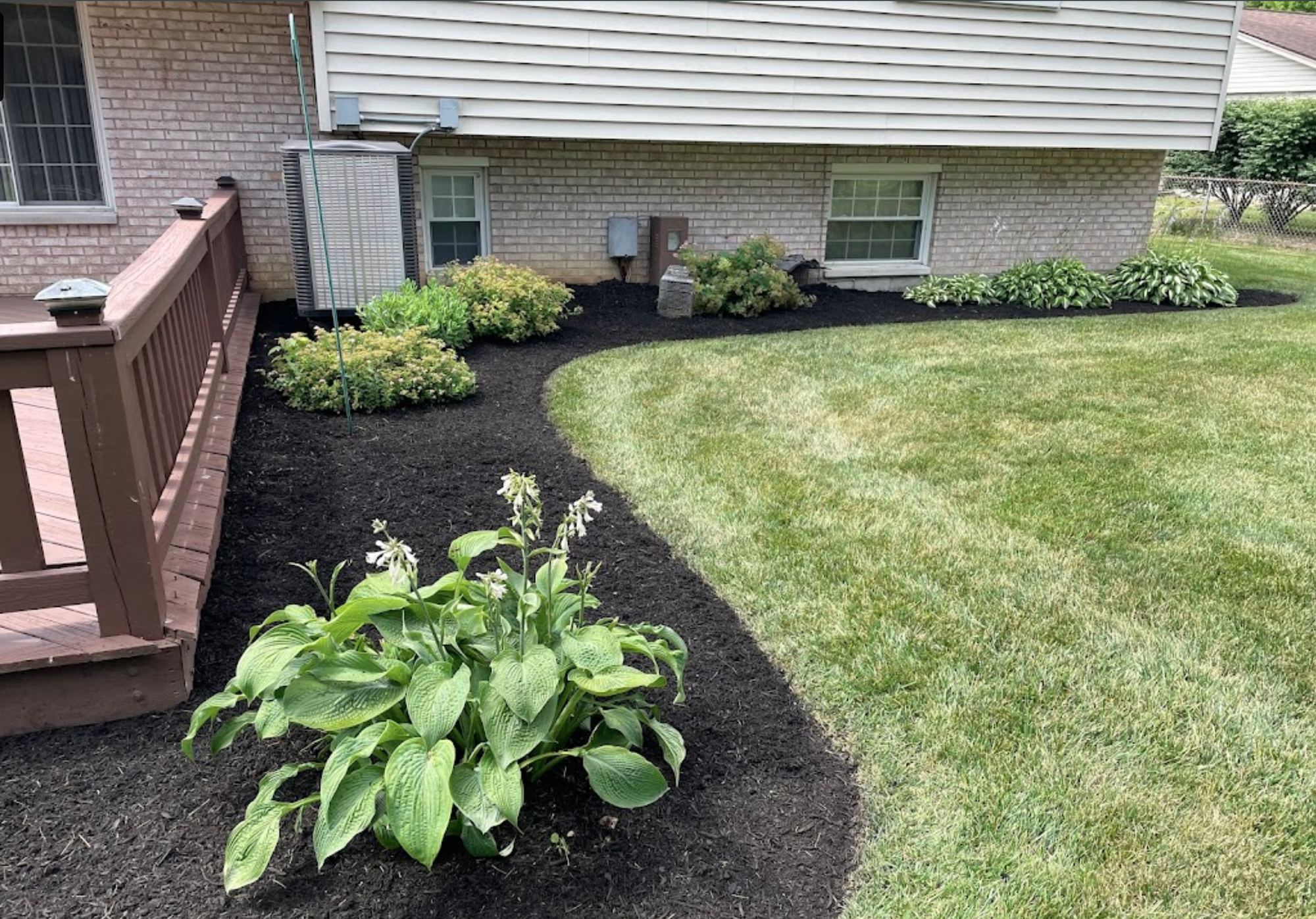
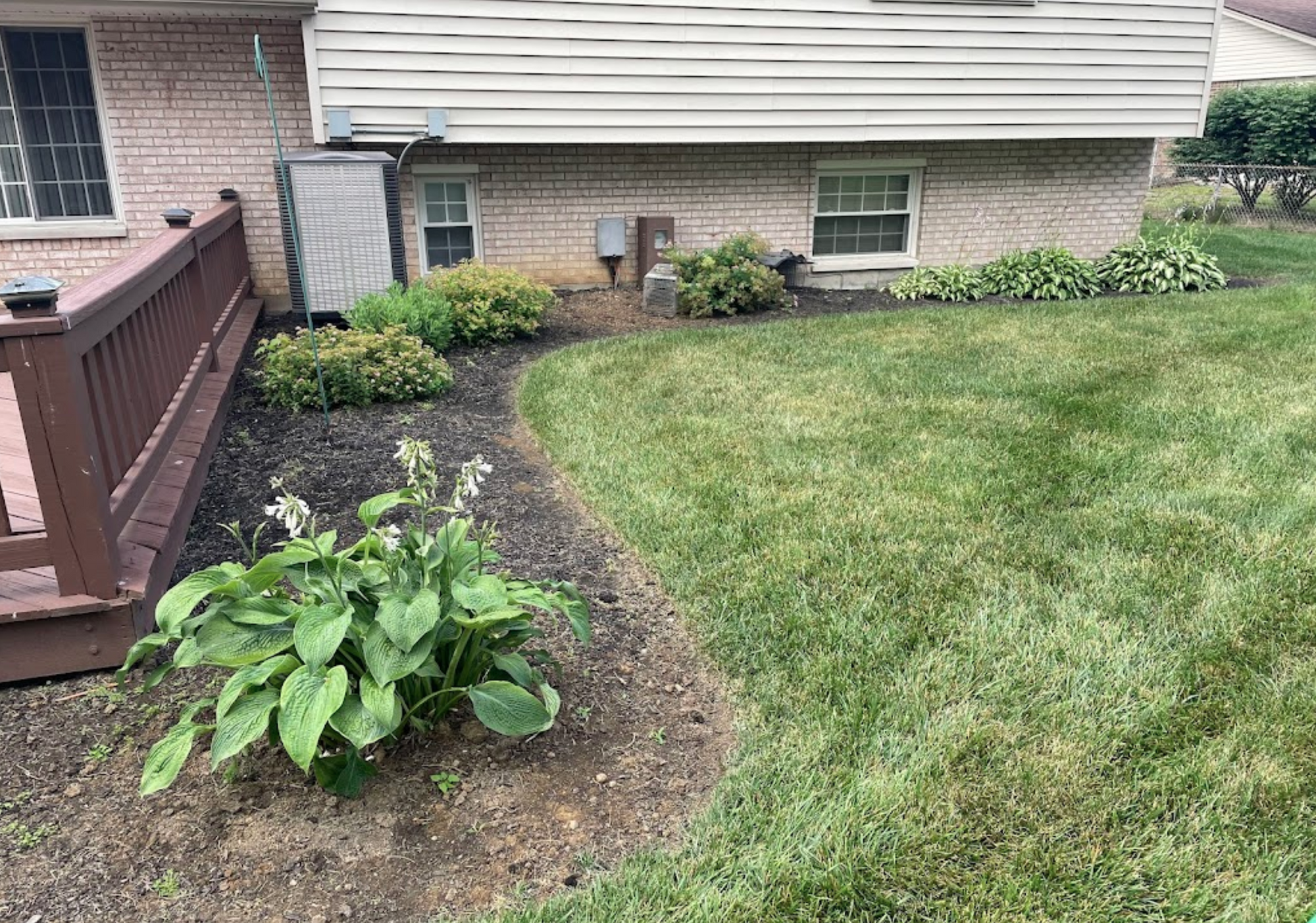
Mulch vs. No Mulch: The Difference
Grand Island's intense summer sun and persistent plains winds accelerate color fading in dyed mulch more quickly than in shaded or humid climates, so color-enhanced products may need refreshing sooner than the label suggests. Natural hardwood mulch, by contrast, weathers to a neutral tone over one to two seasons but breaks down into organic matter that gradually improves the silt-heavy loess beneath your beds. For homeowners who want both curb appeal and long-term soil benefit, a dyed hardwood blend gives you visible color while still contributing organic decomposition over time.
Before
After
Best Mulch Choice for Grand Island Lawns
Most yards in the Grand Island area sit on Loess type of soil. Grand Island's loess soil is naturally low in organic content relative to its fine silt concentration, and without regular topdressing, plant beds tend to develop a compacted, crusty surface layer that sheds water rather than absorbing it. Mulch placed on top of the soil helps break that cycle by keeping the surface open and protected.
Hardwood Mulch
Hardwood mulch is one of the best additions you can make to a Grand Island loess bed because as it breaks down it contributes humus and organic material directly into the silt layer below, gradually improving both moisture retention and soil structure. Over several seasons, decomposing hardwood mulch builds the organic content that loess naturally lacks, supporting a more active soil biology and healthier root development.
Mulch Types We Deliver in Grand Island
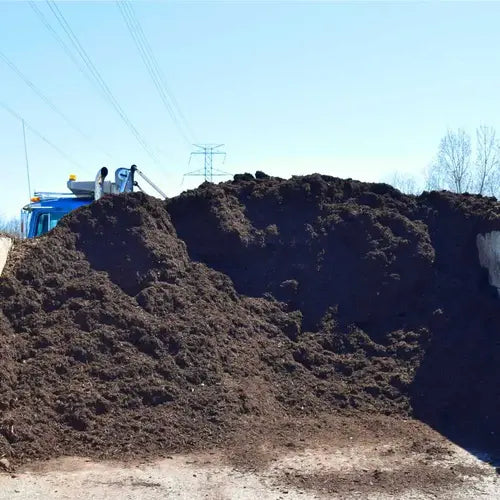
Mulch Mound delivers bulk mulch by the cubic yard straight to homes and properties throughout central Nebraska. Whether you are refreshing a front bed or tackling a full landscape project, bulk mulch delivery in Grand Island means you get the volume you need without hauling bags. We carry dyed and natural options to match the range of home styles and soil conditions common to this region.
Dyed Black Mulch
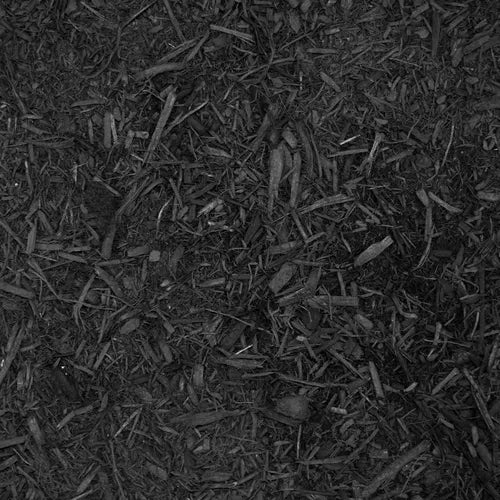
Dyed Black Mulch makes a bold statement in beds and borders, pairing well with the brick and neutral siding common on homes in this part of Nebraska. Available in double shredded style, the smooth texture spreads easily and holds its deep black color through the region's hot summers and occasional heavy rains.
Dyed Brown Mulch
Dyed Brown Mulch suits homeowners who want a warm, polished look that blends naturally with the earthy soil tones throughout central Nebraska. The double shredded texture lays flat and smooth, and the color holds for weeks so beds keep a freshly applied appearance long after the delivery truck pulls away.
Natural Brown Mulch
Natural Brown Mulch is a great fit for gardeners who prefer an undyed option that lets the wood speak for itself. The double shredded finish gives it a clean, consistent texture that works well in the wide open yards and mixed perennial beds common to homes across this part of Nebraska.
Complete Your Outdoor Mulch Project
If your beds need leveling or additional organic matter before mulching, our bulk garden soil blends pair well with mulch to build a strong foundation over Grand Island's silty loess base. For clean bed borders or pathway separation between your mulched areas and lawn, our decorative stone options complement mulched beds and hold up through the freeze-thaw cycles that are a regular part of central Nebraska winters.
Grand Island homeowners often make the mistake of piling mulch directly against shrub stems and tree trunks, and in the humid heat of a Nebraska July, that contact creates conditions for crown rot and insect damage at the base of the plant. Keep mulch pulled back two to three inches from any woody stem. The goal is to cover the soil and protect the root zone, not to bury the plant itself.
Mulch Mound Pro Tip
Because Grand Island's last frost date falls as late as May 16, resist the urge to lay a heavy mulch layer over newly planted annuals too early in spring. Cold, wet mulch holds nighttime temperatures down around tender root systems and can slow establishment by a week or more. Wait until the soil has visibly warmed and new growth is actively pushing before applying your full spring layer.
Mulch Mound Pro Tip
With only 28 inches of rainfall per year in Grand Island, the timing of your mulch application matters as much as the depth you apply. Spreading mulch right after a soaking rain locks in that soil moisture before the dry, windy stretches of summer arrive and pull it back out. If you apply mulch to already-dry loess, you may delay the moisture benefit until the next rain event is heavy enough to push through the mulch layer and reach the root zone.
Frequently Asked Questions
Click a question to see the answer
Answer
When is the best time to put down mulch in Grand Island?
The two most productive windows are just after your last frost date around May 16 and again in early September before the first frost typically arrives around September 26. The spring application helps warm soil retain moisture as annuals and perennials get established, while the fall layer insulates root systems before the ground freezes. Grand Island's relatively short growing season means timing both applications well has a real impact on how your plants come through winter and how quickly they rebound the following spring.
Answer
How deep should I apply mulch over my loess soil beds?
Three inches is the recommended depth for most Grand Island landscape beds. Loess is fine-grained and silty, and it loses moisture quickly during the hot, windy summers on the central plains, so a thinner layer will not provide enough insulation to make a meaningful difference. Going deeper than four inches in areas with shallow-rooted perennials can reduce oxygen exchange and hold too much moisture against stems during the wet spring periods Grand Island sometimes experiences in April and early May.
Answer
Will mulch actually help with moisture retention when Grand Island only gets 28 inches of rain a year?
Yes, and the effect is more significant in low-rainfall climates than in wetter ones. In Grand Island, that 28 inches of annual rainfall is not evenly distributed, and summer often delivers dry stretches of two to three weeks between storms. A three-inch mulch layer can reduce evaporative moisture loss from loess soil by up to half, which means your plants have access to stored water between rain events instead of relying entirely on supplemental irrigation through those dry spells.
Answer
Does mulch help prevent the wind erosion I notice in my garden beds every spring?
It does, especially in Grand Island where the open plains setting means sustained southwest winds are a regular feature of the landscape from March through June. Fine loess particles are particularly vulnerable to wind displacement because of their low density and small size. A mulch layer acts as a physical barrier over the soil surface, keeping the silt in place during those windy stretches and preventing the gradual thinning of bed depth that unprotected loess experiences over several seasons.
Answer
Should I choose natural hardwood mulch or a dyed color mulch for my Grand Island yard?
Both work well in Grand Island, but your choice depends on your priorities. Natural hardwood mulch breaks down faster in the heat and wind of a Nebraska summer, adding organic matter to your loess soil over time. Dyed mulch holds its color longer visually, but Grand Island's intense summer sun and low humidity can fade even quality color-enhanced products by late July. If soil improvement is your primary goal, natural hardwood is the better long-term investment for loess-heavy beds because it actively improves what is underneath as it decomposes.
Answer
How often do I need to refresh mulch given Grand Island's climate?
Most Grand Island homeowners find they need to top-dress their beds once a year, typically in spring after the last frost has passed. The combination of UV exposure, persistent wind, and the dry continental climate breaks down surface mulch faster here than in more humid regions to the east. Natural hardwood mulch may need refreshing after one full season, while cedar and dyed products tend to last through a second season before the depth drops below the effective two-inch minimum needed to suppress weeds and retain moisture.
Answer
Can mulch protect my perennials from Grand Island's early fall frosts?
Yes, a late-season mulch application is one of the best things you can do for perennials and shrubs heading into winter in Grand Island. The first frost typically arrives around September 26, and getting a three to four inch layer down in the first two weeks of September gives the soil time to retain late-season warmth before the insulation goes on. This is especially helpful for plants growing in loess soil, which does not hold heat as efficiently as heavier clay soils and can cool down quickly once overnight temperatures begin dropping in late August.
The Unique Landscape of Grand Island
Grand Island's loess soil is a fine-grained, silt-dominant material deposited by wind over thousands of years, and while it is naturally fertile at the surface, it compacts quickly under foot traffic and dries out rapidly during the hot, windy summers typical of central Nebraska. With only 28 inches of annual rainfall spread unevenly across the seasons, bare soil in your landscape beds loses moisture faster than most plants can tolerate through the long dry stretches between summer storms. A proper mulch layer acts as a shield between your soil and the sun, cutting evaporation and keeping root zones cooler when July temperatures climb well into the 90s. Grand Island also sits on the open plains at nearly 1,860 feet of elevation, and the persistent southwest winds accelerate surface drying far beyond what the rainfall numbers alone would suggest. Laying mulch after your last frost on May 16 gives spring plantings the warmth buffer they need to establish before the heat sets in, while a fresh application before the September 26 first frost helps insulate perennial roots heading into winter. Mulch is not just a cosmetic choice here, it is a practical response to the specific demands of a continental plains climate.