




Good quality top soil and was delivered exactly where I wanted it. Nice Job!
About this soil
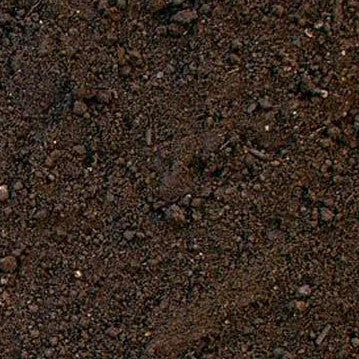
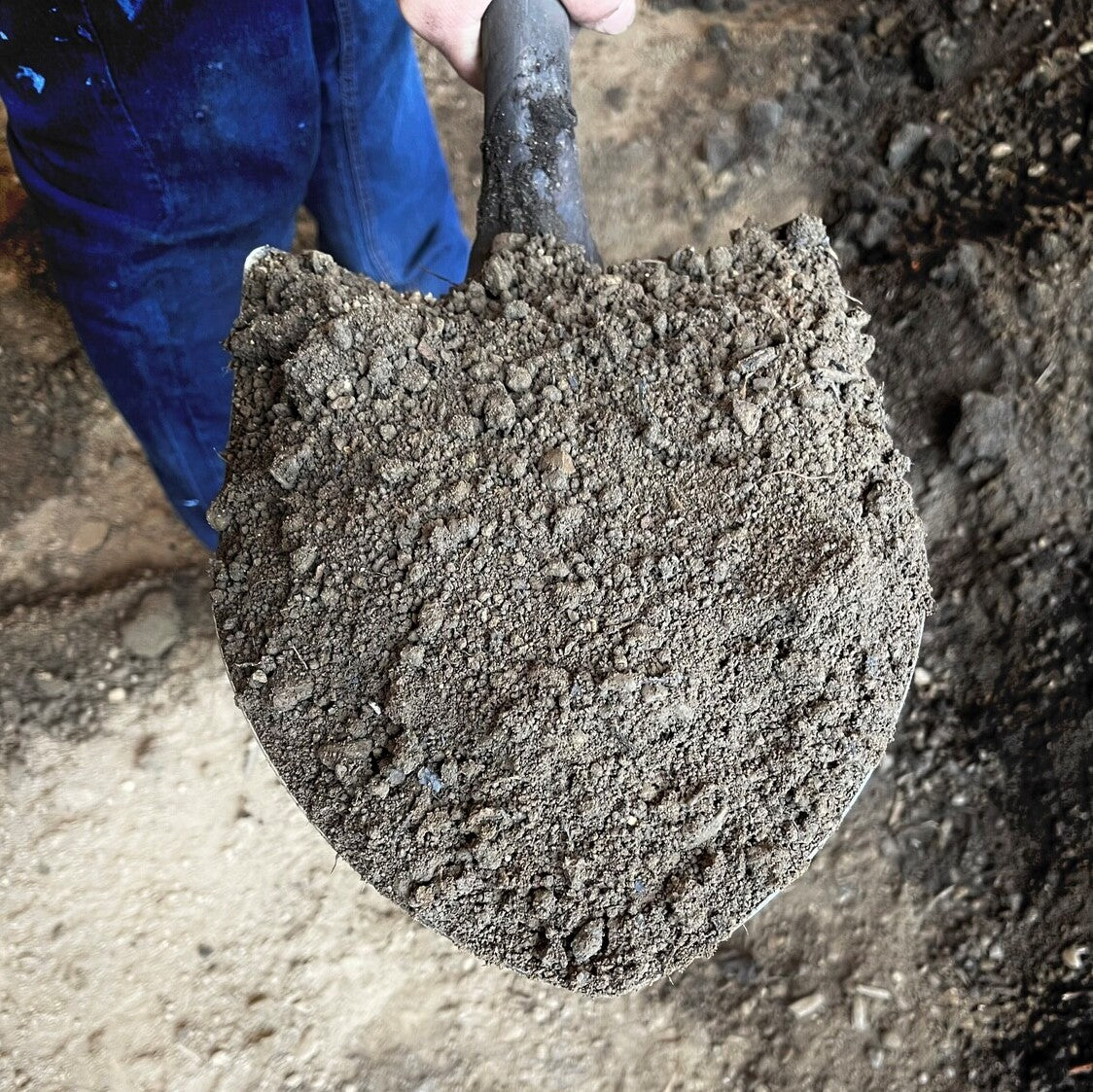
Quality topsoil for lawns, gardens, and landscape projects. Nutrient rich and ready to support strong root development and healthy plant establishment.
Good quality top soil and was delivered exactly where I wanted it. Nice Job!
Tell us what you're looking for
Thanks! We received your request.
Something went wrong. Please try again.
How Much Material Do I Need?
How Much Material Do I Need?
For raised beds and garden areas built over Grand Island's loess base, a minimum of six inches of quality imported soil gives roots enough depth to establish before encountering the compacted native material below. For lawn leveling and topdressing over existing turf, one to two inches is the right range to improve grade without burying existing grass crowns.
Use our free soil calculator
What is a yard?
What is a yard?
FAQs
FAQs
Grand Island Soil Delivery
Grand Island Soil Delivery
Regular price
$64.00
per
yard
Regular price
Sale price
$64.00
Unit price
per
Shipping calculated at checkout.
Minimum of 3 yard
Couldn't load pickup availability
Not currently available
We can't take orders for this right now. Tell us what you need and we'll get back to you.
Hand-picked local yards
4,000+ regional deliveries
Dedicated support
Why order through Mulch Mound
The best local soil, without the guesswork.
We hand-pick and partner with the best yards in your region, keep only the ones our buyers rate well, and back each load with our guarantee.
Mulch Mound Guarantee
If your soil isn't the quantity or quality you ordered, we'll make it right.
About this soil
Quality topsoil for lawns, gardens, and landscape projects. Nutrient rich and ready to support strong root development and healthy plant establishment.
Good quality top soil and was delivered exactly where I wanted it. Nice Job!
How Much Material Do I Need?
How Much Material Do I Need?
For raised beds and garden areas built over Grand Island's loess base, a minimum of six inches of quality imported soil gives roots enough depth to establish before encountering the compacted native material below. For lawn leveling and topdressing over existing turf, one to two inches is the right range to improve grade without burying existing grass crowns.
Use our free soil calculator
What is a yard?
What is a yard?
FAQs
FAQs
Tell us what you're looking for
Thanks! We received your request.
Something went wrong. Please try again.
How It Works
Getting started is easy — just follow these simple steps
1
Choose your soil
Make sure you adjust the quantity to your home's needs. You can use our calculator to estimate how much you'll need.
2
Select your delivery date
Select a delivery date you'd like for the product to be dropped off at your home
3
Sit back and wait
Sit back, wait, and let us work our magic to make sure the highest quality product is delivered to your driveway.

Online ordering was really simple and I liked the transparent pricing.

Easy to order, great service, and great product. We enjoy the final look of a very neglected beds we inherited!
Need Help Calculating How Much Soil You Need?
Use our NEW Trace from Satellite tool to get an estimate for your project based on an aerial view of your property
Try Our CalculatorTo calculate how much bulk soil you need, measure your project area in square feet and multiply by your desired depth in inches, then divide by 324 to get cubic yards needed. For a typical Grand Island lawn leveling project covering 500 square feet at two inches deep, you would need just over three cubic yards. Because loess soil compacts under the weight of new material over the first season, it is wise to order slightly more than your calculation suggests so you have material on hand for topping off after settling.
Soil Types We Deliver in Grand Island
Grand Island homeowners and landscapers count on quality bulk soil delivery to get projects done right, from backyard gardens to full lawn renovations. Whether you need bulk topsoil by the yard in Grand Island for a raised bed, a grading project, or a fresh lawn, we deliver loose material straight to your property. Our soil is sold by the cubic yard so you get exactly what your project calls for, with no trips to a store and no small bags.
Screened Top Soil
A nutrient-rich, screened topsoil ideal for lawns, garden beds, and landscape fill across Grand Island properties. The screening process removes rocks, clumps, and debris, leaving a fine, workable texture that supports strong root development and healthy plant establishment in the region's variable climate.
Complete Your Outdoor Soil Project
Pairing bulk soil with a layer of hardwood mulch on top is one of the most effective combinations for Grand Island landscape beds, since the mulch slows the moisture loss that loess-based soils are prone to during dry summer stretches. For garden borders, pathways, or drainage channels alongside your new soil areas, decorative stone provides a durable, low-maintenance edge that holds its shape through Nebraska's freeze-thaw winters.


Mulch Mound Pro Tip
Grand Island homeowners who install bulk soil in raised beds should be aware that the loess subsoil directly below can act like a slow drain, holding water against the bottom of the bed during wet springs. Consider placing a thin layer of coarse gravel at the base of deep raised beds before filling with garden soil, especially in areas of your yard that stay wet after heavy rain in April and May when Grand Island receives the bulk of its spring precipitation.
Mulch Mound Pro Tip
When you topdress a lawn with bulk soil in Grand Island, work in thin lifts rather than one heavy application. Spreading more than two inches at once can smother existing turf and create a layer that resists germination. Work in one-inch increments, water lightly to help it settle, and give existing grass a chance to grow through the new material before adding a second pass if the grade still needs correcting.
Mulch Mound Pro Tip
The window between Grand Island's last frost on May 16 and first frost on September 26 is only about 133 days, which means soil temperature and structure matter a great deal for getting the most out of your growing season. Starting with a quality imported soil that drains freely and warms quickly in spring gives your plantings a week or more of effective head start compared to planting directly into dense, compacted native loess that holds cold longer into the spring.
The Unique Landscape of Grand Island
Grand Island is underlain by loess, a wind-deposited silt that is fertile at the surface but notorious for its tendency to compact, crust, and drain poorly once disturbed by grading or construction. When lawns are leveled, driveways are added, or new construction strips away the topsoil layer, what remains is often compacted subsoil with little organic content and a structure that resists root penetration entirely. Importing quality bulk soil is the most direct way to restore productive growing conditions in those areas without waiting years for amendment programs to take effect. Grand Island's climate, with hot summers, cold winters, and only 28 inches of annual rainfall, means that poorly structured soil dries and cracks through summer and heaves during the freeze-thaw cycles of winter, making any lawn or garden project harder to maintain season after season. Adding a layer of quality topsoil or garden blend creates a stable medium that holds moisture through the dry stretches and supports healthy root development from your May 16 last frost through to the September 26 first frost. Whether you are building raised beds, repairing a rough lawn, or establishing new planting areas, starting with the right soil foundation saves time and money on every season that follows.