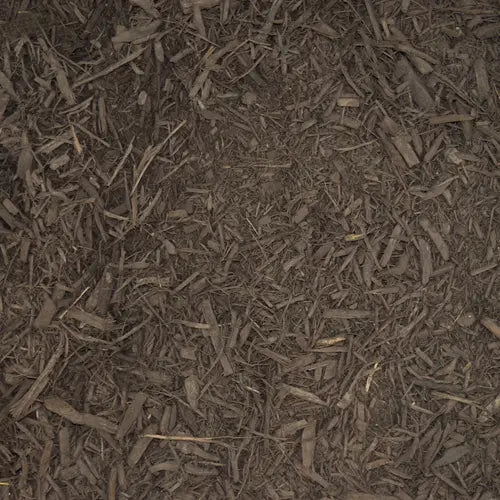
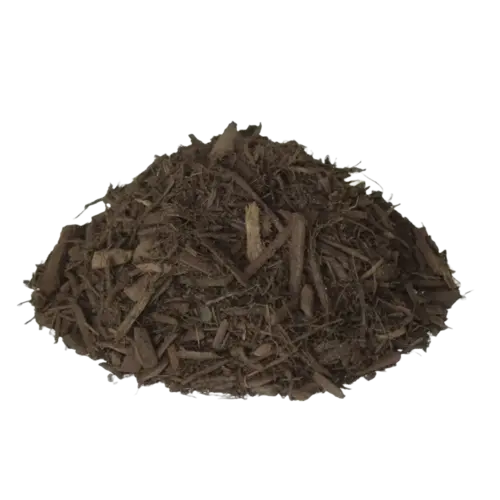
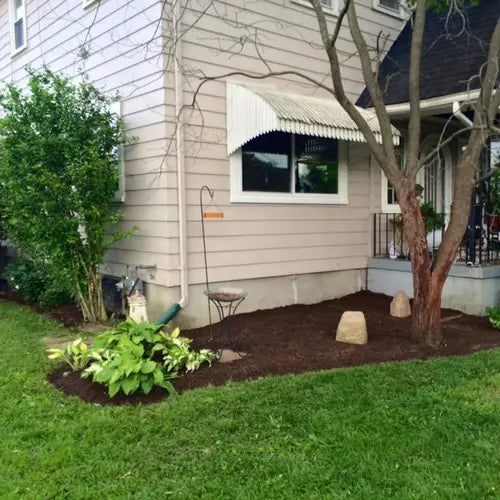
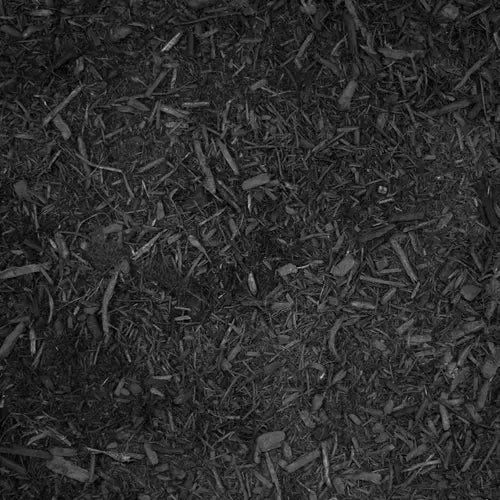
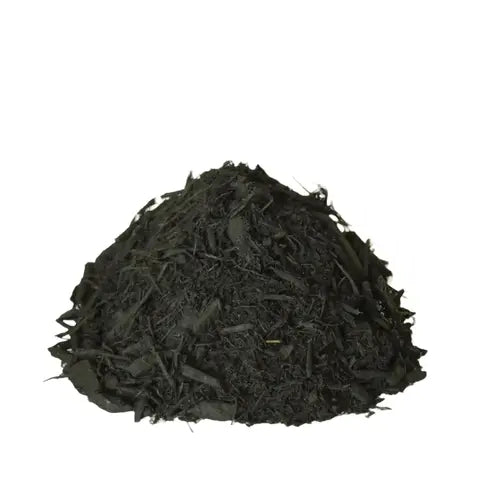
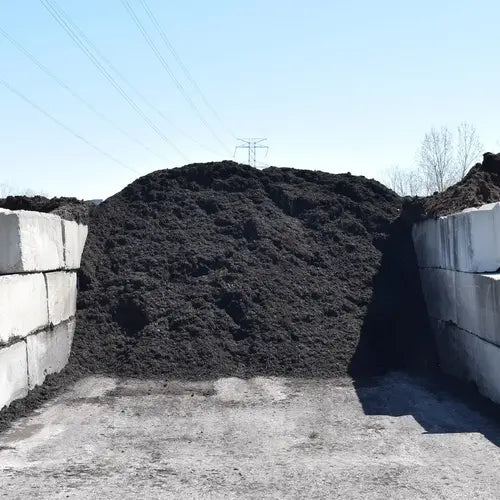
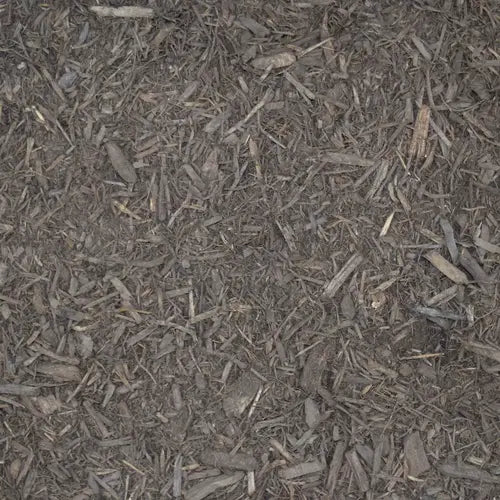
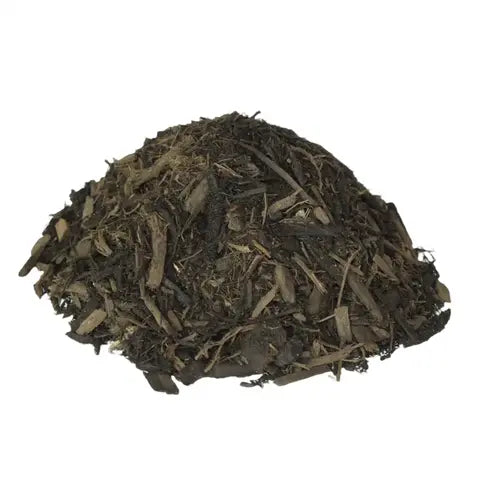
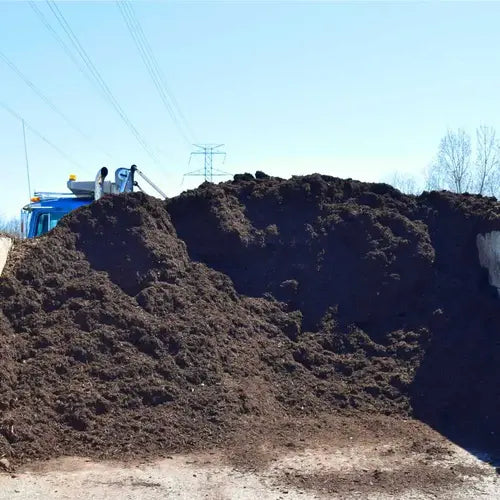
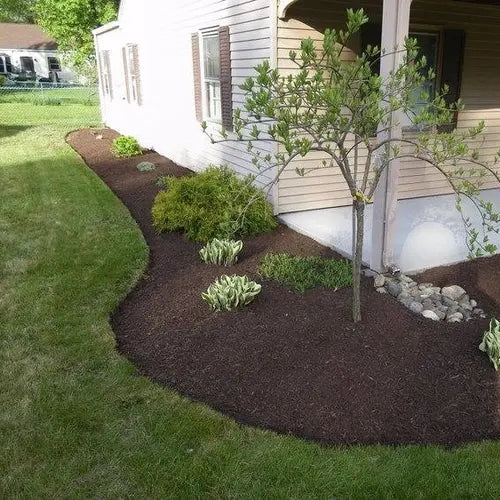
Warm brown double shredded mulch with lasting color that looks freshly applied for weeks. Spreads smooth, stays put, and gives beds a natural, polished appearance.
They offered a quick turnaround and delivered high quality mulch at a reasonable price. They also dropped it off exactly where I told them to put it. Good service!
Tell us what you're looking for
Thanks! We received your request.
Something went wrong. Please try again.
How Much Material Do I Need?
For most planting beds in Grand Junction's alkaline clay landscape, a 3 to 4 inch layer of mulch provides the moisture retention and temperature buffering needed to support plants through the long dry summers. Vegetable gardens and newly planted perennial beds benefit from the full 4 inches, especially during the peak heat of July and August.
Use our free mulch calculator
What is a yard?
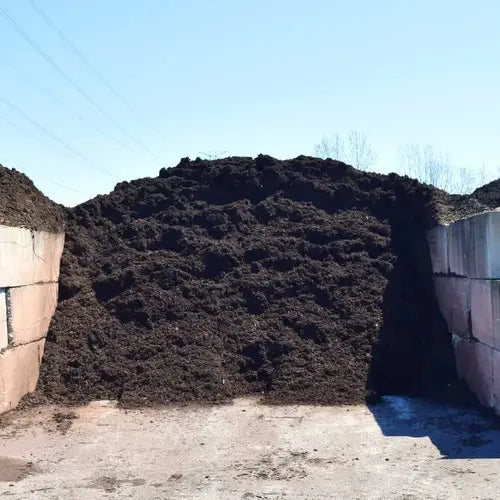
A yard is approximately 27 cubic feet. As a general guideline, one yard of material can cover an area of about 100-160 square feet at a 2-3 inch depth.
We can't take orders for this right now. Tell us what you need and we'll get back to you.
What do you need?
Thanks! We received your request.
Something went wrong. Please try again.
Hand-picked local yards
4,000+ regional deliveries
Dedicated support
Why order through Mulch Mound
The best local mulch, without the guesswork.
We hand-pick and partner with the best yards in your region, keep only the ones our buyers rate well, and back each load with our guarantee.
Mulch Mound Guarantee
If your mulch isn't the quantity or quality you ordered, we'll make it right.
About this mulch
Warm brown double shredded mulch with lasting color that looks freshly applied for weeks. Spreads smooth, stays put, and gives beds a natural, polished appearance.
They offered a quick turnaround and delivered high quality mulch at a reasonable price. They also dropped it off exactly where I told them to put it. Good service!
How Much Material Do I Need?
For most planting beds in Grand Junction's alkaline clay landscape, a 3 to 4 inch layer of mulch provides the moisture retention and temperature buffering needed to support plants through the long dry summers. Vegetable gardens and newly planted perennial beds benefit from the full 4 inches, especially during the peak heat of July and August.
Use our free mulch calculator
What is a yard?
A yard is approximately 27 cubic feet. As a general guideline, one yard of material can cover an area of about 100-160 square feet at a 2-3 inch depth.
They offered a quick turnaround and delivered high quality mulch at a reasonable price. They also dropped it off exactly where I told them to put i...
Read full review
They offered a quick turnaround and delivered high quality mulch at a reasonable price. They also dropped it off exactly where I told them to put it. Good service!
Great experience! Easy to order, they delivered promptly and were very respectful of the property! Ordered the triple shredded brown mulch and it w...
Read full review
Great experience! Easy to order, they delivered promptly and were very respectful of the property! Ordered the triple shredded brown mulch and it was EXACTLY what I wanted. Very clean product too, no garbage or filler. Already put these guys in my calendar to order from next year! Keep up the good work.
To estimate how much mulch your Grand Junction beds need, measure the length and width of each area in feet and multiply those together to get square footage, then divide by 100 to find the number of cubic yards needed for a 3-inch depth. Grand Junction's clay soil does not absorb amendments quickly, so erring on the side of a slightly thicker layer gives you better moisture retention through the long dry summer months. Add up all your bed areas before placing your order so you can cover everything in a single bulk delivery.
Mulch vs. No Mulch: The Difference
Grand Junction's combination of intense high-desert sun, very low humidity, and only 9 inches of annual rainfall affects how quickly mulch products weather and break down in your landscape. Natural hardwood and bark mulches decompose gradually, slowly improving the alkaline clay soil beneath them as they break down over one to two seasons. Dyed or colored mulches use non-toxic colorfast pigments that hold their visual appeal longer under Grand Junction's strong ultraviolet exposure, making them a popular choice for high-visibility front yards where appearance matters as much as function.
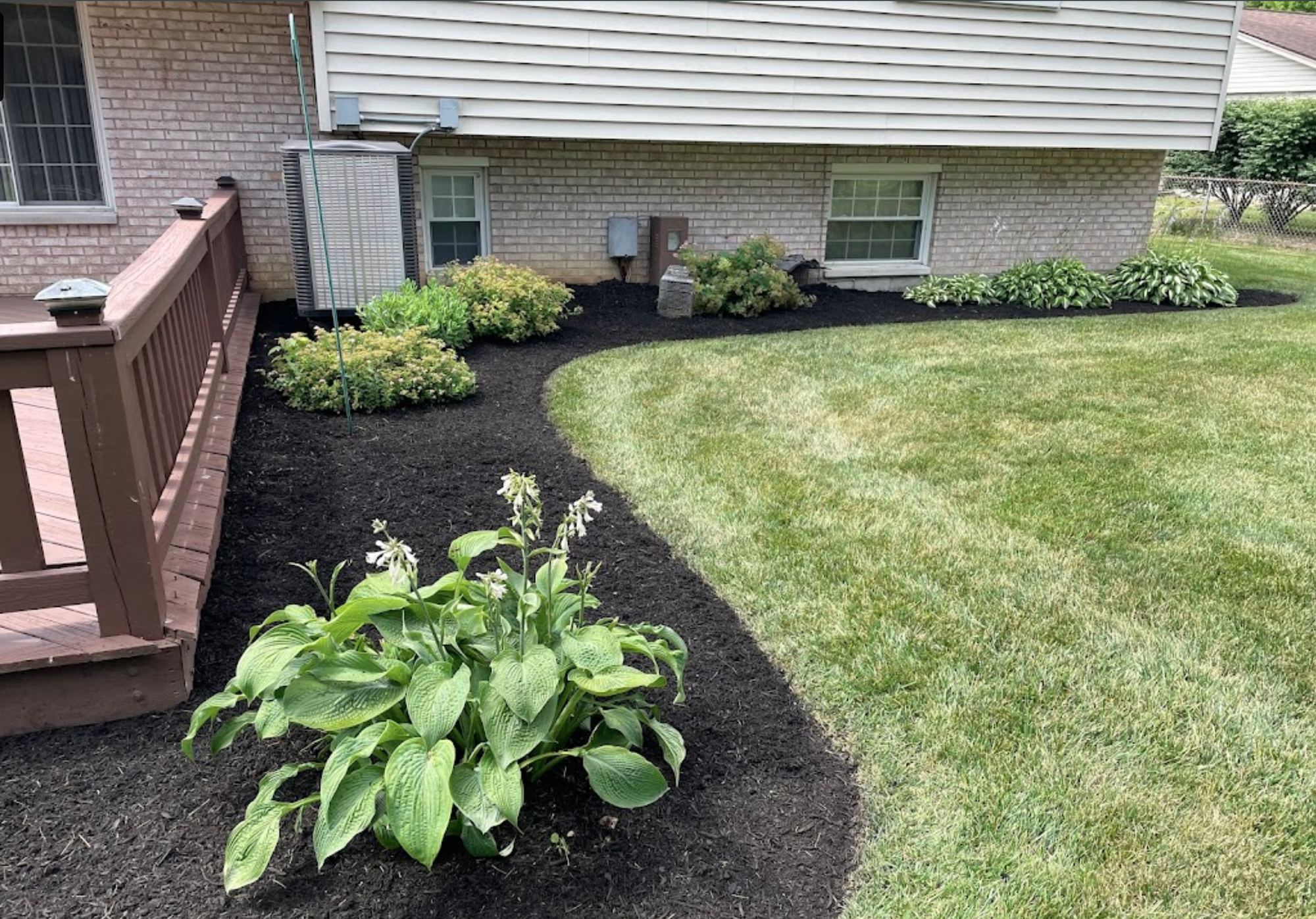
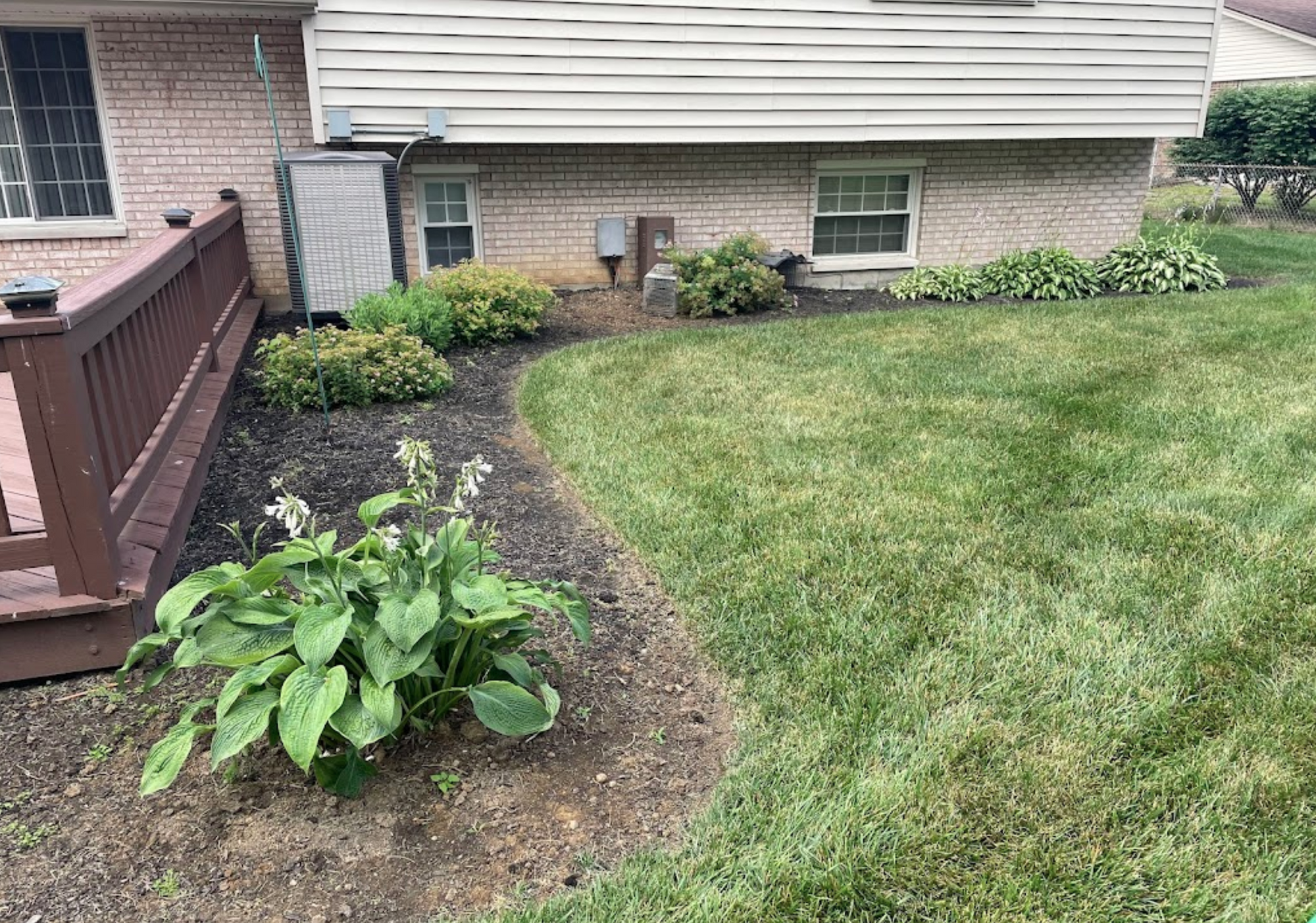
Before
After
Best Mulch Choice for Grand Junction Lawns
Most yards in the Grand Junction area sit on Alkaline Clay type of soil. Grand Junction's alkaline clay soil has a naturally high pH and poor drainage, which stresses many common landscape plants by limiting their access to nutrients like iron and phosphorus. Organic mulch applied consistently over several seasons helps moderate the soil surface environment, giving roots a better chance to access the water and nutrients they need.
Hardwood Mulch
Hardwood mulch is particularly well-suited to Grand Junction's alkaline clay landscape because as it decomposes, it releases organic acids and carbon that very gradually lower soil pH and feed the microbial life that helps break up compacted clay. Over multiple seasons, consistently mulched beds in Grand Junction tend to develop a noticeably looser, darker topsoil layer compared to unmulched areas in the same yard.
Mulch Types We Deliver in Grand Junction
Mulch Mound delivers bulk mulch by the cubic yard to homes and properties across the area. The dry, high desert climate here means mulch does real work, holding moisture in the soil and protecting plant roots through intense summers. Whether you are refreshing a xeriscape bed or a traditional yard, bulk mulch delivery in Grand Junction makes the job easy.
Dyed Black Mulch
A bold double shredded mulch that creates sharp contrast against the sandy, muted tones common in Grand Junction landscapes. The rich black color holds up well under intense Western Colorado sun, and the smooth double shredded texture spreads evenly over large beds. A strong choice for homeowners who want clean, defined lines.
Dyed Brown Mulch
Warm brown double shredded mulch that blends naturally with the earthy, sun-baked tones common to Western Colorado landscapes. The lasting color stays vibrant through hot, dry summers, and the smooth double shredded texture spreads cleanly across sloped or terraced beds. A popular choice for ranch-style homes and low-water planting areas.
Natural Brown Mulch
Undyed double shredded mulch with a warm, wood-toned color that fits naturally into the high desert surroundings of this part of Colorado. A good fit for homeowners who prefer an honest, chemical-free look, and the smooth texture spreads easily across xeriscaped beds and native plant borders without competing with surrounding stonework.
Complete Your Outdoor Mulch Project
Pair your mulch order with bulk garden soil to amend and loosen Grand Junction's heavy clay before planting, and consider decorative stone for pathways or dry drainage channels that handle the runoff from Grand Junction's occasional intense summer storms.
Grand Junction's alkaline clay soil tends to crust over in the summer heat, and that crust acts like a barrier that sends irrigation water sideways rather than down to the roots. Before laying mulch, break up any surface crust with a cultivator and work in a bit of compost if possible, then apply your mulch layer directly over the loosened soil. This combination of soil prep plus mulch gives your plants a much better chance of thriving through the long, dry growing season from late April through mid-October.
Mulch Mound Pro Tip
The 4,586-foot elevation in Grand Junction means ultraviolet radiation is noticeably more intense than at lower elevations, and that UV exposure can bleach and degrade mulch faster than many homeowners expect. Darker mulch colors like black or dark brown tend to hold their appearance longer than lighter natural wood tones under Grand Junction's high-desert sun. If appearance matters for a front-facing bed, choosing a premium colorfast product from the start saves you the work of a midsummer refresh.
Mulch Mound Pro Tip
With Grand Junction receiving only about 9 inches of rain per year, every drop of moisture counts, and mulch is your best tool for making irrigation stretch further. Lay mulch in the early morning when the soil is still cool from the night, so the ground beneath holds as much residual moisture as possible before you cover it. A properly applied mulch layer can cut your watering frequency noticeably, which matters both for your water bill and for keeping plants healthy between Grand Junction's infrequent natural rainfall events.
Frequently Asked Questions
Click a question to see the answer
Answer
How thick should I lay mulch given how dry it gets in Grand Junction?
In Grand Junction's high-desert climate, where annual rainfall averages just 9 inches and summer temperatures regularly push well above 90 degrees, a mulch depth of 3 to 4 inches is ideal for most planting beds. Anything thinner will dry out and lose its moisture-retention benefit within a few days of a heat wave. Keep mulch pulled back an inch or two from plant stems to prevent rot in areas where overnight humidity can briefly spike.
Answer
Will adding mulch actually help my heavy alkaline clay soil?
Yes, and it helps in two important ways specific to Grand Junction's alkaline clay conditions. First, mulch keeps the clay surface from baking into a hard crust under the intense high-desert sun, which would otherwise shed water rather than absorb it. Second, as organic mulch gradually breaks down over the season, it feeds soil biology that slowly loosens and improves clay texture. Consistent mulch applications year after year make a measurable difference in how well water moves into Grand Junction's dense native soil.
Answer
Does mulch break down faster here because of our elevation and dry air?
Grand Junction's low humidity and intense ultraviolet radiation at 4,586 feet of elevation do accelerate the weathering of the top layer of mulch. However, the dry conditions also slow the microbial decomposition that happens deeper in the pile where moisture is retained. The net result is that you will likely want to refresh the top inch or so of mulch annually, typically in late April after the last frost around April 22, to maintain both appearance and soil protection through the growing season.
Answer
When is the best time to put down mulch before winter hits Grand Junction?
The sweet spot for a pre-winter mulch application in Grand Junction is between late September and the first week of October, giving you a comfortable buffer before the average first frost around October 15. Laying mulch at this time insulates the soil and helps roots stay warmer slightly longer into the fall, which is especially useful for perennials and shrubs that need that extra time to harden off before freezing temperatures arrive.
Answer
I have a lot of weeds coming up in my beds. Will mulch actually stop them?
A 3 to 4 inch layer of bulk mulch is one of the most effective weed barriers available for Grand Junction homeowners, blocking the sunlight that annual weed seeds need to germinate. Grand Junction's sandy-clay mix and dry wind carry weed seeds readily, so a physical mulch barrier is especially important here. For persistent perennial weeds already established in your beds, pull those before laying mulch, since mulch alone will not kill an established root system.
Answer
Should I pull out my old mulch before ordering a new load?
In most Grand Junction landscapes, you do not need to remove old mulch unless the existing layer is already 4 inches or deeper. If the old mulch has compacted into a mat that is repelling water rather than absorbing it, raking it loose or removing the top layer before adding fresh material is a good idea. In Grand Junction's dry climate, old mulch tends to stay relatively intact from season to season rather than decomposing rapidly, so checking the depth each spring around April is a practical habit.
Answer
Will the intense Grand Junction sun bleach out colored mulch quickly?
Colored mulch does fade faster under the intense ultraviolet exposure that comes with Grand Junction's high-elevation, low-humidity climate. Premium dyed mulch products use colorfast pigments that hold up better than budget options, but expect any colored mulch to mellow noticeably by midsummer if it is in a south-facing bed with full afternoon sun. Many Grand Junction homeowners touch up high-visibility beds with a thin fresh layer of colored mulch in midsummer to maintain curb appeal through the end of the season.
The Unique Landscape of Grand Junction
Grand Junction's alkaline clay soil compacts quickly under foot traffic and irrigation, making it difficult for plant roots to find oxygen and nutrients between waterings. With just 9 inches of annual rainfall and relentless high-desert sun beating down at 4,586 feet of elevation, bare soil loses moisture within a day or two of any rain or irrigation event. A proper mulch layer slows that evaporation dramatically, stretching the value of every gallon you run through your drip system. Grand Junction's growing season runs from around April 22 through October 15, and the temperature difference between a July afternoon and an October morning can be extreme enough to stress shallow-rooted plants. Mulch smooths out those soil temperature swings at the root zone, protecting plants through the shoulder seasons when frosts can arrive suddenly. Whether you are planting perennial beds, shrub borders, or vegetable gardens, mulch is one of the most practical investments you can make in the Grand Junction landscape.