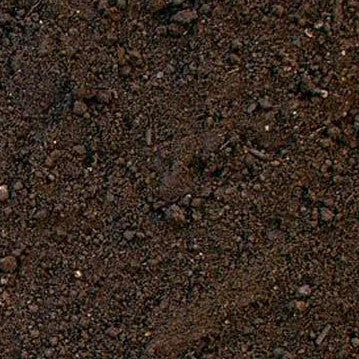
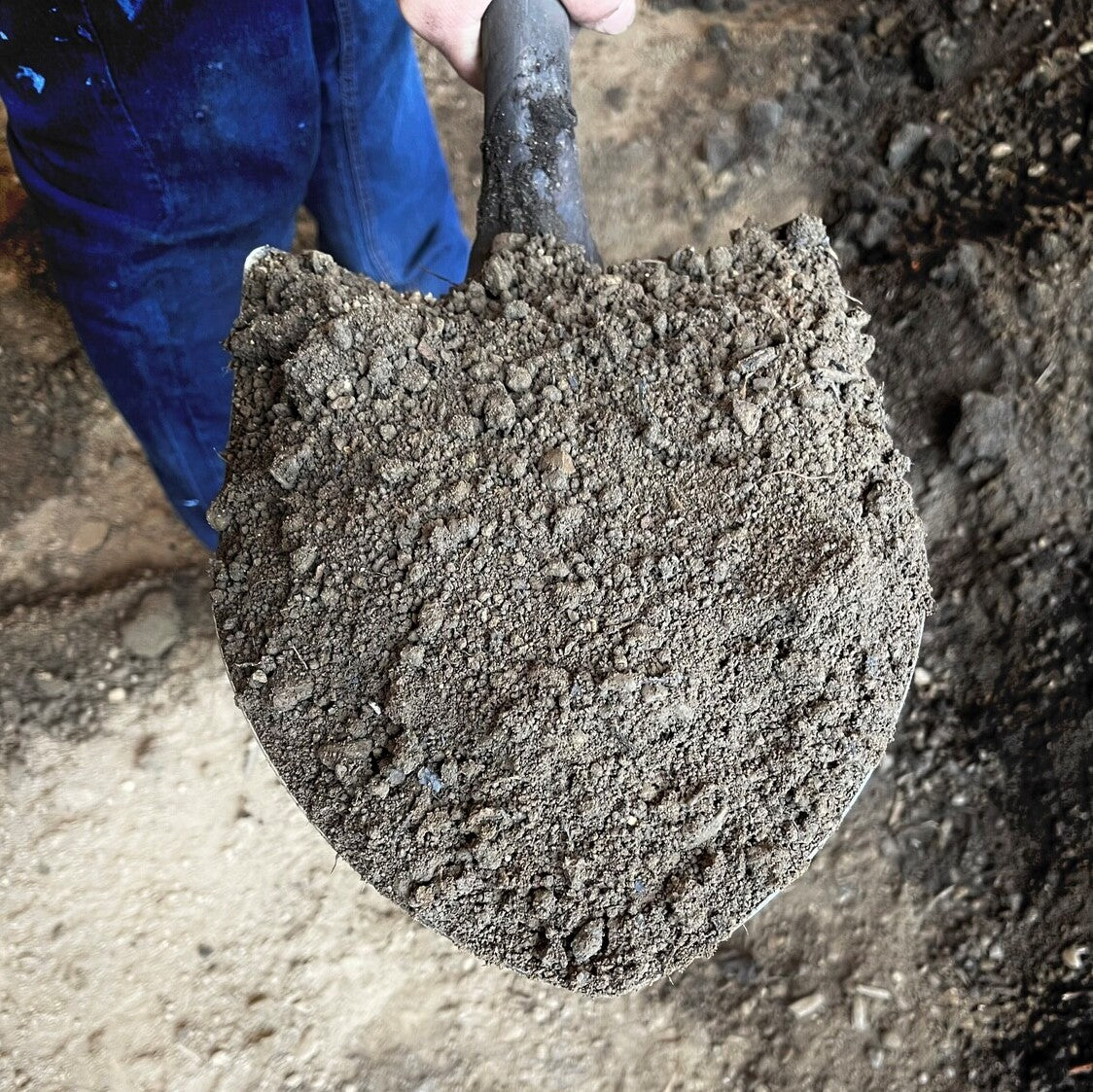
Quality topsoil for lawns, gardens, and landscape projects. Nutrient rich and ready to support strong root development and healthy plant establishment.
I got 3 yards of dirt to create a garden bed on the side of my house and to help fill my new raised garden beds. We had enough dirt to do all of this and fill some holes in the yard! Thanks 😃
Tell us what you're looking for
Thanks! We received your request.
Something went wrong. Please try again.
How Much Material Do I Need?
For lawn top-dressing in Grand Junction, a half-inch to one-inch layer of topsoil spread over existing turf is usually sufficient to level minor imperfections without smothering the grass. For new planting beds or raised gardens where you are replacing the native alkaline clay entirely, plan for at least 10 to 12 inches of quality amended soil to give roots a productive growing environment.
Use our free soil calculator
What is a yard?
A yard is approximately 27 cubic feet. As a general guideline, one yard of material can cover an area of about 100-160 square feet at a 2-3 inch depth.
We can't take orders for this right now. Tell us what you need and we'll get back to you.
What do you need?
Thanks! We received your request.
Something went wrong. Please try again.
Hand-picked local yards
4,000+ regional deliveries
Dedicated support
Why order through Mulch Mound
The best local soil, without the guesswork.
We hand-pick and partner with the best yards in your region, keep only the ones our buyers rate well, and back each load with our guarantee.
Mulch Mound Guarantee
If your soil isn't the quantity or quality you ordered, we'll make it right.
About this soil
Quality topsoil for lawns, gardens, and landscape projects. Nutrient rich and ready to support strong root development and healthy plant establishment.
I got 3 yards of dirt to create a garden bed on the side of my house and to help fill my new raised garden beds. We had enough dirt to do all of this and fill some holes in the yard! Thanks 😃
How Much Material Do I Need?
For lawn top-dressing in Grand Junction, a half-inch to one-inch layer of topsoil spread over existing turf is usually sufficient to level minor imperfections without smothering the grass. For new planting beds or raised gardens where you are replacing the native alkaline clay entirely, plan for at least 10 to 12 inches of quality amended soil to give roots a productive growing environment.
Use our free soil calculator
What is a yard?
A yard is approximately 27 cubic feet. As a general guideline, one yard of material can cover an area of about 100-160 square feet at a 2-3 inch depth.
I got 3 yards of dirt to create a garden bed on the side of my house and to help fill my new raised garden beds. We had enough dirt to do all of th...
Read full review
I got 3 yards of dirt to create a garden bed on the side of my house and to help fill my new raised garden beds. We had enough dirt to do all of this and fill some holes in the yard! Thanks 😃
To figure out how many cubic yards of bulk soil you need, multiply the length by the width of your area in feet, then multiply by the depth in feet, and divide by 27. For raised beds, which are popular in Grand Junction because they let you sidestep the native alkaline clay entirely, a standard 4-by-8-foot frame filled 12 inches deep requires about 1.2 cubic yards of soil. Order a little extra to account for settling, which happens fairly quickly in Grand Junction's dry climate.
Soil Types We Deliver in Grand Junction
Grand Junction's native ground tends to be rocky and alkaline, which makes bringing in quality bulk topsoil by the yard in Grand Junction a practical first step for any serious lawn or garden project. We deliver screened soil by the cubic yard so you get a consistent, workable product without the hassle of hauling it yourself. Whether you are filling raised beds, grading a yard, or establishing new plantings in the high desert climate, having the right soil delivered saves time and gets results.
Screened Top Soil
Our screened top soil is sifted to remove rocks, clods, and debris, leaving a fine, uniform texture that works especially well in a region where native ground is often compacted and low in organic matter. It supports strong root development for lawns, garden beds, and new landscape plantings across the Grand Valley.
Complete Your Outdoor Soil Project
After your soil is in place, add a layer of bulk mulch to protect Grand Junction's dry soil surface and lock in moisture between irrigation cycles, and consider decorative stone edging to define bed borders and prevent the native alkaline clay from migrating back into your planted areas over time.
Why is the soil in my Grand Junction yard so hard and cracked during summer?
That hardness and cracking is characteristic of Grand Junction's native alkaline clay soil, which shrinks and fractures when it dries out and swells when it gets wet. With only 9 inches of annual rainfall and very low humidity at 4,586 feet of elevation, the clay surface dries rapidly and deeply between waterings. Bringing in quality topsoil or amended garden soil to blend with or layer over the native clay is one of the most effective ways to create a yard that actually supports healthy plant growth.
Answer
How much topsoil do I need to fill a new raised garden bed?
For a raised bed in Grand Junction, filling to at least 12 inches of quality soil gives vegetable roots enough room to develop and find nutrients without hitting the compacted alkaline clay below. Most standard raised bed frames are 10 to 12 inches tall, so you will typically need to fill them completely with imported soil rather than relying on any native material. Factor in a little extra because bulk soil settles somewhat after the first few waterings, especially in Grand Junction's dry air.
Answer
Can I use bulk topsoil to fix the low spots in my lawn that collect water after storms?
Yes, top-dressing low spots with bulk topsoil is one of the most common soil applications in Grand Junction, especially in neighborhoods where the clay subgrade has settled unevenly over time. For shallow depressions, a topdress of half an inch to one inch of clean topsoil raked into the grass is enough to level things out without smothering the turf. For deeper low spots, you may need to remove the existing sod, fill with topsoil, and reseed, timing the reseeding for late April or early May after the last frost around April 22.
Answer
Will adding good garden soil actually lower the pH of my alkaline clay beds?
Quality amended garden soil blended with organic matter can help moderate the pH in the specific area where you apply it, but it will not dramatically change the chemistry of the surrounding native clay in Grand Junction. The most effective approach is to build raised or bermed planting areas with quality imported soil and keep them mulched to prevent the alkaline native soil from migrating back into the root zone over time. Adding sulfur or peat moss to your soil mix can further help lower pH for acid-loving plants.
Answer
Is there a best time of year to do soil work here in Grand Junction?
Spring is the most popular window for soil projects in Grand Junction, with the period from late April through early June being ideal. By late April the last frost has typically passed around April 22, the ground has warmed enough for tilling and planting, and you have the entire growing season ahead to establish plants or turf. Fall soil work is also effective for grade corrections and lawn leveling, giving disturbed ground time to settle before the October 15 frost and setting up a clean slate for spring planting.
Answer
How do I keep my imported garden soil from washing away during Grand Junction's summer thunderstorms?
Grand Junction receives most of its 9 annual inches of rain in concentrated summer thunderstorms that can drop a significant amount of water in a short time, making erosion a real concern for freshly graded or disturbed soil. Covering newly placed soil with a thin layer of straw mulch or organic mulch immediately after spreading helps hold it in place until plants or grass roots can establish. On slopes, consider pairing your soil work with decorative stone borders or ground cover plantings that anchor the soil surface over the long term.
Answer
What is the difference between topsoil and garden soil for my Grand Junction project?
Topsoil is primarily used for grading, filling, and lawn establishment, providing a stable mineral base that can be seeded or sodded over. Garden soil or amended soil has additional organic matter, compost, and sometimes fertilizers blended in, making it better suited for planting beds, raised gardens, and areas where you want to support vegetable or flower growth from the start. In Grand Junction, where the native clay is both alkaline and nutrient-limited, using amended garden soil for any area where you plan to actively grow plants is usually worth the extra investment.
Mulch Mound Pro Tip
Grand Junction's clay soil is notorious for compacting under foot traffic and heavy equipment, so try to do your grading work during a period when the soil has some moisture in it, typically in spring after snow melt or a rain event. Working bone-dry clay tends to create large clods that are hard to break up and level later. If you are bringing in new topsoil during the summer, mist the surface lightly before spreading and raking to help it settle smoothly against the existing grade.
Mulch Mound Pro Tip
In newer Grand Junction subdivisions, builders often strip and sell the existing topsoil during construction, leaving homeowners with raw caliche or subsoil at the surface. Before you plant anything permanent, probe the ground with a screwdriver in several spots across your yard to see how deep workable soil actually goes. Where the screwdriver hits resistance in the first two or three inches, you are dealing with subsoil or hardpan, and those areas will benefit most from a generous application of quality bulk soil before any landscaping begins.
Mulch Mound Pro Tip
Because Grand Junction receives so little rainfall, any soil project near the foundation of your home should slope away from the structure to direct the occasional heavy summer storm runoff away from the foundation. A grade change of roughly one inch per foot for the first six feet away from the foundation is a widely recommended standard. Bulk topsoil gives you the volume needed to establish that slope cleanly, and pairing it with a layer of decorative stone along the foundation line both anchors the grade and adds a finished, polished look.
The Unique Landscape of Grand Junction
Grand Junction's native soil is a dense alkaline clay that presents real challenges for anyone trying to grow grass, establish garden beds, or grade a yard for proper drainage. The clay content means water pools on the surface after irrigation or an intense summer storm rather than soaking in quickly, which can drown shallow roots or cause erosion on sloped areas. At 4,586 feet of elevation with intense sun and only 9 inches of annual rainfall, the topsoil layer also tends to be thin and nutrient-poor in many Grand Junction yards, especially in newer developments where builders scraped away existing topsoil during construction. Whether you are building a raised vegetable bed, topping a new lawn, or correcting low spots that collect water, quality bulk soil gives you a workable foundation that native clay simply cannot provide. Grand Junction's growing season from April 22 through October 15 is productive enough to support a wide range of vegetables, flowers, and shrubs, but only if the root zone has decent tilth and nutrient availability. Importing good bulk topsoil or amended garden soil is often the most direct path to a productive landscape in this region.