




Easy to order, great service, and great product. We enjoy the final look of a very neglected beds we inherited!
About this landscape rock
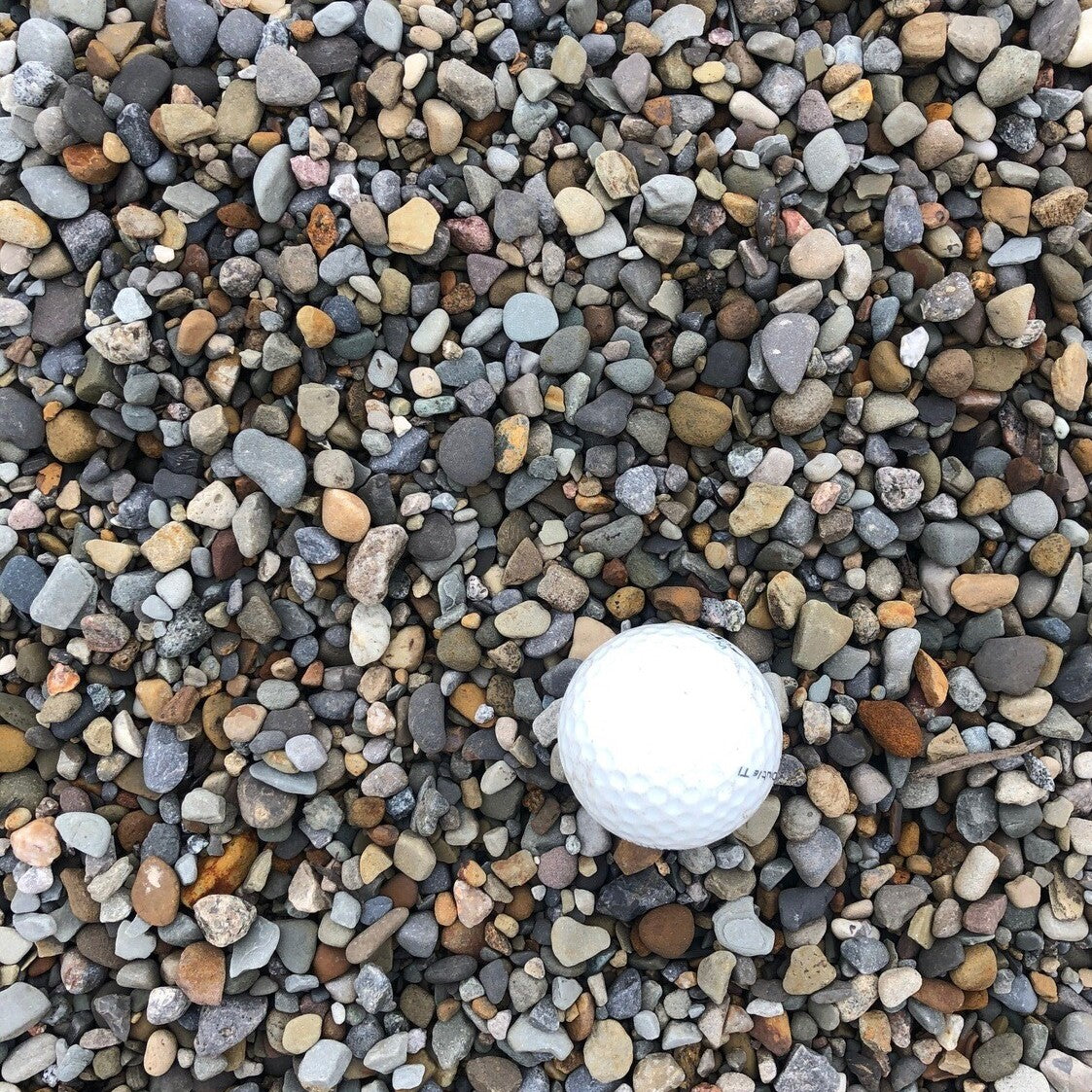
Smooth tumbled river rock, heavy enough to stay put in drainage runs and handsome enough for beds and borders.
Easy to order, great service, and great product. We enjoy the final look of a very neglected beds we inherited!
Tell us what you're looking for
Thanks! We received your request.
Something went wrong. Please try again.
How Much Landscape Rock Do I Need?
How Much Landscape Rock Do I Need?
At a 2 to 3 inch install depth, one cubic yard of rock covers about 162 square feet at the shallow end of that range. Measure your bed length and width, decide on depth based on how much foot traffic or drainage the area sees, then order in full cubic yards since this material is sold and delivered that way.
What is a Yard?
What is a Yard?
What is a yards?
What is a yards?
FAQs
FAQs
Green Bay Landscape Rock Delivery
Green Bay Landscape Rock Delivery
Regular price
$132.00
per
Yard
Regular price
Sale price
$132.00
Unit price
per
Shipping calculated at checkout.
Minimum of 3 Yard
Couldn't load pickup availability
Hand-picked local yards
4,000+ regional deliveries
Dedicated support
Why order through Mulch Mound
The best local landscape rock, without the guesswork.
We hand-pick and partner with the best yards in your region, keep only the ones our buyers rate well, and back each load with our guarantee.
Mulch Mound Guarantee
If your landscape rock isn't the quantity or quality you ordered, we'll make it right.
About this landscape rock
Smooth tumbled river rock, heavy enough to stay put in drainage runs and handsome enough for beds and borders.
Easy to order, great service, and great product. We enjoy the final look of a very neglected beds we inherited!
How Much Landscape Rock Do I Need?
How Much Landscape Rock Do I Need?
At a 2 to 3 inch install depth, one cubic yard of rock covers about 162 square feet at the shallow end of that range. Measure your bed length and width, decide on depth based on how much foot traffic or drainage the area sees, then order in full cubic yards since this material is sold and delivered that way.
What is a Yard?
What is a Yard?
What is a yards?
What is a yards?
FAQs
FAQs
Tell us what you're looking for
Thanks! We received your request.
Something went wrong. Please try again.
How It Works
Getting started is easy — just follow these simple steps
1
Choose your quantity
Adjust the quantity to match your project. One cubic yard covers about 100 to 160 square feet at a 2 to 3 inch depth.
2
Select your delivery date
Select a delivery date you'd like for the product to be dropped off at your home
3
Sit back and wait
Sit back, wait, and let us work our magic to make sure the highest quality product is delivered to your driveway.

I contacted Mulch Mound for #57 river rocks and it was easy and fast to get a delivery right before the holiday weekend. Stone was delivered as pro...
Read full review
I contacted Mulch Mound for #57 river rocks and it was easy and fast to get a delivery right before the holiday weekend. Stone was delivered as promised and place exactly where I asked. Excellent service! I will be ordering mulch next!

I recently ordered from mulch mound and was thoroughly impressed with every aspect of the experience. The entire process, from placing the order to...
Read full review
I recently ordered from mulch mound and was thoroughly impressed with every aspect of the experience. The entire process, from placing the order to delivery was seamless and efficient. The mulch arrived exactly on time, and the quality exceeded my expectations. The color was rich and consistent, and I received more than enough to complete my project with proper coverage and packing.
Customer service was equally outstanding. Communication was clear, and the team was responsive and professional throughout. It’s rare to find a company that delivers both a high-quality product and excellent service, but mulch mound did just that.
Highly recommended, and I wouldn’t hesitate to order from them again.
Complete Your Outdoor Project
Landscape fabric goes down first and matters more with this material than almost any other, since it is what keeps Green Bay's clay from working up through the rock over time. Steel or aluminum edging holds the line where rock meets lawn, and a few downspout extensions pair well since rock beds are a common fix for erosion at the foundation.



Service area
Areas we deliver landscape rock in Green Bay, Wisconsin
Mulch Mound Pro Tip
Lay landscape fabric before the rock, not after, and overlap seams by at least six inches since Green Bay's clay will find any gap and push up through it within a season or two. Skip fabric only in spots getting a French drain or gravel base for drainage work, everywhere else it is what makes this a one time install instead of a yearly chore.
Mulch Mound Pro Tip
Rock traps leaves and pine needles instead of breaking them down like mulch does, and Green Bay's oak and maple canopy sheds hard in October right around first frost. Plan on blowing or raking beds clear a couple times in fall, otherwise decomposing leaf litter builds a thin soil layer on top of the rock that weeds will find within a year.
Mulch Mound Pro Tip
Order the full yardage in one delivery rather than staging two smaller loads, since rock color can vary slightly between batches even from the same quarry run. Getting it all at once keeps your bed looking uniform, which matters more with rock than with mulch since it is not getting replaced or blended in next season.
Decorative Stone in Green Bay
Green Bay's clay soil holds water and heaves with our freeze thaw cycle, which is hard on plants but not a problem for screened rock over fabric. With first frost landing around October 5 and last frost stretching to May 10, this zone 5a climate gives you a short install window before winter, and rock laid now stays put through the freeze without settling or washing out. It is a common choice around Titletown area homes near Lambeau Field where owners want tidy foundation beds that do not need seasonal mulch swaps. Because it sits on top of fabric rather than in the clay, it sidesteps the drainage issues that plague this soil.
What Landscape Rock Is
Landscape rock is stone chosen for how it looks as much as what it does. River rock is smooth and rounded, decomposed granite is fine and packs firm underfoot. Both are sold by the cubic yard for beds, borders, paths, and dry creek beds.
River Rock vs Decomposed Granite
River rock stays loose and rolls, so it suits beds, borders, and drainage runs where it can sit in place. Decomposed granite compacts into a firm surface, so it suits paths, patios, and anywhere you will walk or roll a wheelbarrow.
Depth and Coverage
Spread river rock 2 to 3 inches deep over landscape fabric so it stays put and weeds stay down. Lay decomposed granite 3 to 4 inches deep, wet it, and compact it in lifts for a surface that sheds water instead of rutting.