




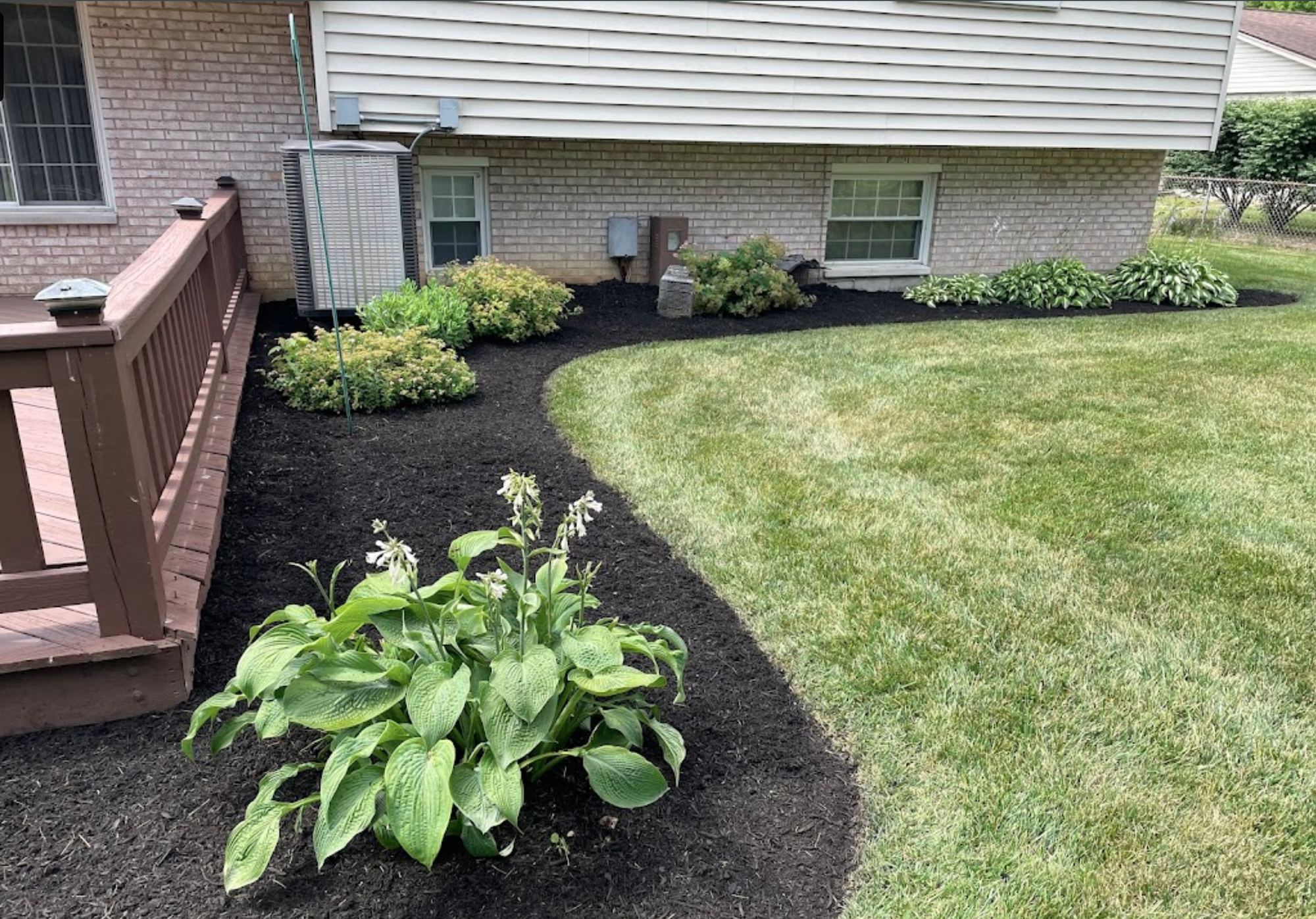
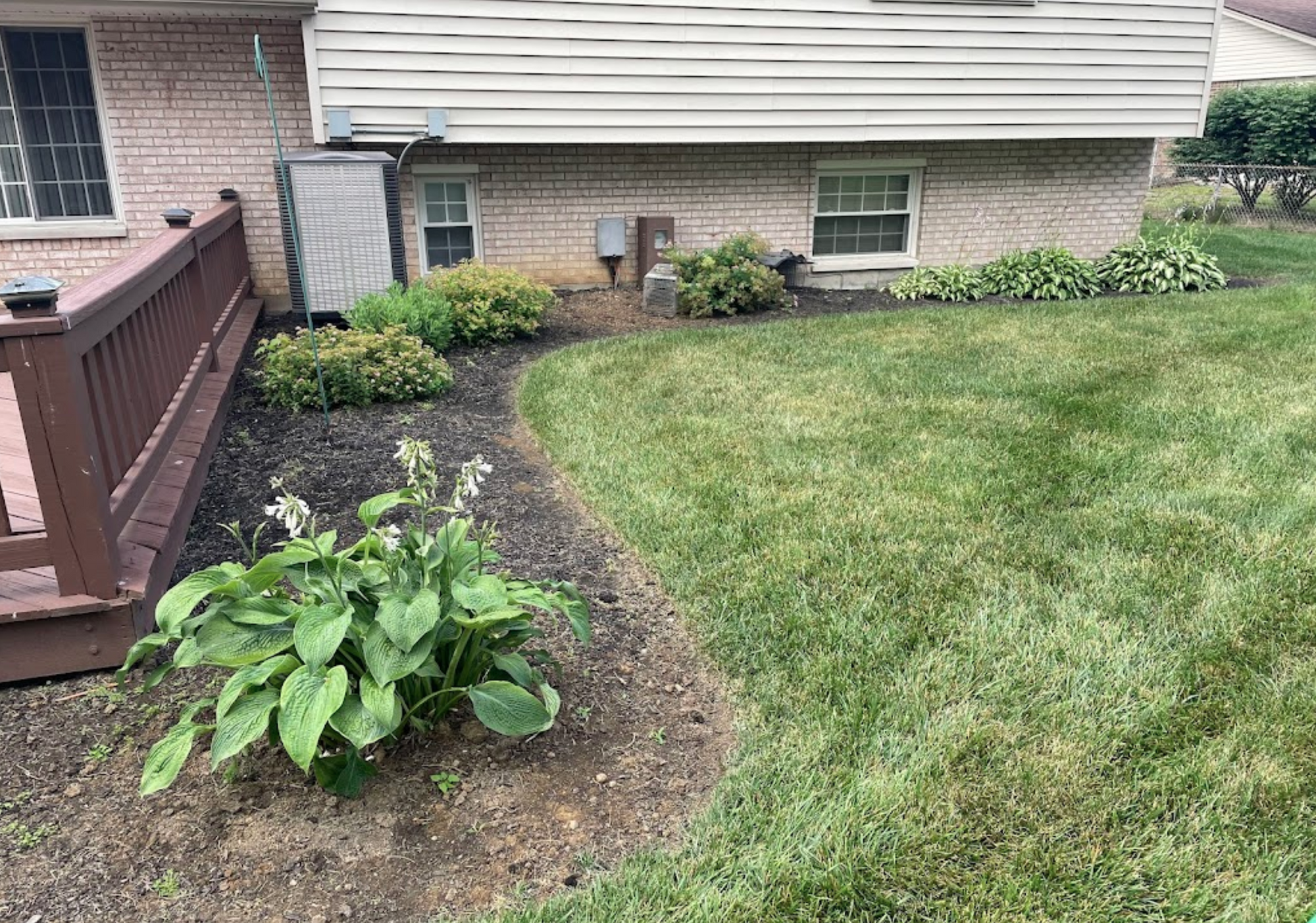
Easy to order, arrived when it was to arrive. Mulch was beautiful! Couldn’t be easier!
About this mulch
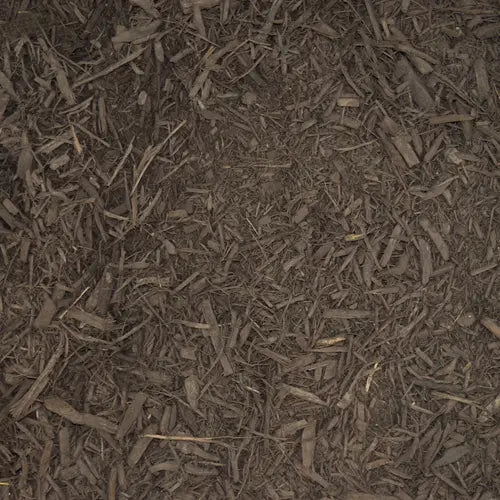
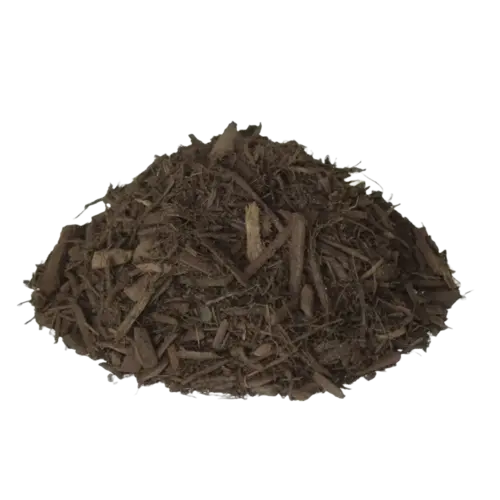
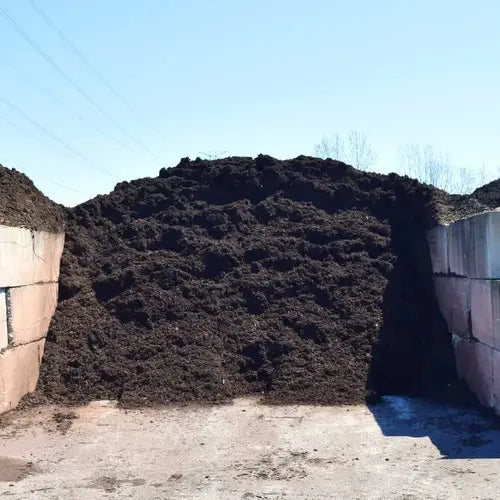
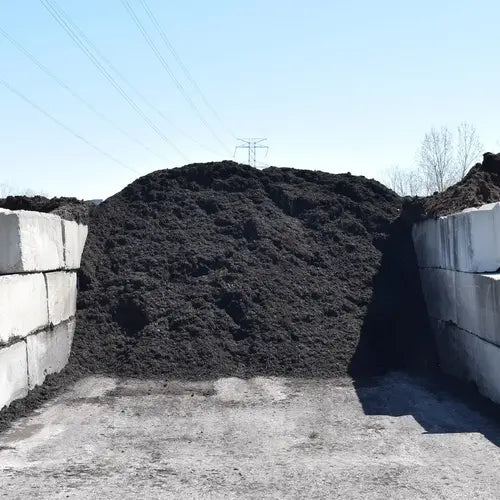
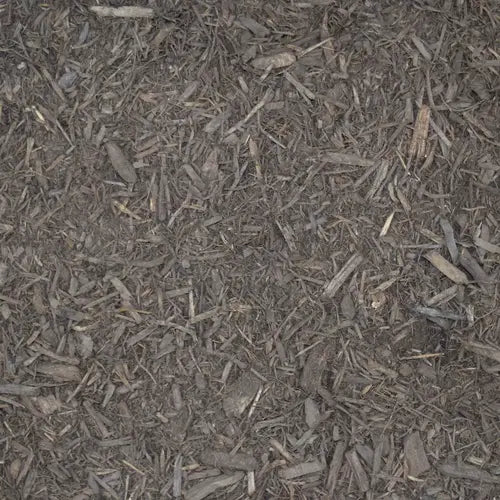
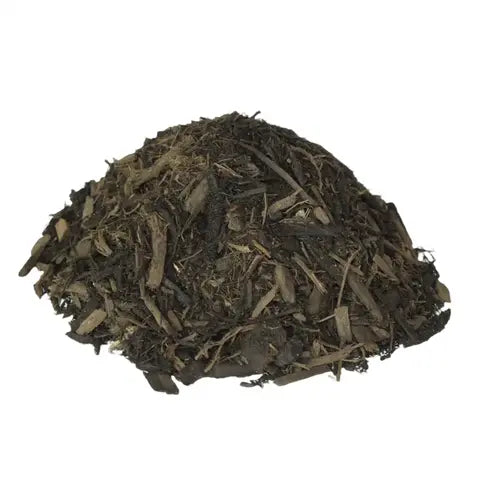
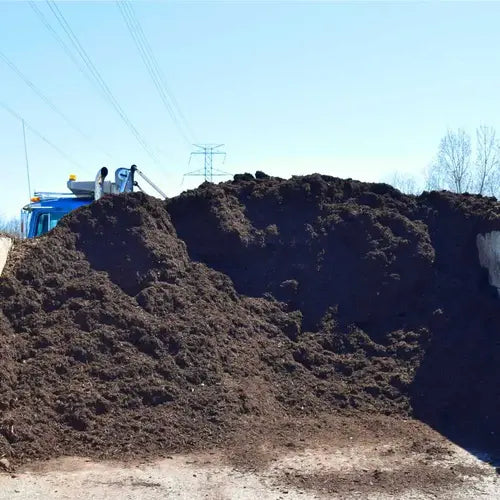
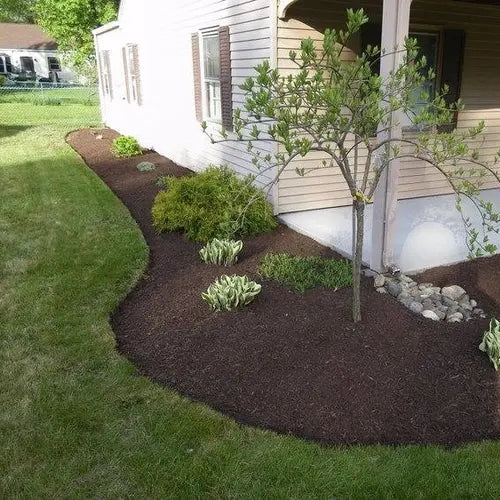
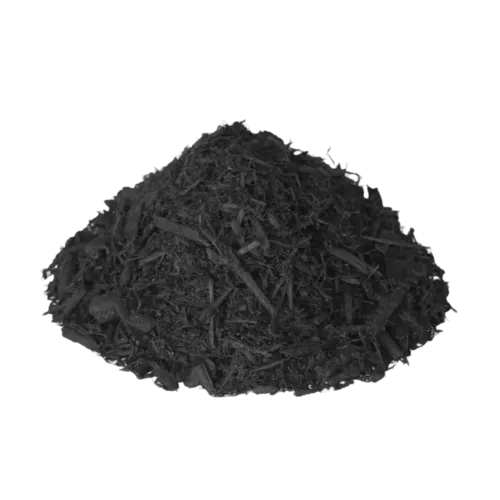
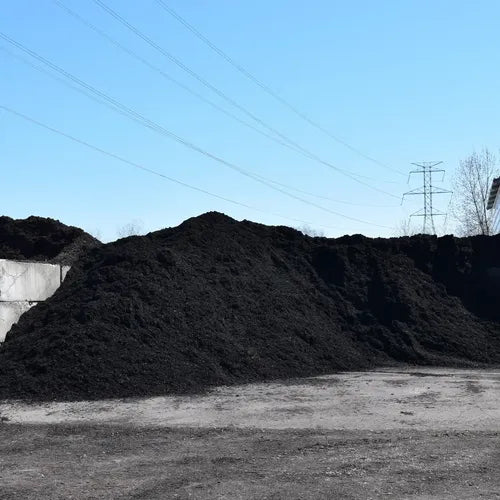
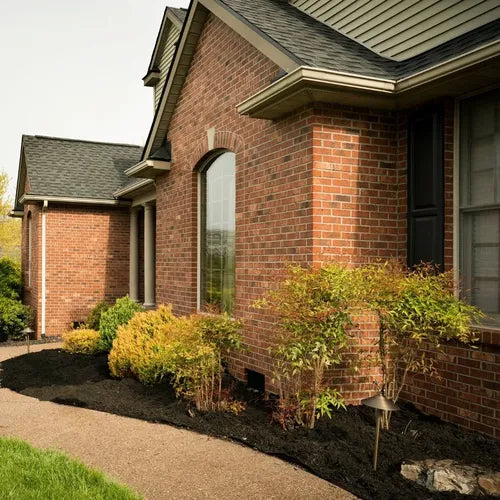
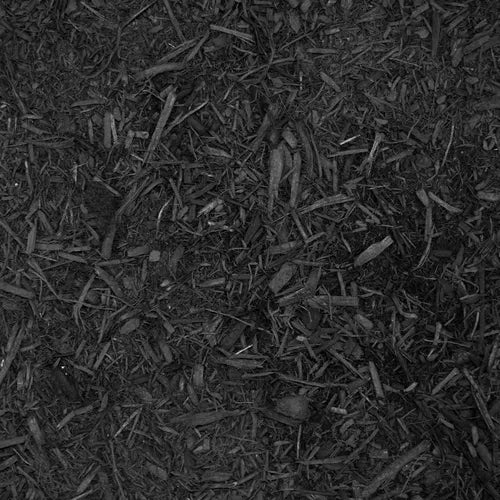
Warm brown double shredded mulch with lasting color that looks freshly applied for weeks. Spreads smooth, stays put, and gives beds a natural, polished appearance.
Easy to order, arrived when it was to arrive. Mulch was beautiful! Couldn’t be easier!
Tell us what you're looking for
Thanks! We received your request.
Something went wrong. Please try again.
How Much Material Do I Need?
How Much Material Do I Need?
For Greenwood's red clay soil, a three-inch application depth provides the insulation and weed suppression needed to make a meaningful difference through the long warm season. Applying less than two inches in Greenwood's climate leaves too much bare soil exposed to both summer heat radiation and the direct impact of heavy rain that hammers unprotected clay into a hard crust.
Use our free mulch calculator
What is a yard?
What is a yard?
FAQs
FAQs
Greenwood Mulch Delivery
Greenwood Mulch Delivery
Regular price
$74.00
per
yard
Regular price
Sale price
$74.00
Unit price
per
Shipping calculated at checkout.
Minimum of 3 yard
Couldn't load pickup availability
Hand-picked local yards
4,000+ regional deliveries
Dedicated support
Why order through Mulch Mound
The best local mulch, without the guesswork.
We hand-pick and partner with the best yards in your region, keep only the ones our buyers rate well, and back each load with our guarantee.
Mulch Mound Guarantee
If your mulch isn't the quantity or quality you ordered, we'll make it right.
About this mulch
Warm brown double shredded mulch with lasting color that looks freshly applied for weeks. Spreads smooth, stays put, and gives beds a natural, polished appearance.
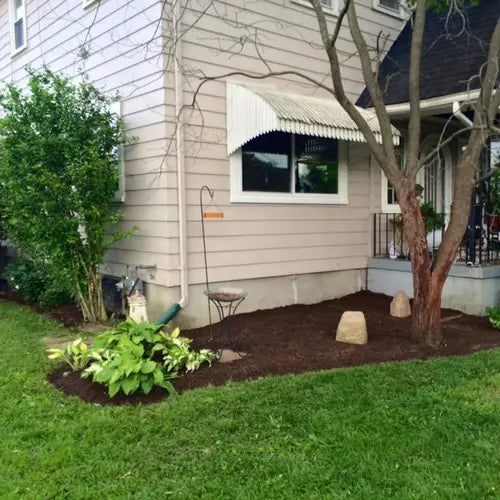
Easy to order, arrived when it was to arrive. Mulch was beautiful! Couldn’t be easier!
How Much Material Do I Need?
How Much Material Do I Need?
For Greenwood's red clay soil, a three-inch application depth provides the insulation and weed suppression needed to make a meaningful difference through the long warm season. Applying less than two inches in Greenwood's climate leaves too much bare soil exposed to both summer heat radiation and the direct impact of heavy rain that hammers unprotected clay into a hard crust.
Use our free mulch calculator
What is a yard?
What is a yard?
FAQs
FAQs
Tell us what you're looking for
Thanks! We received your request.
Something went wrong. Please try again.
How It Works
Getting started is easy — just follow these simple steps
1
Choose your Mulch
Make sure you adjust the quantity to your home's needs. You can use our calculator to estimate how much you'll need.
2
Select your delivery date
Select a delivery date you'd like for the product to be dropped off at your home
3
Sit back and wait
Sit back, wait, and let us work our magic to make sure the highest quality product is delivered to your driveway.

Great experience! Easy to order, they delivered promptly and were very respectful of the property! Ordered the triple shredded brown mulch and it w...
Read full review
Great experience! Easy to order, they delivered promptly and were very respectful of the property! Ordered the triple shredded brown mulch and it was EXACTLY what I wanted. Very clean product too, no garbage or filler. Already put these guys in my calendar to order from next year! Keep up the good work.

Website was easy to use. Mulch was delivered on time and exactly where specified. It makes our front yard look great just in time for spring!
Calculate mulch for your Greenwood project
For Greenwood's Red Clay type of soil, we recommend 2-3 inches for best weed suppression and moisture retention
Try Our CalculatorTo estimate mulch needs for your Greenwood beds, measure the length and width of each bed in feet and multiply them together to get square footage, then divide that number by 100 to get the approximate cubic yards needed for a three-inch application depth. Greenwood properties often feature curved bed edges and irregular shapes, so adding ten percent to your calculated total helps ensure you do not run short partway through the project. If any of your beds sit on a slope, plan for slightly more material on the downhill side where mulch naturally settles over time.

Best Mulch Choice for Greenwood Lawns
Most yards in the Greenwood area sit on Red Clay type of soil. Greenwood's red clay soil drains poorly and bakes hard in summer heat, creating a stressful environment for ornamental plant beds that depend on consistent moisture and at least some root-zone flexibility. A quality mulch layer over that clay surface helps moderate both moisture levels and soil temperature throughout the Zone 8a growing season.
Hardwood Mulch
Hardwood mulch is particularly well-suited to Greenwood's red clay conditions because the humic acids released during decomposition actively help break down clay particles over time, improving soil porosity and the ability of plant roots to spread and access nutrients. The fine texture of shredded hardwood also integrates physically with the clay surface layer, reducing the hard-crust formation that causes Greenwood's summer rain to run off rather than soak in.
Mulch Types We Deliver in Greenwood
Mulch Mound offers bulk mulch delivery in Greenwood, bringing fresh material by the cubic yard right to your property. We carry a focused selection of varieties that perform well in the warm climate and red clay soils common throughout this part of South Carolina.
Dyed Black Mulch
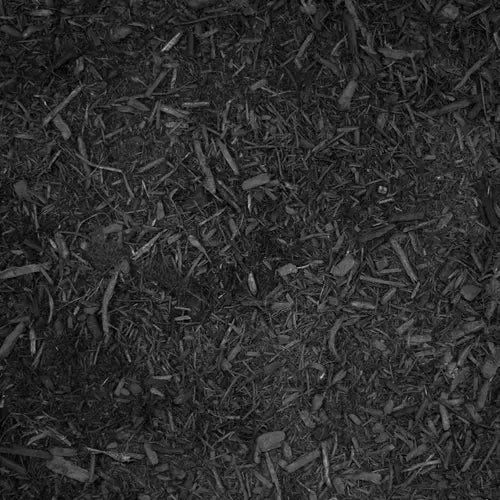
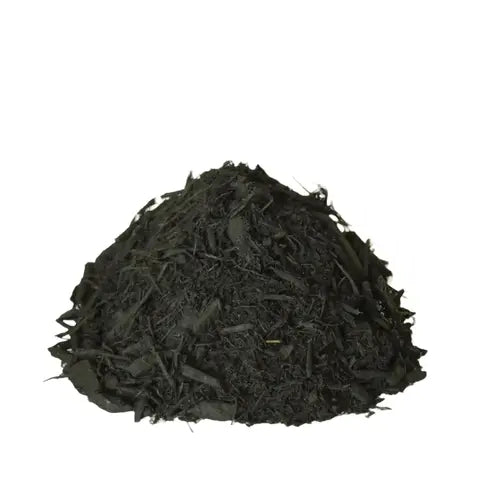
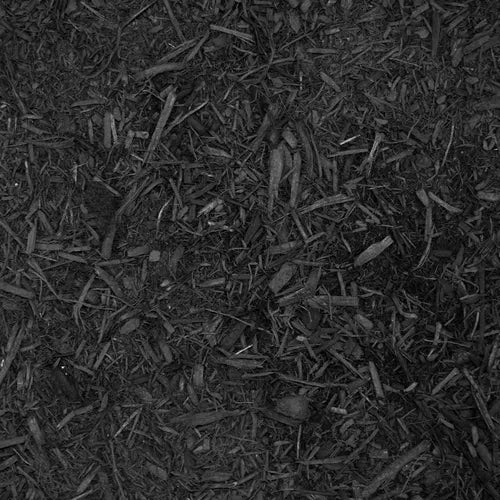
Dyed black double shredded mulch creates bold contrast in any bed, making green plants pop against a rich, dark background. The color holds well through South Carolina summers, and the smooth texture makes spreading easy across both small borders and larger landscape areas.
Dyed Brown Mulch
Dyed brown double shredded mulch delivers a warm, finished look that complements the brick and natural stone common in this part of South Carolina. The color stays fresh for weeks, and the texture spreads cleanly around beds, borders, and tree rings.
Natural Brown Mulch
Natural brown double shredded mulch offers an undyed, organic look that blends honestly with the earthy tones of South Carolina clay soil. It breaks down gradually to enrich soil structure, making it a solid choice for garden beds where long-term soil health matters.
Cedar Mulch
Double shredded cedar mulch is well suited to South Carolina gardens where warm, humid conditions encourage insects and surface mold. Natural cedar oils repel common pests and resist decay, keeping beds fresher longer. The pleasant aroma after delivery is a bonus many homeowners appreciate.
Complete Your Outdoor Mulch Project
If your Greenwood beds need a drainage improvement before mulching, pairing your mulch order with a bulk amended topsoil delivery can help you correct problem clay areas before covering them. Adding a stone border or edging stones around bed perimeters gives a finished look and does double duty by containing mulch during the heavy downpours that are a regular feature of Greenwood's spring and summer weather.


Mulch Mound Pro Tip
Greenwood's red clay soil forms a hard surface crust that can actually repel water rather than absorbing it when left bare between rain events. Before spreading your spring mulch application, take a few minutes to loosen the top two inches of soil in your beds with a garden fork. This simple step helps the mulch layer bond with the soil surface and allows rainfall to penetrate rather than sheet off the top of your beds, keeping plant roots genuinely hydrated through the warm growing season.
Mulch Mound Pro Tip
Timing your mulch application to align with Greenwood's frost calendar pays real dividends. Apply your primary layer right after March 28 when hard freeze risk has passed, but keep mulch pulled back two to three inches from the base of every shrub and tree in your yard. Crown rot is a genuine concern in Greenwood's humid spring environment, and that small gap between mulch and plant stems allows the soil surface around the crown to dry out enough between rain events to prevent fungal problems from taking hold.
Mulch Mound Pro Tip
With 45 inches of rain falling across Greenwood each year, mulch displacement on sloped beds is a recurring frustration for many homeowners. Shredded hardwood mulch is far more resistant to washing than bark nuggets because the irregular shredded fibers interlock as the layer settles, creating a surface that behaves more like a mat than loose individual pieces. Pairing shredded hardwood with a clean metal or plastic landscape edging around bed perimeters gives your beds the best possible chance of holding their depth and appearance through Greenwood's heaviest summer thunderstorms.
The Unique Landscape of Greenwood
Greenwood's heavy red clay soil compacts quickly and sheds water rather than absorbing it during the area's frequent summer storms, making a proper mulch layer one of the most effective tools available to local homeowners. With Zone 8a summers capable of pushing ground temperatures to stressful levels for shallow-rooted plants, a consistent layer of mulch insulates beds and keeps soil temperatures moderate through July and August. Greenwood receives roughly 45 inches of rain each year, and without mulch covering bed surfaces, that rainfall erodes bare soil along bed edges and around tree roots at a remarkable rate. The growing season here stretches from the last frost around March 28 all the way to the first frost near October 31, giving weed seeds an exceptionally long window to germinate in uncovered beds. Keeping beds mulched at three inches depth is one of the most cost-effective ways to reduce both irrigation demands and weeding time across Greenwood's long warm season.