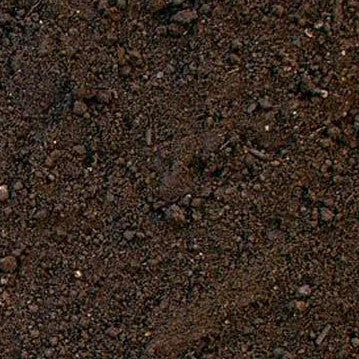
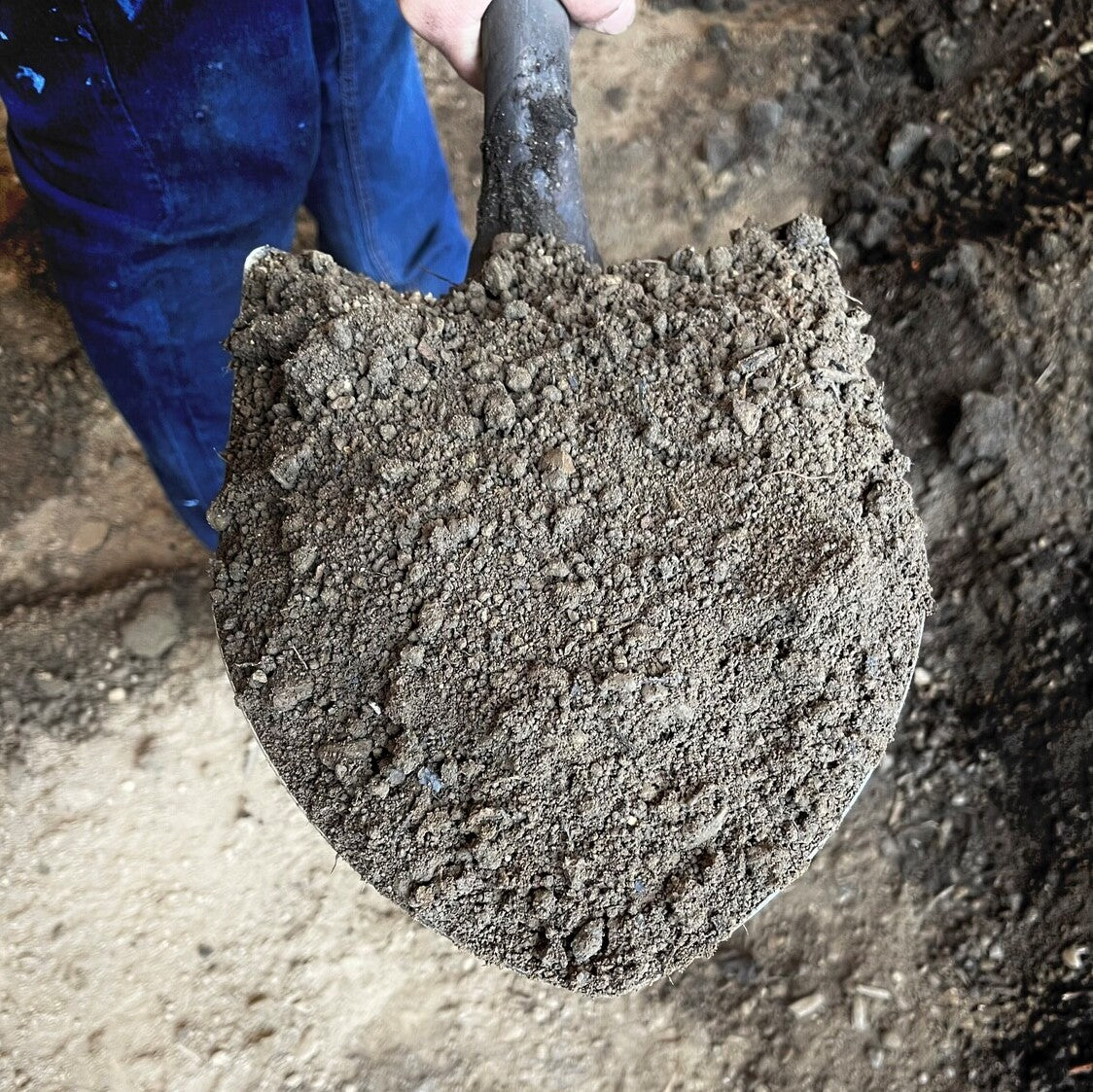
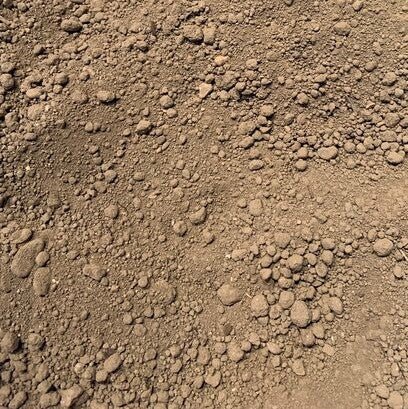
Quality topsoil for lawns, gardens, and landscape projects. Nutrient rich and ready to support strong root development and healthy plant establishment.
We got 3 yards of the gardening top soil. It was great quality, not many chunks and seems good for growing, just waiting for all my plants to love it.
We had more than enough soil to fill a raised bed we made and landscaped around a patio. I do wish we could do less tha...
Tell us what you're looking for
Thanks! We received your request.
Something went wrong. Please try again.
How Much Material Do I Need?
For general bed preparation over Greenwood's red clay, plan on four to six inches of topsoil or garden mix to give plant roots a productive zone before hitting the harder native clay below. For lawn leveling applications, spread new soil in lifts no deeper than one inch at a time to allow existing grass to grow through and recover between applications.
Use our free soil calculator
What is a yard?
A yard is approximately 27 cubic feet. As a general guideline, one yard of material can cover an area of about 100-160 square feet at a 2-3 inch depth.
We can't take orders for this right now. Tell us what you need and we'll get back to you.
What do you need?
Thanks! We received your request.
Something went wrong. Please try again.
Hand-picked local yards
4,000+ regional deliveries
Dedicated support
Why order through Mulch Mound
The best local soil, without the guesswork.
We hand-pick and partner with the best yards in your region, keep only the ones our buyers rate well, and back each load with our guarantee.
Mulch Mound Guarantee
If your soil isn't the quantity or quality you ordered, we'll make it right.
About this soil
Quality topsoil for lawns, gardens, and landscape projects. Nutrient rich and ready to support strong root development and healthy plant establishment.
We got 3 yards of the gardening top soil. It was great quality, not many chunks and seems good for growing, just waiting for all my plants to love it.
We had more than enough soil to fill a raised bed we made and landscaped around a patio. I do wish we could do less tha...
How Much Material Do I Need?
For general bed preparation over Greenwood's red clay, plan on four to six inches of topsoil or garden mix to give plant roots a productive zone before hitting the harder native clay below. For lawn leveling applications, spread new soil in lifts no deeper than one inch at a time to allow existing grass to grow through and recover between applications.
Use our free soil calculator
What is a yard?
A yard is approximately 27 cubic feet. As a general guideline, one yard of material can cover an area of about 100-160 square feet at a 2-3 inch depth.
We got 3 yards of the gardening top soil. It was great quality, not many chunks and seems good for growing, just waiting for all my plants to love ...
Read full review
We got 3 yards of the gardening top soil. It was great quality, not many chunks and seems good for growing, just waiting for all my plants to love it.
We had more than enough soil to fill a raised bed we made and landscaped around a patio. I do wish we could do less than 3 yds delivered but I understand the limitations.
My only concern was we requested it on the top left of our driveway since we had mulch on the other side, they ended up pouring it on top of the mulch (it was covered with a tarp so not ruined) making it difficult to complete our landscaping in a timely fashion.
To estimate how much soil you need, measure the length and width of your project area in feet, decide on the target depth in inches, convert that depth to a fraction of a foot by dividing by 12, and then multiply all three numbers together to get cubic feet. Divide cubic feet by 27 to arrive at the cubic yards you need to order. On Greenwood properties where grading involves irregular slopes and multiple depressions of varying depth, breaking the yard into smaller zones, calculating each separately, and then totaling them gives you a much more accurate estimate than averaging a single depth across the whole area.
Soil Types We Deliver in Greenwood
Greenwood homeowners and landscapers rely on bulk soil delivery to build up planting beds, level yards, and give new lawns a healthy foundation. Whether you are starting a garden from scratch or topping off an existing landscape, ordering bulk topsoil by the yard in Greenwood is one of the most practical ways to get the volume you need without multiple trips to a store. We deliver directly to your driveway or job site, so the project stays on schedule.
Screened Top Soil
Our screened top soil is put through a fine mesh to remove rocks, roots, and clumps, leaving a smooth and workable blend that spreads evenly across beds and lawns. In the Piedmont region of South Carolina, where native clay can be dense and poorly draining, this nutrient-rich top soil helps loosen the ground and supports strong root development for grass, vegetables, and ornamental plantings.
Complete Your Outdoor Soil Project
After grading or filling with topsoil, covering Greenwood beds with a layer of shredded hardwood mulch locks in soil moisture and protects your investment through the hot growing season. Adding landscape stone borders around new beds gives a clean finished edge that holds soil in place during the heavy rainfall that Greenwood receives regularly from spring through early fall.
Can I just spread topsoil on top of my Greenwood red clay lawn to level it out?
Adding topsoil directly on top of Greenwood's red clay can work for correcting minor low spots, but success depends on applying it in thin lifts of no more than half an inch at a time so existing grass can grow up through the new material without being smothered. For more significant grading projects common around Greenwood homes, using a tiller or garden fork to scarify the top two to three inches of native clay before spreading topsoil greatly improves how the two layers integrate and allows roots and water to move between them more freely.
Answer
What kind of soil should I use for raised garden beds in Greenwood?
A blended garden mix that combines compost, topsoil, and a draining amendment like perlite or pine bark fines works far better than native red clay for raised beds in Greenwood. The Zone 8a summer heat means raised beds can dry out more quickly than in-ground plantings, so a mix with good moisture retention that does not waterlog roots during Greenwood's frequent spring rains is the target. A quality garden mix also provides a neutral pH starting point that you can adjust as needed, since Greenwood's native clay soils tend to run slightly acidic and may not match what specific vegetables or ornamentals prefer.
Answer
My Greenwood backyard has terrible drainage and stays wet for days after rain. Will adding soil fix that?
Soil alone fixes drainage only if the root cause is a grading problem that is directing water toward a low point in your yard. If your grade is sloping toward the house or you have a depression that collects runoff from Greenwood's heavy spring storms, grading with a quality fill soil to redirect water away from problem areas can make a major difference. If the drainage issue is deeper, related to the density of your clay subsoil, pairing a grading soil delivery with a French drain or stone drainage channel gives the most durable long-term solution for Greenwood properties.
Answer
How much topsoil do I need to prepare a new planting bed in Greenwood?
For a new in-ground planting bed in Greenwood, adding four to six inches of quality topsoil or garden mix over the native red clay creates a workable root zone that gives plants a strong start before their roots eventually encounter the harder clay below. Shrubs and perennials that will remain in the ground for years benefit most from the full six-inch depth, since Greenwood's clay does not loosen or improve quickly on its own. For seasonal annual flower beds that get turned each year, four inches of amended soil is generally sufficient to support a healthy growing season.
Answer
When is the best time to bring in topsoil for a new Greenwood lawn or bed project?
Spring is the most popular season for soil delivery projects in Greenwood, with the last frost around March 28 serving as the natural signal that ground work can begin in earnest. Working new soil in early spring gives beds time to settle and amendments time to begin integrating before Greenwood's summer heat arrives and slows soil activity. Fall is an excellent second option, particularly for lawn grading work, because Greenwood's mild October weather creates ideal conditions for fescue and other cool-season grasses to establish before the first frost arrives around October 31.
Answer
Is Greenwood's soil naturally acidic, and does that affect which topsoil I should bring in?
Yes, Greenwood's red clay soils typically run acidic, with pH readings commonly falling between 5.5 and 6.5. When you bring in new topsoil, conducting a simple soil test to compare the pH of your new material with your native soil and the needs of your specific plants is a worthwhile step. Many of the most popular Greenwood landscape plants, including azaleas, gardenias, and blueberries, actually thrive in that slightly acidic range without any correction. For vegetable gardens where a pH closer to 6.5 is ideal, a light lime application to newly placed soil may be needed if your test result comes back on the low end.
Answer
Can I use bulk topsoil to fill in the holes and ruts left behind after tree removal in my Greenwood yard?
Yes, and filling post-removal voids is one of the most frequent reasons Greenwood homeowners order bulk topsoil. Stump grinding and tree extraction often leave significant depressions that collect standing water after Greenwood's heavy spring rains and become safety hazards in the lawn. Filling those voids with compactable topsoil in layers, tamping each lift before adding the next, creates a stable base that resists future settling. Once the area is filled and graded to match the surrounding lawn, a thin top-dressing of amended garden mix followed by seed or sod restores the turf effectively.
Mulch Mound Pro Tip
Greenwood's red clay creates a soil stratification problem when new topsoil is placed on top without preparation. Water moves quickly through loose topsoil but stalls at the dense clay layer beneath, pooling in the root zone and effectively drowning plants from below even when the soil surface appears dry. Before spreading any bulk soil, use a tiller or garden fork to scarify the top three inches of clay so the two layers can begin to integrate and allow water to pass through more naturally during Greenwood's frequent rain events.
Mulch Mound Pro Tip
If you are building raised beds in Greenwood, consider placing a two-inch layer of coarse gravel or crushed stone at the base before adding your garden mix. Greenwood's wet springs mean raised beds without drainage provisions can stay saturated for several days after heavy rain, leading to root rot in even drought-tolerant vegetables. A gravel base layer creates a reservoir zone that moves excess water away from plant roots while still allowing the soil above it to retain adequate moisture during the drier stretches of the Greenwood summer.
Mulch Mound Pro Tip
For lawn leveling projects in Greenwood, timing your soil delivery around the local weather calendar can make the difference between a smooth finished grade and a muddy mess. Avoid spreading topsoil during Greenwood's wettest months, typically March through May, when saturated red clay makes it hard to achieve a consistent grade and heavy rain events can erode freshly spread material before it has a chance to settle. Scheduling grading work in late summer or early fall gives you drier working conditions and allows newly seeded areas to establish before the first frost arrives around October 31.
The Unique Landscape of Greenwood
Greenwood's native red clay soil creates persistent challenges for anyone trying to establish a productive garden bed, level a lawn, or build a functional raised planting area in their yard. Red clay compacts under foot traffic and heavy rainfall, severely limiting drainage and making it difficult for roots to penetrate beyond the first few inches of ground. With Greenwood's growing season running from late March through October 31, poor soil structure actively limits plant performance across the entire long warm season. Bringing in quality topsoil or blended garden mix gives Greenwood homeowners the ability to create productive growing environments that work with the local climate rather than fighting the native ground conditions at every turn. The area's 636-foot elevation and Zone 8a temperatures mean Greenwood gardens can support a wide and diverse range of plants when given the right soil foundation to start from.