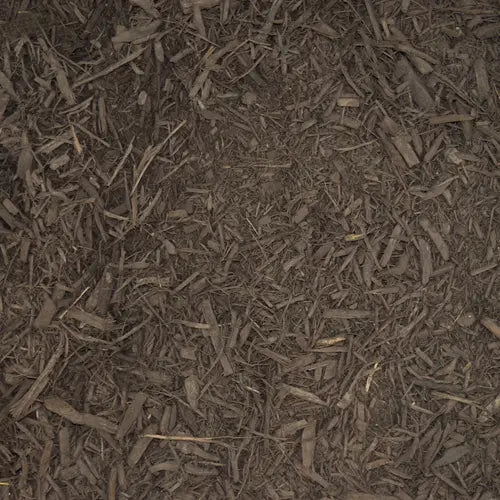
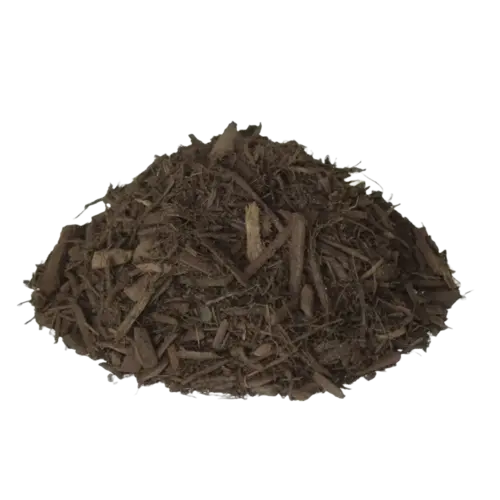
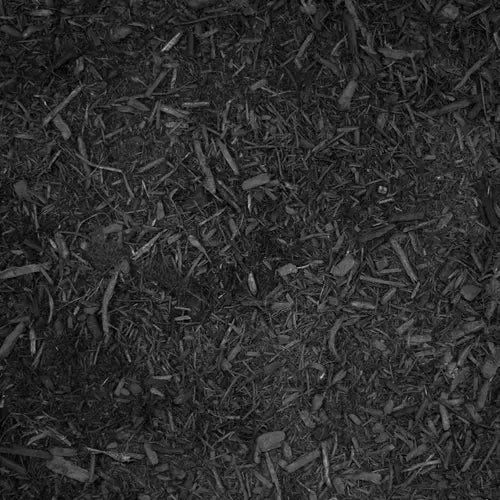
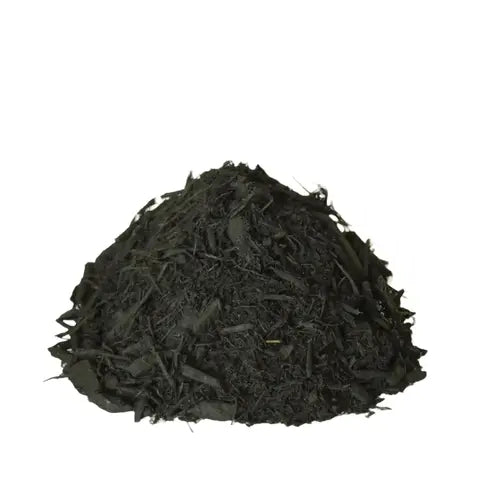
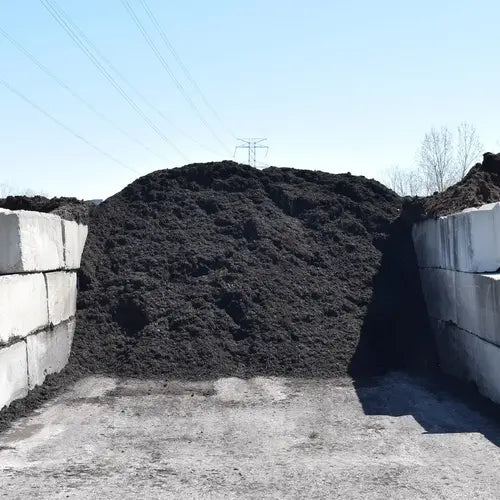
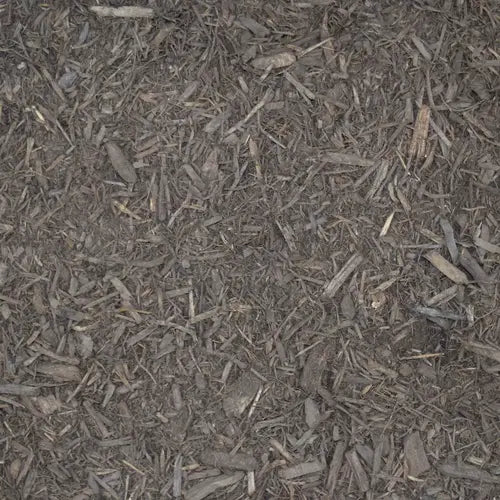
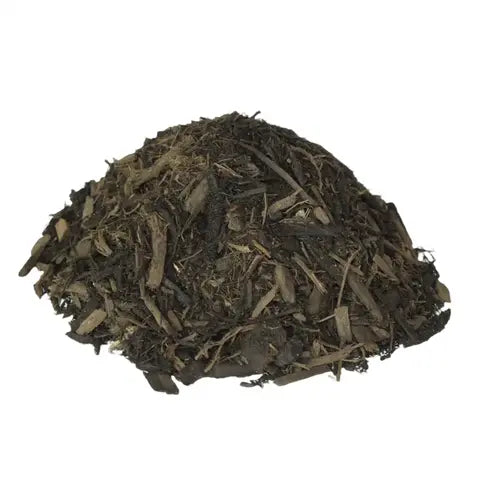
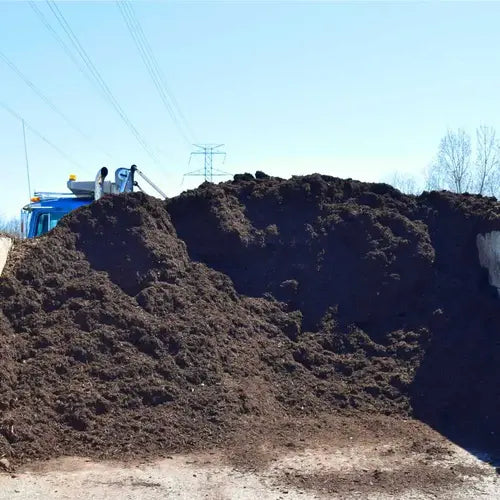
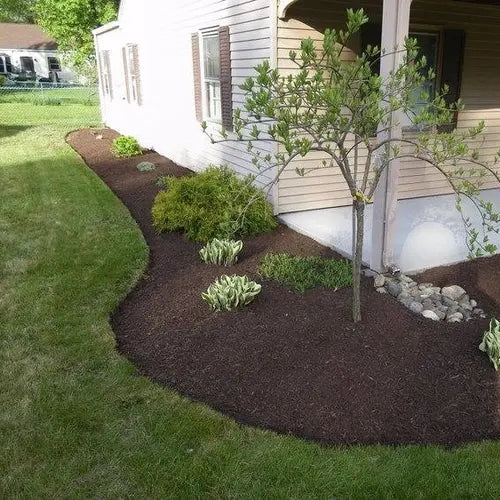
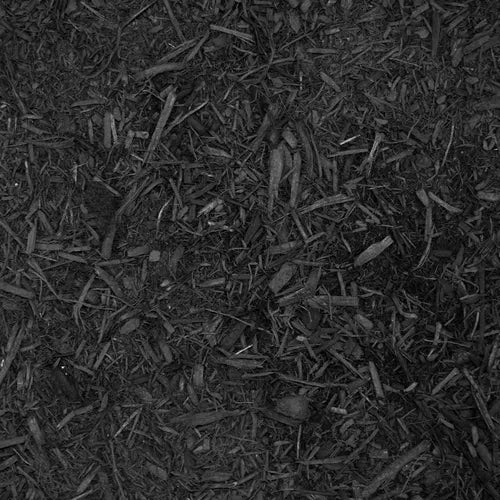
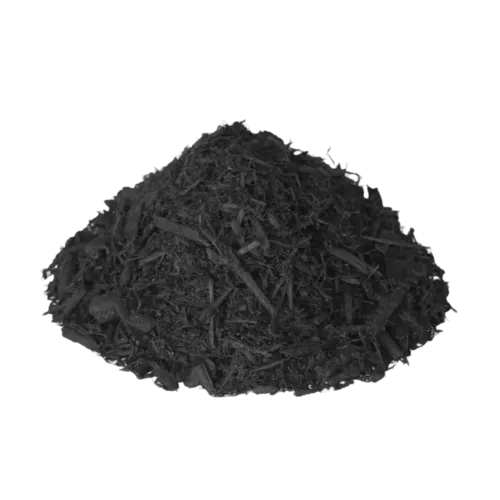
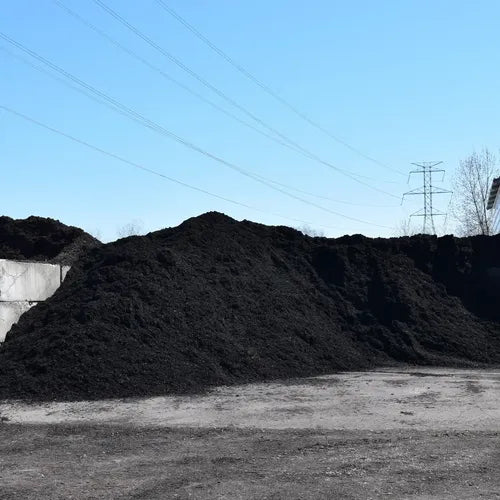
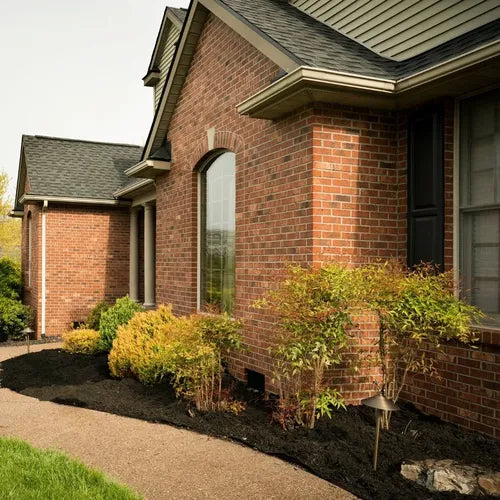
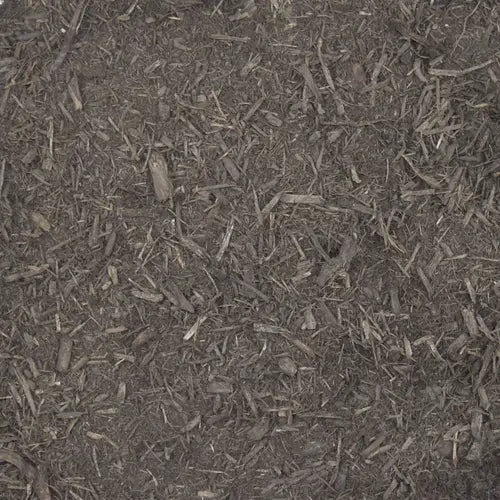
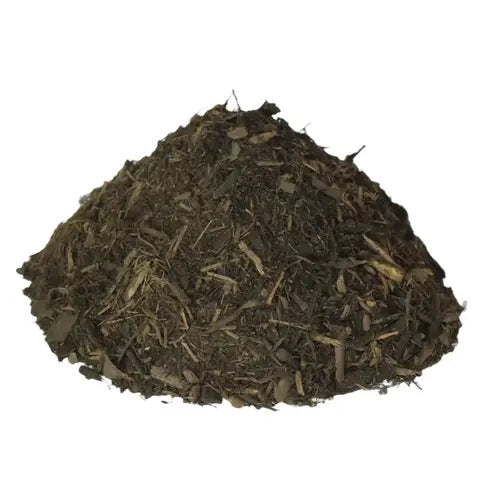
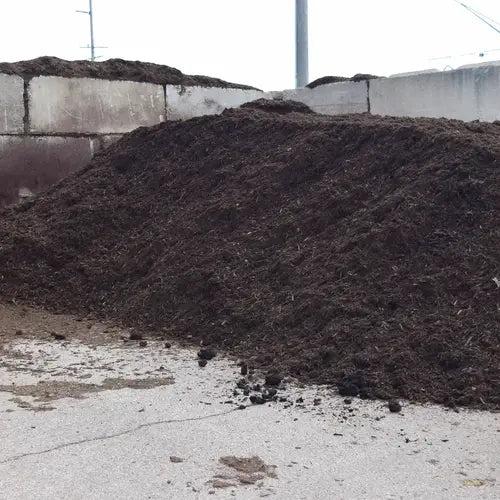
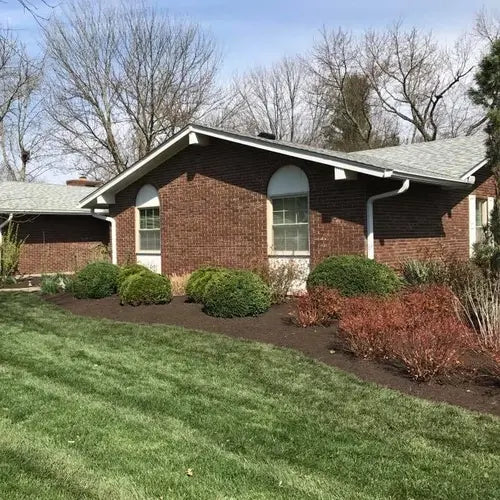
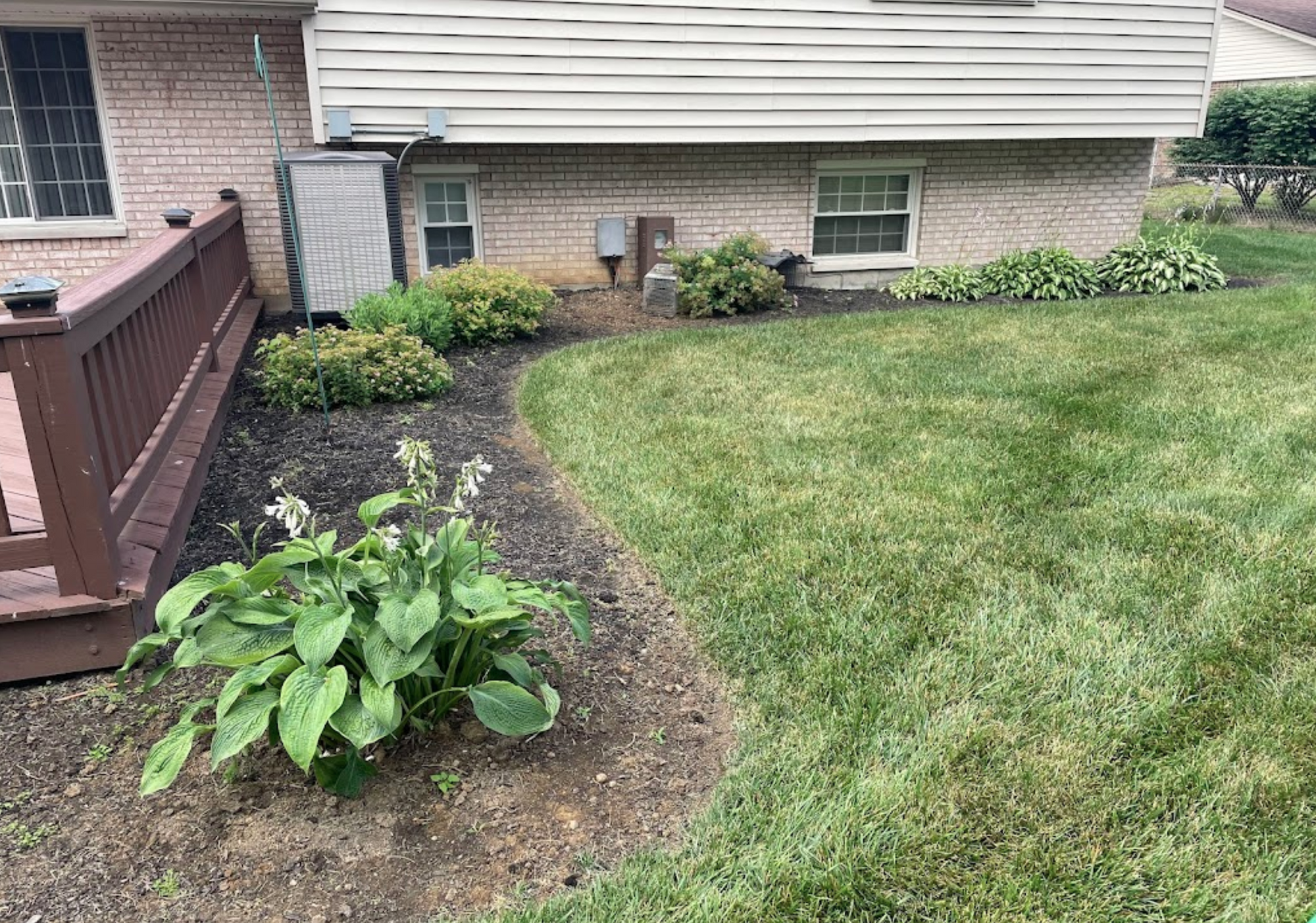
Warm brown double shredded mulch with lasting color that looks freshly applied for weeks. Spreads smooth, stays put, and gives beds a natural, polished appearance.
Mulch Mound made it so easy! So happy with the pricing, turn around time, delivery and product. I submitted my online order on a Thursday. The mulch was delivered to the designated location by a local landscape company at 8:30 a.m. the following Saturday morning. We had the...
Tell us what you're looking for
Thanks! We received your request.
Something went wrong. Please try again.
How Much Material Do I Need?
In Greer, a 3-inch depth is recommended for most beds to manage weed growth and buffer the red clay's tendency to dry out and crack during dry spells between rain events. Beds around large trees may benefit from a slightly thinner layer of around 2 inches to allow Greer's rainfall to reach the root zone more freely.
Use our free mulch calculator
What is a yard?
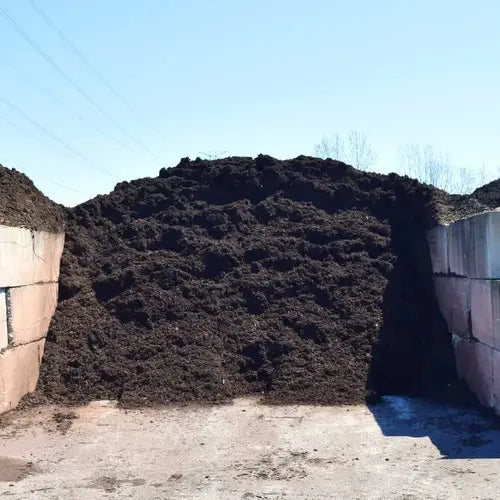
A yard is approximately 27 cubic feet. As a general guideline, one yard of material can cover an area of about 100-160 square feet at a 2-3 inch depth.
We can't take orders for this right now. Tell us what you need and we'll get back to you.
What do you need?
Thanks! We received your request.
Something went wrong. Please try again.
Hand-picked local yards
4,000+ regional deliveries
Dedicated support
Why order through Mulch Mound
The best local mulch, without the guesswork.
We hand-pick and partner with the best yards in your region, keep only the ones our buyers rate well, and back each load with our guarantee.
Mulch Mound Guarantee
If your mulch isn't the quantity or quality you ordered, we'll make it right.
About this mulch
Warm brown double shredded mulch with lasting color that looks freshly applied for weeks. Spreads smooth, stays put, and gives beds a natural, polished appearance.
Mulch Mound made it so easy! So happy with the pricing, turn around time, delivery and product. I submitted my online order on a Thursday. The mulch was delivered to the designated location by a local landscape company at 8:30 a.m. the following Saturday morning. We had the...
How Much Material Do I Need?
In Greer, a 3-inch depth is recommended for most beds to manage weed growth and buffer the red clay's tendency to dry out and crack during dry spells between rain events. Beds around large trees may benefit from a slightly thinner layer of around 2 inches to allow Greer's rainfall to reach the root zone more freely.
Use our free mulch calculator
What is a yard?
A yard is approximately 27 cubic feet. As a general guideline, one yard of material can cover an area of about 100-160 square feet at a 2-3 inch depth.
Mulch Mound made it so easy! So happy with the pricing, turn around time, delivery and product. I submitted my online order on a Thursday. The mu...
Read full review
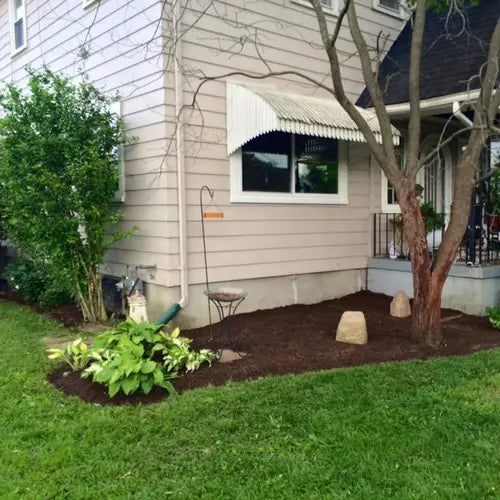
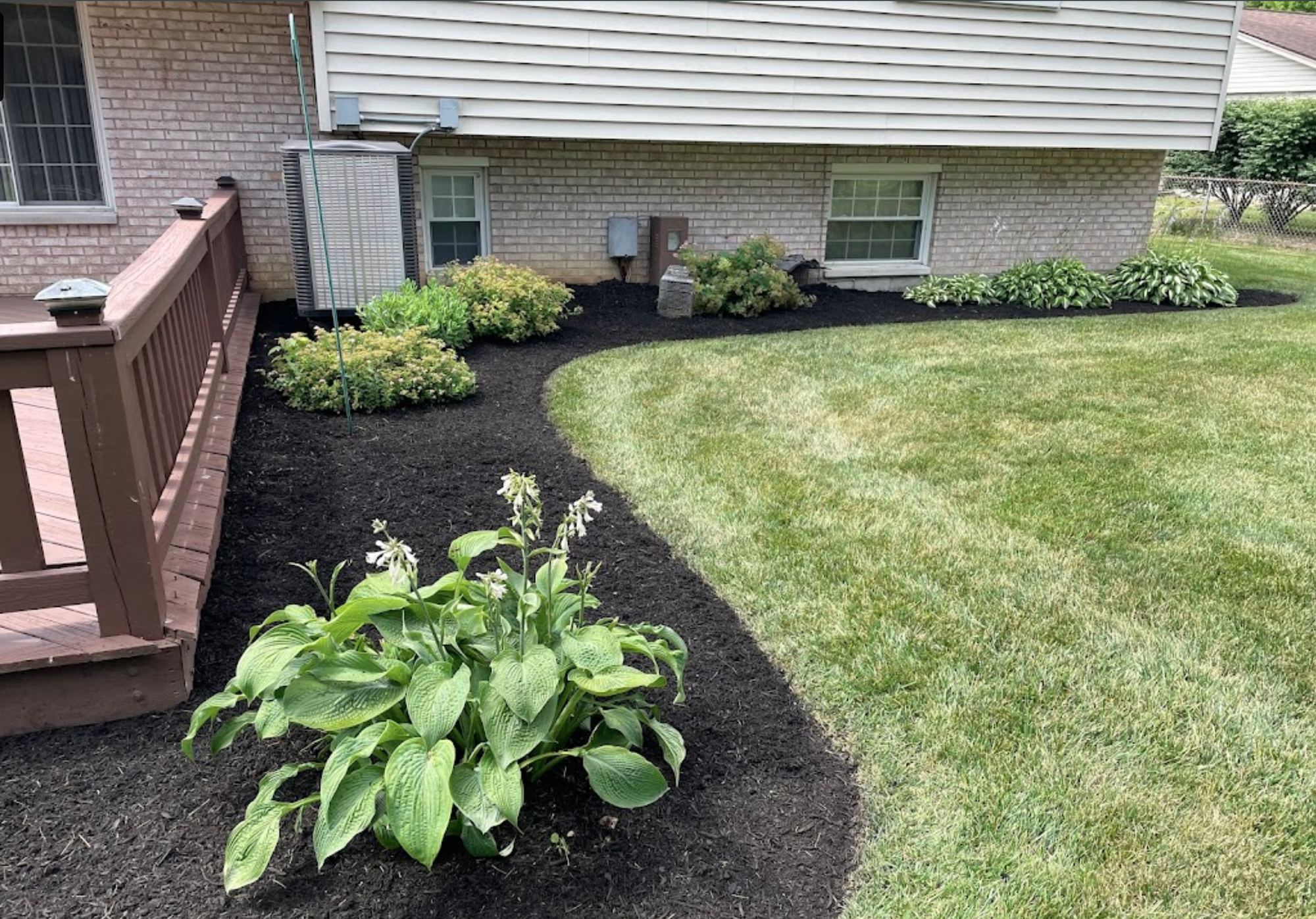
Mulch Mound made it so easy! So happy with the pricing, turn around time, delivery and product. I submitted my online order on a Thursday. The mulch was delivered to the designated location by a local landscape company at 8:30 a.m. the following Saturday morning. We had the job completed by that afternoon. We chose the natural brown mulch, and the plant beds are beautiful.
Good quality, great price, fast delivery. All online - no submitting forms and waiting for days for quotes. Getting mulch should be this easy fr...
Read full review
Good quality, great price, fast delivery. All online - no submitting forms and waiting for days for quotes. Getting mulch should be this easy from everyone. Only Mulch Mound is ACTUALLY this simple.
I highly recommend Mulch Mound. The quality of the mulch is very good. The ordering system on their website makes it very easy. The delivery driver...
Read full review
I highly recommend Mulch Mound. The quality of the mulch is very good. The ordering system on their website makes it very easy. The delivery driver did a great job placing the mulch on the driveway. To finish off, the pricing was very reasonable as well.
To estimate your mulch needs in Greer, measure the square footage of each bed and plan for a 3-inch application depth to handle both weed pressure and the moisture swings common in our area. Greer's red clay properties tend to have irregular bed shapes around established trees and shrubs, so measure each section separately and add them together for a more accurate total. A cubic yard of mulch covers roughly 100 square feet at 3 inches deep.
Mulch vs. No Mulch: The Difference
Greer's Zone 8a summers bring enough heat and humidity to break down natural hardwood mulch noticeably faster than in cooler climates, which means you get more organic benefit for your red clay soil but may need a refresh sooner than you expect. Dyed mulches use colorfast pigments that hold up better through the long growing season, keeping beds looking sharp from the March planting push all the way through fall cleanup. The right choice for a Greer property depends on whether you prioritize long-term soil improvement or visual consistency across the full eight-month growing season.
Before
After
Best Mulch Choice for Greer Lawns
Most yards in the Greer area sit on Red Clay type of soil. Greer's red clay soil is dense, low in organic matter, and struggles to support healthy root development without amendment over time. Plant beds sitting directly in native clay benefit most from a natural mulch that breaks down and slowly introduces the organic content the soil lacks.
Hardwood Mulch
Hardwood mulch is particularly valuable over Greer's red clay because its steady decomposition rate adds lignin and organic acids that help break apart clay particles over several seasons. Beds that receive consistent hardwood mulch applications develop a noticeably looser and more workable topsoil layer that makes planting and routine maintenance far easier than working raw clay alone.
Mulch Types We Deliver in Greer
When you search for bulk mulch delivery in Greer, Mulch Mound makes it easy to order by the cubic yard and get exactly what your beds need. South Carolina's warm, humid climate and clay-heavy soils make mulching essential for moisture retention, weed suppression, and root protection through the long growing season.
Dyed Black Mulch
Bold, rich black color that instantly sharpens the look of landscape beds around Greer homes. Available in double shredded style, it spreads easily and holds its color well through the region's rainy summers and intense sun, giving beds a clean, defined appearance for weeks.
Dyed Brown Mulch
Warm brown double shredded mulch that complements the earthy tones common in Greer's residential landscapes. The color holds for weeks through South Carolina's summer heat, giving beds a freshly tended look without fading. A solid choice for homeowners who want a natural, polished finish season after season.
Natural Brown Mulch
An undyed option available in double shredded and triple shredded styles, suited to Greer yards where a simple, honest look fits best. The triple shredded cut knits tightly for extra weed suppression, while double shredded provides reliable coverage at a practical price for larger projects.
Cedar Mulch
Double shredded cedar carrying natural oils that deter insects and resist decay, a real advantage in Greer's warm, humid climate. The fresh aroma adds a clean scent to beds, and the slower breakdown rate means less frequent reapplication for low maintenance landscapes across the region.
Complete Your Outdoor Mulch Project
If your Greer beds need more than just a topdress, consider pairing your mulch order with a bulk topsoil delivery to rebuild depleted bed areas before spreading. Adding stone edging or gravel borders also helps define beds cleanly and prevents mulch from washing into your lawn during Greer's heavier rain events.
Greer's red clay soil tends to form a hard crust between rain events, which makes it difficult for mulch to bond well with the surface below. Before spreading, use a hand rake or cultivator to scratch the top inch of soil in your beds. This gives the decomposing mulch a better surface to work into and speeds up the organic matter improvement your clay soil needs over multiple seasons of consistent applications.
Mulch Mound Pro Tip
Zone 8a in Greer gives plants a long growing window from late March through early November, but that same long season means weeds have extra time to push through thin mulch layers. After the last frost, check bed depth and top off any areas sitting below 2 inches before summer heat arrives. Consistent depth maintenance is far easier than pulling a full crop of established summer weeds from beds that were left too thin.
Mulch Mound Pro Tip
Greer's 51 inches of annual rainfall is a blessing for plant growth but can become a problem when mulch is applied too loosely on sloped beds. On any grade greater than a gentle incline, choose a coarser hardwood mulch that knits together better when wet and resists washing into driveways and storm drains. Light, fine mulch on slopes tends to migrate significantly after Greer's heavier spring and fall rain events, requiring frequent and frustrating cleanup.
Frequently Asked Questions
Click a question to see the answer
Answer
How thick should I apply mulch in Greer given how much rain we get each year?
With Greer averaging around 51 inches of rain annually, a 3-inch layer of mulch strikes the right balance. It is deep enough to suppress weeds and hold soil moisture during dry stretches between storms, but not so thick that it traps excess moisture against plant stems and encourages rot during our wetter months.
Answer
Will mulch actually help with the red clay soil in my Greer yard?
Absolutely. Greer's red clay is notorious for compacting and shedding water during heavy downpours rather than absorbing it. As natural hardwood mulch breaks down over time, it adds organic matter that gradually loosens the clay layer and improves its ability to hold nutrients and drain more evenly.
Answer
When is the best time of year to mulch flower beds in Greer?
The most effective timing is early spring, right after our last average frost around March 25. Applying mulch at that point helps the soil warm evenly for new planting while blocking the first flush of spring weeds. A light refresh in early fall before the November 4 first frost also helps insulate root systems heading into winter.
Answer
Does Greer's elevation affect how fast mulch breaks down compared to other parts of South Carolina?
Greer sits at around 1,016 feet, which means temperatures run slightly cooler than the Upstate lowlands, especially overnight. That modest elevation can slow decomposition a bit compared to hotter parts of the Carolinas, so your mulch may hold its structure slightly longer here than in warmer zones closer to the coast.
Answer
Should I use natural or dyed mulch for my Greer flower beds?
Both work well in Greer, but the choice depends on your priorities. Natural hardwood mulch decomposes and feeds the organic matter that Greer's red clay desperately needs over time. Dyed mulches hold their color through the long growing season from March through November, which matters if curb appeal is a top concern through the full season.
Answer
How often do I need to reapply mulch in Greer's climate?
In Greer's Zone 8a climate, most homeowners get a solid season of coverage from one application and do a refresh every 12 to 18 months. The combination of heat, humidity, and heavy rainfall accelerates decomposition compared to cooler climates, so checking bed depth each spring after the last frost is a good annual habit.
Answer
Can too much mulch cause problems in Greer given how wet our springs can be?
Yes, piling mulch more than 4 inches deep, especially against plant stems, can create soggy conditions that promote fungal issues during Greer's wetter periods. Always leave a gap between the mulch layer and any trunk or stem, and avoid the volcano mulching style that holds moisture directly against bark through the rainy season.
The Unique Landscape of Greer
Greer's red clay soil creates a unique challenge for homeowners trying to maintain healthy plant beds. The clay compacts tightly during dry spells and becomes waterlogged after heavy rains that push annual totals past 51 inches, leaving roots struggling for oxygen and nutrients. At 1,016 feet of elevation in Zone 8a, Greer summers run hot and dry enough between rain events to crack exposed clay and pull moisture away from root zones fast. A proper layer of mulch acts as a buffer between Greer's unpredictable wet-dry cycles and the plants depending on stable soil conditions below. Without mulch coverage, the Greer growing season from late March through early November gives weeds nearly eight months of opportunity to establish in bare beds. Consistent mulch coverage is one of the most practical investments a Greer homeowner can make to keep beds looking clean and soil conditions stable through the long growing season.