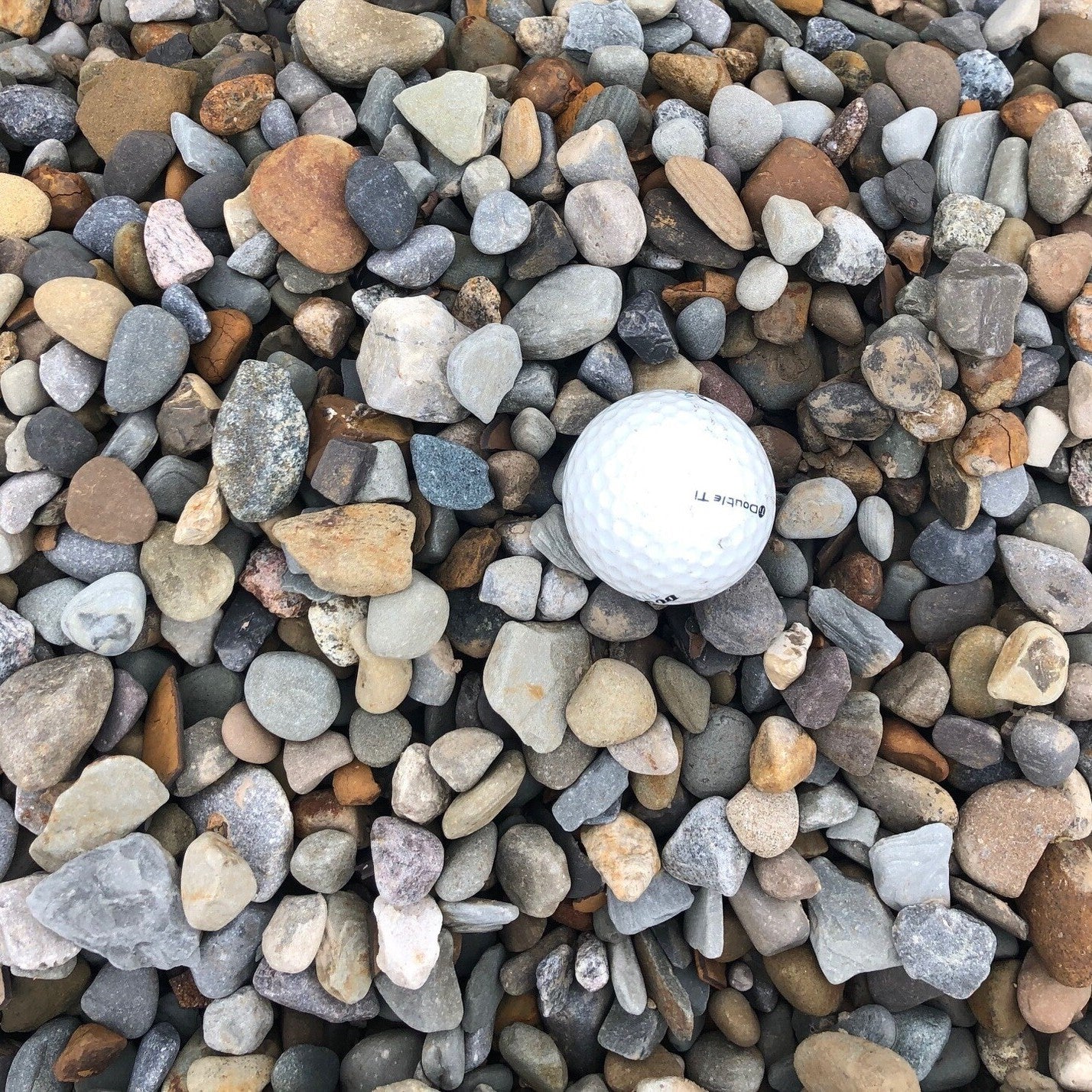
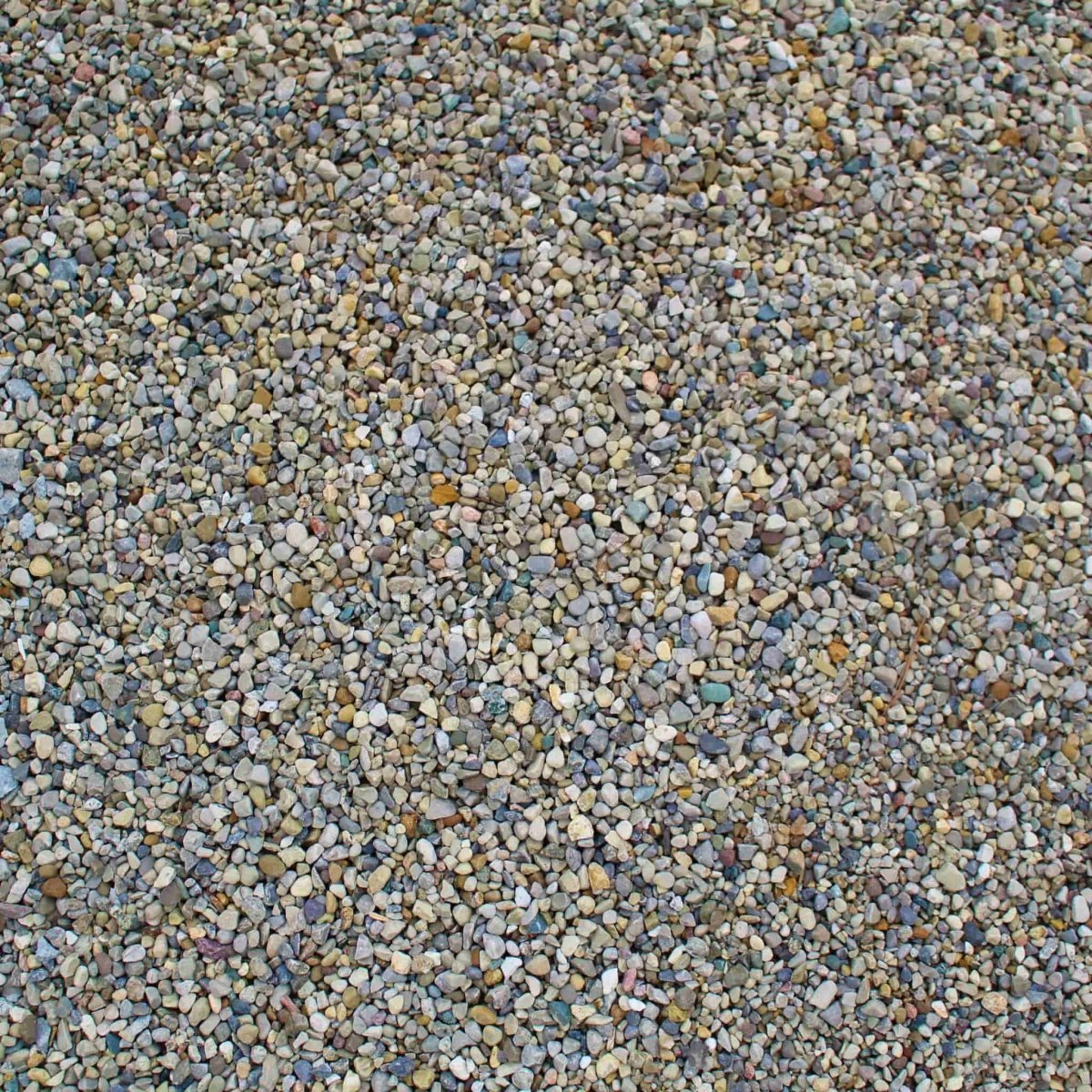
Number 57 crushed stone, angular limestone graded to about three quarters of an inch. The standard driveway, base and drainage gravel, it locks together under traffic and drains fast.
I used Mulch Mound to have 3 cubic yards of garden soil delivered. The process was easy and I love that I didn't have to call anyone. I placed my order online, picked my delivery date, laid out my tarp and the dirt was delivered. My delivery had to be pushed back, but I was ke...
Tell us what you're looking for
Thanks! We received your request.
Something went wrong. Please try again.
How Much Material Do I Need?
For decorative or pathway stone in Greer, a 2 to 3 inch depth provides good coverage and weed suppression when paired with landscape fabric over the red clay base. Drainage and erosion control applications along slopes or swales in Greer need at least 4 to 6 inches of gravel to handle the volume of water that moves through these areas during significant rain events.
Use our free gravel calculator
What is a yard?
A yard is approximately 27 cubic feet. As a general guideline, one yard of material can cover an area of about 100-160 square feet at a 2-3 inch depth.
We can't take orders for this right now. Tell us what you need and we'll get back to you.
What do you need?
Thanks! We received your request.
Something went wrong. Please try again.
Hand-picked local yards
4,000+ regional deliveries
Dedicated support
Why order through Mulch Mound
The best local stone, without the guesswork.
We hand-pick and partner with the best yards in your region, keep only the ones our buyers rate well, and back each load with our guarantee.
Mulch Mound Guarantee
If your stone isn't the quantity or quality you ordered, we'll make it right.
About this stone
Number 57 crushed stone, angular limestone graded to about three quarters of an inch. The standard driveway, base and drainage gravel, it locks together under traffic and drains fast.
I used Mulch Mound to have 3 cubic yards of garden soil delivered. The process was easy and I love that I didn't have to call anyone. I placed my order online, picked my delivery date, laid out my tarp and the dirt was delivered. My delivery had to be pushed back, but I was ke...
How Much Material Do I Need?
For decorative or pathway stone in Greer, a 2 to 3 inch depth provides good coverage and weed suppression when paired with landscape fabric over the red clay base. Drainage and erosion control applications along slopes or swales in Greer need at least 4 to 6 inches of gravel to handle the volume of water that moves through these areas during significant rain events.
Use our free gravel calculator
What is a yard?
A yard is approximately 27 cubic feet. As a general guideline, one yard of material can cover an area of about 100-160 square feet at a 2-3 inch depth.
I used Mulch Mound to have 3 cubic yards of garden soil delivered. The process was easy and I love that I didn't have to call anyone. I placed my o...
Read full review
I used Mulch Mound to have 3 cubic yards of garden soil delivered. The process was easy and I love that I didn't have to call anyone. I placed my order online, picked my delivery date, laid out my tarp and the dirt was delivered. My delivery had to be pushed back, but I was kept informed via text, which was great. So why not 5 stars? The description of garden soil on the website is "A balanced mix of topsoil and organic amendments ready for raised beds, flower gardens, and new planting areas. Good drainage, solid nutrients, easy to work with." What I got was more like fill dirt. It had a lot of gravel, a lot of clay, and random trash mixed in. I didn't test the soil to see if it actually had "amendments" because I already have compost and alpaca manure ready to add, but if I'd known the quality of the dirt was going to be the same as the bagged dirt I bought last year, I probably would have gotten 2 yards of top soil and a yard of leaf compost for better quality, especially since the leaf compost is cheaper. Photo of my mountain of dirt and just some of the trash I found in it.
To figure out how much stone you need for a Greer project, measure the length and width of the area in feet and decide on your target depth. For decorative coverage, 2 to 3 inches works well over a fabric barrier. For drainage applications in Greer's red clay landscape, plan for at least 4 to 6 inches so water can move freely through the stone during heavy rain events. One cubic yard of stone covers about 100 square feet at 3 inches deep.
Stone Types We Deliver in Greer
Mulch Mound brings bulk stone delivery straight to Greer homeowners and landscapers who need quality material without the hassle of hauling. Whether you are searching for bulk gravel by the yard in Greer or simply refreshing a worn-out bed, we load and drop exactly what your project calls for. Every order is measured by the cubic yard so you get the right amount the first time.
Pea Gravel
Smooth, rounded pea gravel is one of the most popular choices for Greer yards, where red clay soil benefits from improved surface drainage around patios and walkways. Its warm earth tones complement the traditional brick and neutral-sided homes common across this part of upstate South Carolina, and it settles comfortably underfoot for barefoot pathways and play areas.
Complete Your Outdoor Stone Project
Stone projects in Greer pair well with a bulk topsoil delivery for grading the area before stone placement, especially when reshaping low spots that collect standing water after storms. Adding a layer of mulch in adjacent plant beds keeps the overall landscape looking finished and helps the soil beneath those beds stay healthy while stone handles your drainage and hardscape needs.
Greer's red clay has a way of migrating upward into gravel layers over time, a process that slowly buries your stone and muddies the surface after heavy rains. To prevent this, install a non-woven geotextile fabric rated for drainage applications beneath any gravel area before spreading. This simple step keeps the clay and stone layers separated for years and maintains the clean, functional surface you installed from the very beginning.
Mulch Mound Pro Tip
If you are using stone to control erosion on a sloped area of your Greer property, the size and shape of the stone matters as much as the depth of coverage. On steeper grades, stones smaller than 2 inches tend to roll and scatter during Greer's heavier rain events, especially on slopes where red clay becomes slick when wet. Choose angular crushed stone rather than smooth river rock for slopes, since the irregular edges interlock and resist movement much better under flowing water.
Mulch Mound Pro Tip
Greer receives about 51 inches of rainfall each year, and a portion of that comes in fast and heavy bursts that test every drainage system in the landscape. If you are building a gravel drainage channel or French drain, size it generously rather than minimally. A drain that handles average rainfall but floods during a 2-inch storm event creates the same problems you were trying to solve. Oversizing your gravel drainage capacity by 20 to 30 percent is a practical rule for Greer properties dealing with red clay and high annual precipitation.
The Unique Landscape of Greer
Greer's combination of red clay soil and 51 inches of annual rainfall creates ideal conditions for erosion, standing water, and muddy pathways that make outdoor spaces difficult to use after storms. Stone is one of the most durable and low-maintenance solutions available to Greer homeowners dealing with these recurring drainage and erosion challenges. At 1,016 feet of elevation in Zone 8a, Greer properties see a long stretch of active weather from spring through fall, and gravel or stone surfaces hold up through all of it without the seasonal maintenance that mulch and organic materials require. Whether the goal is a clean pathway, a French drain backfill, a foundation border, or a decorative ground cover, bulk stone delivers lasting results in ways that organic materials simply cannot match. Red clay slopes are particularly prone to washing out during heavy rain events, and a layer of properly sized stone is one of the few materials that stays in place when significant water moves across it. Stone also interacts with heat differently than mulch, which matters in Greer's hot summer months when ground temperature can directly affect nearby plant health.
Frequently Asked Questions
Click a question to see the answer
Answer
What size gravel works best for a walkway in my Greer yard?
For foot traffic in Greer, pea gravel or a quarter-inch crushed stone is popular because it compacts reasonably well and stays comfortable underfoot. However, for a more stable surface that does not shift as much during heavy rains, a crusher run or compacted base gravel gives better results and tends to hold its grade through Greer's wet spring and fall seasons.
Answer
Will gravel actually help with my Greer yard drainage problems?
Yes, gravel is one of the most effective materials for improving drainage in Greer's red clay landscape. A French drain trench filled with washed river rock or drainage gravel moves water away from low spots and foundations much faster than clay alone can absorb it. Given Greer's 51 inches of annual rainfall, a properly designed gravel drainage system can make a significant difference in how quickly your yard recovers after heavy storms.
Answer
Does decorative stone get too hot for plant beds during Greer summers?
Dark-colored stone in full sun can absorb significant heat during Greer's summer months, which can raise soil temperature around nearby plant roots to uncomfortable levels. Lighter-colored gravel or river rock reflects more heat and is a better choice for beds surrounding heat-sensitive plants. For purely decorative or drainage purposes away from plant roots, stone color and heat retention matter much less.
Answer
How do I keep gravel from sinking into Greer's red clay soil over time?
Red clay in Greer will slowly absorb fine gravel into the soil over time if nothing separates the two layers. Installing a quality landscape fabric beneath your gravel before spreading is the most effective way to maintain gravel depth and keep the stone on top where it belongs. A good base layer of larger crushed stone under the fabric adds additional stability for high-traffic walkway and patio areas.
Answer
What is the best stone for a low-maintenance yard area in Greer?
For a low-maintenance zone in Greer, larger river rock or decorative stone in the 2 to 4 inch range is a great choice. It does not shift as easily as smaller gravel during heavy rain events, suppresses weeds effectively when paired with landscape fabric underneath, and requires almost no annual maintenance compared to mulch. It also holds its appearance through the entire Zone 8a growing season without needing a seasonal refresh.
Answer
How much stone do I need to cover a drainage swale in my Greer yard?
For a typical drainage swale in Greer, you want at least 4 to 6 inches of washed gravel to allow water to flow freely through the stone without clogging. Measure the length and width of the swale channel and use a 5-inch average depth for your calculation. One cubic yard of gravel covers approximately 65 square feet at that depth, so a 50-foot swale that is 2 feet wide would need roughly 2 cubic yards.
Answer
Can I use decorative stone around my foundation in Greer to protect it from moisture?
Foundation borders in Greer benefit greatly from a stone topdress because gravel pulls moisture away from the structure rather than holding it against the foundation the way saturated mulch can during our rainier months. Use a sloped gravel border that grades away from the foundation, and pair it with landscape fabric to keep Greer's red clay from slowly migrating up into the stone layer over time.
Answer
Is crush and run the same as crusher run?
Crush and run gets its name from the way crushed stone and stone dust compact together into a firm, locked-in base, which works well under driveways and pavers. With Greer's red clay soil and heavy seasonal rainfall, our Crushed Stone #57 is the better choice since it drains freely instead of holding water against the clay.
Answer
Is there a stone yard near Greer?
Fixing a muddy path in Greer's red clay usually means choosing between hauling crushed stone yourself from a stone yard or a quarry, or having it delivered right to the spot. Mulch Mound is not a yard at all. You order the stone online by the cubic yard and we drop it where you need it.