



Great service. We ordered topsoil from Mulch Mound and the best experience. Thank you so much!
About this soil
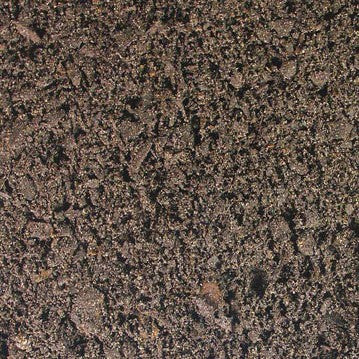
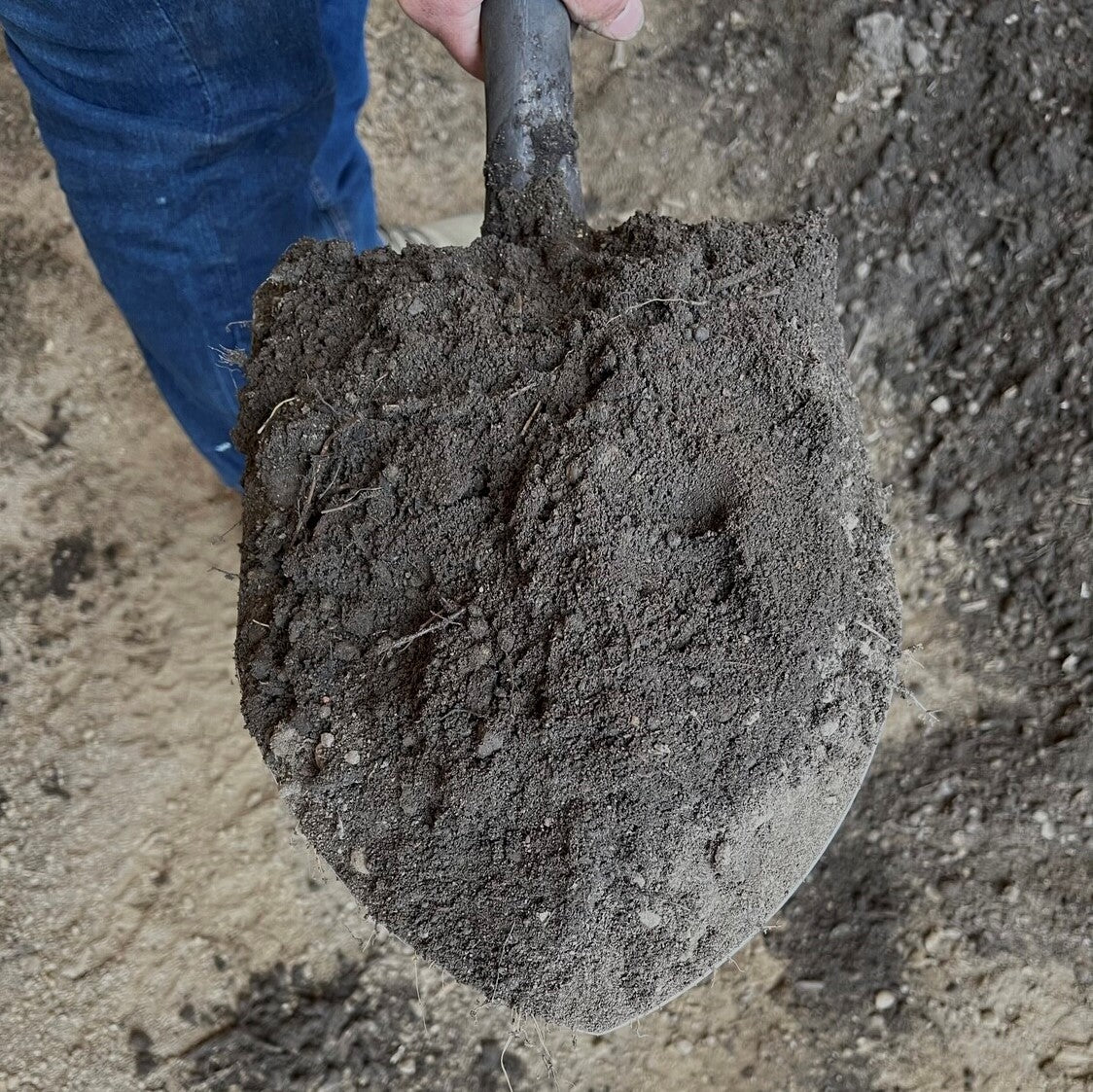
A balanced mix of topsoil and organic amendments ready for raised beds, flower gardens, and new planting areas. Good drainage, solid nutrients, easy to work with.
Great service. We ordered topsoil from Mulch Mound and the best experience. Thank you so much!
Tell us what you're looking for
Thanks! We received your request.
Something went wrong. Please try again.
How Much Material Do I Need?
How Much Material Do I Need?
For topdressing Greer lawns over red clay, plan on 2 inches of material as a starting depth, which is enough to level minor grading issues without burying existing turf roots. For new garden beds or raised planting areas in Greer, a minimum of 8 inches of quality soil gives roots enough depth to stay above the dense clay layer beneath.
Use our free soil calculator
What is a yard?
What is a yard?
FAQs
FAQs
Greer Soil Delivery
Greer Soil Delivery
Regular price
$78.00
per
yard
Regular price
Sale price
$78.00
Unit price
per
Shipping calculated at checkout.
Couldn't load pickup availability
Not currently available
We can't take orders for this right now. Tell us what you need and we'll get back to you.
Hand-picked local yards
4,000+ regional deliveries
Dedicated support
Why order through Mulch Mound
The best local soil, without the guesswork.
We hand-pick and partner with the best yards in your region, keep only the ones our buyers rate well, and back each load with our guarantee.
Mulch Mound Guarantee
If your soil isn't the quantity or quality you ordered, we'll make it right.
About this soil
A balanced mix of topsoil and organic amendments ready for raised beds, flower gardens, and new planting areas. Good drainage, solid nutrients, easy to work with.
Great service. We ordered topsoil from Mulch Mound and the best experience. Thank you so much!
How Much Material Do I Need?
How Much Material Do I Need?
For topdressing Greer lawns over red clay, plan on 2 inches of material as a starting depth, which is enough to level minor grading issues without burying existing turf roots. For new garden beds or raised planting areas in Greer, a minimum of 8 inches of quality soil gives roots enough depth to stay above the dense clay layer beneath.
Use our free soil calculator
What is a yard?
What is a yard?
FAQs
FAQs
Tell us what you're looking for
Thanks! We received your request.
Something went wrong. Please try again.
How It Works
Getting started is easy — just follow these simple steps
1
Choose your soil
Make sure you adjust the quantity to your home's needs. You can use our calculator to estimate how much you'll need.
2
Select your delivery date
Select a delivery date you'd like for the product to be dropped off at your home
3
Sit back and wait
Sit back, wait, and let us work our magic to make sure the highest quality product is delivered to your driveway.

Placing an order online was so easy. Delivery was on time. When the driver realized we had a newly poured driveway they erred on the side of cautio...
Read full review
Placing an order online was so easy. Delivery was on time. When the driver realized we had a newly poured driveway they erred on the side of caution and opted not ti drive in it. The company even sent me a message explaining that call. Would recommend!

Online ordering was really simple and I liked the transparent pricing.
Need Help Calculating How Much Soil You Need?
Use our NEW Trace from Satellite tool to get an estimate for your project based on an aerial view of your property
Try Our CalculatorStart by measuring the length and width of the area you plan to fill or grade, then decide on your target depth, which is usually 2 to 4 inches for topdressing and 6 to 12 inches for new raised beds or deep garden prep. Greer's red clay often has uneven low spots across a lawn, so walk the area and note the deepest sections to estimate an accurate average fill depth. One cubic yard covers 160 square feet at 2 inches deep or 80 square feet at 4 inches deep.
Soil Types We Deliver in Greer
Whether you are building raised beds or refreshing tired planting areas, Mulch Mound delivers bulk soil by the yard in Greer right to your driveway. The dense clay soils common across this part of South Carolina can make growing a real challenge, and bringing in quality amended soil makes a noticeable difference. We deliver by the cubic yard so you get exactly what your project needs, without extra trips to a garden center.
Gardening Blend
This balanced mix of topsoil and organic amendments is ready to use straight from the truck, making it a natural fit for raised beds, flower gardens, and new planting areas. It drains well through warm, humid summers and works easily into the dense native soils common across this part of South Carolina, giving roots room to establish.
Leaf Compost
Leaf Compost is a strong choice for gardeners looking to revive tired or compacted soil without relying on synthetic products. The rich organic matter improves structure, boosts water retention during dry stretches, and feeds the beneficial microorganisms that keep garden beds productive through the long regional growing season.
Complete Your Outdoor Soil Project
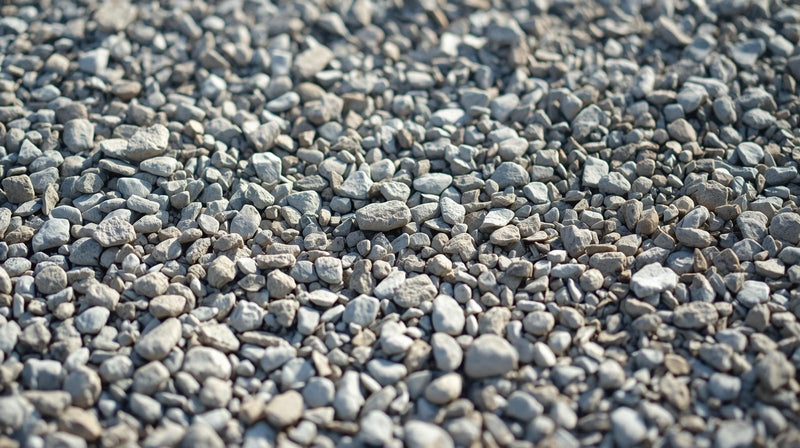
After grading with topsoil, many Greer homeowners add a layer of mulch to protect the new soil surface from heavy rains and reduce weed pressure during the long growing season. Stone borders or gravel paths alongside new soil areas also help contain the material and keep it from migrating into lawn areas during wet weather.

Service area
Areas we deliver soil in Greer, South Carolina
Mulch Mound Pro Tip
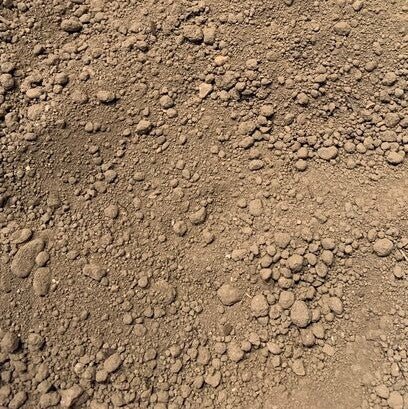
Greer's red clay does not just sit passively underneath new topsoil, it influences drainage for the entire bed above it. Before spreading bulk soil, drive a spade or tiller into the clay at least 4 to 6 inches and break it up across the full project area. This simple step connects the new and native layers and prevents the perched water table effect that traps water between loose topsoil and the dense clay below during heavy rain events.
Mulch Mound Pro Tip
If you are filling raised beds for vegetable growing in Greer's Zone 8a climate, mix a portion of coarse compost or aged wood material into your bulk soil before filling. The long growing season from March 25 through November 4 pulls heavy nutrients from the soil through multiple planting cycles, and starting with a biologically active mix keeps production strong through the heat of summer and well into the fall harvest window.
Mulch Mound Pro Tip
Greer's elevation of 1,016 feet means nights cool off faster than in the lower Upstate, which affects how quickly new soil beds warm in early spring. To get a jump on the March 25 last frost date, lay black landscape fabric or dark mulch over freshly placed soil beds in late February. The darker surface absorbs more daytime heat and warms the root zone a week or two earlier, giving cool-season crops like lettuce and kale a meaningfully longer production window before summer heat sets in.
The Unique Landscape of Greer
Greer's native red clay is one of the most common frustrations for local homeowners trying to grow anything beyond the toughest native plants. The clay holds water after heavy rains until beds become saturated, then bakes into a hard and cracked surface during dry periods between storms. At 1,016 feet of elevation in Zone 8a, Greer's growing season runs from late March through early November, giving gardeners and landscapers a long window that red clay alone cannot support productively. Bringing in quality bulk topsoil or garden soil lets homeowners build a workable growing medium above or alongside the native clay without waiting years for natural amendment to take effect. Whether you are leveling a lawn, filling raised beds, or grading a new garden area, the right soil gives Greer plants a root environment that the native ground simply cannot provide on its own. With 51 inches of rainfall annually, proper drainage built into any soil addition is just as important as nutrient content.