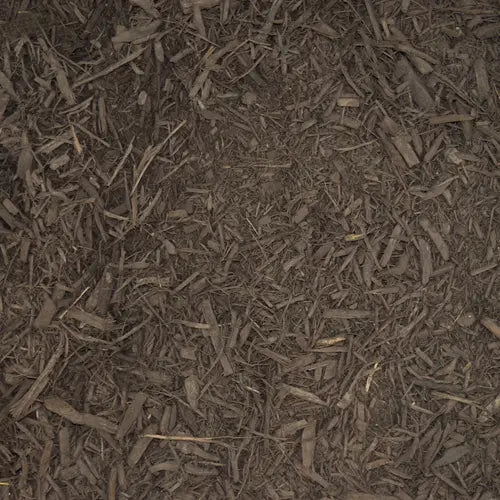
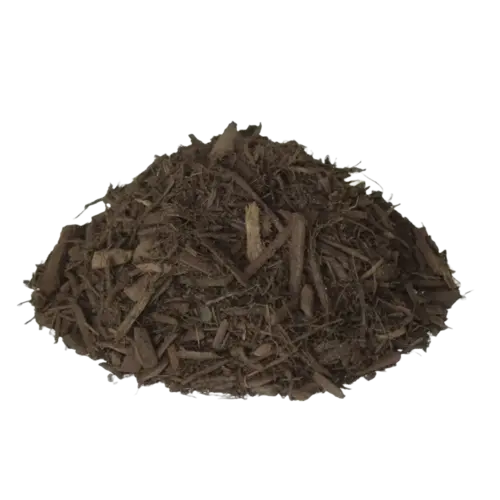
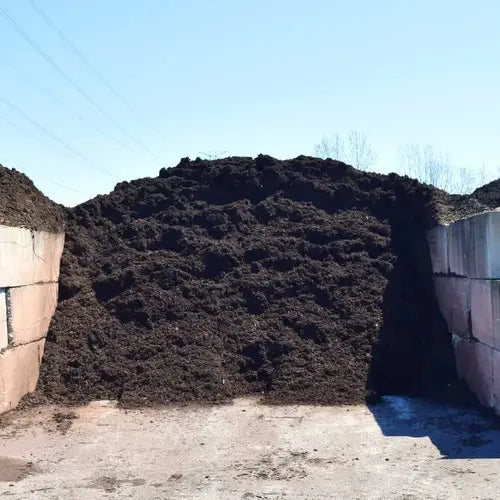
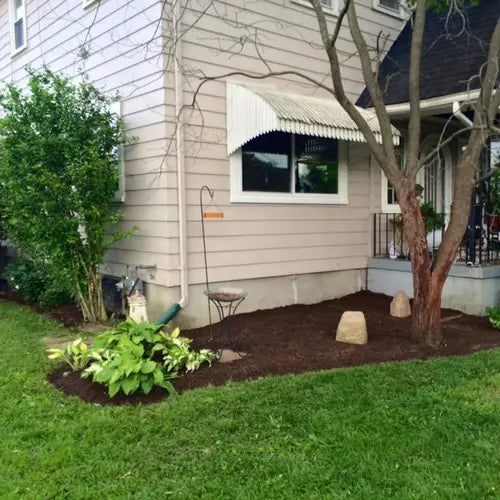
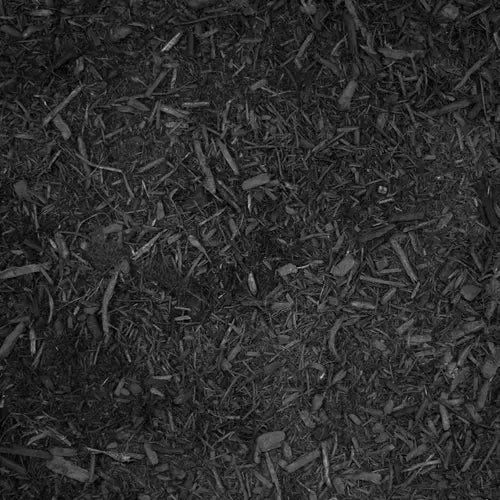
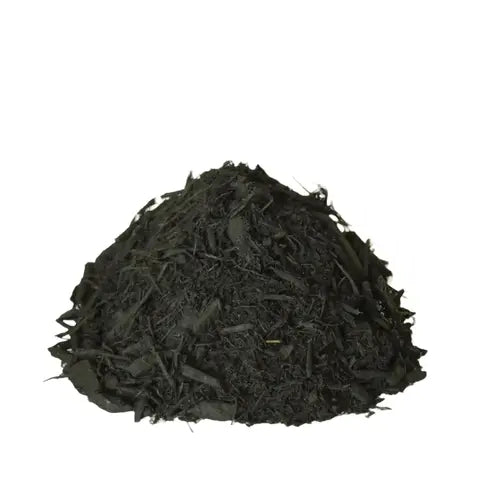
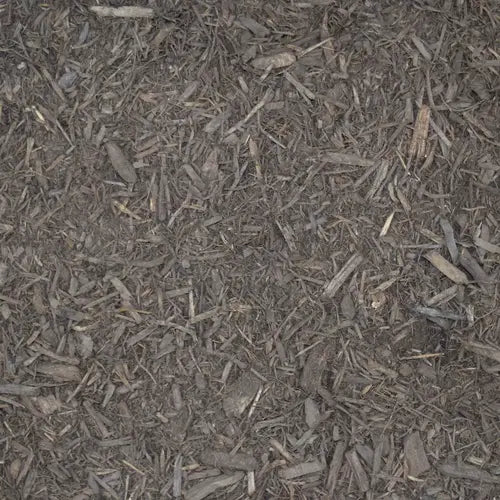
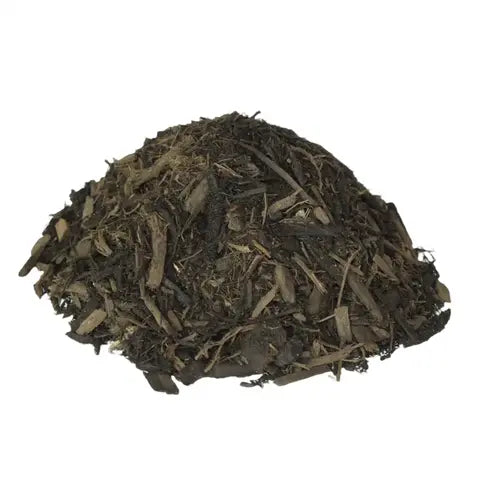
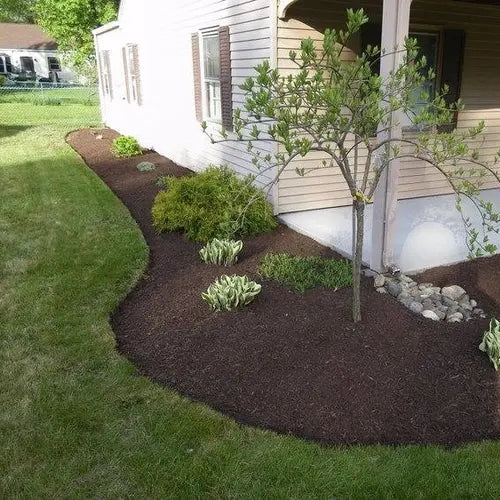
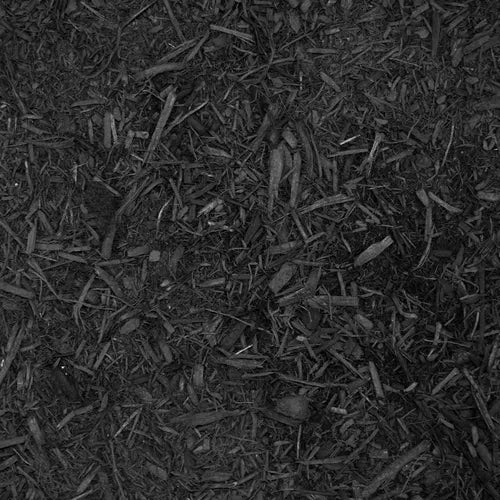
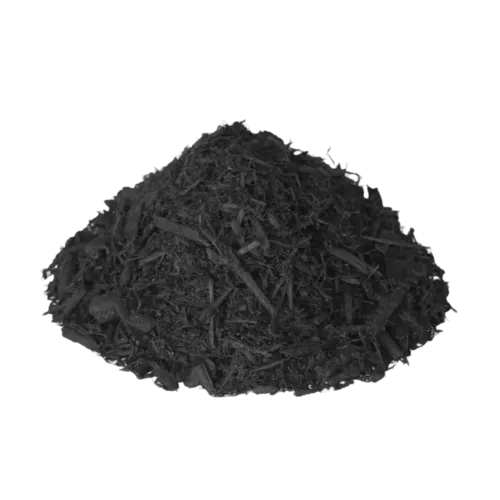
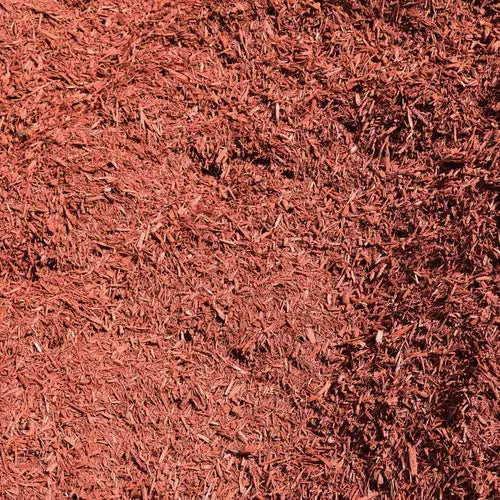
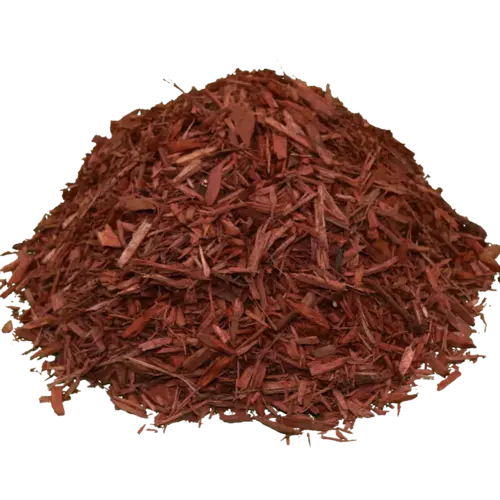
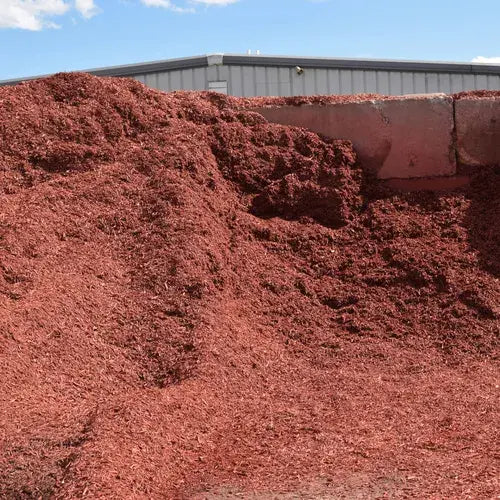
Warm brown double shredded mulch with lasting color that looks freshly applied for weeks. Spreads smooth, stays put, and gives beds a natural, polished appearance.
Mulch Mound delivered a yard of pea gravel to us. Delivery was on time, driver was friendly and hit a bullseye on the “tarp target”. We used the pea gravel (which was diameter as specified) to fill several muskrat holes around our pond. I would definitely recommend Mulch Mo...
Tell us what you're looking for
Thanks! We received your request.
Something went wrong. Please try again.
How Much Material Do I Need?
For Groveland's sandy soil, apply mulch at a full 3 inches deep to provide meaningful moisture retention and weed suppression through the long growing season. Beds near the edges of your property or on any slope may need a touch more depth to compensate for the surface erosion that heavy summer thunderstorms can cause.
Use our free mulch calculator
What is a yard?
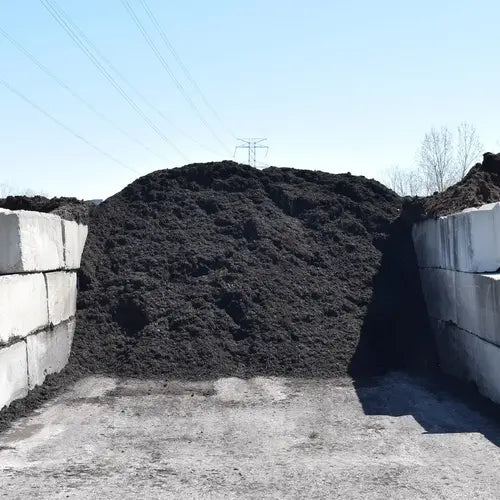
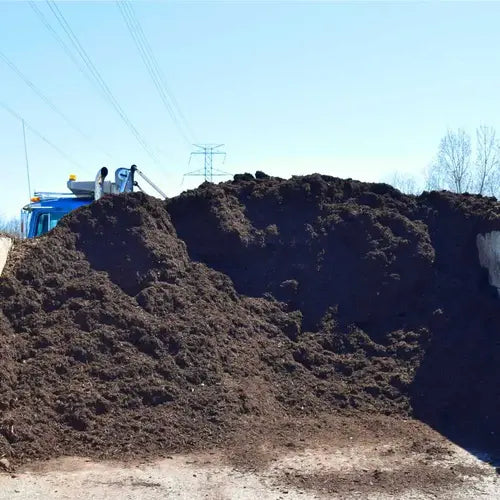
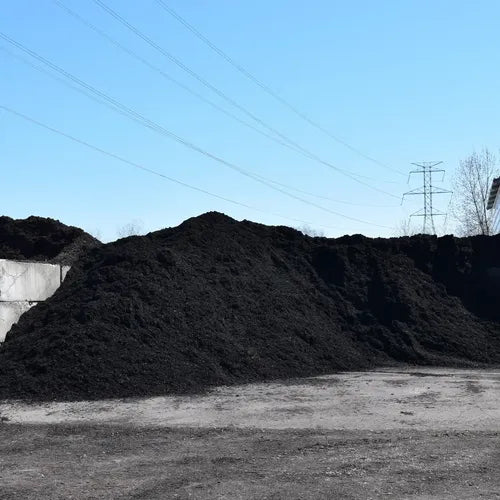
A yard is approximately 27 cubic feet. As a general guideline, one yard of material can cover an area of about 100-160 square feet at a 2-3 inch depth.
We can't take orders for this right now. Tell us what you need and we'll get back to you.
What do you need?
Thanks! We received your request.
Something went wrong. Please try again.
Hand-picked local yards
4,000+ regional deliveries
Dedicated support
Why order through Mulch Mound
The best local mulch, without the guesswork.
We hand-pick and partner with the best yards in your region, keep only the ones our buyers rate well, and back each load with our guarantee.
Mulch Mound Guarantee
If your mulch isn't the quantity or quality you ordered, we'll make it right.
About this mulch
Warm brown double shredded mulch with lasting color that looks freshly applied for weeks. Spreads smooth, stays put, and gives beds a natural, polished appearance.
Mulch Mound delivered a yard of pea gravel to us. Delivery was on time, driver was friendly and hit a bullseye on the “tarp target”. We used the pea gravel (which was diameter as specified) to fill several muskrat holes around our pond. I would definitely recommend Mulch Mo...
How Much Material Do I Need?
For Groveland's sandy soil, apply mulch at a full 3 inches deep to provide meaningful moisture retention and weed suppression through the long growing season. Beds near the edges of your property or on any slope may need a touch more depth to compensate for the surface erosion that heavy summer thunderstorms can cause.
Use our free mulch calculator
What is a yard?
A yard is approximately 27 cubic feet. As a general guideline, one yard of material can cover an area of about 100-160 square feet at a 2-3 inch depth.
Mulch Mound delivered a yard of pea gravel to us. Delivery was on time, driver was friendly and hit a bullseye on the “tarp target”. We used the ...
Read full review
Mulch Mound delivered a yard of pea gravel to us. Delivery was on time, driver was friendly and hit a bullseye on the “tarp target”. We used the pea gravel (which was diameter as specified) to fill several muskrat holes around our pond. I would definitely recommend Mulch Mound to a friend!
I can’t say enough good things about Mulch Mound! If you read my review below you will see I had a problem with my order. Mulch Mou...
Read full review
UPDATE!
I can’t say enough good things about Mulch Mound! If you read my review below you will see I had a problem with my order. Mulch Mound was quick to respond and solved the issue with my delivery. Will definitely be a customer next year.
First time purchase from Mulch Mound!! First what I liked! Easy to order online and straight forward pricing and delivery. The driver was on time and courteous and delivered my Mulch exactly where I requested! The product is of good quality and comparable to others I have purchased from before. Now what I DID’NT LIKE! I have been mulching the same house and yard for almost 20 years. I always order the same amount and don’t have any issues with covering the same area but this year I fell about a yard short. I was home when the mulch was delivered and when the driver dumped it I noticed that it seemed a bit less than I was used to. I didn’t apply it any thicker than usual and probably a bit thinner than usual because I was worried about running out.
Measure the length and width of each bed in feet, multiply those numbers together to get square footage, then divide by 108 to find the cubic yards needed at a 3-inch depth. In Groveland, where sandy soil benefits most from full and even coverage, avoid the temptation to stretch material thin. Adding a bit extra to maintain consistent depth pays off in water savings over a dry spring before the rains return.
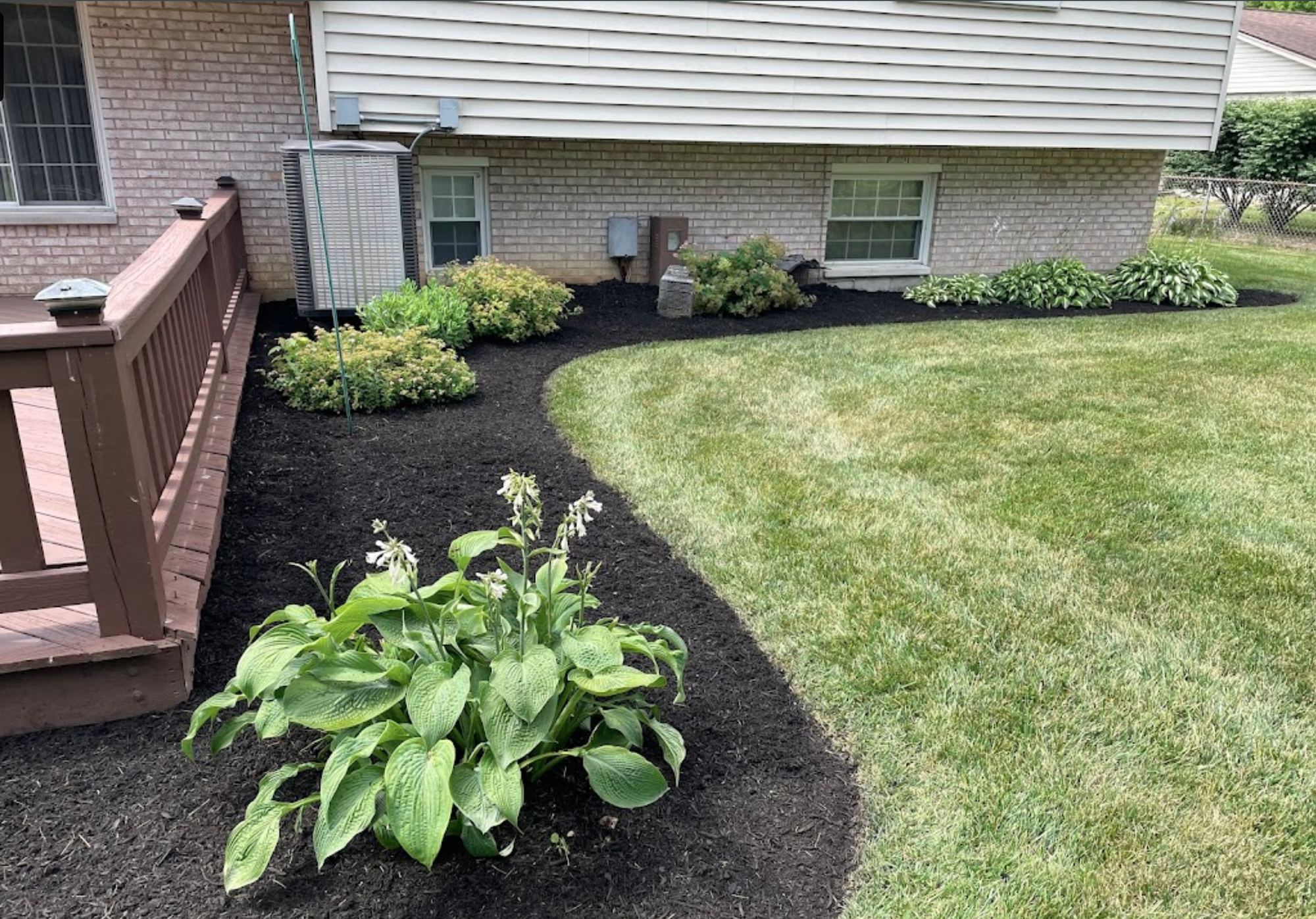
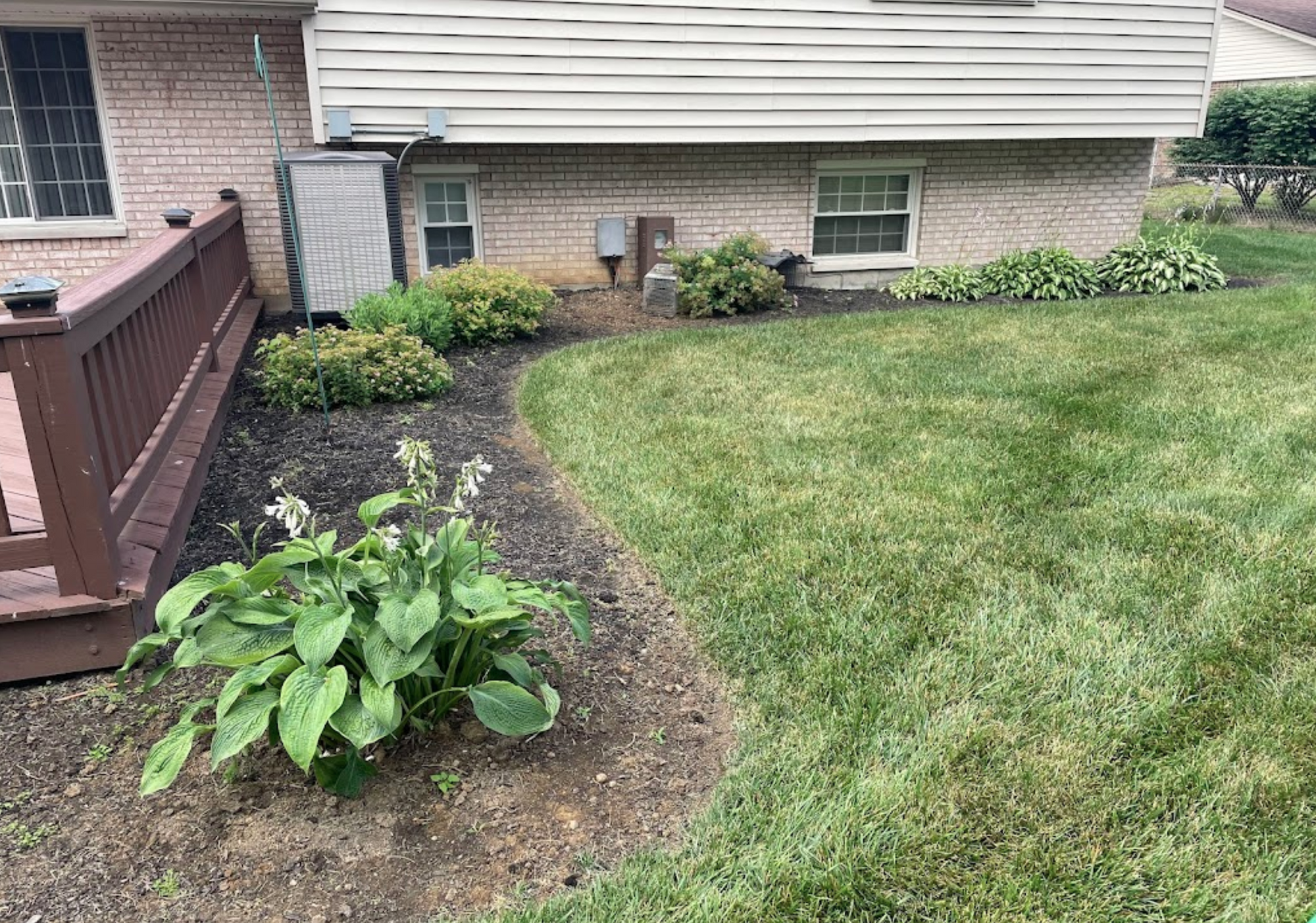
Mulch vs. No Mulch: The Difference
Groveland's intense UV exposure and frequent summer rain cycles create a demanding environment for any mulch product placed outdoors. Natural mulch gradually decomposes and feeds the sandy soil below, but it loses its fresh color faster under the zone 9b sun and needs annual refreshing to stay effective. Dyed mulch holds its appearance through more rainy seasons but delivers fewer soil improvement benefits, so the right choice depends on whether your priority is long-term soil health or consistent visual appeal.
Before
After
Best Mulch Choice for Groveland Lawns
Most yards in the Groveland area sit on Sandy type of soil. Groveland's sandy soil holds almost no organic matter on its own, which means plant beds drain too fast, overheat in summer, and starve roots of nutrients between fertilizer applications. Mulch acts as a compensating buffer layer that addresses what sandy soil simply cannot provide without outside help.
Hardwood Mulch
Hardwood mulch is especially well-suited to Groveland's sandy soil because as it breaks down it releases organic compounds that bind sandy particles together, slowly improving soil texture and water retention over multiple seasons. Over two to three years of consistent hardwood mulch applications, many Groveland homeowners notice their beds require noticeably less irrigation than when they first started mulching.
Mulch Types We Deliver in Groveland
Mulch Mound delivers bulk mulch by the cubic yard across Groveland, making it easy to refresh your beds without hauling bags from the store. Central Florida's sandy soil and warm, wet summers make mulch essential for holding moisture, suppressing weeds, and giving your landscaping a polished finish year round.
Dyed Black Mulch
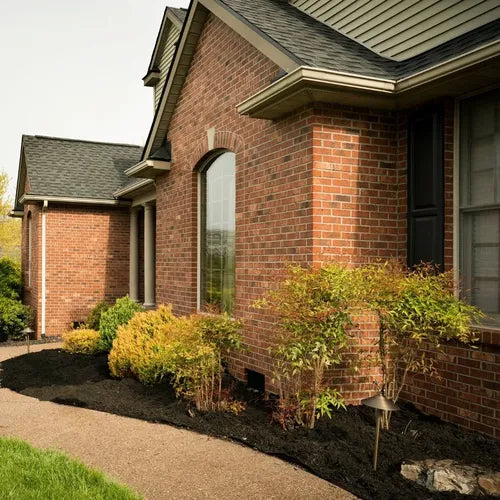
Dyed Black Mulch is double shredded for a smooth, even spread across any bed. The bold black color holds through Florida sun and summer downpours, creating a sharp contrast against the bright greens common in Central Florida landscapes. A strong choice for homeowners who want instant curb appeal.
Dyed Brown Mulch
Double shredded and dyed a warm brown tone, this mulch holds its freshly applied look for weeks under the intense Florida sun. The smooth texture spreads easily around shrubs and ornamentals common to local beds. A natural, polished finish that suits the varied home styles throughout this part of the state.
Pine Bark Mulch
Available in nuggets and mini nuggets, Pine Bark Mulch brings a rugged, natural texture that suits the native and tropical plantings popular across this region. The chunky bark resists washing during heavy afternoon storms typical of Central Florida summers and holds its position well in sandy soil.
Natural Brown Mulch
Natural Brown Mulch is an undyed double shredded wood mulch with an earthy tone straight from the wood. It suits homeowners who prefer an organic look without added dye. The smooth texture spreads evenly and works well in both established beds and the newly planted landscapes common to growing Central Florida communities.
Complete Your Outdoor Mulch Project
If your Groveland beds are low on organic matter, pair your mulch order with a bulk topsoil or garden soil delivery to build up your planting areas before you mulch over them. Adding stone borders or edging around your beds also keeps mulch in place when Groveland's summer storms send water rushing across the landscape.
Groveland's sandy soil has very low nutrient-holding capacity, meaning fertilizers and organic inputs flush through quickly. When you apply mulch, work a thin layer of compost into the top inch of soil first. As the mulch breaks down over the following months, it will integrate with that organic starter layer and begin building the soil structure that sandy soil naturally lacks. This approach turns a routine mulch application into a genuine long-term soil improvement strategy.
Mulch Mound Pro Tip
The period between Groveland's last frost around February 17 and the onset of summer rains in June is the driest stretch for most local landscapes. Plan to inspect your mulch depth in early March and top up any areas that thinned over winter. A full 3-inch layer heading into spring keeps soil temperatures 10 to 15 degrees cooler than bare sand, which significantly reduces how much you need to irrigate before the summer rains return.
Mulch Mound Pro Tip
Groveland receives roughly 49 inches of rain annually, but it rarely falls gently. Afternoon thunderstorms can dump 2 to 3 inches in under an hour, and that concentrated force displaces loose mulch from sloped beds and garden edges with surprising speed. Shredded hardwood mulch knits together far better than nugget or chunk styles and resists washout more effectively during these events. For any bed with even a slight grade, shredded mulch is the practical choice for surviving Groveland's storm season with coverage intact.
Frequently Asked Questions
Click a question to see the answer
Answer
How deep should I apply mulch in Groveland given how fast our sandy soil dries out?
For Groveland's sandy soil, 3 inches is the sweet spot. Sandy soil drains so rapidly that anything less than 3 inches will not provide meaningful moisture retention between the frequent but intense summer rain events. Going beyond 4 inches can hold excess moisture against plant crowns during the rainy season, which creates rot risk in zone 9b's persistent heat.
Answer
Will mulch actually help with the weeds that seem to grow year-round here in Groveland?
Yes, and in Groveland's zone 9b climate this is especially critical. Because our last frost falls around February 17 and the first frost does not typically arrive until December 10, weeds enjoy nearly 10 months of prime growing conditions. A 3-inch mulch layer blocks the sunlight that most weed seeds need to germinate. You will still see some persistent weeds push through, but the overall volume drops dramatically with consistent coverage.
Answer
Does mulch break down faster in Groveland's heat and humidity than it would up north?
It does break down considerably faster here. The combination of zone 9b heat, 49 inches of annual rainfall, and Groveland's active microbial soil environment means organic mulch decomposes noticeably quicker than it would in cooler climates. Most natural hardwood mulches need refreshing every 12 to 18 months here compared to every 2 to 3 years in northern states. The upside is that decomposing mulch feeds your sandy soil with organic matter it would otherwise lack entirely.
Answer
Should I keep mulch pulled back from my tree trunks, or does that matter in this climate?
It matters a great deal in Groveland. Our warm, moist conditions from roughly late February through December create a long window for fungal growth and bark rot when mulch is piled directly against trunks. Keep a 4 to 6 inch gap around all tree trunks and shrub bases. This is sometimes called a mulch donut, and in zone 9b it is genuinely important if you want your trees to stay healthy over the long term.
Answer
What is the real difference between natural mulch and dyed mulch for a Groveland yard?
Natural mulch breaks down and improves your sandy soil over time, which is a genuine long-term benefit in Groveland where organic matter is scarce in the native ground. Dyed mulch holds its color longer through our intense summer sun and frequent rains, making it a popular choice for front beds where curb appeal matters most. If your priority is soil health, natural hardwood is the better investment. If color retention through the rainy season is your goal, dyed mulch delivers better visual consistency.
Answer
How does the 49 inches of rain Groveland gets each year change how I should think about mulching?
Groveland's rainfall is concentrated heavily in the summer months, which means your soil swings from very dry in spring to repeatedly saturated by July and August. Mulch moderates both extremes. It slows runoff and erosion during heavy downpours, and then slows evaporation during the dry season. Without mulch, sandy soil in Groveland loses surface moisture within hours of a rain event, pushing plants into repeated stress cycles even during what should be the wet season.
Answer
Is there a best time of year to put down fresh mulch in Groveland?
Late February to early March is ideal. Your last frost around February 17 signals the start of active plant growth, and getting mulch down before the heat intensifies helps your sandy soil retain the cooler temperatures that encourage healthy root development. A second top-up in early October, ahead of the first frost around December 10, protects plant roots through the mild Groveland winter and gives beds a fresh look heading into the holiday season.
The Unique Landscape of Groveland
Groveland's sandy soil is notorious for losing moisture faster than most Central Florida communities, making mulch one of the most important tools in a local homeowner's arsenal. The elevation at 105 feet means slightly better drainage than lake-level properties nearby, which is good for roots but puts even more pressure on surface soil to hold water between dry stretches. With roughly 49 inches of rain per year arriving mostly in intense afternoon downpours, bare soil erodes quickly between storms, and a solid mulch layer is the first line of defense against that loss. The long frost-free stretch from late February through early December keeps plants actively growing and feeding, which means weed pressure is relentless without a protective mulch cover. A 3-inch layer over Groveland's sandy beds dramatically reduces how often you need to water and replenish the nutrients that sandy soil simply cannot hold on its own.