




Very happy with the ease of ordering. Delivery went exactly as planned. Garden soil looks great and couldn’t be happier.
About this soil
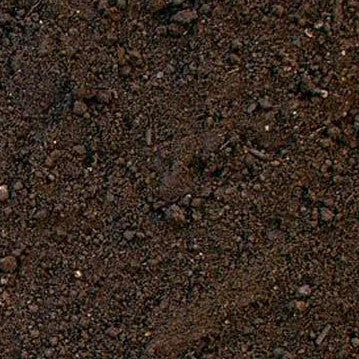
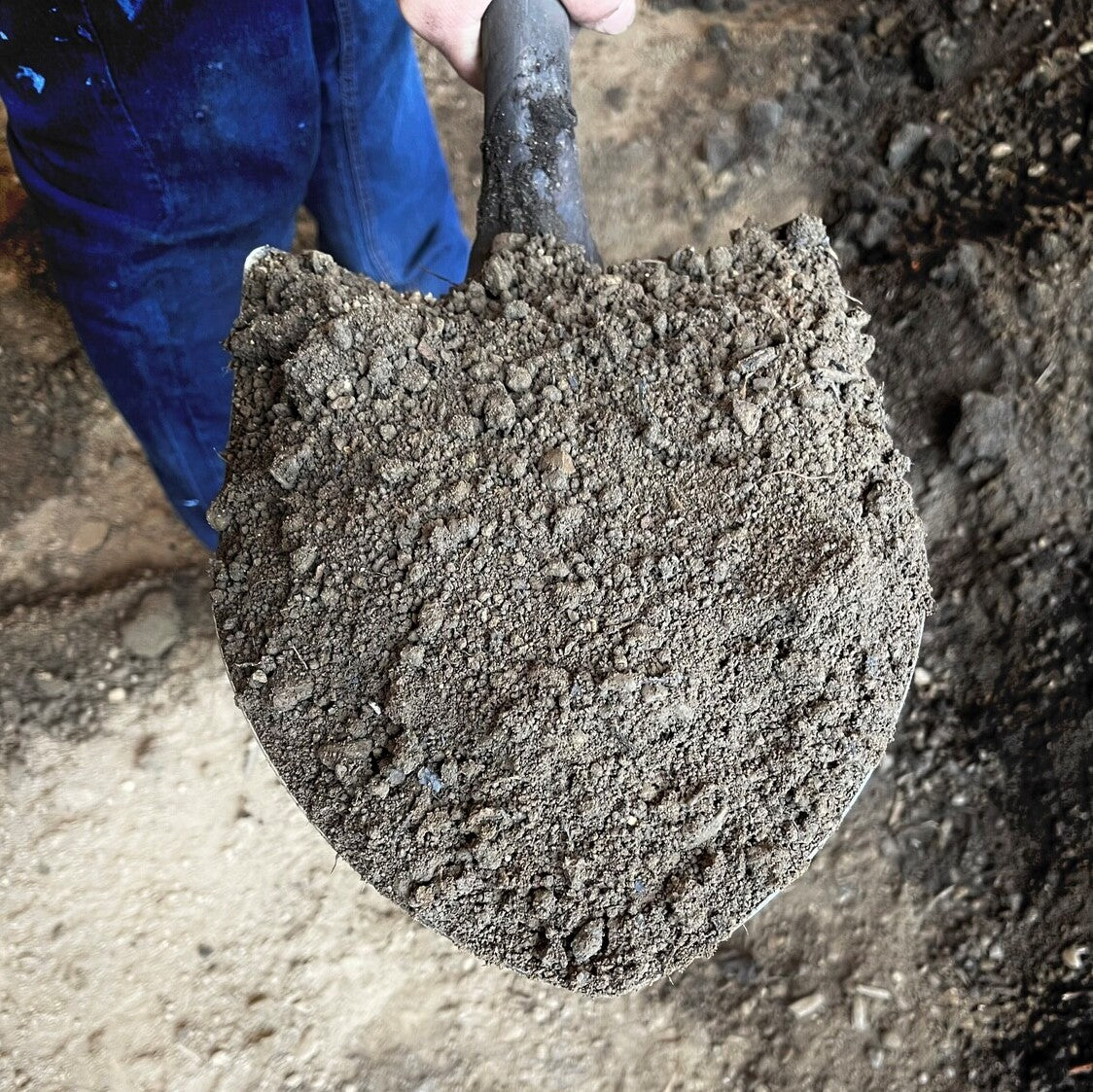
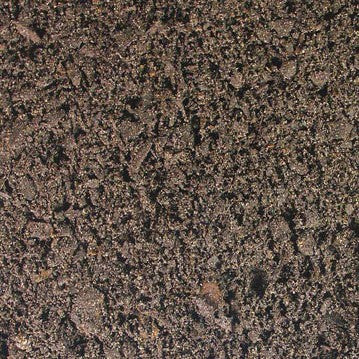
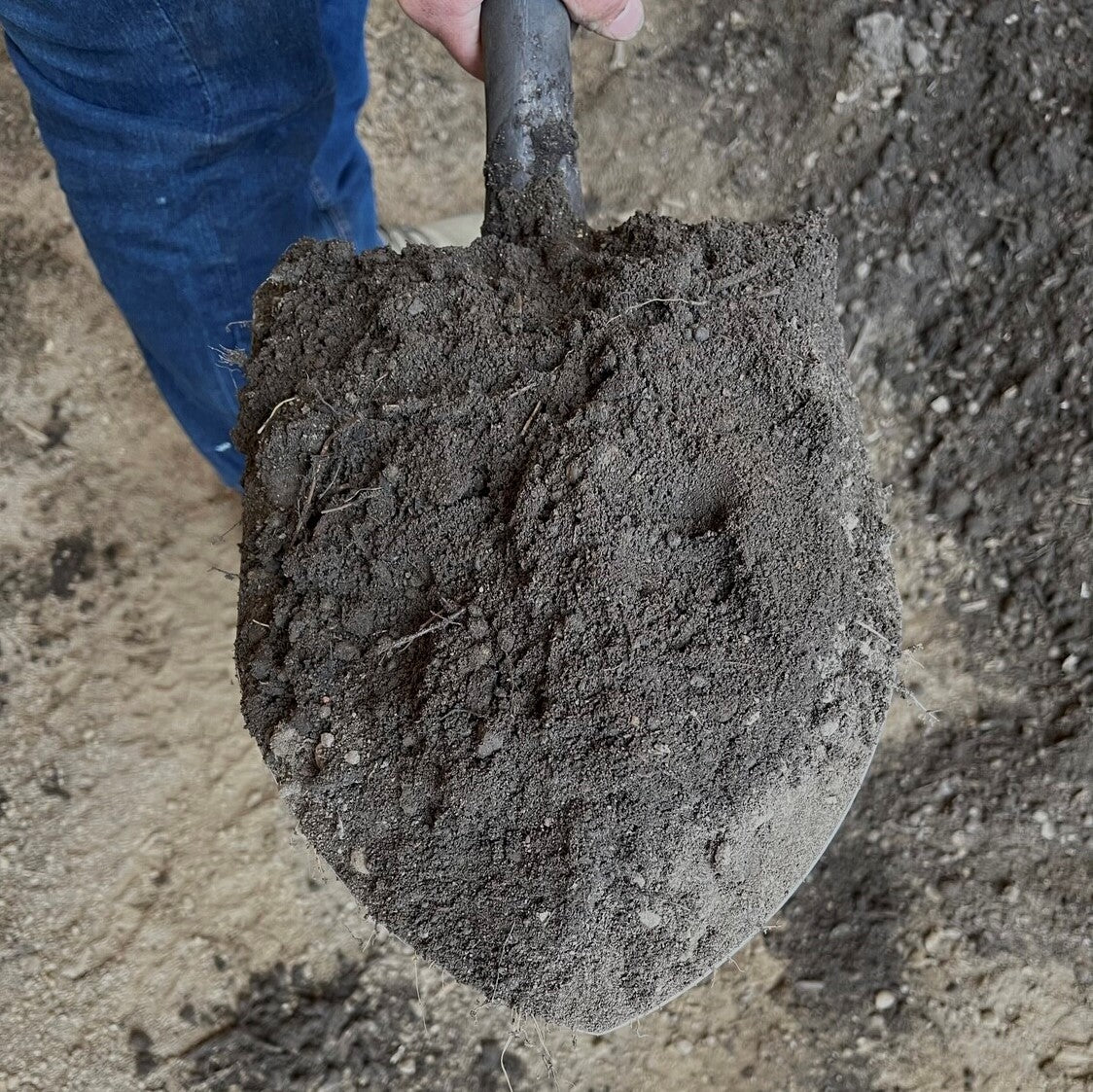
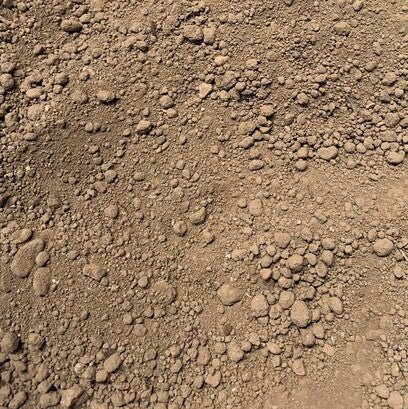
Quality topsoil for lawns, gardens, and landscape projects. Nutrient rich and ready to support strong root development and healthy plant establishment.
Very happy with the ease of ordering. Delivery went exactly as planned. Garden soil looks great and couldn’t be happier.
Tell us what you're looking for
Thanks! We received your request.
Something went wrong. Please try again.
How Much Material Do I Need?
How Much Material Do I Need?
For new garden beds in Groveland, plan on at least 6 to 8 inches of quality soil to give roots enough depth before hitting the native sandy subsoil below. For lawn leveling and topdressing, a half inch to one inch over the problem area is typically sufficient given how quickly imported soil settles into Groveland's porous sandy base.
Use our free soil calculator
What is a yard?
What is a yard?
What is a yards?
What is a yards?
FAQs
FAQs
Groveland Soil Delivery
Groveland Soil Delivery
Regular price
$45.00
per
yard
Regular price
Sale price
$45.00
Unit price
per
Shipping calculated at checkout.
Couldn't load pickup availability
Not currently available
We can't take orders for this right now. Tell us what you need and we'll get back to you.
Hand-picked local yards
4,000+ regional deliveries
Dedicated support
Why order through Mulch Mound
The best local soil, without the guesswork.
We hand-pick and partner with the best yards in your region, keep only the ones our buyers rate well, and back each load with our guarantee.
Mulch Mound Guarantee
If your soil isn't the quantity or quality you ordered, we'll make it right.
About this soil
Quality topsoil for lawns, gardens, and landscape projects. Nutrient rich and ready to support strong root development and healthy plant establishment.
Very happy with the ease of ordering. Delivery went exactly as planned. Garden soil looks great and couldn’t be happier.
How Much Material Do I Need?
How Much Material Do I Need?
For new garden beds in Groveland, plan on at least 6 to 8 inches of quality soil to give roots enough depth before hitting the native sandy subsoil below. For lawn leveling and topdressing, a half inch to one inch over the problem area is typically sufficient given how quickly imported soil settles into Groveland's porous sandy base.
Use our free soil calculator
What is a yard?
What is a yard?
What is a yards?
What is a yards?
FAQs
FAQs
Tell us what you're looking for
Thanks! We received your request.
Something went wrong. Please try again.
How It Works
Getting started is easy — just follow these simple steps
1
Choose your soil
Make sure you adjust the quantity to your home's needs. You can use our calculator to estimate how much you'll need.
2
Select your delivery date
Select a delivery date you'd like for the product to be dropped off at your home
3
Sit back and wait
Sit back, wait, and let us work our magic to make sure the highest quality product is delivered to your driveway.

Really appreciate the care and follow thru that this company had with our order. A hiccup came up but they were quick to respond and address all co...
Read full review
Really appreciate the care and follow thru that this company had with our order. A hiccup came up but they were quick to respond and address all concerns, which made our garden day a success! Thank you for your prompt care.

Highest compliments. Great driver.
Website is easy to navigate. Just a seamless process. 5 stars!!
Need Help Calculating How Much Soil You Need?
Use our NEW Trace from Satellite tool to get an estimate for your project based on an aerial view of your property
Try Our CalculatorMeasure the length and width of your target area in feet, multiply those together, then multiply by your desired depth in feet to get cubic feet, and divide by 27 to convert to cubic yards. If you are leveling a Groveland lawn with uneven sandy soil, map out the deepest low spots separately and calculate those areas at a greater fill depth than the shallower areas. A little extra material is worth ordering in Groveland where sandy native soil offers no safety net if you come up short mid-project.
Soil Types We Deliver in Groveland
Whether you are filling raised beds or refreshing a tired lawn, bulk soil delivery by the cubic yard in Groveland puts the right material exactly where you need it. Central Florida's sandy native soils often need amending to support healthy turf, vegetables, and ornamentals. We deliver topsoil, planting mix, and compost directly to residential and commercial properties throughout the area.
Top Soil
The most requested material for lawn restoration, grading, and landscape bed work across central Florida's sandy terrain. Available in screened or unscreened styles, screened topsoil is sifted smooth for planting and topdressing while unscreened provides economical bulk fill for grading and site preparation. Both grades support strong root development in the warm local growing season.
Planting Mix
A balanced gardening blend of topsoil and compost, planting mix is the go-to choice for raised beds and vegetable gardens in Florida's long growing season. The mixture improves moisture retention in sandy ground and gives transplants and seeds a nutrient rich start, making it well suited to backyard kitchen gardens and ornamental beds.
Organic Compost
Our premium aged leaf compost is a natural soil amendment that enriches sandy Florida soil with organic matter and improves moisture retention between summer rains. Worked into beds or spread as a topdressing, it feeds beneficial soil biology and helps establish healthy root systems in lawns, gardens, and ornamental plantings.
Complete Your Outdoor Soil Project
After placing your soil, top the beds with bulk mulch to protect the surface from Groveland's intense sun and heavy summer rains, which can erode or compact fresh topsoil quickly if left exposed. Stone borders around your new beds keep soil contained and give the finished project a clean, defined edge that holds up well through the storm season.


Mulch Mound Pro Tip
When building raised beds in Groveland, fill the bottom third with a coarser material like aged wood chips or composted bark before topping with your garden soil. This lower layer improves drainage within the bed and prevents the bottom from becoming waterlogged during the heavy summer rain events. Groveland's zone 9b heat then helps this bottom layer continue decomposing slowly, feeding roots from below as the season progresses.
Mulch Mound Pro Tip
Groveland's sandy subsoil tends to wick moisture away from imported topsoil very quickly, especially during the dry spring period before the summer rains begin. Before spreading bulk topsoil in a new bed, water the native sandy ground beneath it thoroughly first. This creates a temporarily saturated base layer that slows the initial moisture loss from your new soil and gives newly transplanted plants a more stable start during their critical first weeks.
Mulch Mound Pro Tip
Groveland receives close to 49 inches of rain per year, with the heaviest events arriving in summer, and freshly placed topsoil is highly vulnerable to surface crusting after these intense downpours. A crusted surface reduces water infiltration and can slow or prevent seedling emergence significantly. Break up any crust that forms after heavy rains with a light rake before it has a chance to harden. Keeping your new soil loose in the top inch makes a noticeable difference in how well plants establish through the summer growing season.
The Unique Landscape of Groveland
Groveland's native sandy soil is low in organic matter, drains almost instantly after rain, and struggles to hold the nutrients that productive lawns and gardens require over a long growing season. At an elevation of 105 feet, properties here often have very uniform sandy profiles without the clay layers found closer to Florida's coasts, meaning nothing naturally slows water movement through the ground beneath your yard. Importing quality topsoil or garden soil is not a luxury in Groveland, it is often the only practical way to build planting beds that can actually sustain vegetables, flowers, or ornamentals through nearly 10 months of active growth. The zone 9b climate keeps plants feeding and developing from late February through early December, and that long demand cycle requires soil with real nutrient-holding capacity. Whether you are leveling a lawn, building raised beds, or grading around a new structure, bringing in the right soil product sets the foundation for everything else you grow in Groveland.