About this soil

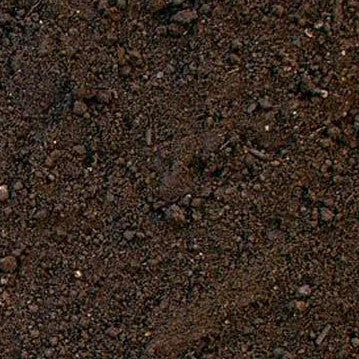
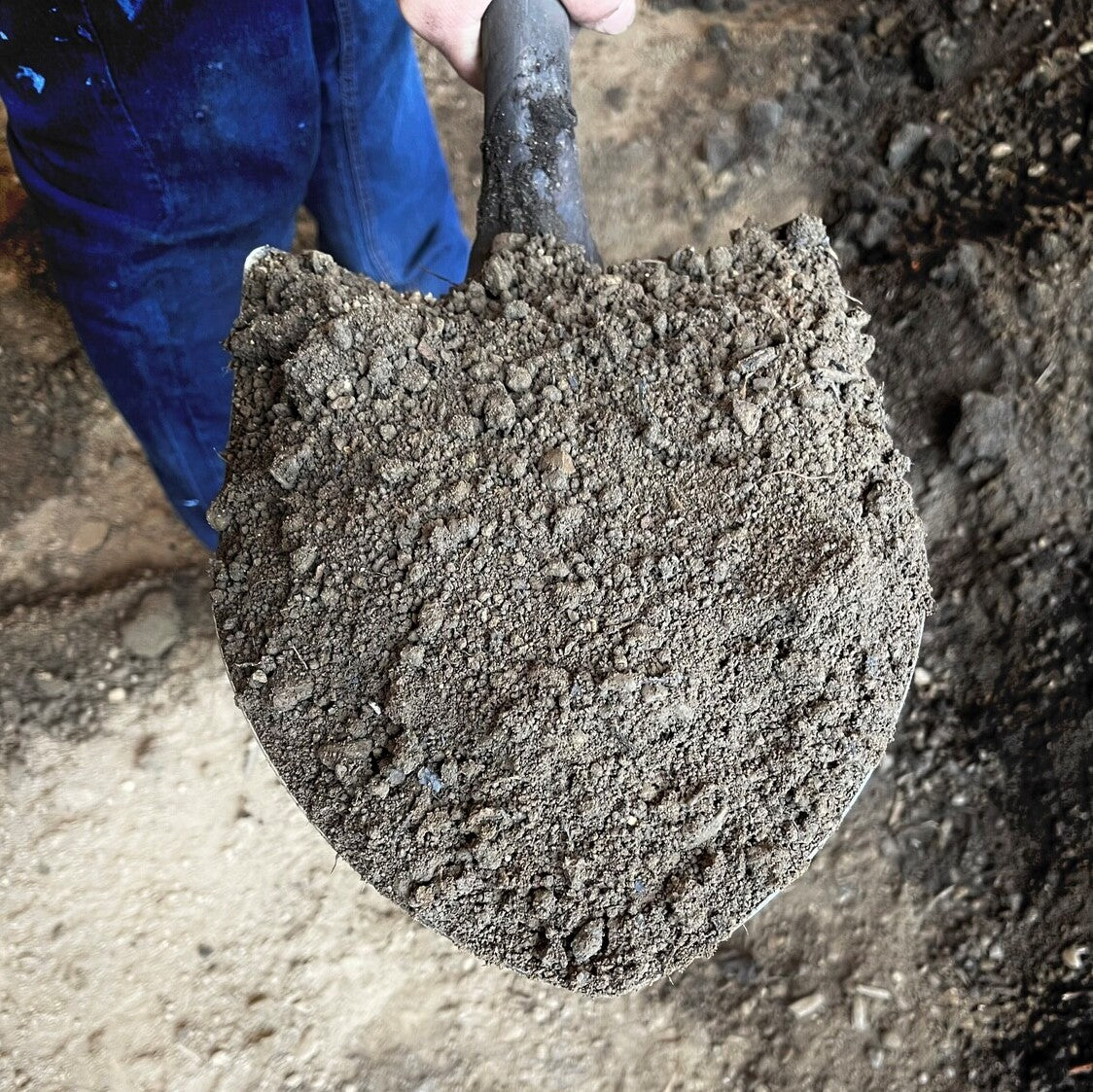
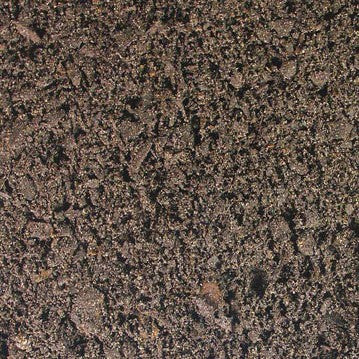
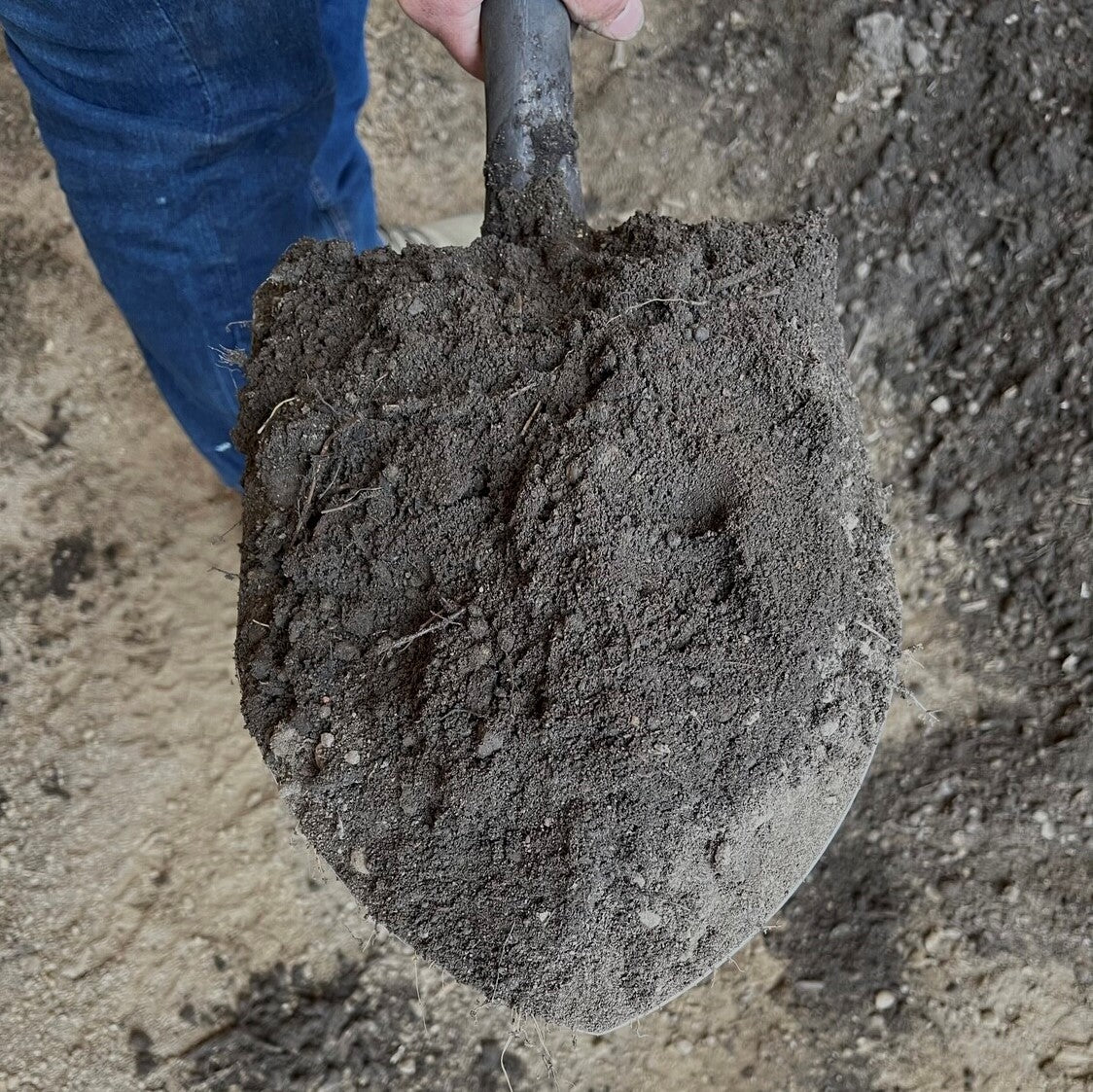
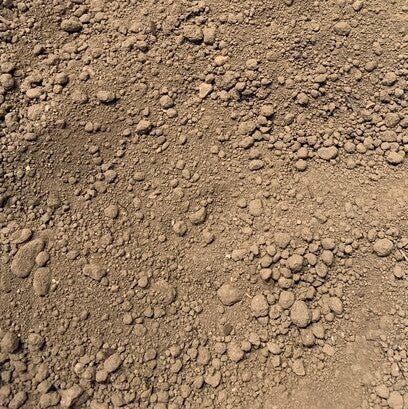
Screened topsoil with a fine, even texture. Ideal for new lawns, sod prep, and raised garden beds.

Great experience - not only was this the most affordable option for dirt delivery in Cleveland heights, but the delivery was fast and friendly. Got exactly what I needed and the truck got as close as possible to where I needed the dirt - even in my cramped driveway. Will be us...

Figure 2 inches for top dressing an existing lawn, 4 to 6 inches for new beds, and a full 10 to 12 inches of blended soil for raised vegetable beds. Order about 10 percent extra to account for settling.
Use our free soil calculator

A yard is approximately 27 cubic feet. As a general guideline, one yard of material can cover an area of about 100-160 square feet at a 2-3 inch depth.

Hamilton Soil Delivery

Hamilton Soil Delivery

4.7
137 reviews
Regular price $55.00 per Yard
Regular price Sale price $55.00
Sale Sold out
Shipping calculated at checkout.
Type
Style
Hand-picked local yards
4,000+ regional deliveries
Dedicated support
Why order through Mulch Mound

The best local , without the guesswork.

We hand-pick and partner with the best yards in your region, keep only the ones our buyers rate well, and back each load with our guarantee.

Mulch Mound Guarantee

If your isn't the quantity or quality you ordered, we'll make it right.

About this soil

Screened topsoil with a fine, even texture. Ideal for new lawns, sod prep, and raised garden beds.

Great experience - not only was this the most affordable option for dirt delivery in Cleveland heights, but the delivery was fast and friendly. Got exactly what I needed and the truck got as close as possible to where I needed the dirt - even in my cramped driveway. Will be us...

Figure 2 inches for top dressing an existing lawn, 4 to 6 inches for new beds, and a full 10 to 12 inches of blended soil for raised vegetable beds. Order about 10 percent extra to account for settling.
Use our free soil calculator

A yard is approximately 27 cubic feet. As a general guideline, one yard of material can cover an area of about 100-160 square feet at a 2-3 inch depth.

View full details

How It Works

Getting started is easy — just follow these simple steps

1

Choose your soil

Make sure you adjust the quantity to your home's needs. You can use our calculator to estimate how much you'll need.

2

Select your delivery date

Select a delivery date you'd like for the product to be dropped off at your home

3

Sit back and wait

Sit back, wait, and let us work our magic to make sure the highest quality product is delivered to your driveway.

What Hamilton Customers Like About Our Soil

4.7
out of 5 based on 137 reviews
Google Reviews

Need Help Calculating How Much Soil You Need?

Use our NEW Trace from Satellite tool to get an estimate for your project based on an aerial view of your property

Try Our Calculator
📍

Measure the length and width of the area, then decide your depth in inches before running the numbers, because depth drives the volume more than most people expect. One cubic yard covers roughly 160 square feet at 2 inches or 80 square feet at 4 inches. For raised beds, use inside dimensions and subtract nothing, since fresh soil settles 10 to 15 percent after the first Hamilton rain.

Complete Your Outdoor Soil Project

Finish with a couple yards of hardwood mulch to lock in the moisture your new soil holds, and add compost if you are planting vegetables or renovating tired perennial beds.

Frequently Asked Questions

Click a question to see the answer

Answer

What kind of soil do I already have in Hamilton?

Most of Hamilton and the surrounding Butler County bottomland is silt loam, a fine textured soil that holds moisture and nutrients well. Its weakness is compaction and surface crusting. Adding compost and screened topsoil keeps it open so roots and water can move through it.

Answer

How much topsoil do I need to level my yard before seeding?

For minor leveling, 2 inches over the area is typical, which is about 6 cubic yards per 1,000 square feet. If you are filling a settled low spot or covering rough grading, plan on 4 to 6 inches. Hamilton lawns often need extra fill along foundations where builder backfill has settled over the years.

Answer

When should I bring in soil for a new vegetable garden here?

Late March through mid April works well, giving the bed a few weeks to settle before the April 22 average last frost and your first tomato planting in early May. Fall delivery in October also works, letting the soil mellow over winter so it is ready to plant early.

Answer

Can I use screened topsoil by itself in a raised bed?

It is better to blend it. Straight topsoil in a raised bed compacts and drains slowly, which is a real problem during Hamilton's wet spring. Mix roughly two parts screened topsoil with one part compost for beds that stay loose and drain properly through a 43 inch rain year.

Answer

Why does water stand in my yard after every storm?

Usually compaction rather than the soil type. Silt loam drains at a reasonable rate when it has structure, but traffic and equipment squeeze the pores shut. Core aerate, top dress with a half inch of compost, and fill genuine low areas with screened topsoil so runoff has somewhere to go besides your patio.

Answer

How many cubic yards fit in a pickup truck?

A half ton pickup should not carry more than about a half yard of soil, since a yard of moist topsoil weighs well over a ton. For most Hamilton projects, from a single raised bed up to a full lawn renovation, having it delivered by the yard is cheaper and easier on your suspension.

Answer

Do I need to test my soil before adding topsoil?

It is worth a basic test if you are planting vegetables or fruit. Hamilton soils often run slightly acidic to neutral, and a $20 test through the Butler County extension office tells you whether you need lime or extra organic matter. Otherwise, blending compost into good screened topsoil is a safe default.

Mulch Mound Pro Tip

Never till or spread soil on saturated ground. Hamilton's silt loam is especially prone to smearing when wet, and working it in April mud creates a compacted layer that roots cannot penetrate for years. Squeeze a handful into a ball and press it with your thumb. If it slicks over rather than crumbling, wait two or three dry days. Patience here saves an entire season of poor growth.

Mulch Mound Pro Tip

Blend the boundary between new and existing soil. Dumping 4 inches of topsoil straight onto compacted ground creates a bathtub effect where water sits at the seam, which shows up fast during a wet Hamilton spring. Scarify the existing surface with a rake or tiller 2 inches deep, then spread half your new soil and mix it in before adding the rest. Roots will cross the boundary instead of circling.

Mulch Mound Pro Tip

Time raised bed filling for fall if you can. Ordering soil in October, after our first frost around October 20, gives the blend all winter to settle and stabilize through Hamilton's freeze and thaw cycles. By April the bed has knit together, weed seeds in the mix have been exposed to cold, and you can plant immediately instead of waiting for a fresh pile to firm up.

The Unique Landscape of Hamilton

Hamilton's native silt loam is genuinely good soil, but very few yards here still have much of it intact. Construction grading on newer streets and decades of foot traffic in older neighborhoods like Prospect Hill leave behind thin, compacted topsoil over dense subsoil. Add 43 inches of yearly rainfall washing fines downhill on the river terraces, and beds and lawns end up sitting low, holding puddles, and struggling to root deeply. Bringing in screened topsoil, garden mix, or compost rebuilds the 6 to 8 inches of workable soil that vegetables, sod, and perennials need in Zone 6b. Good soil also extends your effective season, warming faster in April and draining better through a wet Ohio spring.