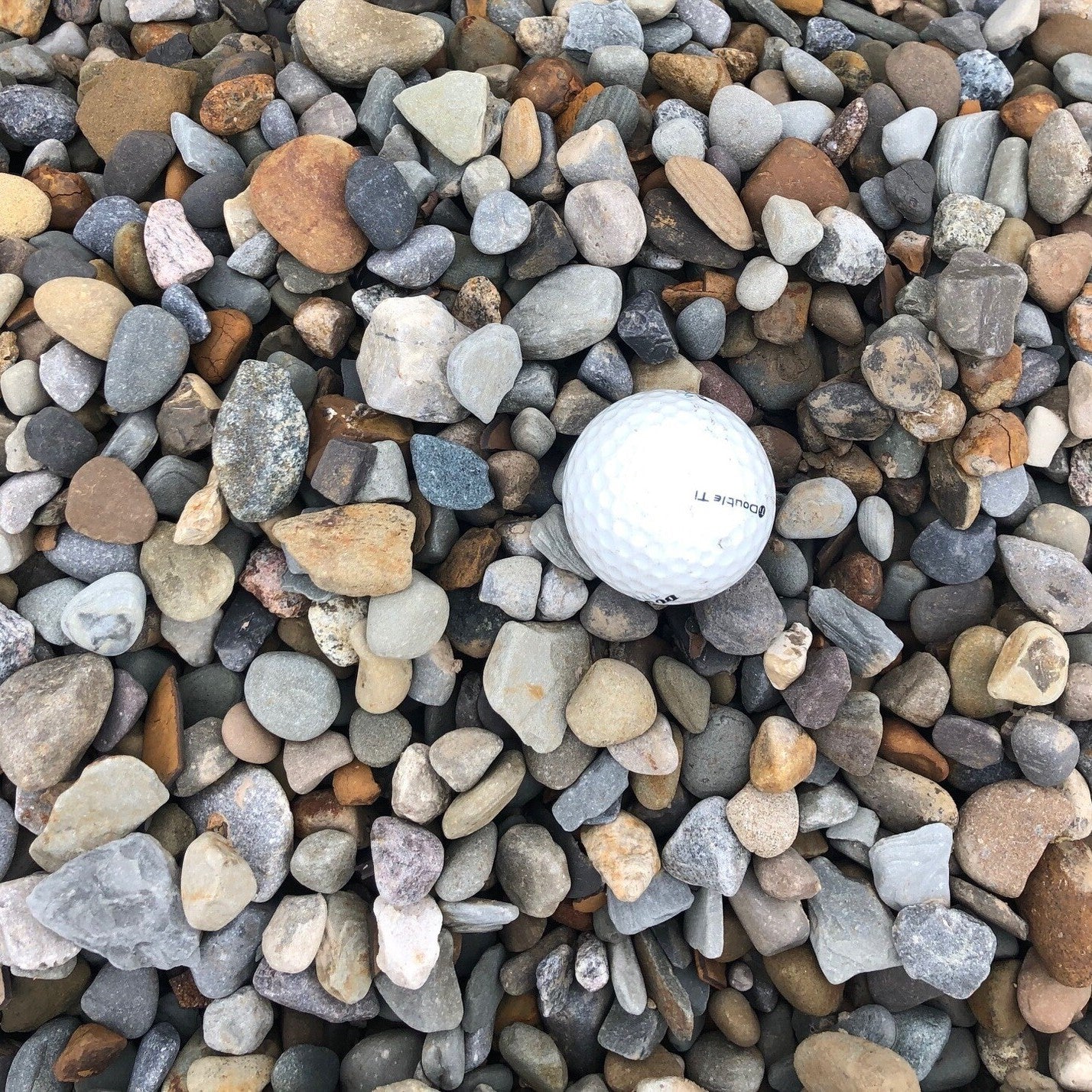
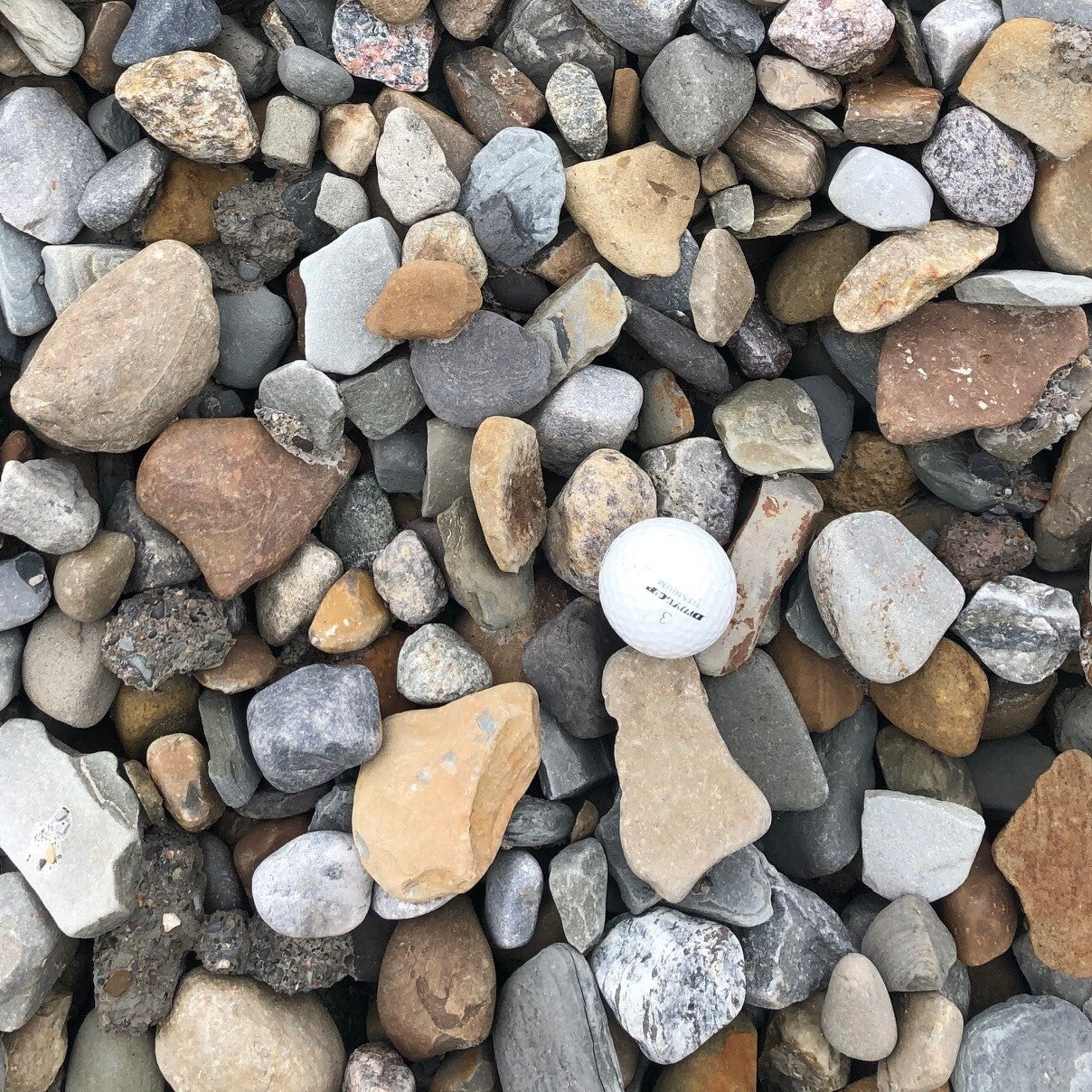
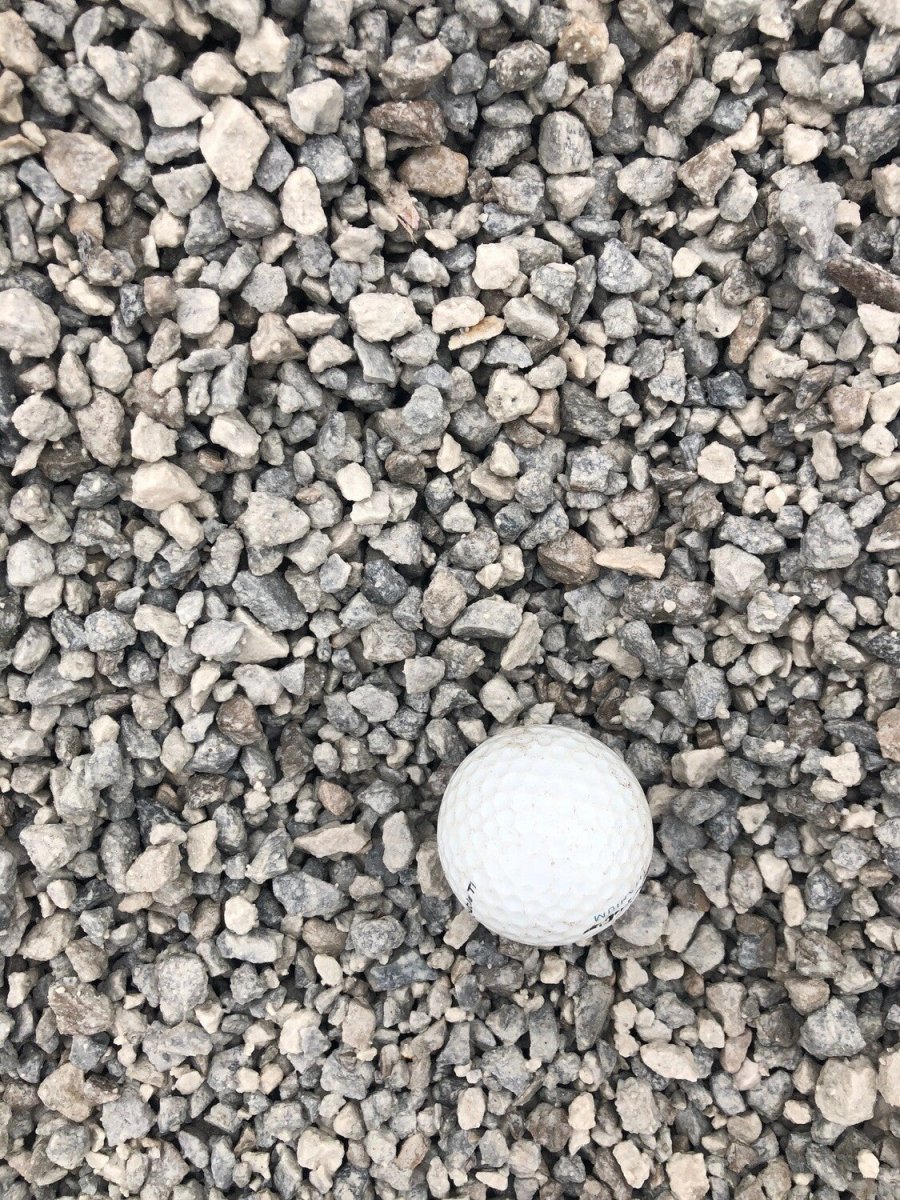
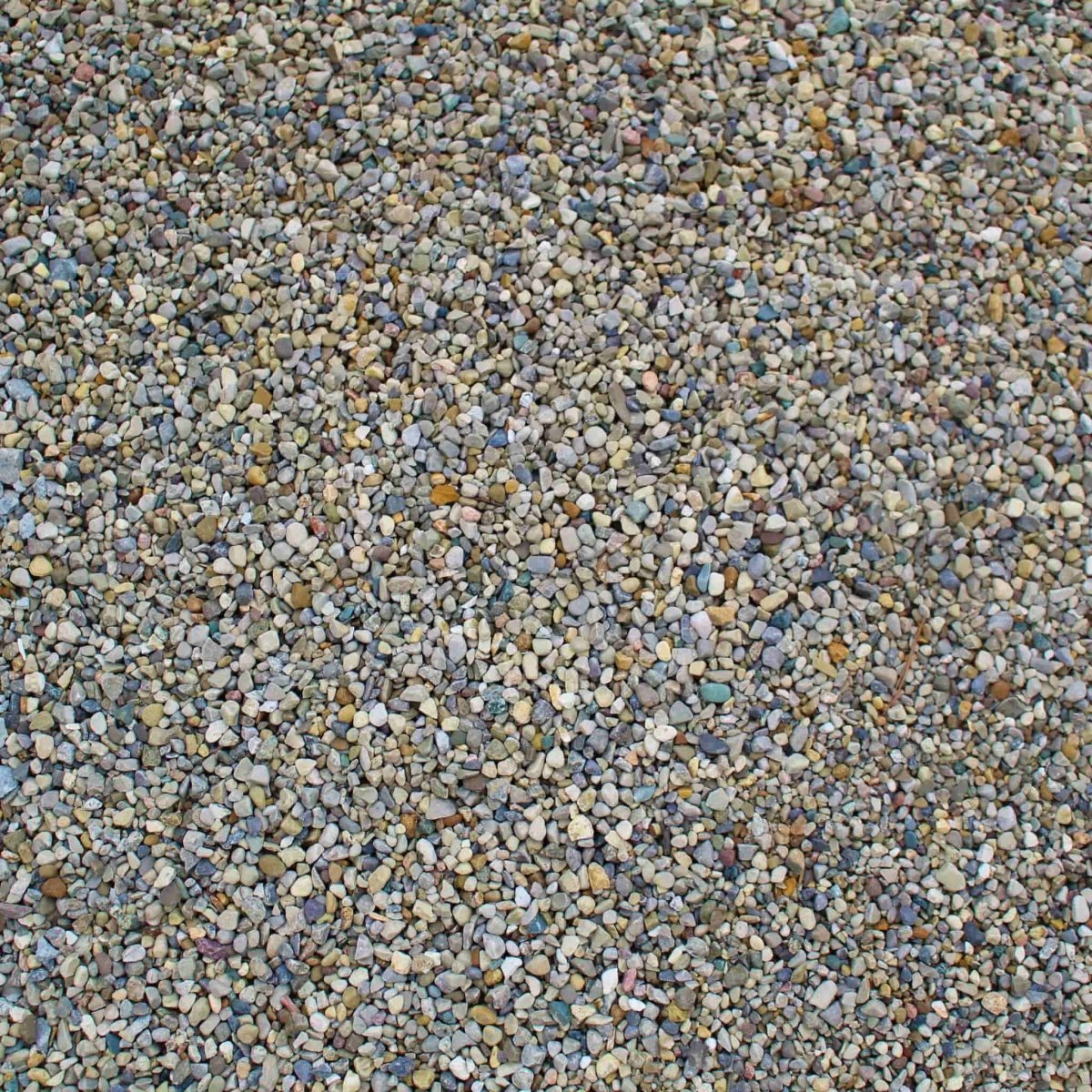
Number 57 crushed stone, angular limestone graded to about three quarters of an inch. The standard driveway, base and drainage gravel, it locks together under traffic and drains fast.
Mulch Mound delivered a yard of pea gravel to us. Delivery was on time, driver was friendly and hit a bullseye on the “tarp target”. We used the pea gravel (which was diameter as specified) to fill several muskrat holes around our pond. I would definitely recommend Mulch Mo...
Tell us what you're looking for
Thanks! We received your request.
Something went wrong. Please try again.
How Much Material Do I Need?
Use 2 to 3 inches for decorative stone beds, 4 inches for driveways and paths, and 4 to 6 inches of compacted base under any patio or wall in Hamilton's freeze and thaw climate. Order about 10 percent extra for settling into the soil.
Use our free gravel calculator
What is a Yard?
A yard is approximately 27 cubic feet. As a general guideline, one yard of material can cover an area of about 100-160 square feet at a 2-3 inch depth.
What is a ton?
A ton is approximately 2,000 pounds. Coverage varies by stone type and depth, but as a general guideline, one ton covers roughly 80-100 square feet at 2 inches deep.
We can't take orders for this right now. Tell us what you need and we'll get back to you.
What do you need?
Thanks! We received your request.
Something went wrong. Please try again.
Hand-picked local yards
4,000+ regional deliveries
Dedicated support
Why order through Mulch Mound
The best local , without the guesswork.
We hand-pick and partner with the best yards in your region, keep only the ones our buyers rate well, and back each load with our guarantee.
Mulch Mound Guarantee
If your isn't the quantity or quality you ordered, we'll make it right.
About this stone
Number 57 crushed stone, angular limestone graded to about three quarters of an inch. The standard driveway, base and drainage gravel, it locks together under traffic and drains fast.
Mulch Mound delivered a yard of pea gravel to us. Delivery was on time, driver was friendly and hit a bullseye on the “tarp target”. We used the pea gravel (which was diameter as specified) to fill several muskrat holes around our pond. I would definitely recommend Mulch Mo...
How Much Material Do I Need?
Use 2 to 3 inches for decorative stone beds, 4 inches for driveways and paths, and 4 to 6 inches of compacted base under any patio or wall in Hamilton's freeze and thaw climate. Order about 10 percent extra for settling into the soil.
Use our free gravel calculator
What is a Yard?
A yard is approximately 27 cubic feet. As a general guideline, one yard of material can cover an area of about 100-160 square feet at a 2-3 inch depth.
What is a ton?
A ton is approximately 2,000 pounds. Coverage varies by stone type and depth, but as a general guideline, one ton covers roughly 80-100 square feet at 2 inches deep.
Mulch Mound delivered a yard of pea gravel to us. Delivery was on time, driver was friendly and hit a bullseye on the “tarp target”. We used the ...
Read full review
Mulch Mound delivered a yard of pea gravel to us. Delivery was on time, driver was friendly and hit a bullseye on the “tarp target”. We used the pea gravel (which was diameter as specified) to fill several muskrat holes around our pond. I would definitely recommend Mulch Mound to a friend!
Measure your area in feet and settle on a depth first, then remember stone is usually sold by the ton rather than the yard. As a rule, one ton of crushed limestone covers about 100 square feet at 2 inches deep, and river rock covers slightly more because it is less dense. For dry creek beds, measure the channel width and length rather than the whole slope.
Complete Your Outdoor Stone Project
Add landscape fabric and steel or paver edging to keep stone from migrating into the lawn, and pick up screened topsoil or mulch for the planted areas alongside your new stonework.
Compact in layers, not all at once. Dump 2 inches of crushed limestone, run a plate compactor over it, then repeat until you reach full depth. Hamilton's silt loam subgrade is soft when damp, and a single thick lift never consolidates all the way down. A lightly dampened base compacts far better than a bone dry one, so mist each lift before you run the compactor.
Mulch Mound Pro Tip
Direct downspouts into your stone, not around it. Most Hamilton drainage complaints trace back to gutters dumping concentrated water at the foundation. Extend the downspout into a gravel trench or the head of a dry creek bed so that 43 inches of annual rain leaves the house in a controlled path. Slope the run away from the foundation for at least 10 feet before it discharges onto the lawn.
Mulch Mound Pro Tip
Choose stone color with Hamilton's summer heat in mind. Light gray limestone and pea gravel stay noticeably cooler than dark river rock or black lava stone, which can scorch nearby foliage and bake shallow roots during a humid July stretch. If you want dark stone next to plantings, keep the bed at least 3 feet wide and stick with heat tolerant choices like sedum, ornamental grasses, and coneflower.
The Unique Landscape of Hamilton
With 43 inches of rain falling on Hamilton each year, much of it in intense bursts, moving water is the single biggest maintenance problem in local yards. Silt loam erodes readily once it is bare, and homes on the slopes above the Great Miami River see gullies form in a single storm season. Decorative gravel, drainage stone, and river rock give that water a path and a place to slow down instead of carving through your beds. Stone also solves the freeze and thaw problem, since Zone 6b winters here swing above and below freezing dozens of times and heave anything sitting on unstabilized soil. A properly built gravel base under a patio, walkway, or driveway is what keeps it flat through a Hamilton February.
Frequently Asked Questions
Click a question to see the answer
Answer
What stone should I use under a patio or paver walkway?
Start with 4 to 6 inches of compacted 304 or 411 crushed limestone, then a 1 inch bedding layer of coarse sand or 9 gravel. Hamilton's freeze and thaw cycles will lift pavers set straight on silt loam, so the compacted base and good drainage are not optional here.
Answer
Will gravel stop the erosion on my sloped backyard?
It helps a great deal if you build it as a dry creek bed rather than just scattering rock. Line the channel with fabric, set larger 3 to 6 inch river rock along the sides, and use smaller washed gravel in the center. That gives Hamilton's storm runoff a defined path instead of letting it cut into the silt loam.
Answer
How much stone do I need for my driveway?
A typical Hamilton two car driveway of about 600 square feet needs roughly 6 to 7 tons for a 4 inch depth. Gravel is sold by weight, and one ton of crushed limestone covers about 100 square feet at 2 inches. Plan on topping off an inch every few years as traffic works stone into the soil.
Answer
Should I put landscape fabric under decorative stone?
Yes for decorative beds, no for structural bases. Fabric under river rock keeps our silt loam from working up between the stones, which happens quickly here because fine soil particles migrate with every heavy rain. Under a patio base, fabric belongs beneath the gravel, not between the gravel and the sand.
Answer
Is stone a better choice than mulch around my foundation?
For the narrow strip right against the house, often yes. Stone does not hold moisture against siding through Hamilton's humid summers and it does not need replacing every spring. Keep plants that need cooler roots, like hydrangeas, in mulched beds farther out, since stone radiates heat on a 90 degree July afternoon.
Answer
What size gravel works for a French drain in Hamilton?
Use washed 57 stone, roughly three quarter inch and clean of fines, so water moves freely. Unwashed gravel carries dust that clogs with our silt loam and the drain stops working within a couple of years. Wrap the pipe and stone in fabric and slope it at least an eighth inch per foot toward the outlet.
Answer
Can I install stone projects in the winter here?
Hauling and spreading stone is fine on a dry winter day, and Hamilton often gives you workable stretches in December and January. What you cannot do well is compact a base in frozen or saturated ground. For patios and walkways, wait for a dry window after the ground thaws in spring.
Answer
Is there a stone yard near Hamilton?
Lining a gully on a slope above the Great Miami River with crushed stone is a common Hamilton fix after a hard rainy season, and the stone comes straight to your driveway instead of a trip to a stone yard. Mulch Mound delivers crushed stone and limestone by the cubic yard, so there is no need to visit a quarry.