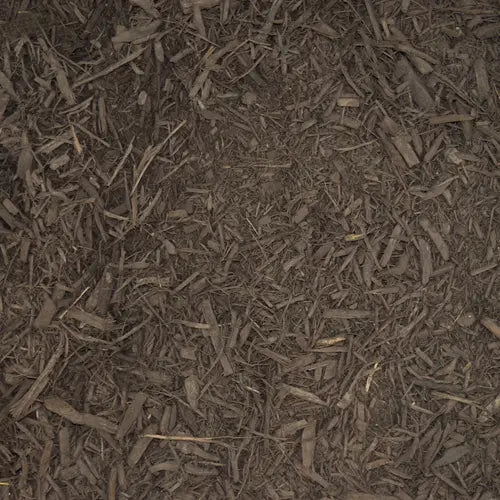
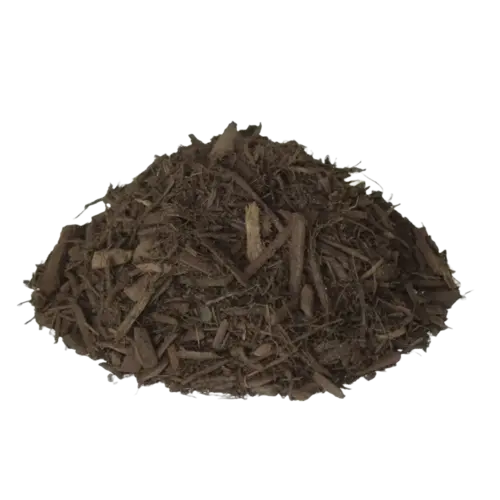
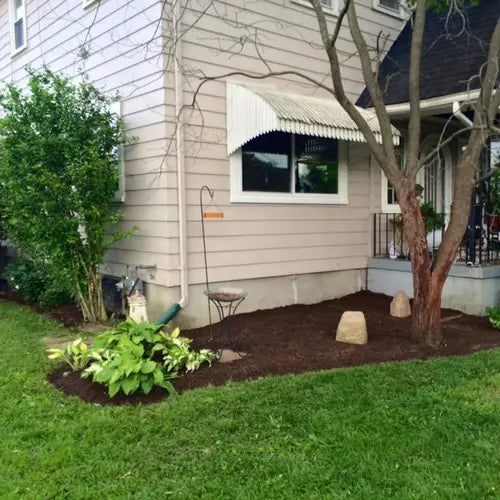
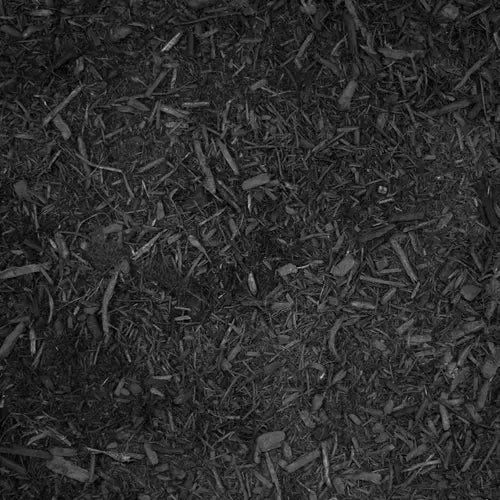
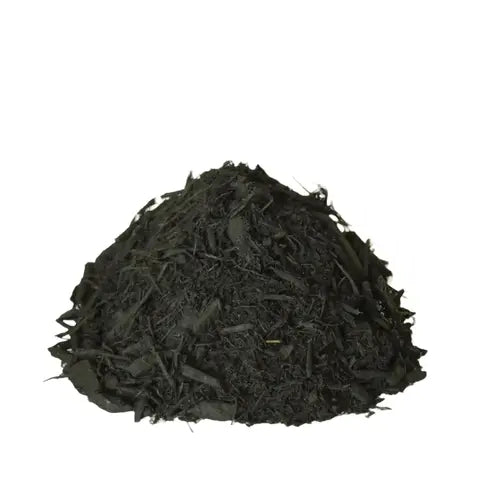
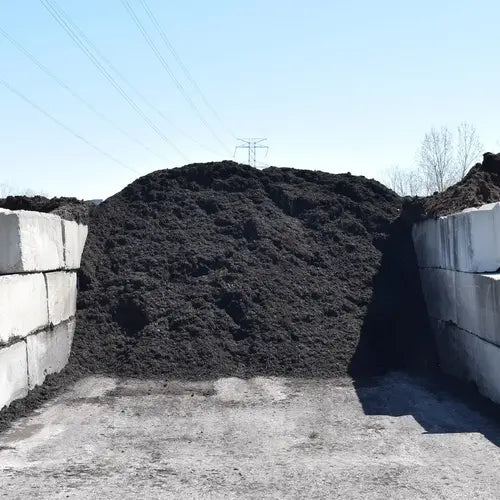
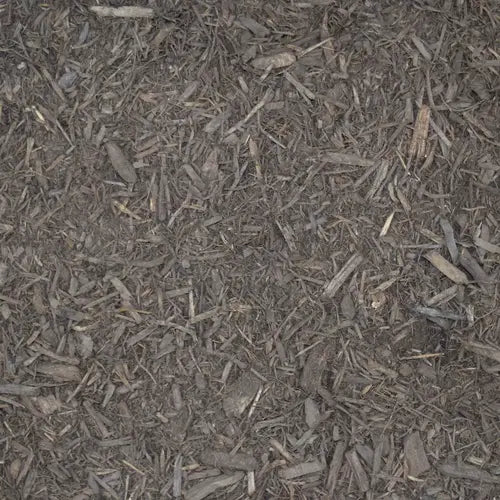
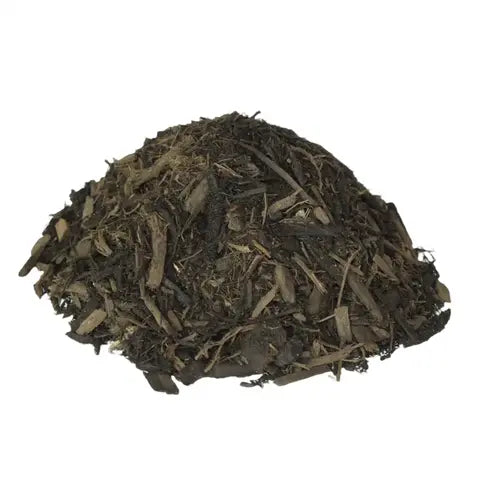
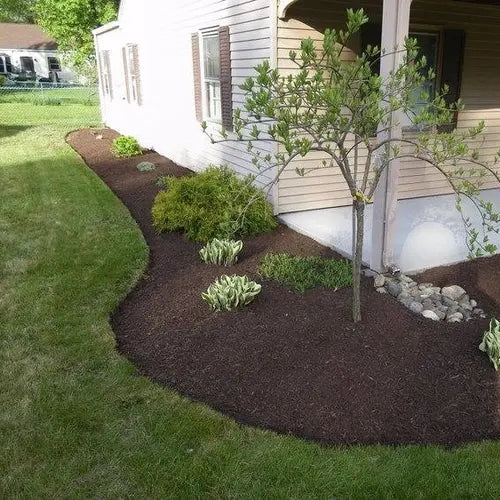
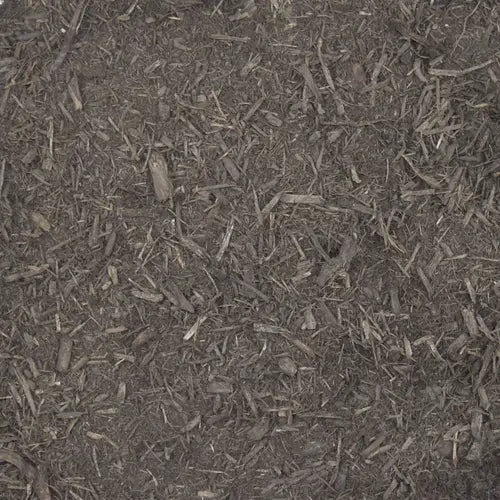
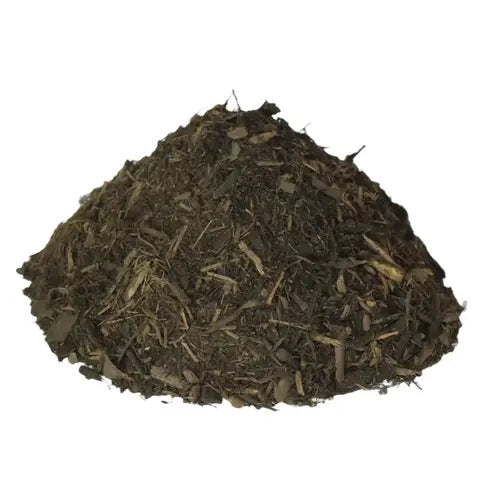
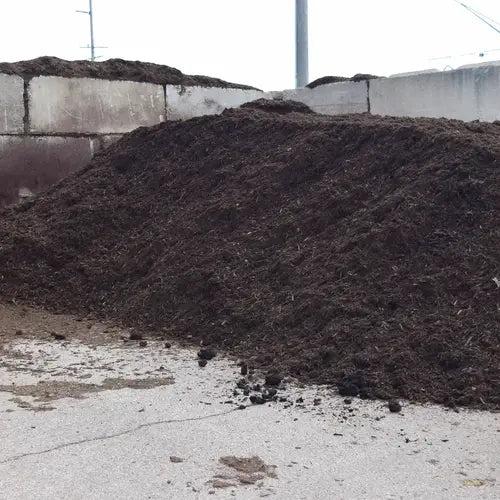
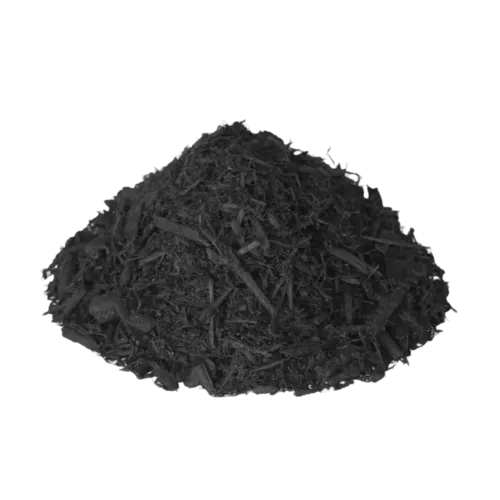
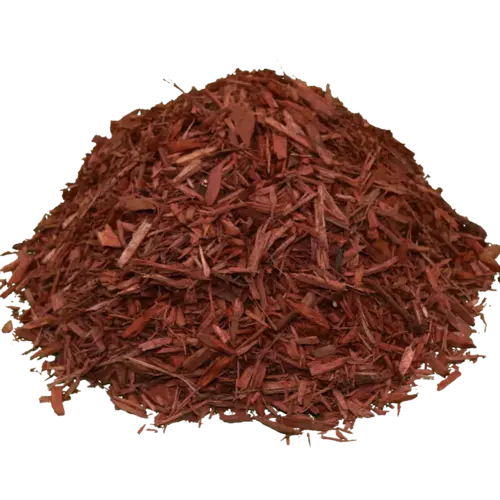
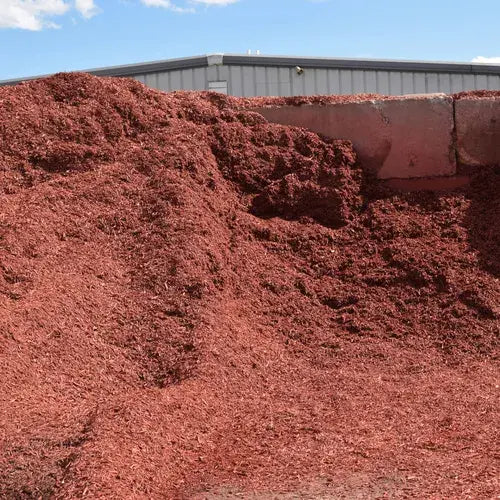
Warm brown double shredded mulch with lasting color that looks freshly applied for weeks. Spreads smooth, stays put, and gives beds a natural, polished appearance.
We needed mulch for our HOA common areas. Local providers were all holding high prices even for 40 yards of mulch. Mulch mound was easy to wowith & has great price for natural mulch + delivery schedule options. They called before delivery to ensure Delivery was exactly wher...
Tell us what you're looking for
Thanks! We received your request.
Something went wrong. Please try again.
How Much Material Do I Need?
In Hammond's clay-heavy beds, 2 to 3 inches of mulch is the recommended depth. More than 3 inches can trap excessive moisture against plant crowns in areas where clay already slows drainage.
Use our free mulch calculator
What is a yard?
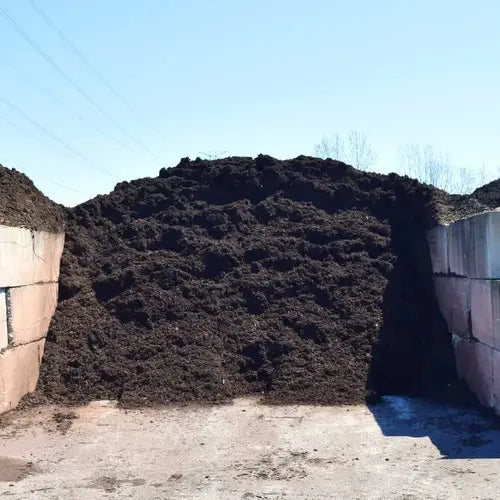
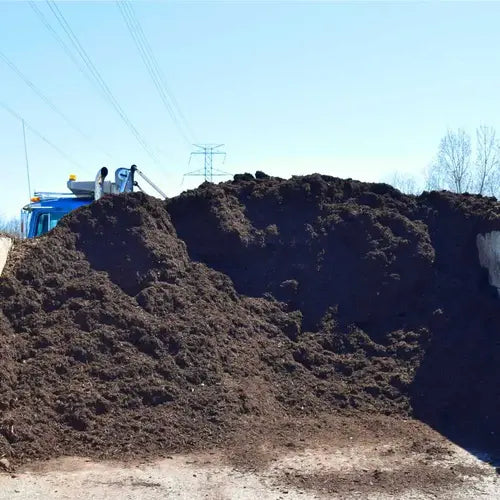
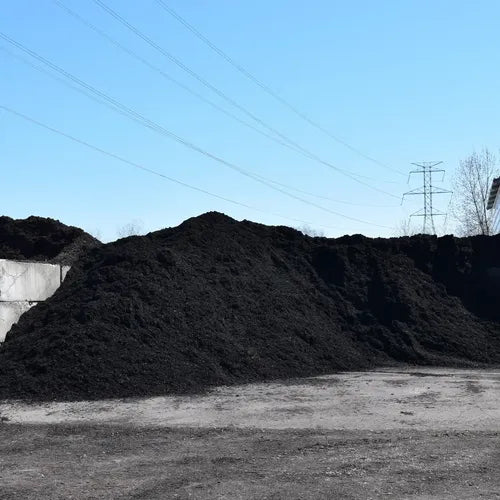
A yard is approximately 27 cubic feet. As a general guideline, one yard of material can cover an area of about 100-160 square feet at a 2-3 inch depth.
We can't take orders for this right now. Tell us what you need and we'll get back to you.
What do you need?
Thanks! We received your request.
Something went wrong. Please try again.
Hand-picked local yards
4,000+ regional deliveries
Dedicated support
Why order through Mulch Mound
The best local mulch, without the guesswork.
We hand-pick and partner with the best yards in your region, keep only the ones our buyers rate well, and back each load with our guarantee.
Mulch Mound Guarantee
If your mulch isn't the quantity or quality you ordered, we'll make it right.
About this mulch
Warm brown double shredded mulch with lasting color that looks freshly applied for weeks. Spreads smooth, stays put, and gives beds a natural, polished appearance.
We needed mulch for our HOA common areas. Local providers were all holding high prices even for 40 yards of mulch. Mulch mound was easy to wowith & has great price for natural mulch + delivery schedule options. They called before delivery to ensure Delivery was exactly wher...
How Much Material Do I Need?
In Hammond's clay-heavy beds, 2 to 3 inches of mulch is the recommended depth. More than 3 inches can trap excessive moisture against plant crowns in areas where clay already slows drainage.
Use our free mulch calculator
What is a yard?
A yard is approximately 27 cubic feet. As a general guideline, one yard of material can cover an area of about 100-160 square feet at a 2-3 inch depth.
We needed mulch for our HOA common areas. Local providers were all holding high prices even for 40 yards of mulch. Mulch mound was easy to wowith...
Read full review
We needed mulch for our HOA common areas. Local providers were all holding high prices even for 40 yards of mulch. Mulch mound was easy to wowith & has great price for natural mulch + delivery schedule options. They called before delivery to ensure Delivery was exactly where we wanted it.
Delivery was on time and great quality Mulch. Got it done in a reasonable time and yard looks great. Couldn’t be happier!!! Thank you and will us...
Read full review
Delivery was on time and great quality Mulch. Got it done in a reasonable time and yard looks great. Couldn’t be happier!!! Thank you and will use again!!
Mulch Mound delivered a yard of pea gravel to us. Delivery was on time, driver was friendly and hit a bullseye on the “tarp target”. We used the ...
Read full review
Mulch Mound delivered a yard of pea gravel to us. Delivery was on time, driver was friendly and hit a bullseye on the “tarp target”. We used the pea gravel (which was diameter as specified) to fill several muskrat holes around our pond. I would definitely recommend Mulch Mound to a friend!
Before ordering, measure the length and width of each bed in feet and multiply to get square footage. For Hammond clay soils, a 2 inch depth is often sufficient near structures but bump up to 3 inches in open garden beds where weed pressure is heavier through the long rainy spring. Rounding your order up by about 10 percent is smart given how Hammond's irregular clay-surface terrain can require a little extra fill in low spots.
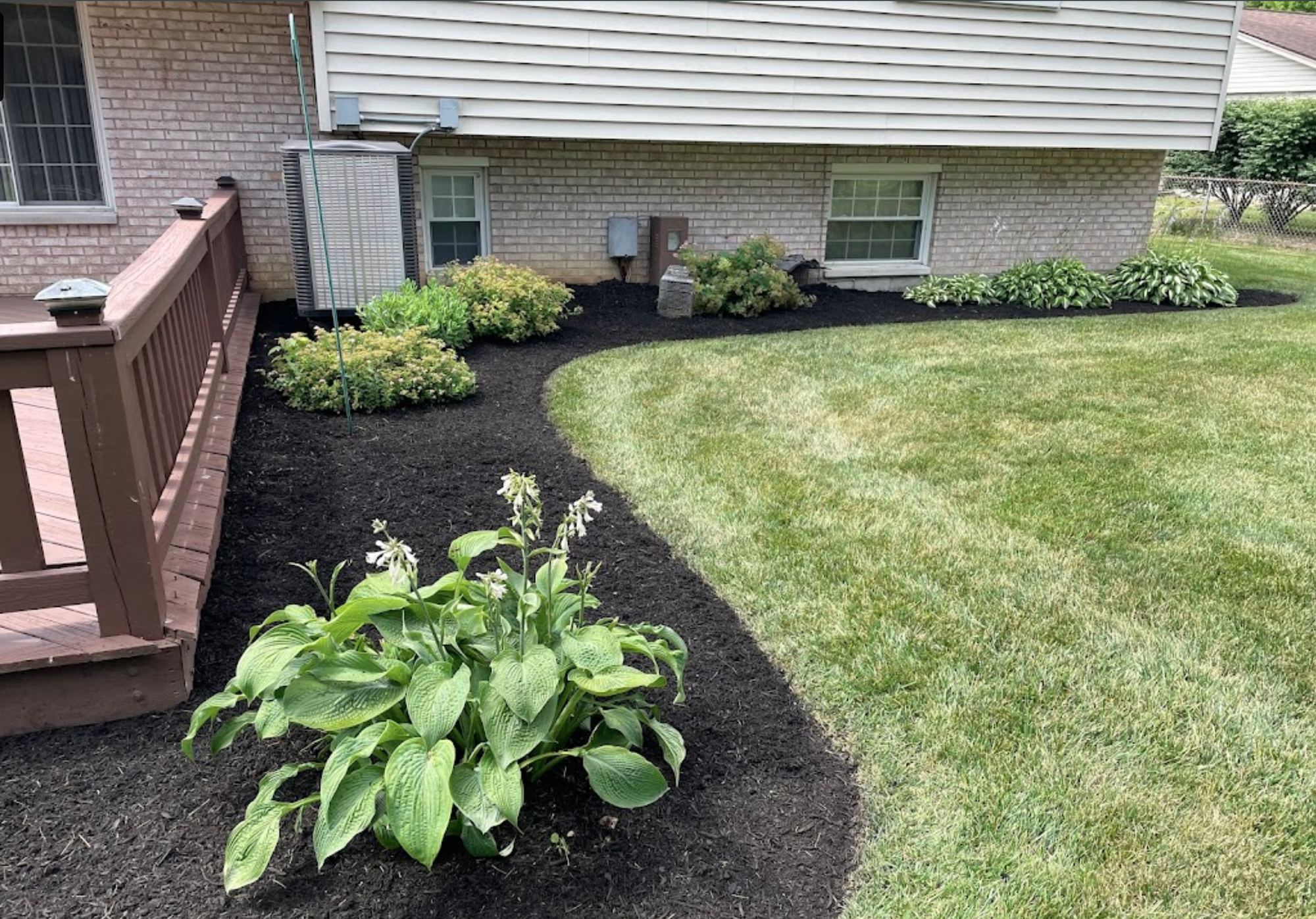
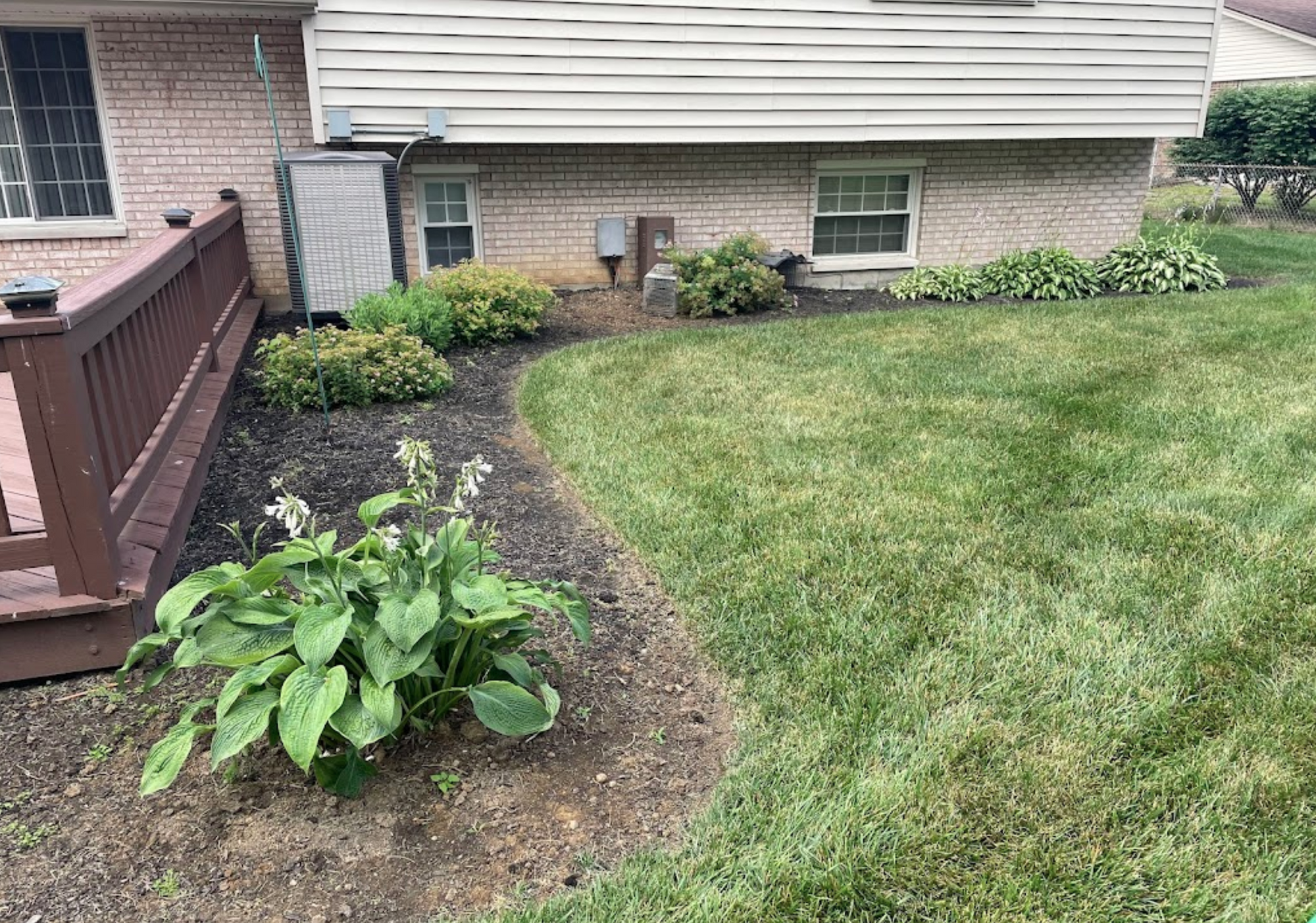
Mulch vs. No Mulch: The Difference
Hammond's growing season runs roughly from late April through mid-October, with warm humid summers that accelerate the breakdown of natural mulch materials. Natural hardwood mulch decomposes faster in these conditions, feeding organic matter back into Hammond's clay soil, which is a clear functional advantage over dyed options. Dyed mulch breaks down more slowly, meaning it holds color longer through Hammond's frequent spring rains but contributes less to improving clay soil structure over time.
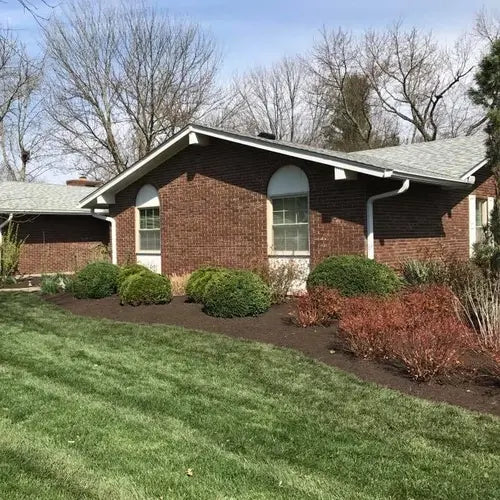
Before
After
Best Mulch Choice for Hammond Lawns
Most yards in the Hammond area sit on Clay type of soil. Hammond's clay soil tends to crust and compact at the surface, making it difficult for plant roots to establish and for rainwater to penetrate rather than run off.
Hardwood Mulch
Hardwood mulch breaks down into fine organic particles that work their way into Hammond's clay over time, gradually improving soil structure, loosening compacted layers, and increasing the soil's ability to hold moisture without becoming waterlogged.
Mulch Types We Deliver in Hammond
Ordering bulk mulch delivery in Hammond means getting fresh material by the cubic yard, brought straight to your driveway or yard. The heavy clay soil and wide temperature swings common in Northwest Indiana make a quality mulch layer essential for locking in moisture and protecting roots through every season. We deliver so you spend your time spreading, not hauling.
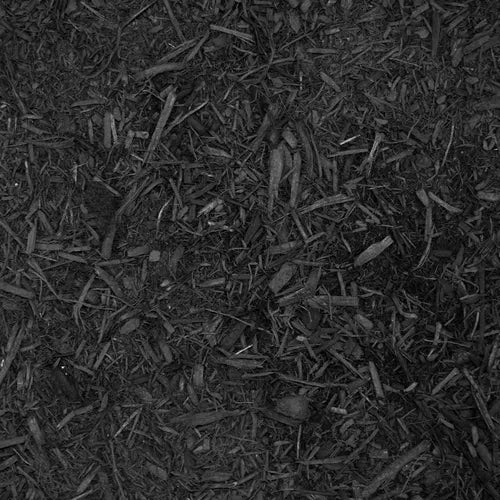
Dyed Black Mulch
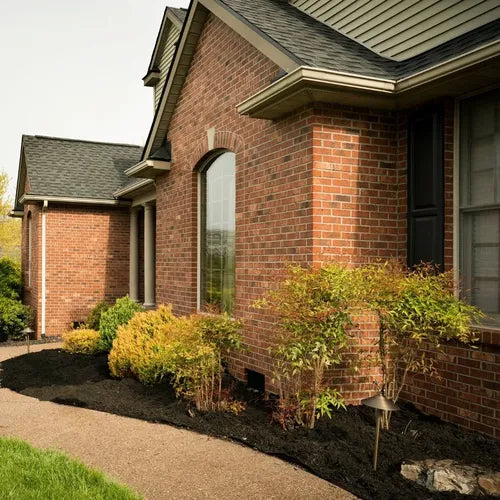
The deep black tone creates a striking contrast against the green lawns and brick exteriors common in this part of Indiana. Available in double shredded or triple shredded, it spreads cleanly and holds its bold color through wet springs and hot summers. A popular choice for homeowners who want polished, defined beds.
Dyed Brown Mulch
A warm, lasting brown that complements the mature trees and traditional home styles found throughout this region. Choose double shredded for solid everyday coverage or triple shredded for a smoother, more refined finish. The color stays looking freshly applied well into the season, even after Indiana's heavy spring rains.
Natural Brown Mulch
An undyed option that brings earthy warmth straight from the wood with no added color. Available in double shredded or triple shredded, it suits homeowners who prefer a clean, natural appearance alongside vegetable gardens or native plantings. Works well in the clay-heavy soils common here, improving drainage and organic content over time.
Dyed Red Mulch
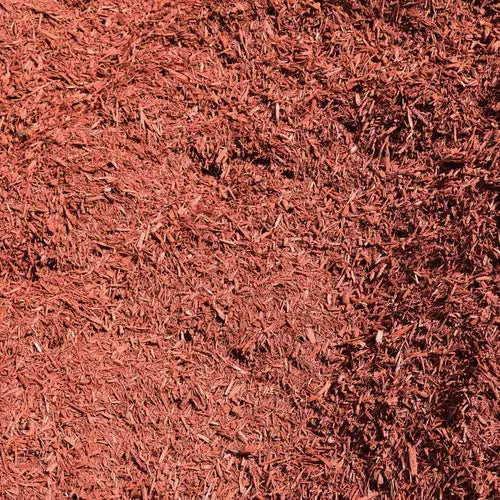
Vibrant red mulch makes a strong visual statement against the green foliage and lighter siding typical in this part of Northwest Indiana. Available in double shredded or triple shredded, the bold color holds its intensity through the growing season and gives front yard beds real curb appeal from the street.
Complete Your Outdoor Mulch Project
If your beds need better drainage before mulching, pair your mulch order with a bulk topsoil or garden soil delivery to raise and amend the planting area first. Decorative stone also works well along Hammond bed borders to contain mulch during the heavy spring rains that can wash lighter materials off sloped areas.
Hammond's clay soil drains slowly after heavy rain, which means mulch piled against plant stems can stay wet for days and invite crown rot. Pull mulch back 2 to 3 inches from any stem or trunk base before heavy spring storms roll in. This simple habit protects plants through April and May, when Hammond's stormiest rainfall often arrives in short, intense bursts that saturate already-slow clay profiles.
Mulch Mound Pro Tip
If you are mulching a new bed in Hammond, consider tilling a thin layer of compost into the top 4 inches of clay before laying mulch. Clay in this region is dense and low in organic matter, and starting with an amended base gives the mulch-to-soil transition a head start. Over two or three seasons, the combined effect of surface mulch decomposing into the amended layer will noticeably improve root depth and plant vigor.
Mulch Mound Pro Tip
Hammond's 38 inches of annual rainfall can shift mulch off sloped beds during heavy downpours. Using shredded hardwood mulch, which has more interlocking fibers than nuggets or chips, helps it stay in place on grades. For steeper slopes near drainage swales or downspout areas, consider anchoring the edge with a stone border to reduce washout and maintain an even depth through the wet season.
Frequently Asked Questions
Click a question to see the answer
Answer
How thick should I apply mulch in Hammond given all the rain we get?
Hammond averages 38 inches of rain per year, which means thick mulch layers can stay too wet and promote fungal issues near plant crowns. A 2 to 3 inch depth is ideal for most beds. Over clay soil, staying closer to 2 inches near plant crowns prevents waterlogging, while 3 inches in open areas gives strong weed suppression through the rainy spring months.
Answer
Will mulch actually help with the clay soil in my Hammond yard?
Yes, and it is one of the best things you can do for clay-heavy soil. As hardwood mulch decomposes over the growing season, it introduces organic matter that slowly loosens Hammond's dense clay. Over several years, this improves both drainage and root penetration, which is especially valuable after the compacting freeze-thaw cycles Hammond experiences each winter.
Answer
When is the best time to mulch my beds in Hammond?
The best window is right after Hammond's last frost, which typically falls around April 25. Mulching at that point locks in soil warmth, suppresses the first flush of spring weeds, and protects newly planted annuals. Avoid mulching too early in March when the ground is still heaving from frost, as you can trap cold and delay soil warming.
Answer
How often do I need to replenish mulch in Hammond?
Hardwood mulch typically needs refreshing once a year in Hammond. The combination of warm summers, regular rainfall, and soil microbe activity accelerates decomposition compared to drier climates. A light top-dress in late April or early May, after the last frost, keeps beds looking fresh and maintains the functional 2 to 3 inch depth through the growing season.
Answer
Does dyed mulch hold its color well in Hammond's wet climate?
Dyed mulch holds color reasonably well through Hammond's wet spring if it is installed after a dry spell and given a day or two to set before heavy rain. The frequent spring rains can fade color faster than in drier regions, so many Hammond homeowners choose black or dark brown dyed mulch, which tends to show less fading than red varieties on the overcast days typical of northwest Indiana.
Answer
Can mulch help protect my plants from Hammond's early October frosts?
Absolutely. With Hammond's first frost arriving around October 13, a 3 inch mulch layer over perennial root zones acts as insulation, slowing the ground freeze and giving roots a few extra weeks to harden off. It also protects spring bulbs from the dramatic temperature swings that are common when Lake Michigan weather systems move through in late fall.
Answer
Is there a mulch type that works better around trees in Hammond?
Shredded hardwood or wood chip mulch works especially well around trees in Hammond because it resists compaction and allows rainfall to percolate through, which is critical given the poor drainage typical of clay soils in this area. Keep mulch pulled back a few inches from the trunk base, and apply a 3 to 4 inch ring extending to the drip line to buffer the soil temperature swings that Hammond trees experience between summer heat and early fall cold snaps.
The Unique Landscape of Hammond
Hammond's heavy clay soil creates a difficult cycle for homeowners year after year. After spring rains, the clay compacts and crusts over, suffocating shallow roots and turning rainfall into surface runoff instead of letting it soak in. Mulch breaks this cycle by insulating the soil surface, reducing the hard crusting that is so common in Lake County yards. With 38 inches of annual rainfall and a growing season that runs from late April through mid-October, keeping soil moisture balanced is a constant challenge. A consistent mulch layer slows evaporation during Hammond's humid summers and buffers soil temperature swings when cold fronts push through from Lake Michigan. Over time, decomposing mulch also feeds organic matter back into Hammond's notoriously nutrient-poor clay.