I used Mulch Mound to have 3 cubic yards of garden soil delivered. The process was easy and I love that I didn't have to call anyone. I placed my order online, picked my delivery date, laid out my tarp and the dirt was delivered. My delivery had to be pushed back, but I was ke...
Tell us what you're looking for
Thanks! We received your request.
Something went wrong. Please try again.
How Much Material Do I Need?
A 2 inch layer of decorative stone is adequate for most Hammond landscape beds, while drainage applications along foundations or downspout areas should use 4 to 6 inches of clean gravel to manage the water volume produced by Hammond's spring rain events.
Use our free gravel calculator
What is a yard?
A yard is approximately 27 cubic feet. As a general guideline, one yard of material can cover an area of about 10 feet by 10 feet at a few inches deep.
I used Mulch Mound to have 3 cubic yards of garden soil delivered. The process was easy and I love that I didn't have to call anyone. I placed my order online, picked my delivery date, laid out my tarp and the dirt was delivered. My delivery had to be pushed back, but I was ke...
How Much Material Do I Need?
A 2 inch layer of decorative stone is adequate for most Hammond landscape beds, while drainage applications along foundations or downspout areas should use 4 to 6 inches of clean gravel to manage the water volume produced by Hammond's spring rain events.
Use our free gravel calculator
What is a yard?
A yard is approximately 27 cubic feet. As a general guideline, one yard of material can cover an area of about 10 feet by 10 feet at a few inches deep.
I used Mulch Mound to have 3 cubic yards of garden soil delivered. The process was easy and I love that I didn't have to call anyone. I placed my o...
Read full review
I used Mulch Mound to have 3 cubic yards of garden soil delivered. The process was easy and I love that I didn't have to call anyone. I placed my order online, picked my delivery date, laid out my tarp and the dirt was delivered. My delivery had to be pushed back, but I was kept informed via text, which was great. So why not 5 stars? The description of garden soil on the website is "A balanced mix of topsoil and organic amendments ready for raised beds, flower gardens, and new planting areas. Good drainage, solid nutrients, easy to work with." What I got was more like fill dirt. It had a lot of gravel, a lot of clay, and random trash mixed in. I didn't test the soil to see if it actually had "amendments" because I already have compost and alpaca manure ready to add, but if I'd known the quality of the dirt was going to be the same as the bagged dirt I bought last year, I probably would have gotten 2 yards of top soil and a yard of leaf compost for better quality, especially since the leaf compost is cheaper. Photo of my mountain of dirt and just some of the trash I found in it.
Really appreciate the care and follow thru that this company had with our order. A hiccup came up but they were quick to respond and address all co...
Read full review
Really appreciate the care and follow thru that this company had with our order. A hiccup came up but they were quick to respond and address all concerns, which made our garden day a success! Thank you for your prompt care.
Measure the length and width of your stone area in feet and decide on your desired depth, typically 2 to 4 inches for decorative coverage and 4 to 6 inches for drainage beds in Hammond. Multiply length by width by depth in feet and divide by 27 to get cubic yards. Because stone is heavy and dense, our calculator will also give you a weight estimate, which matters for Hammond delivery access on soft spring ground.
Stone Types We Deliver in Hammond
Homeowners and contractors searching for bulk gravel by the yard in Hammond will find a straightforward way to get quality stone delivered directly to their door. We supply bulk stone by the cubic yard for every project type, from drainage repairs to decorative landscaping. Skip the hauling and order only what your job requires.
Pea Gravel
Smooth and rounded with warm earth tones, pea gravel drains exceptionally well through the clay-heavy soils common in northwest Indiana. It suits pathways, patios, play areas, and garden borders, and the quiet natural color pairs well with the brick and siding homes typical in Hammond neighborhoods.
#8 Limestone
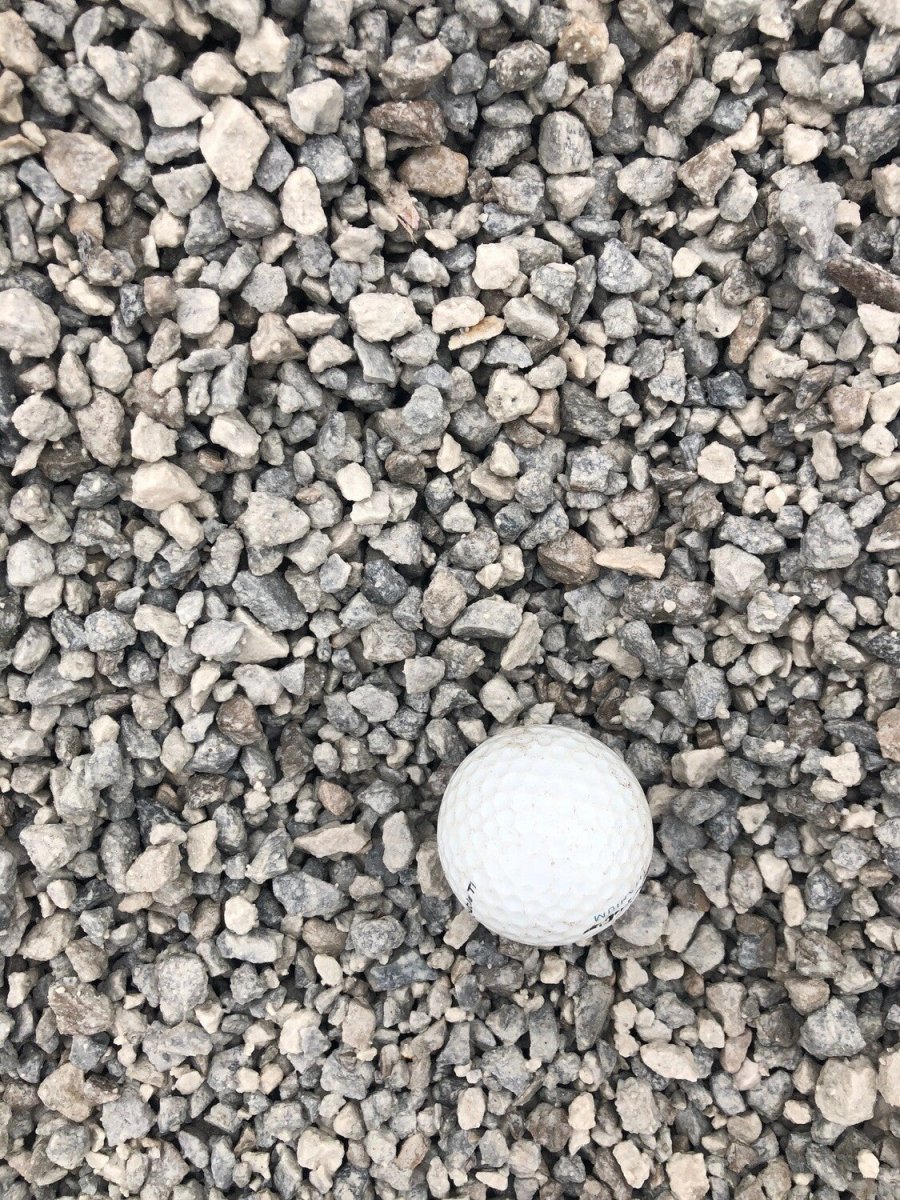
This compact three-eighths to one-half inch limestone locks down into a firm, level surface, making it dependable for driveways, utility pads, and walkway bases. Its precise sizing suits the detailed fill and grading work that Hammond contractors and homeowners tackle most during the warmer building season.
3/4" River Stone
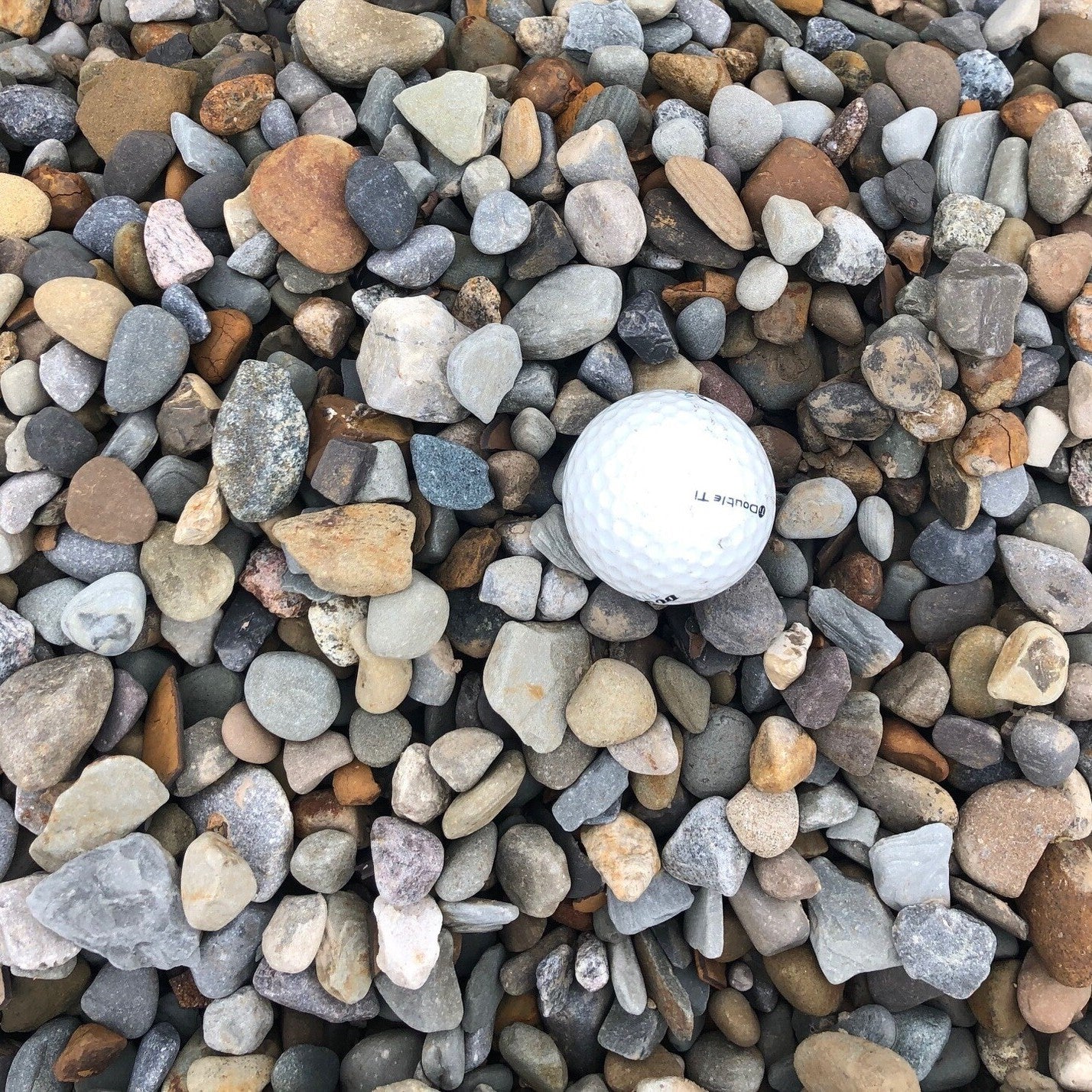
Smooth and polished, this three-quarter inch river rock adds a clean finished look to Hammond landscapes. It works well for decorative beds, garden borders, and dry creek channels, and its rounded shape stays stable through the freeze-thaw cycles that northwest Indiana winters reliably bring.
1-2" River Stone
Bold and eye-catching, this one to two inch river stone suits feature landscaping where texture and scale matter. It handles storm runoff in dry creek beds and adds low-maintenance ground cover to larger garden areas where smaller gravel would feel out of proportion.
Complete Your Outdoor Stone Project
Combine your stone order with bulk topsoil if you need to regrade low areas before laying stone, since level ground ensures consistent depth and prevents pooling on Hammond's uneven clay surface. Adding mulch to adjacent planting beds while you are completing stone work keeps the whole landscape looking finished and helps define the boundaries between planted areas and stone features.
Before laying any stone over Hammond's clay base, put down a commercial-grade woven landscape fabric rather than thin plastic sheeting. Clay in northwest Indiana migrates upward into gravel layers over time, especially in areas with foot traffic or freeze-thaw movement. Woven fabric separates the stone from the clay, keeps the stone layer clean and draining well, and extends the life of your pathway or drainage bed by several years without adding much cost to the project.
Mulch Mound Pro Tip
Hammond homeowners often use stone borders along driveways and bed edges to contain mulch and soil during heavy rain, but the stone itself can shift if it is not partially set into the ground. Dig a shallow trench about 2 to 3 inches deep along your border line and set larger stones or edging rock so that at least a third of each stone is below grade. This anchors the border against the frost heave and runoff pressure that Hammond's spring season brings every year.
Mulch Mound Pro Tip
For low-maintenance areas in Hammond where grass struggles to grow, such as shaded spots under large trees or dry zones along south-facing walls, a 2 to 3 inch layer of stone with a fabric base outperforms both mulch and ground cover plants. Hammond's clay soil and variable rainfall make it hard to establish uniform ground cover in these spots anyway, and stone requires no watering, no seasonal refresh, and holds its appearance through the full freeze-to-thaw cycle without decomposing or fading.
The Unique Landscape of Hammond
Hammond's clay soil and wet spring seasons create persistent drainage and erosion challenges that stone materials solve better than any planted ground cover. Gravel and crushed stone allow rainwater to move through and away from structures rather than ponding on the surface where clay blocks percolation. Stone pathways stay firm underfoot through the wet April and May weather, unlike mulched or grassed areas that turn muddy after heavy rain. For foundation borders, stone creates a dry zone that protects siding and reduces the moisture exposure that leads to mold and wood rot in Hammond's humid climate. Stone is also the lowest-maintenance landscape material available, requiring no seasonal refresh and holding its appearance through the freeze-thaw cycles that crack and heave Hammond's clay soil each winter.
Frequently Asked Questions
Click a question to see the answer
Answer
What type of stone works best for drainage along a Hammond foundation?
Clean washed gravel, either pea gravel or a larger 3/4 inch crushed stone, works best for foundation drainage in Hammond. The key is using a clean stone with no fines or clay content that would clog over time. Hammond's clay soil naturally blocks subsurface drainage, so placing a 4 to 6 inch layer of clean gravel along the foundation edge, paired with a good outward grade, gives rainwater a direct path away from the structure instead of pooling against the sill.
Answer
Will gravel pathways stay in place through Hammond's wet winters?
Pea gravel can shift with foot traffic and frost heave, which is common in Hammond during the freeze-thaw cycles of late fall and early spring. A compacted crushed limestone or angular gravel pathway holds together much better because the irregular particle edges lock together underfoot. Edging the path with steel or stone border material also keeps gravel contained when heavy spring rains push water across the yard.
Answer
How deep should I lay stone for a backyard patio or pathway in Hammond?
For a stable pathway or patio base in Hammond, plan on 4 inches of compacted base gravel topped with 1 to 2 inches of surface stone. Hammond's clay base does not provide a firm foundation on its own and is prone to settling and frost heave, so skipping the compacted base layer leads to uneven surfaces by the second spring. A proper base handles the freeze-thaw cycles that Hammond experiences from late October through March.
Answer
Can I use stone instead of mulch in my Hammond landscape beds?
Stone works well as a mulch alternative in Hammond beds that struggle with excess moisture or slug and fungal problems, which are common in the shaded, clay-heavy yards of northwest Indiana. Stone does not decompose or feed organic matter back into the soil, but it suppresses weeds effectively and never needs replacement. It works best around ornamental shrubs, foundation plantings, and perennials that prefer drier conditions rather than moisture-hungry annuals.
Answer
How much gravel do I need to fix a muddy area in my Hammond yard?
For a muddy, high-traffic area, plan on a minimum of 4 inches of compacted base gravel. In Hammond, where clay prevents water from draining naturally, simply covering a muddy spot with an inch of gravel will not solve the problem as foot traffic pushes the stone into the soft clay over time. Excavate the soft area by at least 4 inches, fill with compacted angular gravel, and consider a layer of landscape fabric beneath the stone to slow the mixing of gravel and clay over the seasons.
Answer
What decorative stone looks good with the brick and vinyl siding homes common in Hammond?
River rock and natural buff or tan limestone work well with the brick and neutral-toned siding common in Hammond neighborhoods. River rock in 1 to 3 inch sizes creates a natural, rounded look that softens brick exteriors, while crushed limestone gives a cleaner, more formal border appearance. Gray or charcoal gravel also pairs well with the dark mulch and green lawn look typical in Lake County front yards.
Answer
Will stone help reduce erosion near my Hammond downspouts?
Stone is one of the most effective erosion solutions around downspouts in Hammond. The clay soil around downspout outlets erodes quickly under the concentrated flow from roof drainage, especially during Hammond's heavy spring storms. A splash pad of 2 to 4 inch river rock or a gravel channel directing water away from the foundation absorbs the impact and spreads flow out before it can carve channels into the yard. This approach holds up through the wet season without the yearly replacement that mulch requires in the same high-flow areas.
Answer
Is there a stone yard near Hammond?
Hammond's heavy clay soil holds water through the wet spring months, so paths and low spots call for a firm base of crushed stone that lets rain drain away instead of pooling. You don't need to find a stone yard or drive to a quarry. Mulch Mound delivers limestone by the cubic yard straight to your driveway or yard.