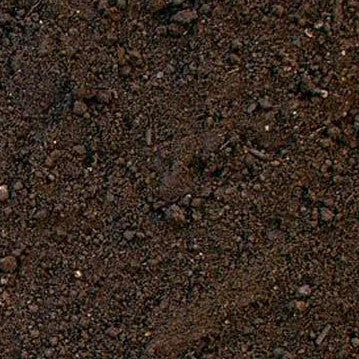
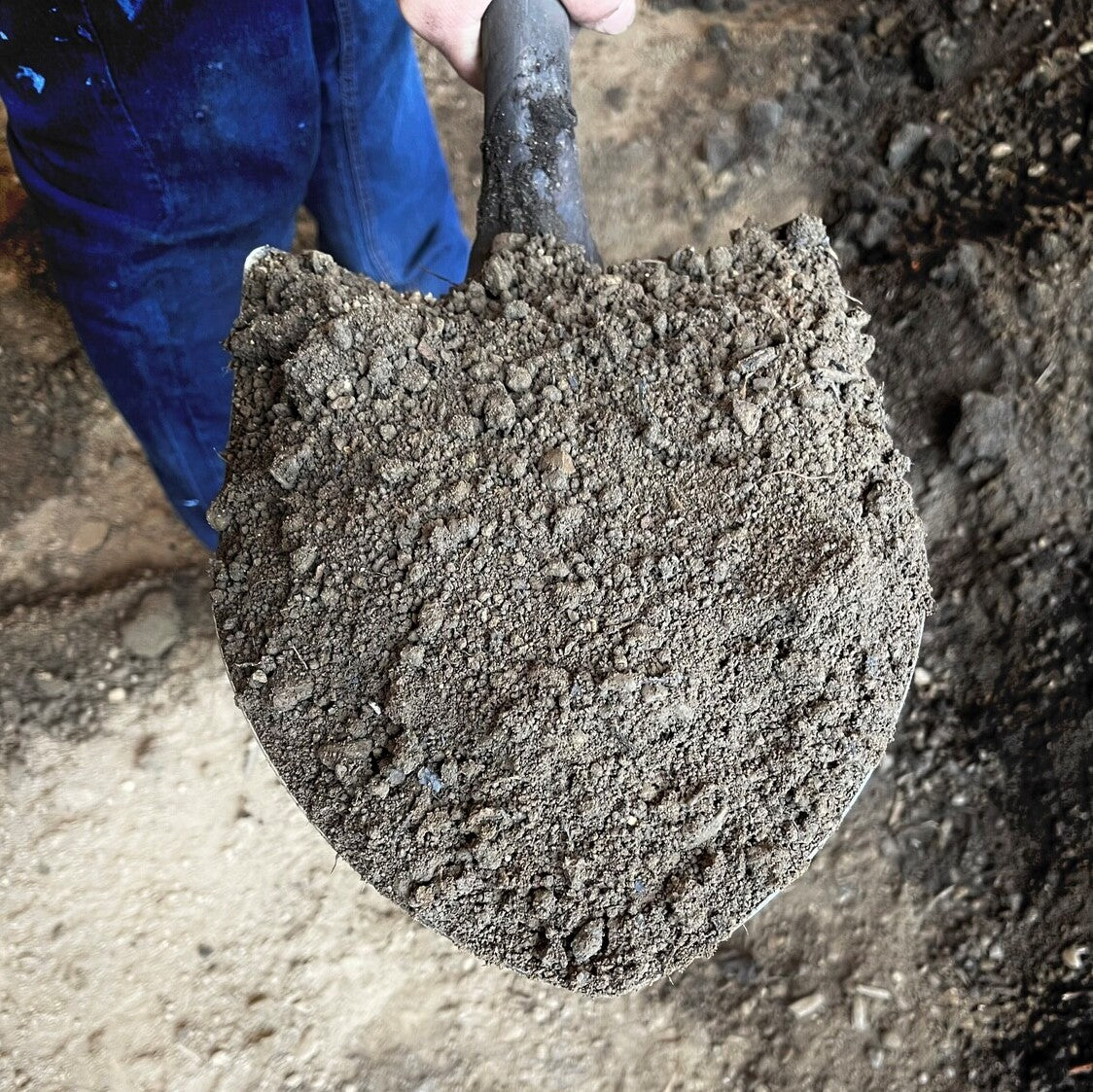
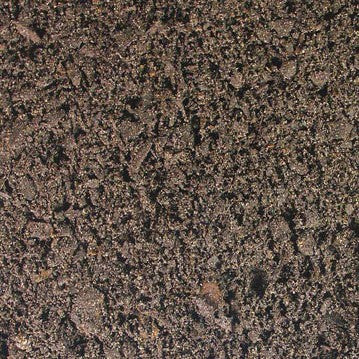
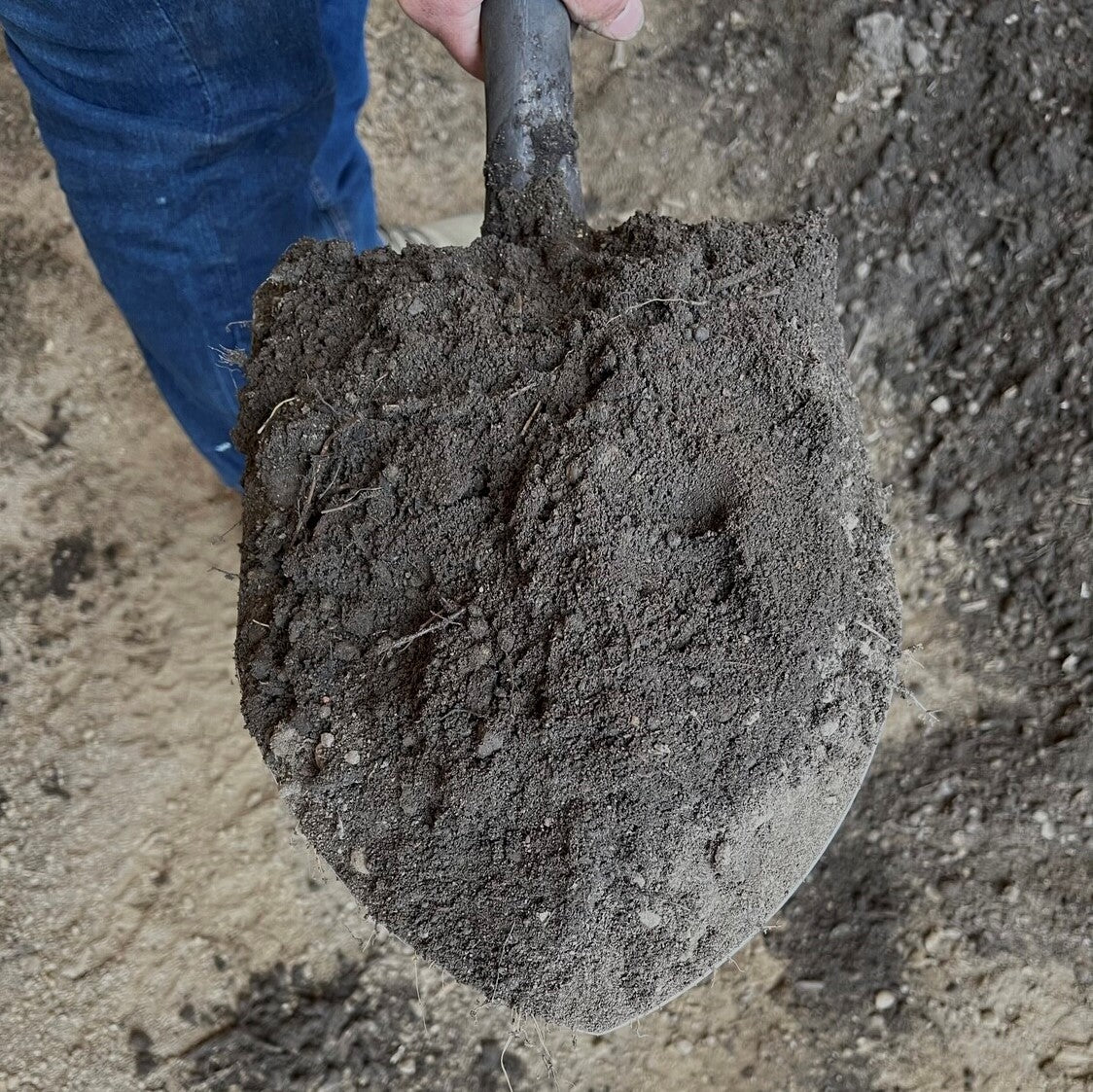
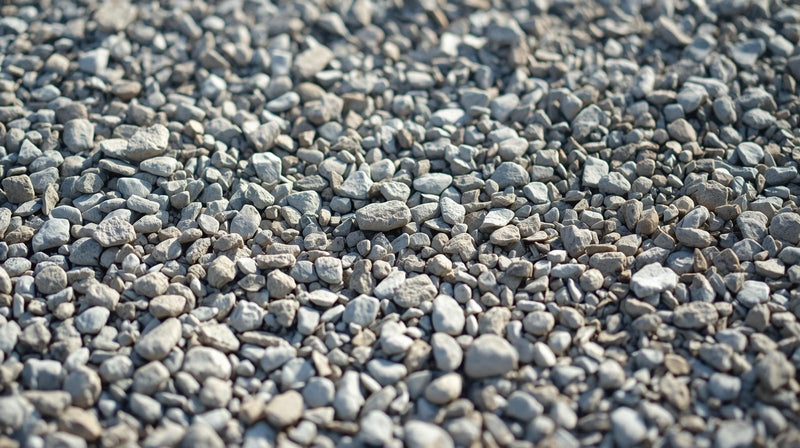
Quality topsoil for lawns, gardens, and landscape projects. Nutrient rich and ready to support strong root development and healthy plant establishment.
My experience with Mulch Mound was great and super easy. I ordered two yards of screened topsoil and was able to get it delivered within 2 days. They came in my requested time frame (afternoon) and dropped it off where I asked on my driveway. The topsoil was exactly what was a...
Tell us what you're looking for
Thanks! We received your request.
Something went wrong. Please try again.
How Much Material Do I Need?
For garden beds installed over Hammond clay, 6 to 8 inches of quality topsoil gives roots enough working depth before they hit the dense native layer. Lawn leveling projects typically need 2 to 4 inches depending on the severity of the low spots.
Use our free soil calculator
What is a yard?
A yard is approximately 27 cubic feet. As a general guideline, one yard of material can cover an area of about 100-160 square feet at a 2-3 inch depth.
What is a yards?
A yard is approximately 27 cubic feet. As a general guideline, one yard of material can cover an area of about 10 feet by 10 feet at a few inches deep.
We can't take orders for this right now. Tell us what you need and we'll get back to you.
What do you need?
Thanks! We received your request.
Something went wrong. Please try again.
Hand-picked local yards
4,000+ regional deliveries
Dedicated support
Why order through Mulch Mound
The best local soil, without the guesswork.
We hand-pick and partner with the best yards in your region, keep only the ones our buyers rate well, and back each load with our guarantee.
Mulch Mound Guarantee
If your soil isn't the quantity or quality you ordered, we'll make it right.
About this soil
Quality topsoil for lawns, gardens, and landscape projects. Nutrient rich and ready to support strong root development and healthy plant establishment.
My experience with Mulch Mound was great and super easy. I ordered two yards of screened topsoil and was able to get it delivered within 2 days. They came in my requested time frame (afternoon) and dropped it off where I asked on my driveway. The topsoil was exactly what was a...
How Much Material Do I Need?
For garden beds installed over Hammond clay, 6 to 8 inches of quality topsoil gives roots enough working depth before they hit the dense native layer. Lawn leveling projects typically need 2 to 4 inches depending on the severity of the low spots.
Use our free soil calculator
What is a yard?
A yard is approximately 27 cubic feet. As a general guideline, one yard of material can cover an area of about 100-160 square feet at a 2-3 inch depth.
What is a yards?
A yard is approximately 27 cubic feet. As a general guideline, one yard of material can cover an area of about 10 feet by 10 feet at a few inches deep.
My experience with Mulch Mound was great and super easy. I ordered two yards of screened topsoil and was able to get it delivered within 2 days. Th...
Read full review
My experience with Mulch Mound was great and super easy. I ordered two yards of screened topsoil and was able to get it delivered within 2 days. They came in my requested time frame (afternoon) and dropped it off where I asked on my driveway. The topsoil was exactly what was advertised, clean with no rocks or other debris. The price was reasonable. I plan to use them again in a couple weeks to order compost for my garden beds.
Measure the length, width, and desired depth of each area you plan to fill in feet, then multiply the three numbers and divide by 27 to convert to cubic yards. For Hammond lawn leveling projects, keep in mind that the uneven surface of clay-heavy yards often means some areas need more depth than others, so adding 10 to 15 percent to your estimate prevents a second delivery. Our online calculator handles the conversion once you enter your measurements.
Soil Types We Deliver in Hammond
Hammond sits on dense, clay-heavy glacial soil that drains slowly and compacts easily, making quality bulk amendments a smart addition to most yard projects. If you are searching for bulk topsoil by the yard in Hammond or need richer material for raised beds and garden areas, Mulch Mound delivers by the cubic yard right to your property.
Screened Top Soil
Available in screened or unscreened styles to fit your project. Screened topsoil offers a fine, even texture suited for new lawns, sod prep, and raised beds. Unscreened works well for fill and rough grading where a polished surface finish is less critical.
Garden Compost
Rich, finished compost packed with organic matter that mixes easily into existing beds. It improves water retention and builds steady fertility, a practical fix for the tight, clay-heavy soils common across Hammond yards and home gardens.
Gardening Blend
A ready-to-use mix of topsoil and organic amendments available in Standard and Premium styles. Both options offer good drainage and solid nutrients, making this blend a dependable choice for raised beds, flower gardens, and new planting areas throughout the region.
Planting Mix
An all-purpose mix formulated for trees, shrubs, and perennials. It balances drainage and moisture retention to support strong root establishment through Indiana's variable freeze-thaw seasons, making it a reliable option for new landscape installs and foundation plantings.
Complete Your Outdoor Soil Project
Pair your soil delivery with bulk mulch to protect newly filled beds from Hammond's spring rain erosion and lock in the moisture that new plantings need to establish. Adding crushed stone along bed edges or pathways also helps define spaces and keeps soil from washing into adjacent lawn areas during heavy downpours.
Can I just amend my existing Hammond clay instead of bringing in new soil?
Amending in place is possible but slow. Hammond's clay is dense enough that working amendments into the top 6 inches requires significant tilling and several seasons of organic additions before you notice real improvement. For new beds or lawn areas, bringing in bulk topsoil to build a working layer above the clay is much faster and gives plants a healthy root zone from the very first season.
Answer
What depth of topsoil do I need for a new lawn in Hammond?
For seeding a new lawn over Hammond's clay base, 4 to 6 inches of topsoil is recommended. Clay is actually a decent anchor for grass roots once they push through, but the germination and establishment phase requires loose, workable soil. Staying at 4 to 6 inches gives seed a good start while keeping the project cost practical for most Hammond yards.
Answer
When can I start grading and adding soil in Hammond each spring?
The practical window opens after Hammond's last frost, typically around April 25, but soil workability depends more on moisture than temperature. After heavy spring rains, Hammond's clay-rich ground stays saturated and soft, making grading messy and ineffective. Wait for a stretch of a few dry days after the frost window clears, then test the soil by squeezing a handful. If it crumbles rather than smears, it is ready to work.
Answer
How do I fill a raised vegetable bed in Hammond?
A mix of premium topsoil and compost works best for Hammond raised beds. Because you are building above the clay, drainage is less of a concern, but you want a blend rich enough in organic matter to feed vegetables through the growing season. Fill to the top of the bed frame knowing that the mix will settle several inches, especially after Hammond's spring rains saturate the bed for the first time.
Answer
Will bulk soil help fix the low spots in my Hammond yard that flood after rain?
Bulk topsoil can raise low spots, but if the flooding is caused by underlying clay holding water, simply adding soil on top may not solve the problem long term. For Hammond yards with chronic pooling, consider combining a topsoil fill with a gravel drainage layer underneath, or grading the area to direct runoff away from the structure before you add the final soil layer.
Answer
Is bulk topsoil good for overseeding bare patches in my Hammond lawn?
Yes, a thin layer of bulk topsoil, about one quarter to one half inch deep, is ideal for overseeding bare or thin areas in Hammond lawns. It covers seed without smothering it and holds moisture during the critical germination window. The best time to overseed in Hammond is early September, giving grass time to establish well before the first frost arrives around October 13.
Answer
How much soil will I need to build two raised garden beds in my Hammond backyard?
For two standard 4 by 8 foot raised beds filled to a depth of 12 inches, you will need roughly 2.4 cubic yards of soil. It is worth ordering a small amount extra because Hammond's clay base often has uneven spots around bed frames that benefit from some fill, and the soil in the beds will settle after the first few waterings and rain events.
Mulch Mound Pro Tip
Hammond's clay subsoil can act like a bowl beneath any topsoil you add, collecting water and keeping the root zone saturated after heavy rain. Before filling a new bed, use a spade to break up the top few inches of clay at the base, or add a thin gravel drainage layer about 2 inches deep before bringing in topsoil. This step dramatically improves drainage and prevents the waterlogged roots that frustrate many Hammond gardeners each spring.
Mulch Mound Pro Tip
If you are grading soil around your Hammond home's foundation, always pitch the grade away from the structure at a slope of at least 1 inch per foot for the first 6 feet. Hammond's spring rain totals can be heavy and fast, and a flat or inward-sloping grade around the foundation funnels water toward the basement or crawl space. Grade work is easiest in late April or May when the soil is workable but before summer heat dries and hardens the surface.
Mulch Mound Pro Tip
When filling Hammond raised beds, resist the urge to pack the soil down. Loose, fluffy soil allows roots to push through easily and lets excess water drain rather than pool over the clay base below. After Hammond's first few spring rains, the bed will settle naturally and you can add a thin top-dress layer to bring it back to the desired fill height without any compaction.
The Unique Landscape of Hammond
Native clay soil in Hammond creates real obstacles for homeowners trying to establish lawns, gardens, or raised beds. It compacts easily underfoot and under heavy equipment, drains poorly after Hammond's spring rains, and bakes into a crust during dry July and August stretches. Imported bulk topsoil and garden blends give Hammond homeowners the ability to build above the clay layer rather than fight it. Whether you are leveling a lawn, filling a raised bed, or grading around a foundation, quality bulk soil delivers the loose, workable texture that Hammond's native ground simply lacks. With the growing season opening around April 25, having soil on site early lets you get beds planted and lawns seeded at exactly the right time.