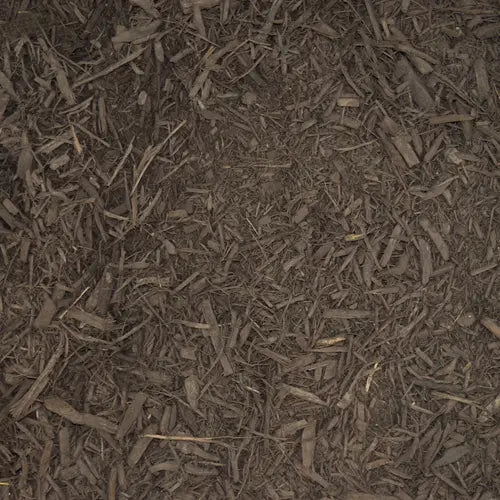
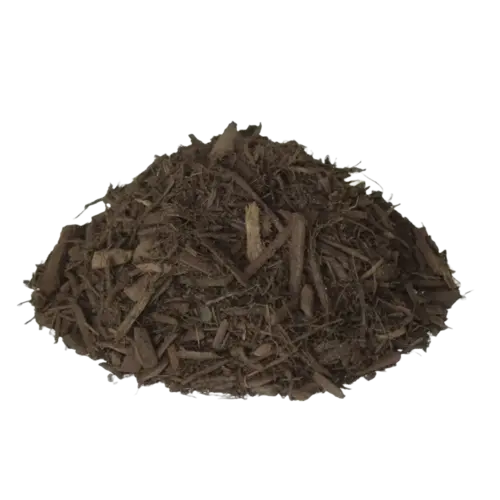
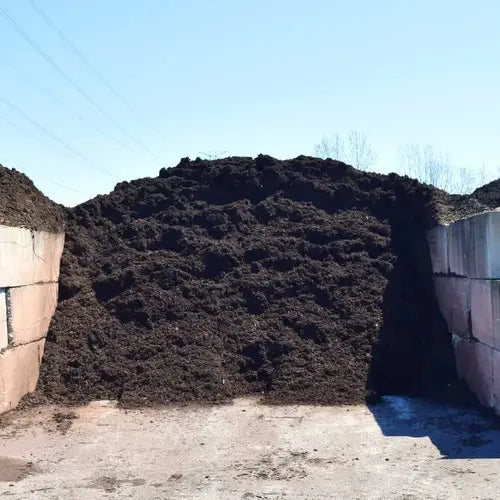
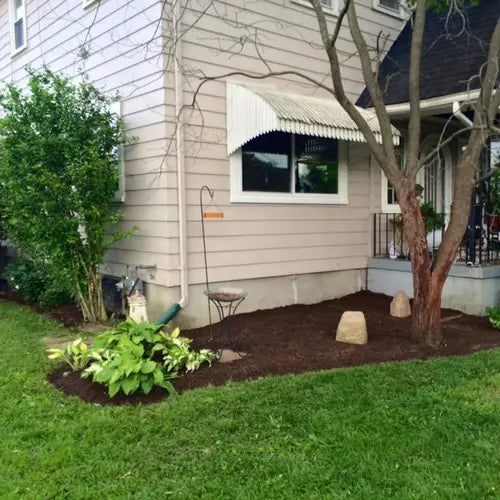
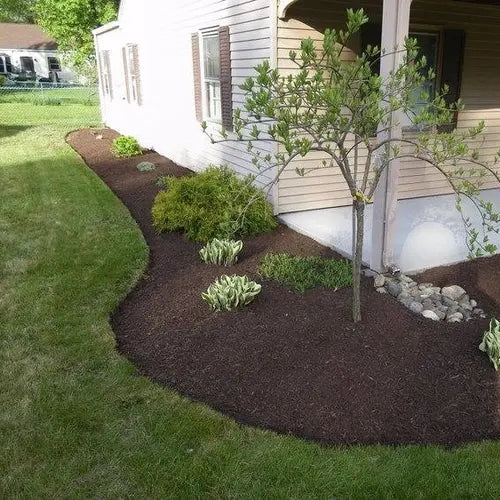
Delivery was on time and great quality Mulch. Got it done in a reasonable time and yard looks great. Couldn’t be happier!!! Thank you and will use again!!
Tell us what you're looking for
Thanks! We received your request.
Something went wrong. Please try again.
How Much Material Do I Need?
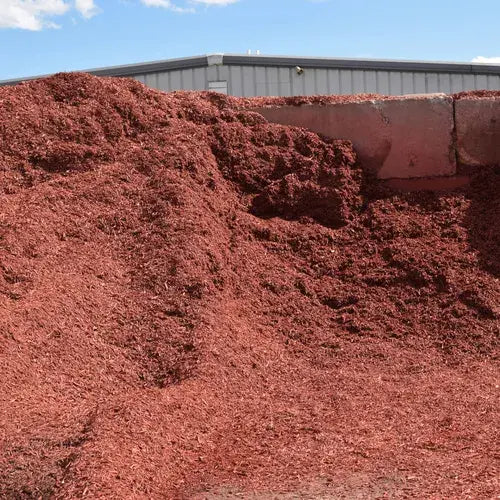
Plan for 3 inches of mulch depth across planting beds in Hampton to get meaningful moisture retention and weed suppression through the long growing season. Existing beds that just need a refresh typically only need 1 to 1.5 inches added on top of the remaining older layer.
Use our free mulch calculator
What is a yard?
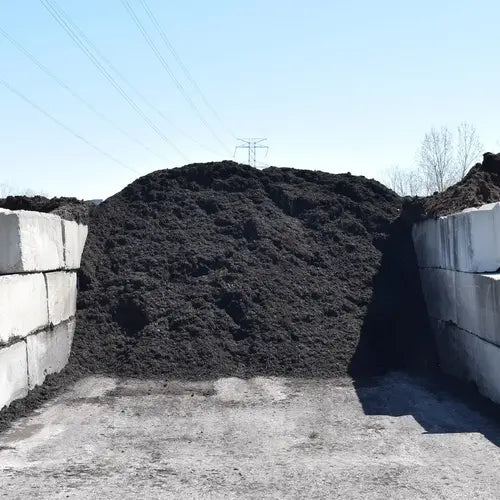
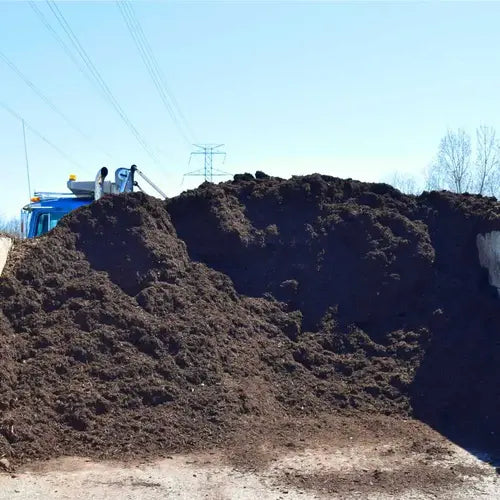
A yard is approximately 27 cubic feet. As a general guideline, one yard of material can cover an area of about 100-160 square feet at a 2-3 inch depth.
Delivery was on time and great quality Mulch. Got it done in a reasonable time and yard looks great. Couldn’t be happier!!! Thank you and will use again!!
How Much Material Do I Need?
Plan for 3 inches of mulch depth across planting beds in Hampton to get meaningful moisture retention and weed suppression through the long growing season. Existing beds that just need a refresh typically only need 1 to 1.5 inches added on top of the remaining older layer.
Use our free mulch calculator
What is a yard?
A yard is approximately 27 cubic feet. As a general guideline, one yard of material can cover an area of about 100-160 square feet at a 2-3 inch depth.
Delivery was on time and great quality Mulch. Got it done in a reasonable time and yard looks great. Couldn’t be happier!!! Thank you and will us...
Read full review
Delivery was on time and great quality Mulch. Got it done in a reasonable time and yard looks great. Couldn’t be happier!!! Thank you and will use again!!
Mulch Mound delivered a yard of pea gravel to us. Delivery was on time, driver was friendly and hit a bullseye on the “tarp target”. We used the ...
Read full review
Mulch Mound delivered a yard of pea gravel to us. Delivery was on time, driver was friendly and hit a bullseye on the “tarp target”. We used the pea gravel (which was diameter as specified) to fill several muskrat holes around our pond. I would definitely recommend Mulch Mound to a friend!
I can’t say enough good things about Mulch Mound! If you read my review below you will see I had a problem with my order. Mulch Mou...
Read full review
UPDATE!
I can’t say enough good things about Mulch Mound! If you read my review below you will see I had a problem with my order. Mulch Mound was quick to respond and solved the issue with my delivery. Will definitely be a customer next year.
First time purchase from Mulch Mound!! First what I liked! Easy to order online and straight forward pricing and delivery. The driver was on time and courteous and delivered my Mulch exactly where I requested! The product is of good quality and comparable to others I have purchased from before. Now what I DID’NT LIKE! I have been mulching the same house and yard for almost 20 years. I always order the same amount and don’t have any issues with covering the same area but this year I fell about a yard short. I was home when the mulch was delivered and when the driver dumped it I noticed that it seemed a bit less than I was used to. I didn’t apply it any thicker than usual and probably a bit thinner than usual because I was worried about running out.
Walk the perimeter of each bed with a measuring tape and sketch out the approximate shape, then multiply length by width to get square footage for rectangular areas. For curved or irregular beds common in Hampton cottage-style yards, break the shape into smaller rectangles and add the totals together. Our coverage calculator on the product page does the cubic yard math for you once you enter your square footage and desired depth.
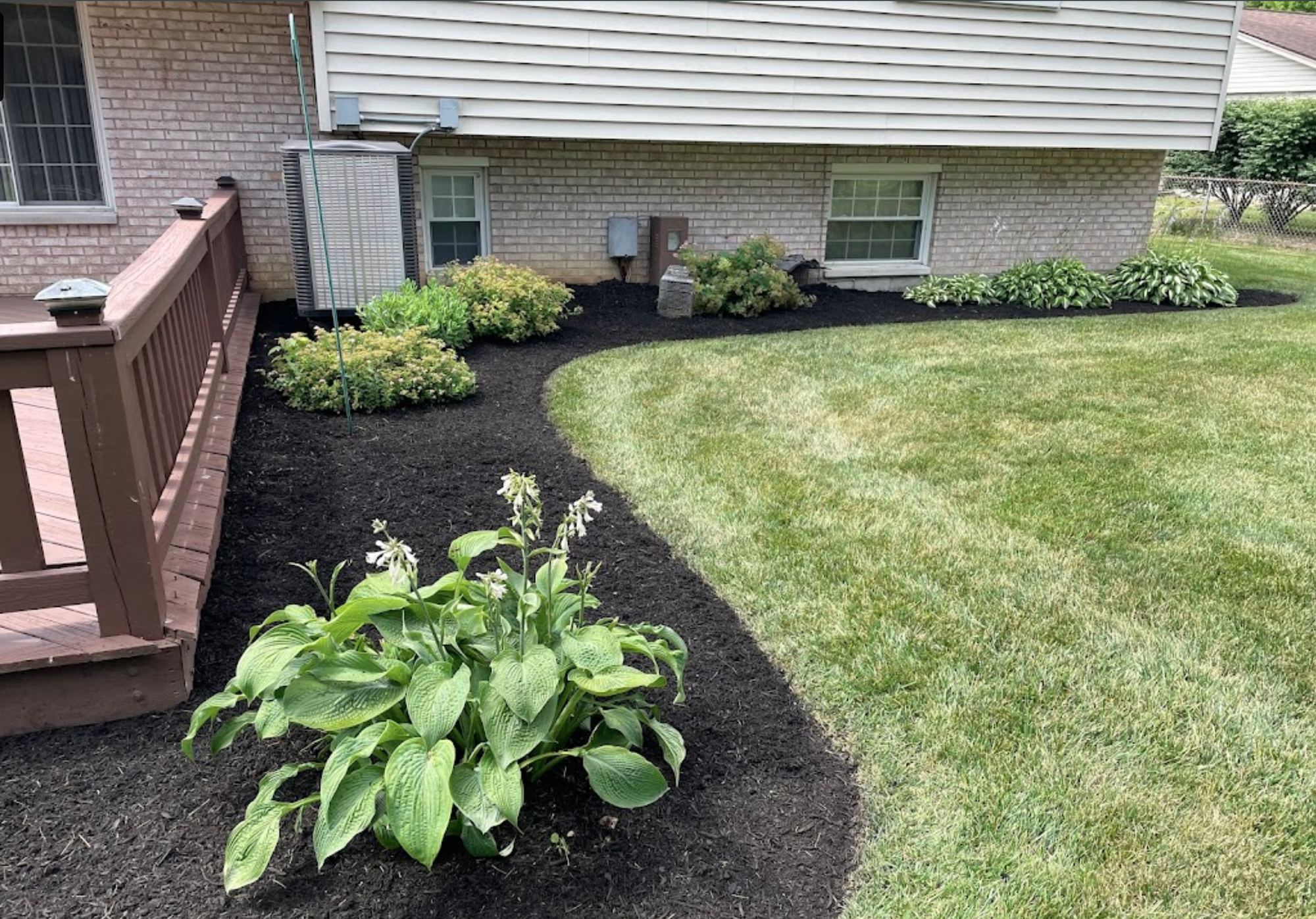
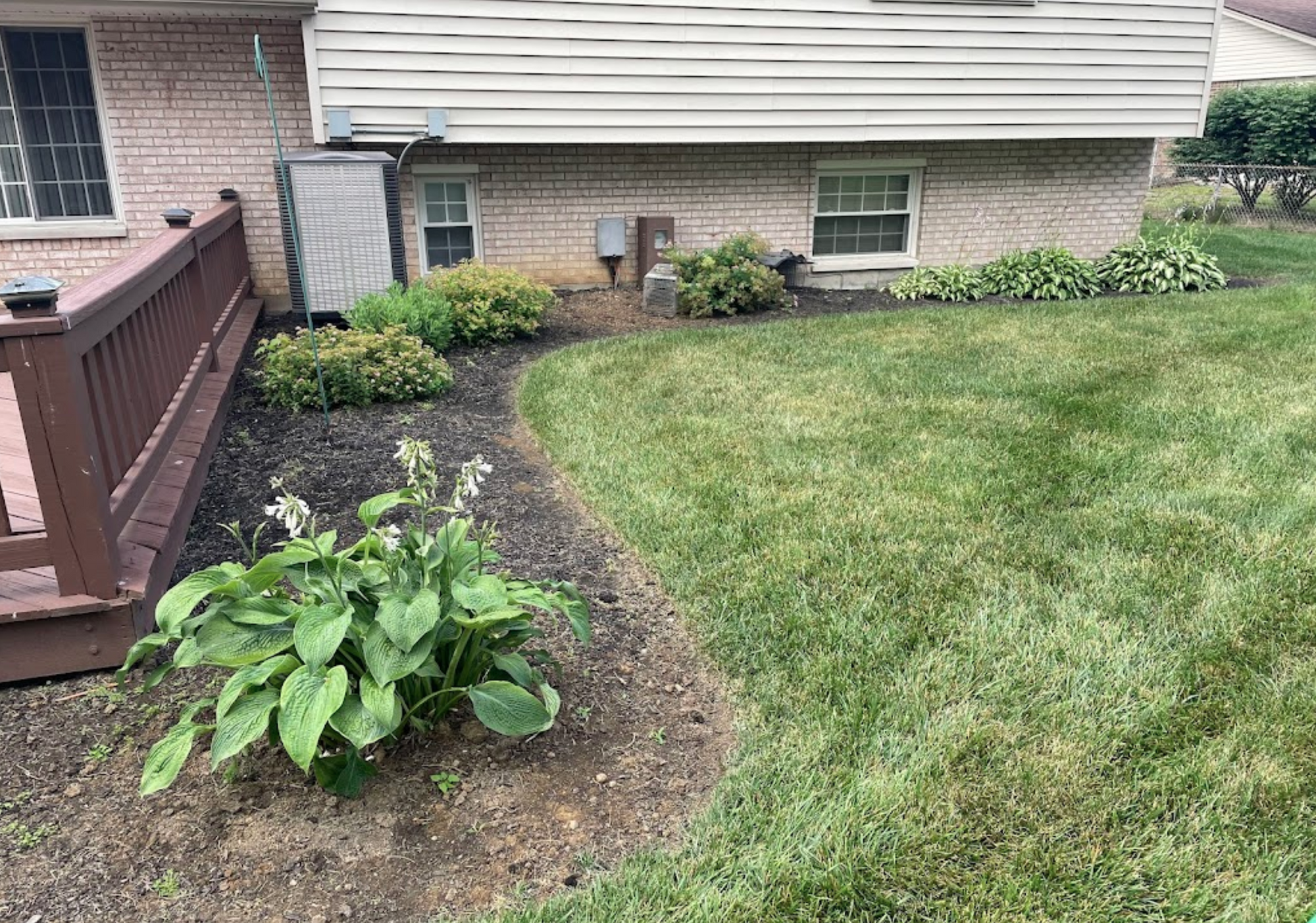
Mulch vs. No Mulch: The Difference
Hampton's combination of Zone 8a heat, high humidity, and 47 inches of annual rainfall creates conditions where organic mulch breaks down at an accelerated rate compared to cooler, drier regions. This is actually a long-term benefit for your sandy loam soil because decomposing mulch adds organic matter back into the ground, but it does mean you will need to replenish your mulch layer more frequently than homeowners in inland Virginia cities. Understanding the difference between mulch types helps you match the right product to your maintenance schedule and budget.
Before
After
Best Mulch Choice for Hampton Lawns
Most yards in the Hampton area sit on type of soil. Hampton's sandy loam soil has excellent drainage but a limited ability to hold moisture and nutrients near the surface where plant roots need them most. Mulch creates a protective layer that slows evaporation and gives roots more time to absorb water between Hampton's summer rain events.
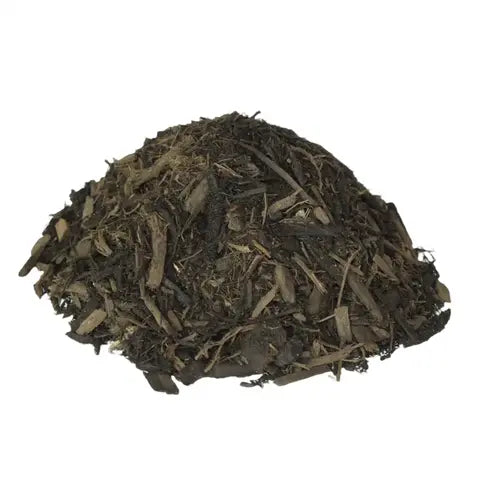
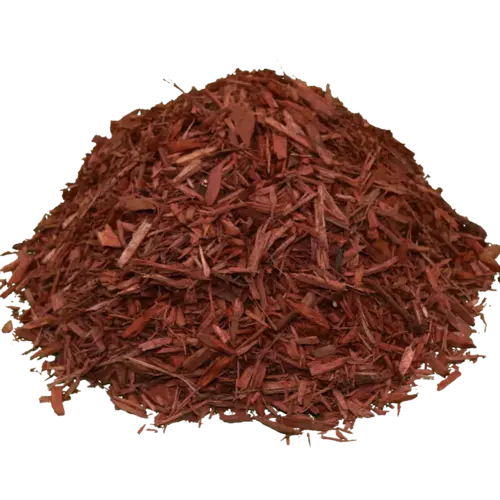
Hardwood Mulch
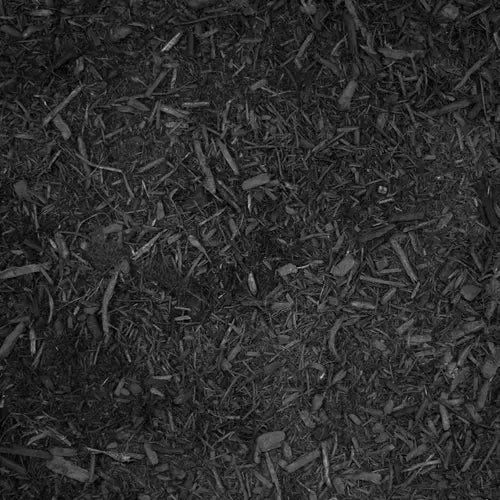
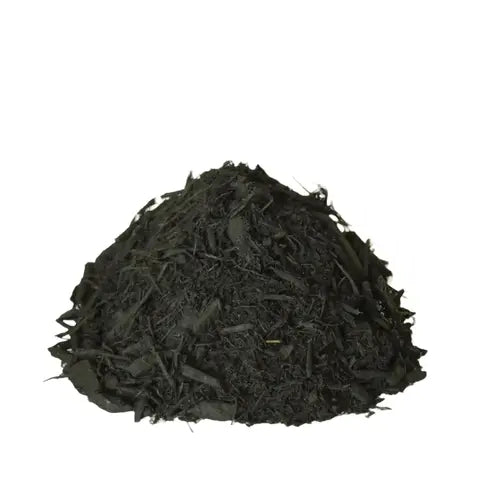
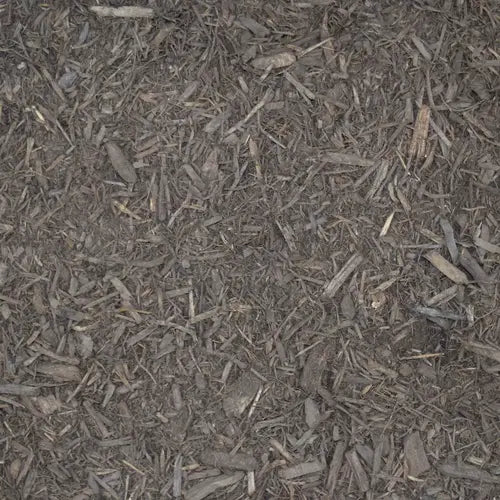
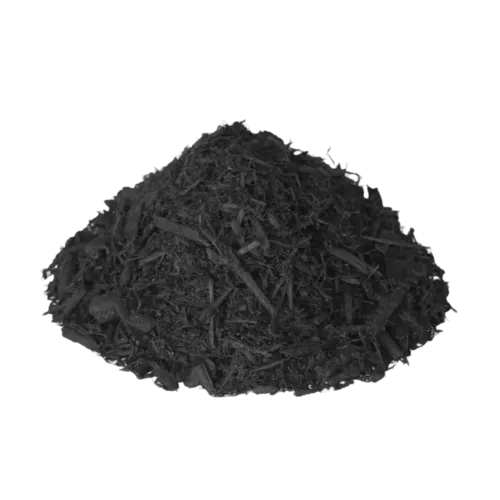
Hardwood mulch is particularly well suited to Hampton's sandy loam beds because as it decomposes in the humid coastal climate, it releases tannins and organic material that bind to sand particles and gradually improve the soil's nutrient-holding capacity. Over multiple seasons, consistently applying hardwood mulch transforms the biological activity in the top layer of sandy loam, making it more hospitable for deep-rooted perennials and shrubs that struggle in pure sandy conditions.
Complete Your Outdoor Mulch Project
If you are refreshing beds this season, consider pairing your mulch order with a premium garden soil or compost blend to rebuild the organic matter that Hampton's fast-draining sandy loam tends to lose over time. Adding a border of landscape stone around your beds is a great way to keep mulch contained and give your Hampton yard a clean, finished look.
Mulch Mound Pro Tip
Hampton's rainy season can dump significant water in short bursts, and bare sandy loam soil around newly mulched beds will erode and dirty your fresh material quickly. Before your mulch delivery arrives, edge all of your beds cleanly and remove any weeds by hand or with a pre-emergent treatment. A clean, defined edge is your best defense against mulch migration during the heavy rains that roll through Hampton in spring and late summer.
Mulch Mound Pro Tip
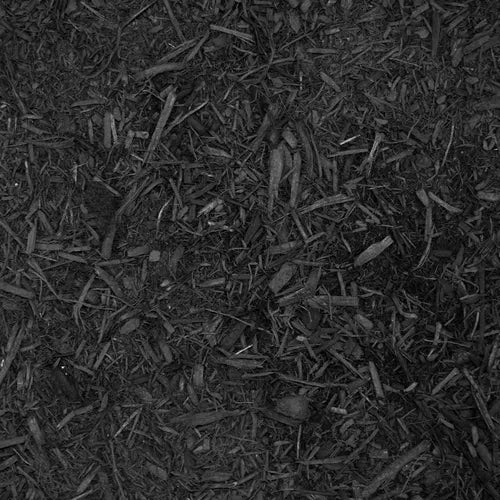
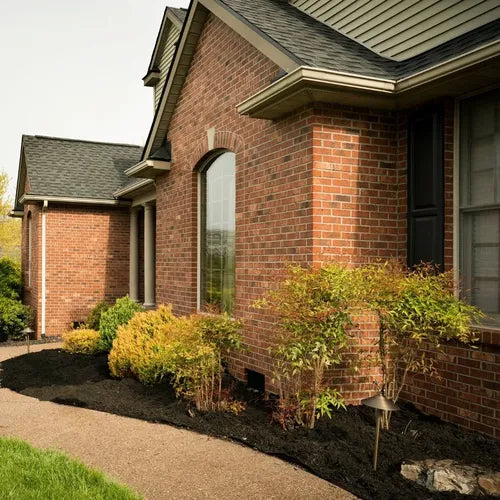
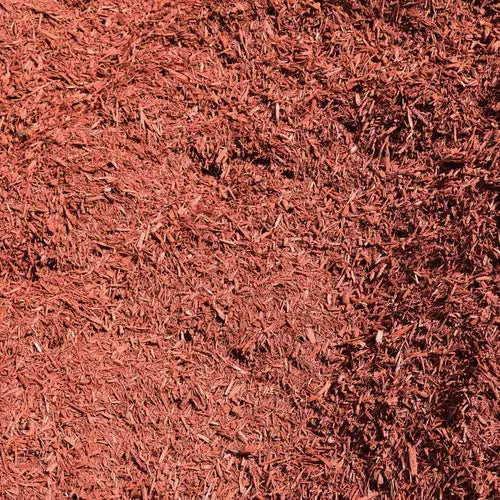
Do not skip the color conversation when ordering mulch for Hampton's intense summer sun. Natural hardwood mulch fades to gray faster in Hampton than in cooler climates because of the combination of UV intensity and high humidity. Dyed brown or black mulch holds its color significantly longer through the growing season and gives your beds a maintained look without requiring early reapplication. Just make sure the dye is water-based and plant-safe, which all of our products are.
Mulch Mound Pro Tip
Hampton gardeners dealing with sandy loam should think of their mulch layer not just as a surface treatment but as an active soil-building tool. As hardwood mulch breaks down in Hampton's warm, humid conditions, it feeds soil microbes and slowly increases the organic content of the sandy loam below. Over two or three seasons of consistent mulching, many Hampton homeowners notice their beds drain a bit less aggressively and their plants are more resilient during dry spells, all without any additional soil amendments.
Frequently Asked Questions
Click a question to see the answer
Answer
How often do I need to reapply mulch in Hampton given the humidity here?
Hampton's heat and coastal humidity cause organic mulch to break down faster than the national average. Most Hampton homeowners find they need to top off beds every 12 to 18 months rather than the 2 to 3 year cycle you might read about in general gardening guides. A quick way to check is to press your finger into the existing mulch layer. If you hit soil within an inch, it is time for a fresh delivery.
Answer
My yard is mostly sandy loam. Will mulch actually help my plants hold water or is it a lost cause?
Sandy loam is not a lost cause at all, and mulch is actually your best tool for fighting its drainage speed. A 3 inch layer of hardwood mulch over Hampton's sandy loam will meaningfully slow evaporation during the July and August dry stretches when rain can disappear for weeks. Over time, as the mulch breaks down, it adds organic matter that improves the soil's ability to hold nutrients and moisture on its own.
Answer
What depth should I use for mulch around my foundation plantings in Hampton?
For foundation beds in Hampton, 3 inches is the sweet spot. It is deep enough to suppress weeds and retain moisture through hot summers, but not so deep that it stays soggy against plant stems after Hampton's heavier spring rains. Always pull mulch back a few inches from the base of shrubs and tree trunks to prevent rot in the humid coastal air.
Answer
Does mulch help protect plants through Hampton's winter cold snaps?
Yes, and it matters more than most people expect in Zone 8a. Hampton's first frost arrives around November 15 and temperatures can occasionally dip below the zone averages during cold snaps off the water. A 3 to 4 inch mulch layer over the root zones of perennials and marginally hardy plants like camellias or gardenias provides meaningful insulation that can mean the difference between a plant bouncing back in spring and one that does not survive.
Answer
I live near the water in Hampton and my beds wash out during storms. Is there a mulch that stays put better?
Shredded hardwood mulch is your best bet for slopes and coastal beds in Hampton because the shredded fibers interlock and resist movement far better than nugget-style mulches. For very steep or persistently problematic areas, consider pairing shredded mulch with a biodegradable erosion mat underneath. Avoid fine bark products in those locations because they float and scatter as soon as water moves across the surface.
Answer
Can I put mulch down right now in April before the last frost date?
You can, and in Hampton it is actually a smart move. Applying mulch just before the April 15 average last frost date helps moderate the wild soil temperature swings that early spring brings. It will not trap cold in the ground the way some people fear. Just keep it thin, around 2 inches, until you are confident the cold nights are behind you, then top it off to a full 3 inches as temperatures stabilize in May.
Answer
How many cubic yards of mulch do I need for a typical Hampton backyard bed renovation?
A good rule of thumb is that one cubic yard covers about 100 square feet at a 3 inch depth. Measure your bed length times width in feet to get square footage, then divide by 100 to estimate cubic yards. For a typical Hampton backyard with 400 to 600 square feet of bed space, you are likely looking at 4 to 6 cubic yards. When in doubt, round up slightly because running short mid-project and waiting on a second delivery always adds cost and hassle.
The Unique Landscape of Hampton
Hampton sits in USDA Growing Zone 8a, which means long, humid summers push plant beds hard and create the perfect conditions for rapid mulch breakdown. The city's sandy loam soil drains quickly after rainfall, which is good for root health but bad for moisture retention during dry summer stretches when Hampton regularly goes weeks without meaningful rain. A proper layer of mulch acts as a thermal blanket, keeping soil temperatures stable through the wild swings Hampton sees between a November 15 first frost and an April 15 last frost. With 47 inches of annual rainfall concentrated in certain seasons, mulch also slows surface runoff and prevents the kind of erosion that strips bare sandy loam beds down to nothing. Coastal humidity accelerates organic decomposition, so Hampton homeowners typically need to refresh mulch more often than gardeners in drier inland climates. Getting the right mulch product and the right depth is the single most impactful investment a Hampton homeowner can make for healthy, low-maintenance landscape beds.