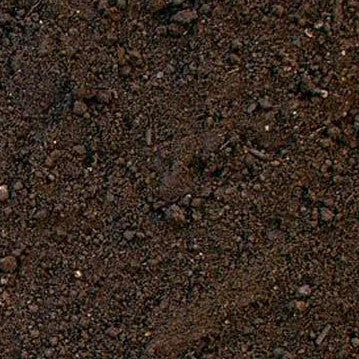
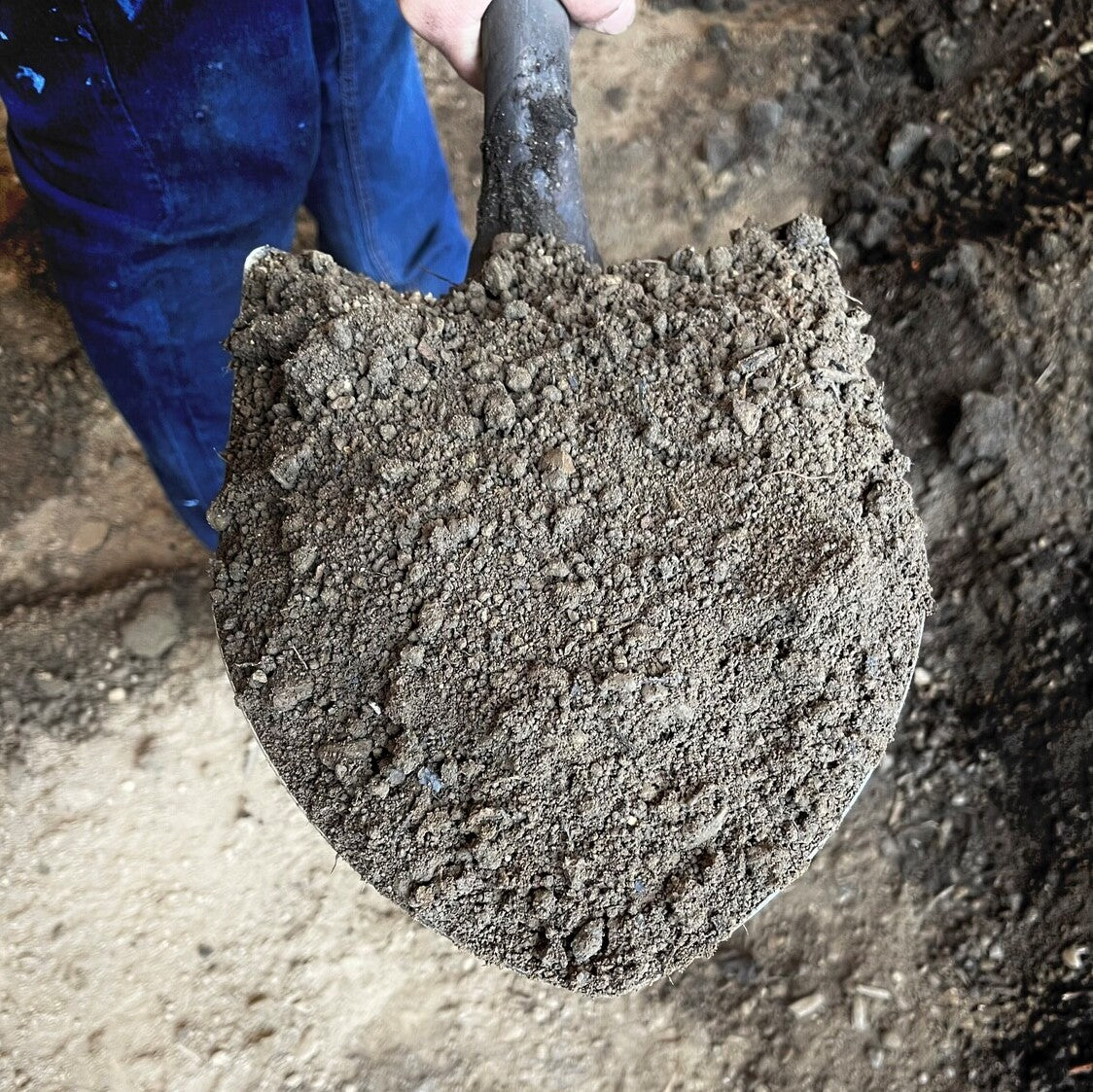
I got 3 yards of dirt to create a garden bed on the side of my house and to help fill my new raised garden beds. We had enough dirt to do all of this and fill some holes in the yard! Thanks 😃
Tell us what you're looking for
Thanks! We received your request.
Something went wrong. Please try again.
How Much Material Do I Need?
For new planting beds in Hattiesburg, a 4-inch layer of quality garden soil gives roots enough rich material to establish before reaching the sandy loam underneath. Lawn grading and low spot correction typically requires a 2 to 3 inch fill, but account for settling of roughly 10 to 15 percent after the first heavy rain season.
Use our free soil calculator
What is a Yard?
A yard is approximately 27 cubic feet. As a general guideline, one yard of material can cover an area of about 100-160 square feet at a 2-3 inch depth.
I got 3 yards of dirt to create a garden bed on the side of my house and to help fill my new raised garden beds. We had enough dirt to do all of this and fill some holes in the yard! Thanks 😃
How Much Material Do I Need?
For new planting beds in Hattiesburg, a 4-inch layer of quality garden soil gives roots enough rich material to establish before reaching the sandy loam underneath. Lawn grading and low spot correction typically requires a 2 to 3 inch fill, but account for settling of roughly 10 to 15 percent after the first heavy rain season.
Use our free soil calculator
What is a Yard?
A yard is approximately 27 cubic feet. As a general guideline, one yard of material can cover an area of about 100-160 square feet at a 2-3 inch depth.
I got 3 yards of dirt to create a garden bed on the side of my house and to help fill my new raised garden beds. We had enough dirt to do all of th...
Read full review
I got 3 yards of dirt to create a garden bed on the side of my house and to help fill my new raised garden beds. We had enough dirt to do all of this and fill some holes in the yard! Thanks 😃
Start by measuring the length and width of each area you plan to fill or top-dress in feet, then multiply those numbers together to get your square footage. For most Hattiesburg grading and bed projects, plan on 3 to 4 inches of depth, which you can convert to cubic yards by dividing total square footage by 81 for a 4-inch depth or by 108 for a 3-inch depth. Write down each area separately before adding them together so you do not miss any sections of your yard.
Complete Your Outdoor Soil Project
After your soil is placed and graded, finishing with a 2 to 3 inch layer of shredded hardwood mulch over your planting beds will protect that investment by slowing the moisture loss that sandy loam conditions create in Hattiesburg summers. Adding edging stone around bed perimeters also keeps fresh soil from washing out into the lawn during the heavy downpours common in South Mississippi.
My yard is all sandy soil and everything I plant seems to dry out fast. Will buying topsoil actually fix that?
It helps significantly when done correctly. Rather than just spreading a thin layer of topsoil over your existing sandy ground, the most effective approach is to blend the new material into the top 6 to 8 inches of your existing soil. This creates a gradual transition zone that improves water retention without creating the kind of layered profile that can actually trap or repel water. For ornamental beds, mixing in a blended topsoil with higher organic content is especially beneficial in Hattiesburg's climate where the combination of heat and frequent rain cycles through your soil quickly.
Answer
I have low spots in my backyard that flood every time it rains hard. Can I use fill soil to fix them?
Low spots are extremely common in Hattiesburg yards given the flat terrain in many neighborhoods and the sheer volume of rain the city receives each year. Using a good grade of topsoil to raise and grade those areas is a practical solution, but the key is sloping the new grade gently away from your home and toward a natural drainage path rather than just filling the depression. Once graded and seeded or sodded, the area should drain much more effectively through the following rainy season.
Answer
What kind of soil should I use for a raised vegetable garden here in Hattiesburg?
For raised beds in Hattiesburg, you want a soil mix that holds moisture without becoming waterlogged, since heavy spring and summer rains can saturate raised beds quickly. A blended garden mix that combines topsoil, compost, and some perlite or coarse material gives you the drainage and fertility balance that works well in zone 8b vegetable gardens. Avoid using straight native sandy loam in raised beds as it compacts over time and will not hold the nutrients that heavy-feeding vegetables like tomatoes and peppers demand through Hattiesburg's long growing season.
Answer
Is there a difference between topsoil and garden soil and which one do I need?
Topsoil is a general base material used for grading, filling low areas, and establishing lawns. It has a balanced texture but is not particularly enriched with nutrients or organic matter. Garden soil is a blended product with added compost and organic material specifically formulated to support active plant growth. In Hattiesburg, if you are leveling your yard or preparing a large lawn area, topsoil is the right call. If you are building planting beds or starting a vegetable garden, the richer garden soil blend will serve your plants much better through the long South Mississippi growing season.
Answer
How much soil do I need to raise a low area in my yard by about 3 inches?
Measure the length and width of the low area in feet, multiply those together to get square footage, and then multiply by 0.25 since you are filling 3 inches which is one quarter of a foot. That gives you cubic feet, and dividing by 27 converts that to cubic yards. Our calculator on the product page walks you through this automatically for Hattiesburg projects, and ordering a little extra is always wise since the soil will settle some after the first few heavy rains soak through it.
Answer
Can I use bulk soil to prep my lawn before overseeding with centipede or bermuda grass?
Yes, and this is one of the most effective ways to improve thin or patchy Hattiesburg lawns before overseeding. A light top dressing of quality topsoil, typically about a quarter to half inch spread evenly across the lawn and worked into existing grass with a rake, creates a better seedbed and helps seeds maintain moisture contact with the soil through germination. Both centipede and bermuda grass are well suited to zone 8b lawns and they establish much more reliably when the seedbed has good organic matter content that pure sandy loam soil typically lacks.
Answer
When is the best time to add soil to my Hattiesburg yard for a big landscaping project?
Late February through mid-March is a great window for most soil projects in Hattiesburg. The worst of winter is typically done, the last frost falls around March 3, and the ground is workable without being baked dry. Getting soil placed and plants established before the hot weather sets in gives new root systems weeks to develop before they face their first South Mississippi summer. For lawn grading projects, this timing also lines up well with bermuda and centipede grass planting windows.
Mulch Mound Pro Tip
When you receive a bulk soil delivery in Hattiesburg, try to spread and work it into your beds within a day or two of delivery. In the humid late spring and summer months, a large pile of moist soil can develop surface crust and begin to compact quickly under the weight of afternoon rains. Spreading it promptly and working it into the top layer of your existing soil ensures it integrates properly rather than sitting as a separate layer that roots have to push through.
Mulch Mound Pro Tip
If you are filling raised garden beds for the first time, think about the long-term fertility plan for your Hattiesburg garden. Zone 8b gardeners have a long active season from March through November and heavy feeding crops like tomatoes, peppers, and squash will exhaust a soil mix faster than it refreshes itself. Top-dressing with an inch of compost each spring before planting helps maintain the organic matter level that heavy rain and warm temperatures break down so rapidly in South Mississippi.
Mulch Mound Pro Tip
For homeowners dealing with the clay pockets that sometimes appear within otherwise sandy Hattiesburg soils, mixing in quality topsoil with good organic content can help balance drainage across an uneven yard. Tilling the existing ground before adding new soil and blending the two layers together prevents the hard boundaries between soil types that cause water to pool or redirect unexpectedly. A good blend across the full planting depth gives your grass and ornamental roots a consistent environment to grow through.
The Unique Landscape of Hattiesburg
Hattiesburg's native sandy loam soil is workable and well-draining but it lacks the organic density that vegetable gardens, new sod installations, and ornamental beds need to truly perform. With 60 inches of annual rainfall moving through that sandy profile, nutrients and organic matter leach out of the root zone faster than in heavier clay-based soils found elsewhere in Mississippi. Bringing in quality bulk topsoil or garden soil lets you build the foundation your plants actually need rather than fighting the limitations of what is naturally there. Whether you are establishing a new lawn after construction, filling raised garden beds, or leveling low spots that collect water after storms, the right soil makes the difference between plants that survive and plants that thrive. In growing zone 8b, where the season is long and plants are actively growing from March through November, giving your beds a nutrient-rich soil base pays dividends for the entire growing year.