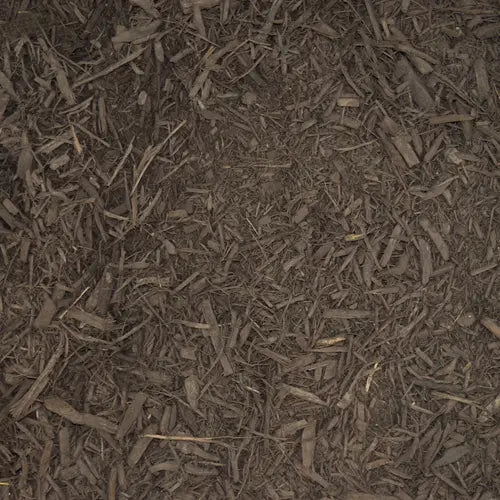
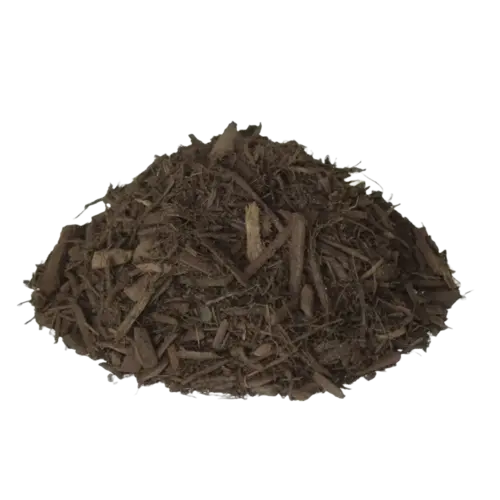
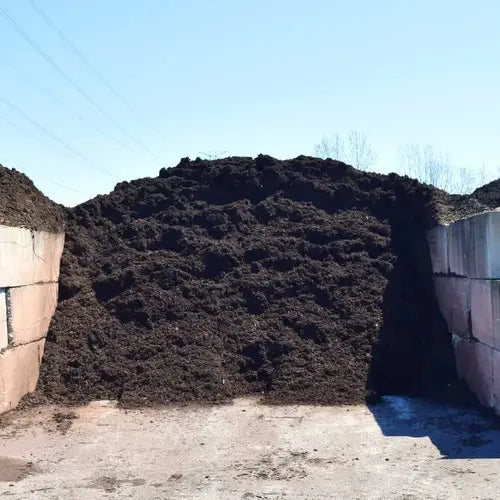
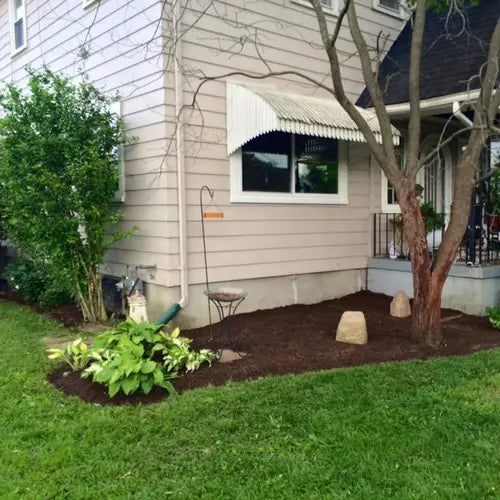
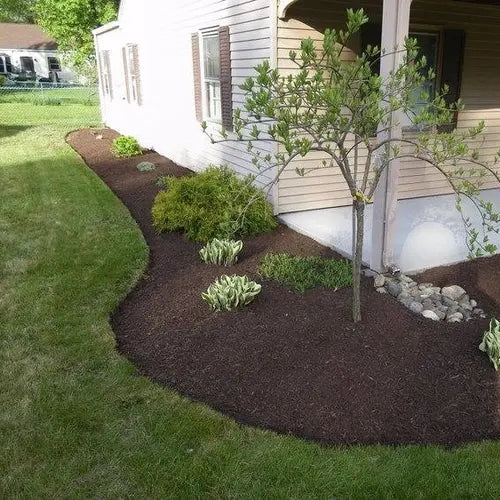
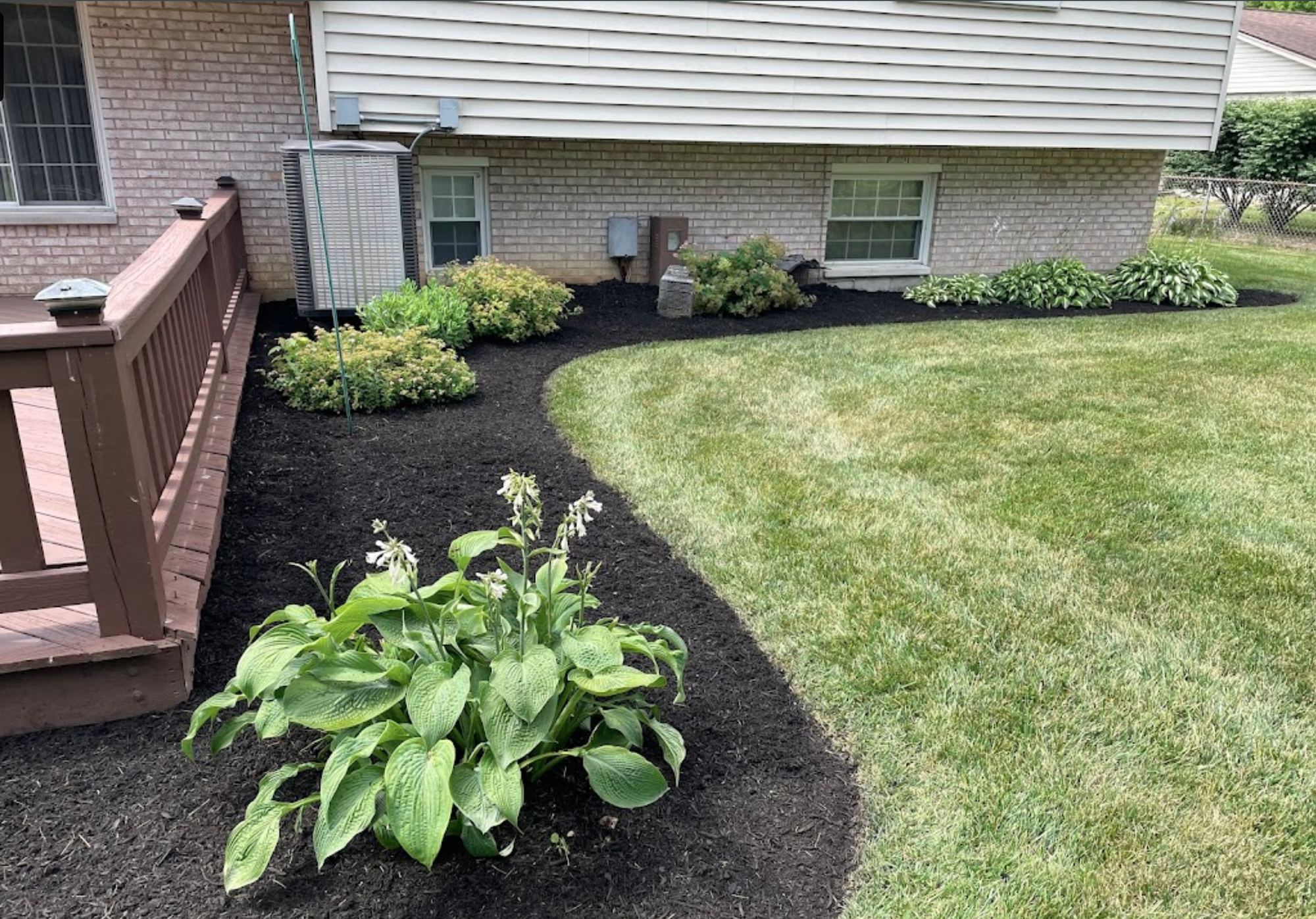
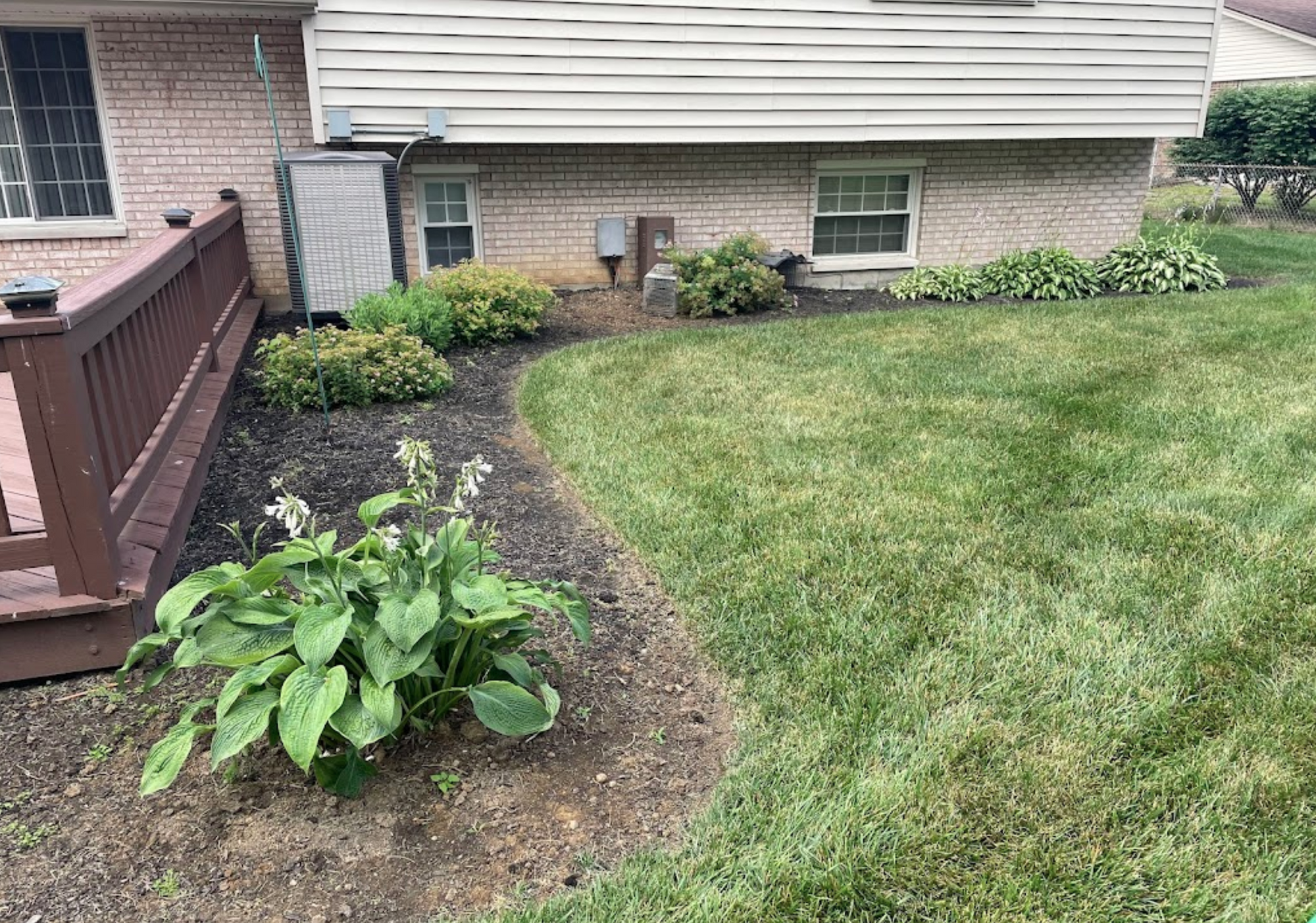
Delivery was on time and great quality Mulch. Got it done in a reasonable time and yard looks great. Couldn’t be happier!!! Thank you and will use again!!
Tell us what you're looking for
Thanks! We received your request.
Something went wrong. Please try again.
How Much Material Do I Need?
Use 3 inches in open sun beds and 2 inches under dense shrubs or around shallow rooted plants like lantana. Order about 10 percent extra for settling and for the low spots caliche grading always leaves behind.
Use our free mulch calculator
What is a yard?
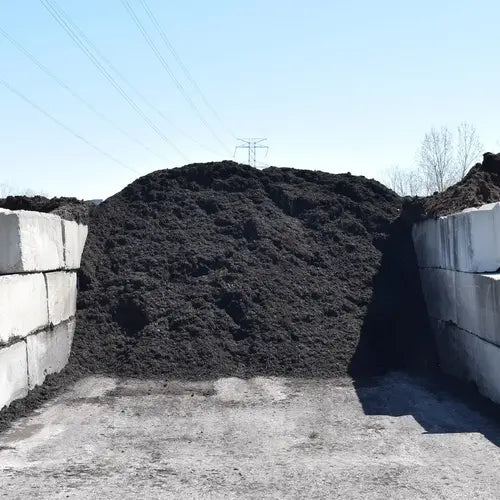
A yard is approximately 27 cubic feet. As a general guideline, one yard of material can cover an area of about 100-160 square feet at a 2-3 inch depth.
Delivery was on time and great quality Mulch. Got it done in a reasonable time and yard looks great. Couldn’t be happier!!! Thank you and will use again!!
How Much Material Do I Need?
Use 3 inches in open sun beds and 2 inches under dense shrubs or around shallow rooted plants like lantana. Order about 10 percent extra for settling and for the low spots caliche grading always leaves behind.
Use our free mulch calculator
What is a yard?
A yard is approximately 27 cubic feet. As a general guideline, one yard of material can cover an area of about 100-160 square feet at a 2-3 inch depth.
Delivery was on time and great quality Mulch. Got it done in a reasonable time and yard looks great. Couldn’t be happier!!! Thank you and will us...
Read full review
Delivery was on time and great quality Mulch. Got it done in a reasonable time and yard looks great. Couldn’t be happier!!! Thank you and will use again!!
Mulch Mound delivered a yard of pea gravel to us. Delivery was on time, driver was friendly and hit a bullseye on the “tarp target”. We used the ...
Read full review
Mulch Mound delivered a yard of pea gravel to us. Delivery was on time, driver was friendly and hit a bullseye on the “tarp target”. We used the pea gravel (which was diameter as specified) to fill several muskrat holes around our pond. I would definitely recommend Mulch Mound to a friend!
I can’t say enough good things about Mulch Mound! If you read my review below you will see I had a problem with my order. Mulch Mou...
Read full review
UPDATE!
I can’t say enough good things about Mulch Mound! If you read my review below you will see I had a problem with my order. Mulch Mound was quick to respond and solved the issue with my delivery. Will definitely be a customer next year.
First time purchase from Mulch Mound!! First what I liked! Easy to order online and straight forward pricing and delivery. The driver was on time and courteous and delivered my Mulch exactly where I requested! The product is of good quality and comparable to others I have purchased from before. Now what I DID’NT LIKE! I have been mulching the same house and yard for almost 20 years. I always order the same amount and don’t have any issues with covering the same area but this year I fell about a yard short. I was home when the mulch was delivered and when the driver dumped it I noticed that it seemed a bit less than I was used to. I didn’t apply it any thicker than usual and probably a bit thinner than usual because I was worried about running out.
Measure each planted bed separately in feet, length times width, and add the areas together rather than guessing at your whole lot. Skip any area that is staying in decorative rock, which in Henderson is often most of the yard. One cubic yard covers about 108 square feet at 3 inches deep.
Mulch vs. No Mulch: The Difference
Henderson gets about 5 inches of rain a year and relentless ultraviolet exposure at 1,867 feet, so mulch here does not rot away like it does in humid climates. Instead it bleaches, gets brittle, and slowly blows or washes into low spots during monsoon downpours. That means color retention and particle weight matter far more than decay resistance when you choose between mulch types.
Before
After
Best Mulch Choice for Henderson Lawns
Most yards in the Henderson area sit on type of soil. Caliche is a cemented calcium carbonate hardpan that sits just inches below the surface across much of Henderson, and it stops roots and water cold. Plant beds built straight on top of it tend to hold standing water in the planting hole while the surrounding soil stays bone dry.
Hardwood Mulch
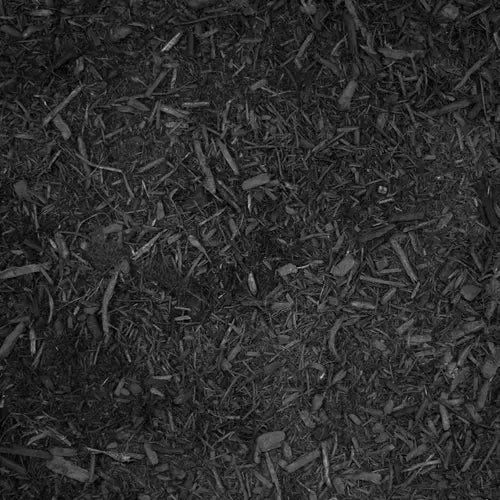
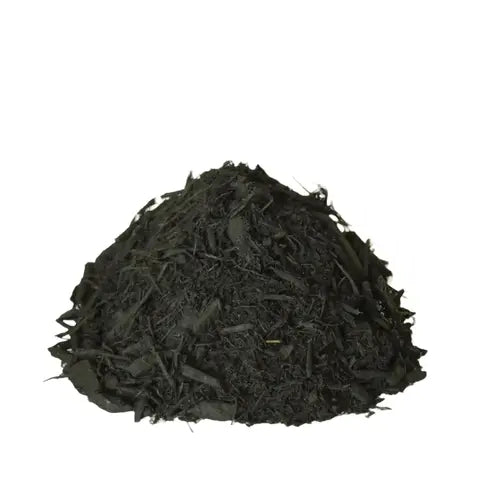
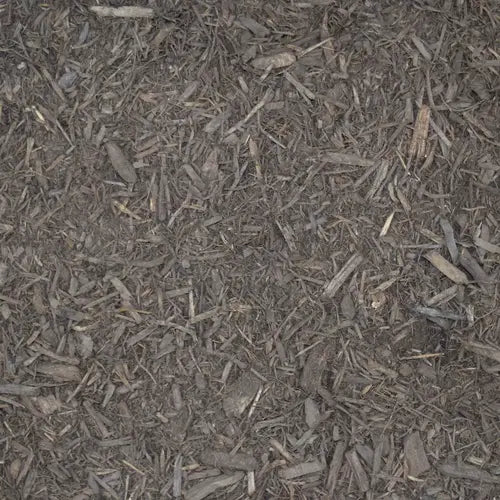
Shredded hardwood is the best mulch for caliche ground because it slowly contributes organic matter to the thin soil above the hardpan and keeps that layer cool and damp enough for soil life to work. Over a few seasons the biological activity it feeds helps soften the upper crust and improves how water moves into the root zone.
Complete Your Outdoor Mulch Project
Pair your mulch with a few yards of compost or garden soil to amend the caliche before you spread, and add decorative rock or cobble for the transition strips between beds and hardscape.
Before mulching a new bed, soak it slowly for a couple of hours the day before. Caliche and our desert soils repel water when bone dry, and a dry bed under fresh mulch can stay dry for months because the mulch sheds the light irrigation that follows. One deep pre soak lets the profile wet up, and the mulch then keeps that moisture in place instead of locking dryness underneath the layer.
Mulch Mound Pro Tip
Build a shallow basin around new trees rather than a volcano of mulch against the trunk. In Henderson the goal is to catch and hold the little water you apply, so form a berm at the dripline, fill the inside with 3 inches of mulch, and leave a bare 4 inch collar at the trunk. That collar prevents bark rot and discourages scorpions from nesting right against the tree.
Mulch Mound Pro Tip
Refresh color instead of replacing volume. Our intense ultraviolet light fades mulch gray within a year or two even though the wood itself is still intact. Rake the old layer to turn the bleached fibers under, then add just 1 inch of fresh product on top. You get the rich look back for a third of the cost, and you avoid piling depth that traps too much moisture against plant crowns.
Frequently Asked Questions
Click a question to see the answer
Answer
How fast does mulch break down in Henderson heat?
Faster than most people expect, but not from rot. With only 5 inches of annual rain there is very little microbial decay, so the real losses come from ultraviolet bleaching and summer wind. A shredded hardwood layer usually needs a 1 inch top off after about 18 to 24 months, while coarse bark nuggets can hold three years or more.
Answer
Will mulch blow away during our spring wind events?
Fine, dusty mulch will. Henderson gets steady spring gusts funneling through the valley, so we recommend shredded or double ground hardwood whose fibers knit together, or large bark nuggets that are too heavy to lift. Water the bed lightly right after spreading and the surface mats down within a day.
Answer
Can I put mulch directly over caliche?
You can, but it is a wasted opportunity. Caliche sheds water rather than absorbing it, so break the crust first with a pick or auger, mix in compost, then mulch on top. Mulch alone will shade the caliche and cool it, but it will not soften a cemented layer that is several inches thick.
Answer
Does mulch attract scorpions or roaches in Henderson?
Deep, damp, chunky piles up against a foundation can give bark scorpions and roaches a cool hiding spot, which is a real concern in the valley. Keep mulch pulled back 6 to 12 inches from the stucco, hold the depth to 3 inches, and use a shredded product that dries out on the surface rather than a loose nugget with lots of air gaps.
Answer
How much mulch do I need if I already have rock in most of my yard?
Most Henderson homes are mostly rock with a few planted islands, so orders here tend to be small. A typical pair of front entry beds and a couple of tree wells runs 2 to 4 cubic yards. Measure only the planted areas, not the rocked field, and we can deliver those smaller loads.
Answer
When is the best time of year to mulch here?
Late February right after the February 15 average last frost is ideal, because you insulate the soil before the May heat arrives and you smother winter weeds before they seed. October is the second best window, giving beds a buffer before the December 10 first frost. Avoid spreading in July unless you have to.
Answer
Will mulch mess up my drip irrigation?
No, and it actually helps. Run your drip lines on top of the soil and under the mulch so emitters deliver water into a shaded, slower drying zone. Just flag the emitter locations before you spread, since buried lines are annoying to find later when a head clogs from our hard water minerals.
The Unique Landscape of Henderson
Henderson sits at 1,867 feet on the edge of the Mojave, where roughly 5 inches of rain falls in an entire year and summer surface temperatures in an unshaded bed can climb past 150 degrees. Mulch is the single cheapest way to keep that heat off your root zones and slow the evaporation that drains drip emitters before the water ever soaks in. Under our caliche hardpan, roots tend to spread sideways in the top few inches of soil, which is exactly the layer that bakes first, so covering it matters more here than in wetter regions. A 3 inch blanket of bark or hardwood also blocks the sunlight that wakes up puncturevine and London rocket after a winter storm. With a Zone 9b season that runs from a mid February last frost to a December 10 first frost, your beds are actively growing about ten months a year and need protection for nearly all of it. Mulch is also the only realistic way to build organic matter into ground that has almost none.