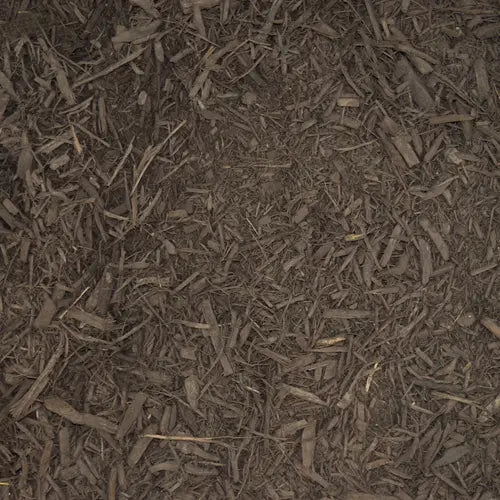
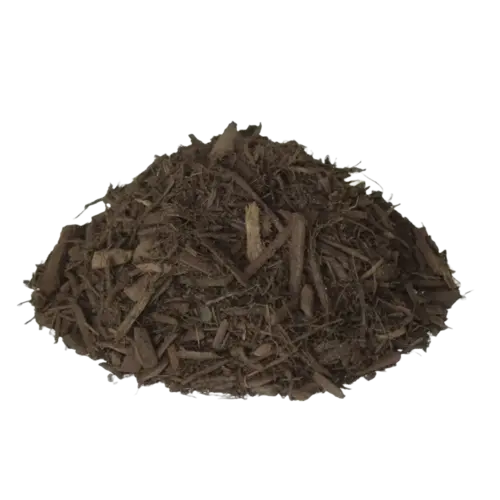
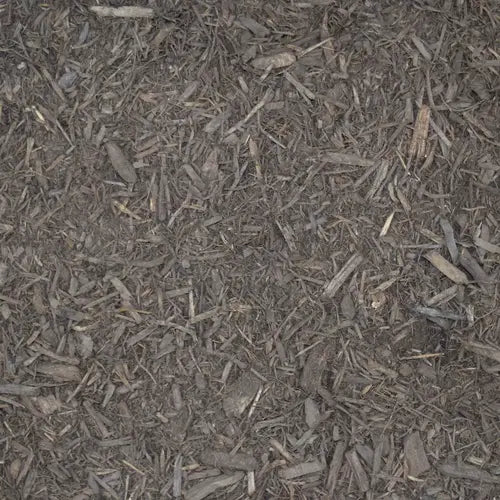
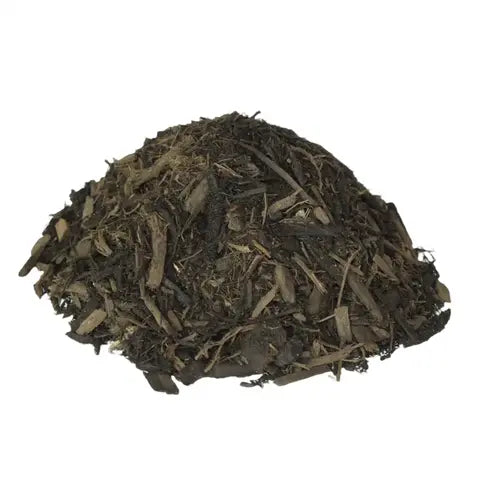
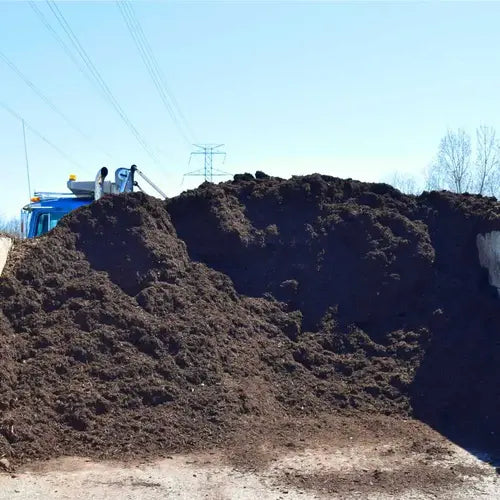
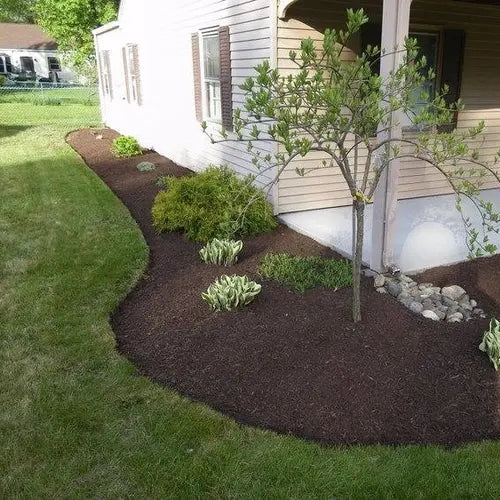
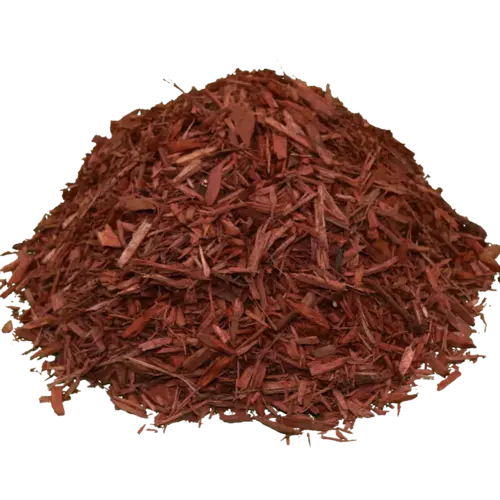
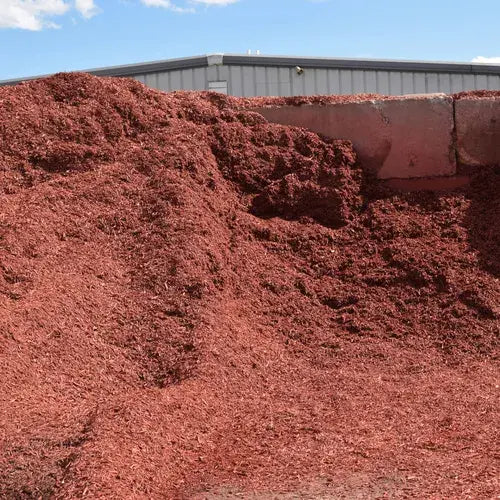
Warm brown double shredded mulch with lasting color that looks freshly applied for weeks. Spreads smooth, stays put, and gives beds a natural, polished appearance.
I highly recommend Mulch Mound. The quality of the mulch is very good. The ordering system on their website makes it very easy. The delivery driver did a great job placing the mulch on the driveway. To finish off, the pricing was very reasonable as well.
Tell us what you're looking for
Thanks! We received your request.
Something went wrong. Please try again.
How Much Material Do I Need?
Most Hickory planting beds over red clay perform best with a 3-inch layer of mulch, which equates to roughly 1 cubic yard for every 100 square feet of bed space. If you are top-dressing an existing layer, 1 to 1.5 inches of fresh material is usually enough to restore coverage and color.
Use our free mulch calculator
What is a yard?
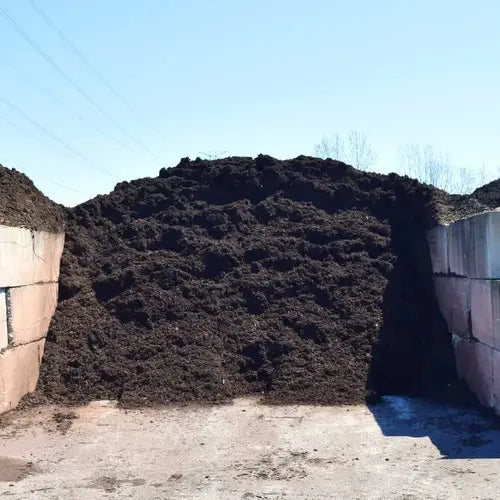
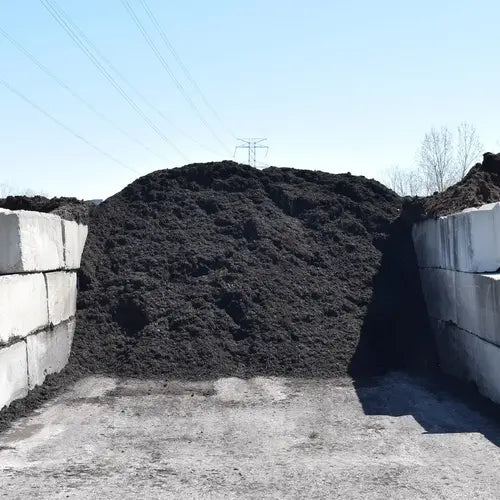
A yard is approximately 27 cubic feet. As a general guideline, one yard of material can cover an area of about 100-160 square feet at a 2-3 inch depth.
We can't take orders for this right now. Tell us what you need and we'll get back to you.
What do you need?
Thanks! We received your request.
Something went wrong. Please try again.
Hand-picked local yards
4,000+ regional deliveries
Dedicated support
Why order through Mulch Mound
The best local mulch, without the guesswork.
We hand-pick and partner with the best yards in your region, keep only the ones our buyers rate well, and back each load with our guarantee.
Mulch Mound Guarantee
If your mulch isn't the quantity or quality you ordered, we'll make it right.
About this mulch
Warm brown double shredded mulch with lasting color that looks freshly applied for weeks. Spreads smooth, stays put, and gives beds a natural, polished appearance.
I highly recommend Mulch Mound. The quality of the mulch is very good. The ordering system on their website makes it very easy. The delivery driver did a great job placing the mulch on the driveway. To finish off, the pricing was very reasonable as well.
How Much Material Do I Need?
Most Hickory planting beds over red clay perform best with a 3-inch layer of mulch, which equates to roughly 1 cubic yard for every 100 square feet of bed space. If you are top-dressing an existing layer, 1 to 1.5 inches of fresh material is usually enough to restore coverage and color.
Use our free mulch calculator
What is a yard?
A yard is approximately 27 cubic feet. As a general guideline, one yard of material can cover an area of about 100-160 square feet at a 2-3 inch depth.
I highly recommend Mulch Mound. The quality of the mulch is very good. The ordering system on their website makes it very easy. The delivery driver...
Read full review
I highly recommend Mulch Mound. The quality of the mulch is very good. The ordering system on their website makes it very easy. The delivery driver did a great job placing the mulch on the driveway. To finish off, the pricing was very reasonable as well.
They offered a quick turnaround and delivered high quality mulch at a reasonable price. They also dropped it off exactly where I told them to put i...
Read full review
They offered a quick turnaround and delivered high quality mulch at a reasonable price. They also dropped it off exactly where I told them to put it. Good service!
Measure the length and width of each bed in feet, multiply them together, and divide by 12 to find how many cubic feet of mulch you need at a 1-inch depth, then multiply by 3 for Hickory's recommended 3-inch application over red clay. Because Hickory beds often have irregular shapes from curved borders and mature tree roots, add about 10 percent to your total to avoid running short.
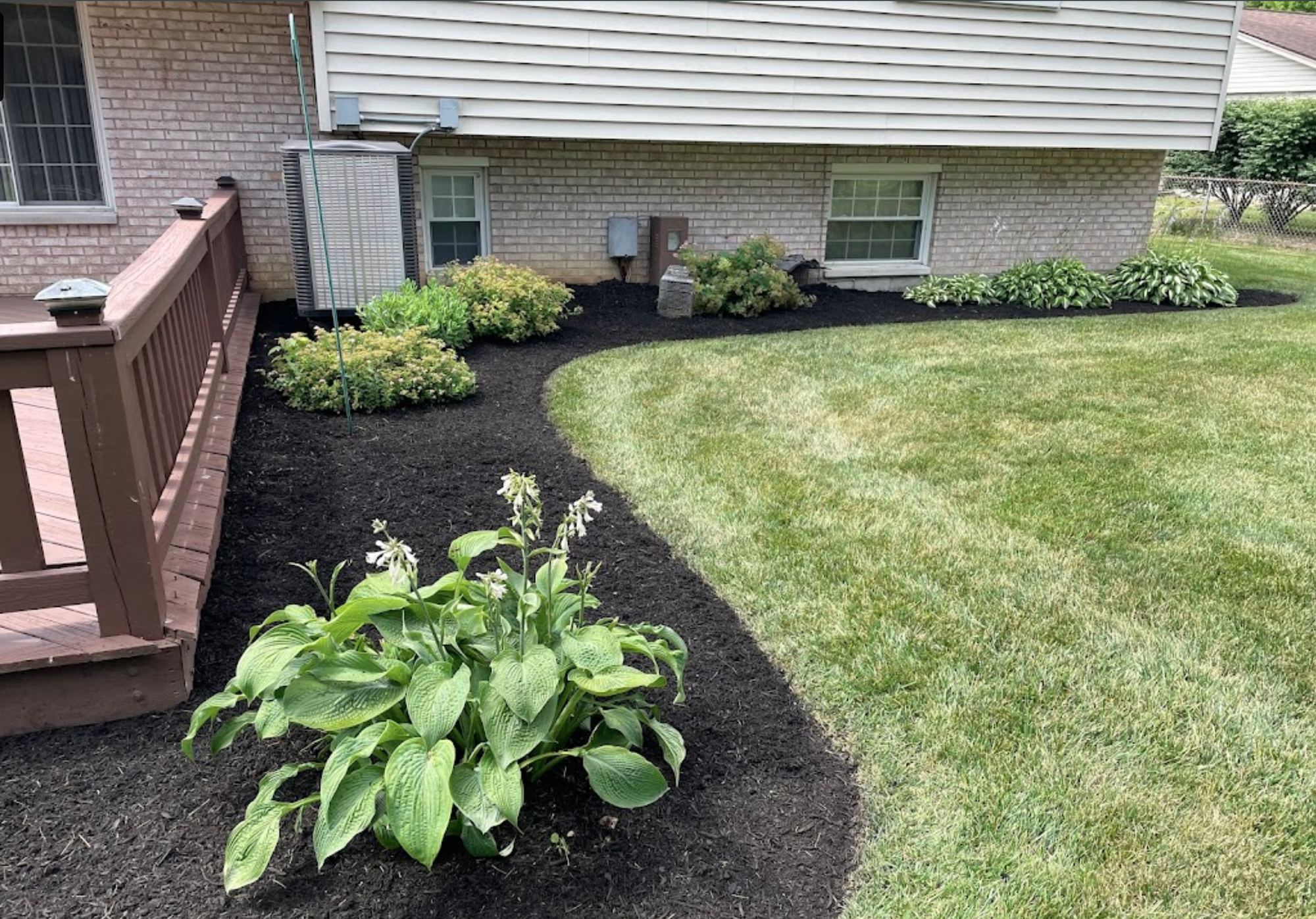
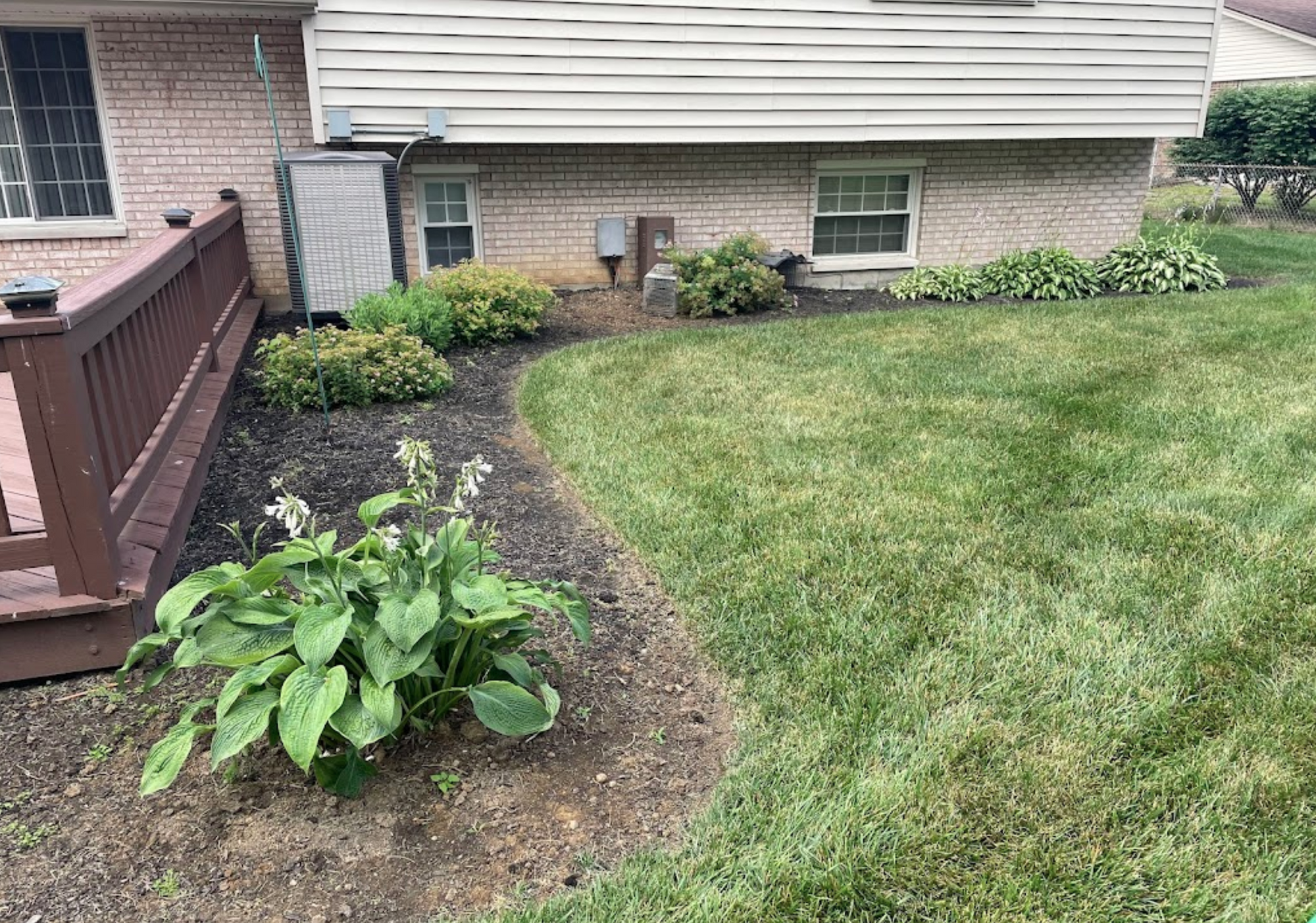
Mulch vs. No Mulch: The Difference
Hickory's combination of heat, humidity, and 45 inches of annual rainfall means organic mulches break down at a moderate pace, faster than in drier climates but slower than in the Deep South. Natural undyed hardwood mulch will shift to a silvery-gray tone within one growing season as sun and rain work on it, while dyed mulches hold their color through most of Hickory's long warm season before fading. The right choice depends on whether you prioritize visual consistency through the season or want the most straightforward soil-building benefit from organic decomposition.
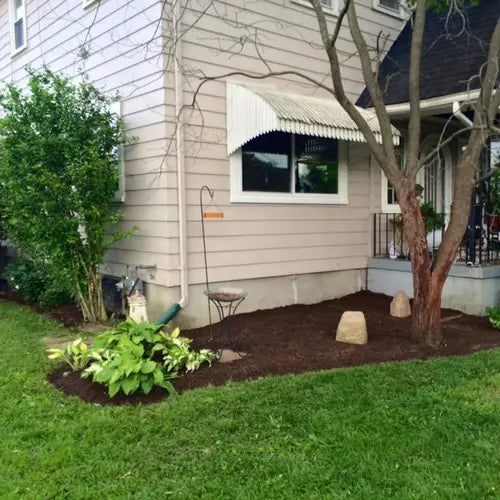
Before
After
Best Mulch Choice for Hickory Lawns
Most yards in the Hickory area sit on Red Clay type of soil. Red clay in the Hickory area is notorious for compacting under foot traffic and rain impact, which starves plant roots of oxygen and makes water penetration inconsistent across the bed. A consistent mulch layer protects the clay surface from direct rain impact, slowing compaction and giving organic matter a chance to accumulate at the soil interface where plants need it most.
Hardwood Mulch
Hardwood mulch is particularly well-suited to Hickory's red clay conditions because it breaks down slowly and steadily, feeding soil microbes that produce the organic matter clay needs to open up and drain properly. As hardwood particles decompose at the soil surface over 12 to 18 months, they contribute humus that gradually improves the clay texture, making future planting, watering, and root growth easier across the whole bed.
Mulch Types We Deliver in Hickory
Mulch Mound delivers bulk mulch by the cubic yard to residential and commercial properties across the area. Whether you are refreshing a front bed or covering a large landscape project, bulk mulch delivery in Hickory makes it simple to get the volume you need without multiple store trips. We bring the material straight to your property.
Dyed Black Mulch
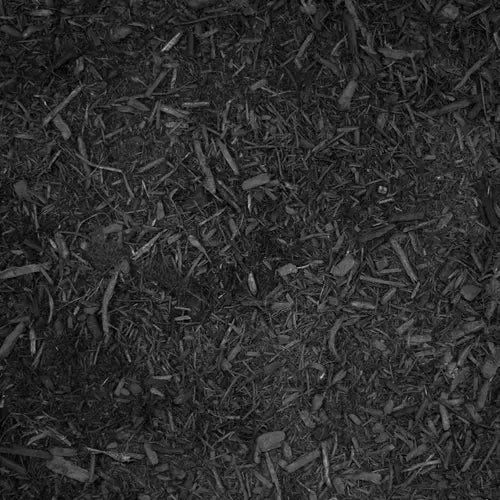
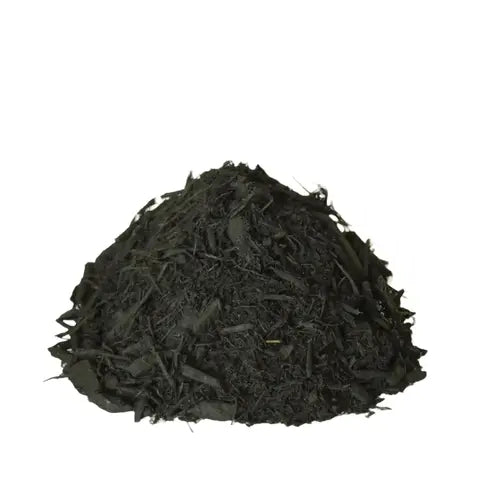
Bold double shredded dyed black mulch creates sharp contrast against the brick and stone accents common in Hickory yards. The rich color resists fading through humid summers and wet springs, and the smooth texture spreads easily around beds, trees, and borders.
Dyed Brown Mulch
Warm and inviting, double shredded dyed brown mulch complements the red clay soils and wooded character of the Piedmont region. The color holds for weeks, keeping planted beds looking fresh and polished through the full growing season.
Natural Brown Mulch
Double shredded natural brown mulch is undyed wood with an honest earthy tone that pairs well with native plantings and wooded lots. The smooth cut spreads evenly and suits homeowners who prefer a clean look without added color.
Dyed Red Mulch
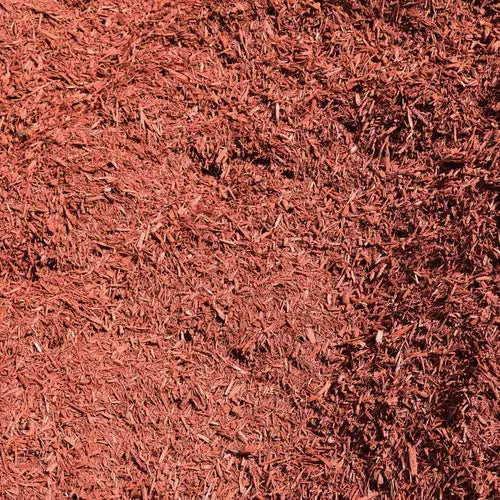
Double shredded dyed red mulch delivers a vibrant seasonal accent that stands out against neutral home siding and stone landscaping. The bold color holds through the season and the fine texture resists displacement during the heavy rains typical of this part of North Carolina.
Complete Your Outdoor Mulch Project
If your beds need more than a cosmetic refresh, consider pairing mulch with a bulk topsoil or garden mix order to improve Hickory's red clay before you plant. Decorative stone works well along bed borders and pathways to give your yard a finished look while helping anchor mulch on slopes.
Hickory's red clay tends to form a crust after heavy rains that can actually repel water before it reaches plant roots. Before spreading mulch in spring, loosen the top inch of soil in your beds with a rake or cultivator so moisture can penetrate. This one step makes the mulch layer far more effective at delivering rain to root zones rather than letting it sheet off the surface and run out of the bed entirely.
Mulch Mound Pro Tip
Zone 7b winters in Hickory are mild enough that some perennials and marginally hardy shrubs can survive outdoors, but the elevation adds unpredictability to late-winter temperatures. Pull mulch away from the crowns of borderline-hardy plants in late February to let the soil warm faster as days lengthen. This small adjustment can make the difference between a plant rebounding strongly or rotting at the crown after a wet Hickory winter.
Mulch Mound Pro Tip
Hickory's 45 inches of annual rainfall sounds generous, but it often falls unevenly, with wet springs followed by dry July and August stretches. Keeping a consistent 3-inch mulch layer in place through summer significantly reduces how often you need to water established plantings. Gardeners who let their mulch thin out during the dry season often see far more plant stress, because bare red clay heats up rapidly and loses whatever soil moisture it holds within just a few days of a rain event.
Frequently Asked Questions
Click a question to see the answer
Answer
How thick should I apply mulch over Hickory's red clay soil?
In Hickory, a 3-inch layer is the sweet spot for most planting beds. Red clay compacts easily and sheds water when it dries out, so that depth helps slow runoff and gives organic mulch time to soften the surface layer as it breaks down. Going thicker than 4 inches near plant stems can trap moisture against bark and cause rot, which is a real risk given Hickory's humid summers.
Answer
Will mulch help with the drainage problems I have because of clay soil?
Mulch will not fix deep drainage issues on its own, but it does make a meaningful difference at the surface level in Hickory yards. As hardwood or wood chip mulch decomposes on top of red clay, it adds organic matter that gradually improves the soil structure and lets it absorb water more evenly. For serious drainage problems, pairing mulch with a soil amendment or a gravel drainage layer underneath will give you faster results.
Answer
When is the best time of year to put down fresh mulch in Hickory?
Late March through early April is ideal in Hickory. Spreading mulch just before the last average frost around April 15 lets you protect emerging perennials and insulate soil while temperatures are still variable. A second refresh in late October, before the first frost hits around November 5, locks in soil warmth and protects roots through winter. Avoid applying during the driest summer stretches if the ground is already cracked, because dry clay can repel moisture and the mulch will not hydrate the soil beneath as effectively.
Answer
Does the high rainfall in Hickory cause mulch to wash away?
It can, especially on slopes or along foundation edges where Hickory's spring storms funnel runoff. Shredded hardwood mulch interlocks better than nugget styles and resists washing more effectively. On steeper grades, keeping the layer at 2 to 3 inches and edging beds cleanly will reduce movement. If you have a particularly erosion-prone area, a border of river stone along the downhill edge of the bed works well to anchor the mulch in place.
Answer
How long will mulch last before I need to replace it in Hickory's climate?
In Hickory's warm and moderately humid Zone 7b climate, organic mulch typically breaks down noticeably within 12 to 18 months. The combination of summer heat, 45 inches of annual rainfall, and soil microbes active through most of the year accelerates decomposition compared to cooler climates. Most Hickory homeowners find that a fresh top-dressing each spring keeps beds looking tidy and maintains the protective depth.
Answer
Should I use natural or dyed mulch around my Hickory home?
Both work well in Hickory, but the choice really comes down to aesthetics and how quickly you want the bed to blend in. Natural hardwood mulch will gray and lighten within a season as the sun and rainfall break it down. Dyed mulch holds its color longer, which can be nice if you want a polished look through Hickory's long growing season. From a soil-health standpoint, look for dyed products made from clean wood sources rather than recycled pallet material to avoid introducing unwanted compounds into your planting beds.
Answer
Can I use mulch to help protect plants during Hickory's late cold snaps in spring?
Yes, and this is one of the most practical uses of mulch in this area. Hickory sits at over 1,100 feet of elevation, which means late cold snaps after the average April 15 last frost are not unusual. A 3-inch layer of mulch over the root zone acts as insulation, keeping soil temperatures more stable and protecting tender roots from a surprise frost. Just pull the mulch back slightly from plant crowns during warm spells so you do not encourage crown rot.
The Unique Landscape of Hickory
Hickory's red clay soil creates a frustrating cycle for homeowners, baking hard in summer heat and turning slick and compacted after the area's frequent spring rains. At 1,161 feet of elevation, the city experiences temperature swings that stress plant roots even within Zone 7b, making consistent soil temperature a genuine concern from late fall through the mid-April last frost. A proper mulch layer helps break that cycle by insulating roots, slowing moisture evaporation between rain events, and gradually conditioning the clay beneath as organic material decomposes. With 45 inches of annual rainfall spread unevenly across the year, bare soil in Hickory washes and crusts repeatedly, and mulch is the most practical defense against that surface erosion. Keeping beds mulched also reduces the dense weed pressure that thrives in Hickory's long warm season, which stretches from the last frost around April 15 well into October.