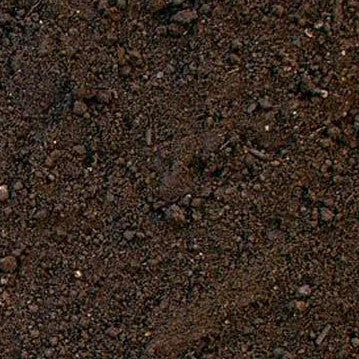
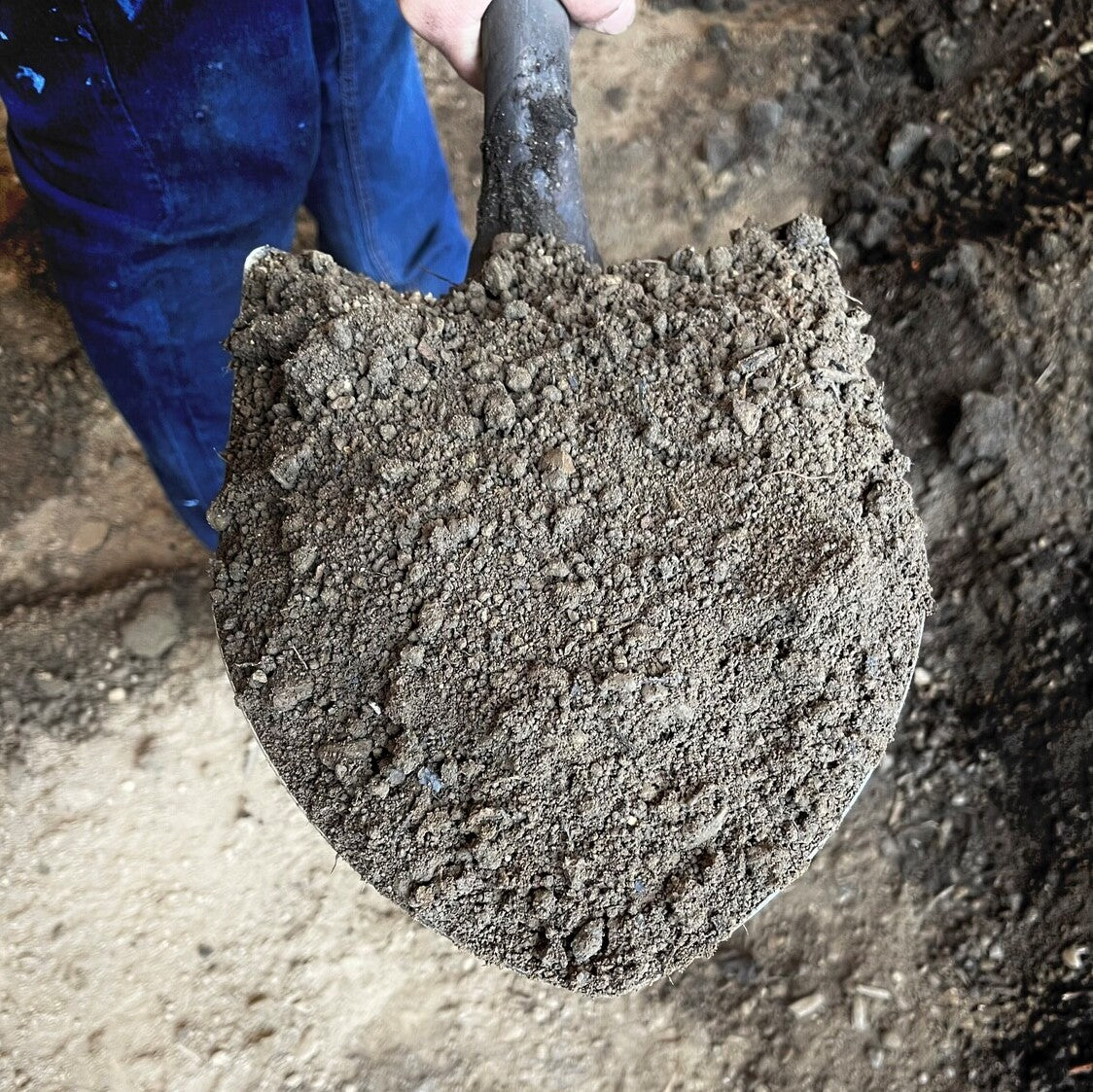
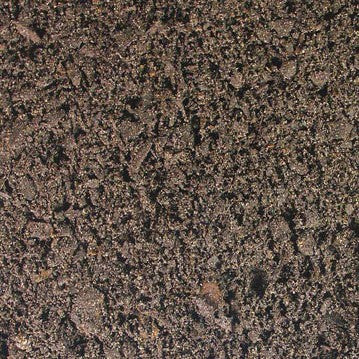
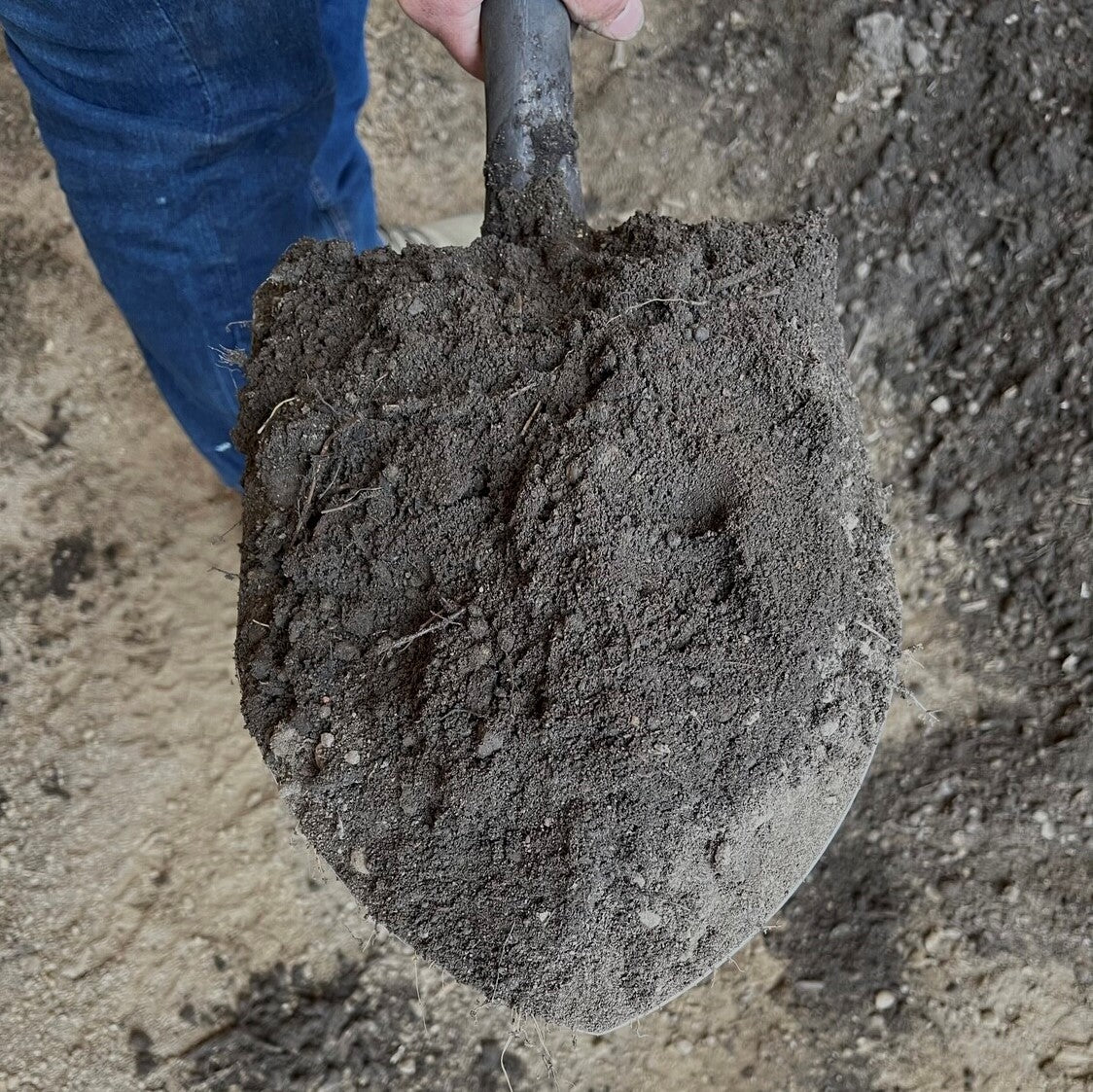
Quality topsoil for lawns, gardens, and landscape projects. Nutrient rich and ready to support strong root development and healthy plant establishment.
We ordered 3 yards of the garden soil, delivered mext day. We used in raised beds 6x3x2. It was more than needed for both but the soil looked good! I added some perlite to add some drainage since this is a little dense.
Tell us what you're looking for
Thanks! We received your request.
Something went wrong. Please try again.
How Much Material Do I Need?
For new planting beds over Hickory's red clay, a 4 to 6 inch layer of quality topsoil or garden mix provides enough depth for most annuals and perennials to root well above the hard clay layer. Raised beds and vegetable gardens should have at least 10 to 12 inches of loose soil to give roots the full freedom of movement they need through Hickory's growing season.
Use our free soil calculator
What is a yard?
A yard is approximately 27 cubic feet. As a general guideline, one yard of material can cover an area of about 100-160 square feet at a 2-3 inch depth.
What is a yards?
A yard is approximately 27 cubic feet. As a general guideline, one yard of material can cover an area of about 10 feet by 10 feet at a few inches deep.
We can't take orders for this right now. Tell us what you need and we'll get back to you.
What do you need?
Thanks! We received your request.
Something went wrong. Please try again.
Hand-picked local yards
4,000+ regional deliveries
Dedicated support
Why order through Mulch Mound
The best local soil, without the guesswork.
We hand-pick and partner with the best yards in your region, keep only the ones our buyers rate well, and back each load with our guarantee.
Mulch Mound Guarantee
If your soil isn't the quantity or quality you ordered, we'll make it right.
About this soil
Quality topsoil for lawns, gardens, and landscape projects. Nutrient rich and ready to support strong root development and healthy plant establishment.
We ordered 3 yards of the garden soil, delivered mext day. We used in raised beds 6x3x2. It was more than needed for both but the soil looked good! I added some perlite to add some drainage since this is a little dense.
How Much Material Do I Need?
For new planting beds over Hickory's red clay, a 4 to 6 inch layer of quality topsoil or garden mix provides enough depth for most annuals and perennials to root well above the hard clay layer. Raised beds and vegetable gardens should have at least 10 to 12 inches of loose soil to give roots the full freedom of movement they need through Hickory's growing season.
Use our free soil calculator
What is a yard?
A yard is approximately 27 cubic feet. As a general guideline, one yard of material can cover an area of about 100-160 square feet at a 2-3 inch depth.
What is a yards?
A yard is approximately 27 cubic feet. As a general guideline, one yard of material can cover an area of about 10 feet by 10 feet at a few inches deep.
We ordered 3 yards of the garden soil, delivered mext day. We used in raised beds 6x3x2. It was more than needed for both but the soil looked good!...
Read full review
We ordered 3 yards of the garden soil, delivered mext day. We used in raised beds 6x3x2. It was more than needed for both but the soil looked good! I added some perlite to add some drainage since this is a little dense.
Measure the length, width, and desired depth of your project area in feet and multiply all three together to get cubic feet, then divide by 27 to convert to cubic yards. For Hickory lawn leveling projects, remember that topsoil over red clay settles as the clay beneath slowly compresses, so adding 10 to 15 percent to your estimate accounts for that settling after the first few heavy spring rains.
Soil Types We Deliver in Hickory
Mulch Mound delivers bulk topsoil by the yard in Hickory, making it easier to work around the dense clay soils common across this part of western North Carolina. Whether you are grading a yard, filling raised beds, or establishing new plantings, ordering soil by the cubic yard means you get exactly the volume your project needs, delivered right where the work is happening.
Screened Top Soil
Sifted to remove rocks, roots, and clumps, this screened topsoil delivers a clean, workable texture suited for lawn repairs, grading, and garden bed preparation. It is nutrient rich and supports strong root development, making it a dependable foundation for homeowners in the Hickory area working to establish healthy turf or new plantings.
Premium Gardening Blend
This premium blend combines topsoil and compost into a rich mix that is ready to plant, making it well suited for raised beds and new garden installations. The added organic material supports strong establishment during the warm, humid growing seasons typical of this part of western North Carolina.
Complete Your Outdoor Soil Project
A soil delivery pairs naturally with a mulch order to protect your newly prepared beds and lock in moisture through Hickory's variable spring and summer weather. Adding a stone border or pathway material helps define garden spaces and keeps soil and mulch from migrating during heavy rains common in the area.
How much topsoil do I need to fix a low spot in my Hickory yard?
For lawn leveling in Hickory, a 2 to 4 inch lift over the affected area is usually sufficient for minor grading issues. Because native red clay underneath is so dense, you generally do not need to go deeper than 4 to 6 inches even for new lawn areas, since roots will struggle to push through hard clay regardless of how much soft soil sits on top. If the low spot collects standing water regularly after Hickory's spring rains, addressing the underlying grade and drainage first will make the topsoil repair hold up much longer.
Answer
What kind of soil works best for a raised vegetable garden in Hickory?
A blended garden mix with compost, topsoil, and some coarse material for drainage is the best approach for Hickory raised beds. Because you are building above the native red clay, you have full control over the growing environment, and a loose well-amended mix lets roots run freely and drains quickly after Hickory's heavy spring rain events. Aim for at least 10 to 12 inches of depth so cool-season crops planted before the April 15 last frost have enough root room to establish before summer heat arrives.
Answer
Can I use bulk topsoil to repair the bare spots in my lawn after a dry Hickory summer?
Yes, bulk topsoil is one of the best tools for lawn repair in Hickory after summer stress. Spread a half-inch to one-inch layer over bare or thin areas, work it lightly into the existing soil, and overseed by mid-September so grass establishes before the November 5 first frost. Fescue varieties common in Hickory lawns do well with this approach and the cooler fall soil temperatures actually favor germination better than spring seeding in most years.
Answer
Will adding topsoil help with the drainage issues caused by Hickory's red clay?
Topsoil alone on top of clay can create a layering effect that actually slows drainage if the two materials are very different in texture. The most effective approach in Hickory is to till or loosen the top few inches of native clay before adding bulk soil, which helps the two layers mix and transition more naturally. For persistently wet areas, pairing soil improvement with a gravel drainage layer or a French drain gives you much more reliable results given Hickory's 45-inch annual rainfall.
Answer
How early in spring can I start working soil in Hickory?
Hickory's red clay stays wet and difficult to work in late winter and early spring. You can typically start light soil work in March when daytime temperatures are consistently above 45 degrees, but working saturated clay compacts it badly and can set you back for the whole season. A simple test is to squeeze a handful of native soil and see if it crumbles apart when you open your hand. If it holds its shape, wait a few more dry days before tilling or spreading new material.
Answer
Is bulk topsoil safe to plant into right away, or does it need to settle first?
Quality bulk topsoil and garden mixes can generally be planted into right away, though it helps to water the area after spreading and let it settle for a day or two before direct seeding. In Hickory, if you are placing transplants close to the April 15 last frost window, it is fine to plant immediately since cooler nights will actually slow transplant stress. For sod installation, waiting a day or two for the soil to firm up from any loose delivery spots will help the sod make proper contact with the material beneath.
Answer
How much soil do I need to build a raised garden bed in my Hickory backyard?
A standard 4-foot by 8-foot raised bed filled to 12 inches deep requires about 32 cubic feet, or just over one cubic yard of material. Hickory gardeners often build to 10 or 12 inches of depth because the native clay beneath does not offer much benefit to most crops, so you want enough loose soil for roots to have full freedom of movement. If you are building multiple beds, ordering in bulk drops the per-yard cost significantly compared to bagged soil from a hardware store.
Mulch Mound Pro Tip
When spreading bulk topsoil over Hickory's red clay in spring, do not skip the step of roughing up the clay surface first with a tiller or garden fork. Dropping soft topsoil directly onto a glazed clay surface creates a hard boundary layer that both roots and water struggle to cross. Even a shallow 2-inch till into the native clay dramatically improves how the two materials knit together and perform through the first growing season.
Mulch Mound Pro Tip
Hickory's elevation of over 1,100 feet means soil temperatures in raised beds and freshly amended areas warm more slowly in early spring compared to lower Piedmont cities. If you want to get a jump on the season before the April 15 last frost, covering new soil with a clear plastic sheet for one to two weeks before planting can raise soil temperature by 5 to 10 degrees and give heat-loving crops like tomatoes a meaningfully better start.
Mulch Mound Pro Tip
Fall is the most underrated time to add bulk topsoil to Hickory lawns. Spreading and seeding in September gives fescue 6 to 8 weeks to root before the November 5 first frost, and the milder soil temperatures of October favor germination far better than the erratic warmth of early spring. Soil applied in fall also has the entire winter to settle and consolidate, making the following spring planting season significantly easier to manage.
The Unique Landscape of Hickory
Hickory's native red clay soil is one of the most challenging growing environments in the Carolina Piedmont, draining slowly after rain and baking rock-hard in summer with very little organic matter to support healthy plant growth. With 45 inches of annual rainfall concentrated in spring and frequent summer thunderstorms, clay yards in Hickory often stay waterlogged long enough to damage shallow roots before drying into something close to cracked ceramic. Bringing in quality bulk topsoil or garden mix allows Hickory homeowners to create workable growing conditions in raised beds, fill low spots that collect standing water, and give lawns the loose nutrient-rich foundation they need to establish before the first frost in early November. At 1,161 feet of elevation, Hickory also experiences cooler soil temperatures in spring than lower-elevation Piedmont cities, and loose amended soil warms faster, giving transplants and seeds a meaningful head start before summer heat arrives. Whether you are prepping a new vegetable garden or repairing a lawn stressed by summer drought, a quality soil delivery addresses the fundamental limitation that red clay imposes on nearly every type of planting in this area.