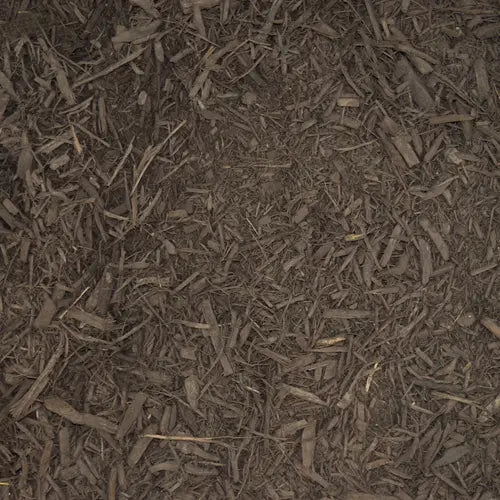
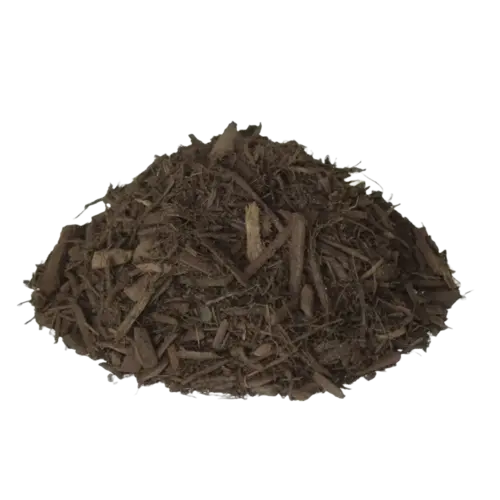
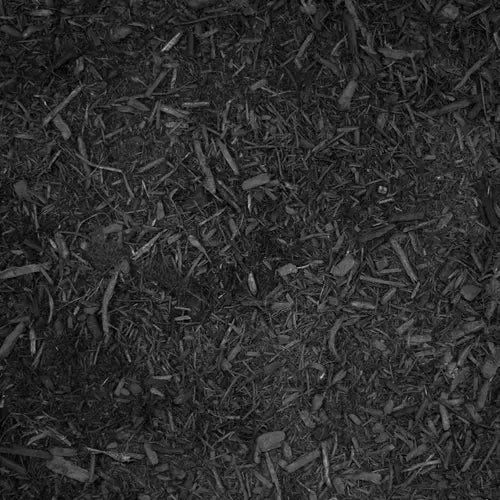
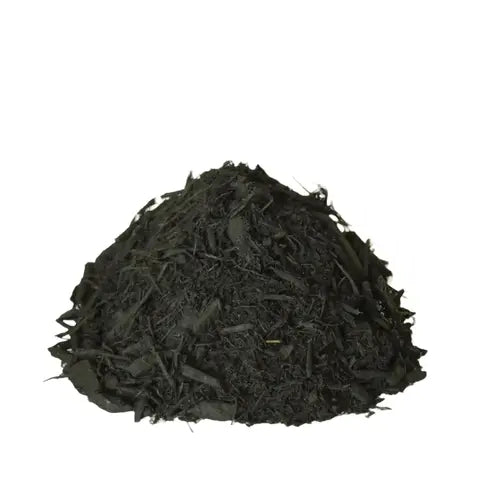
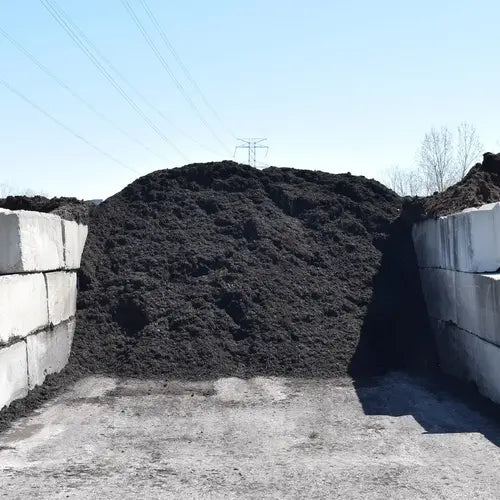
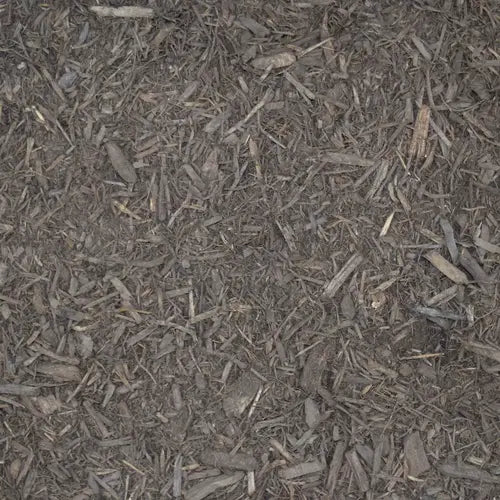
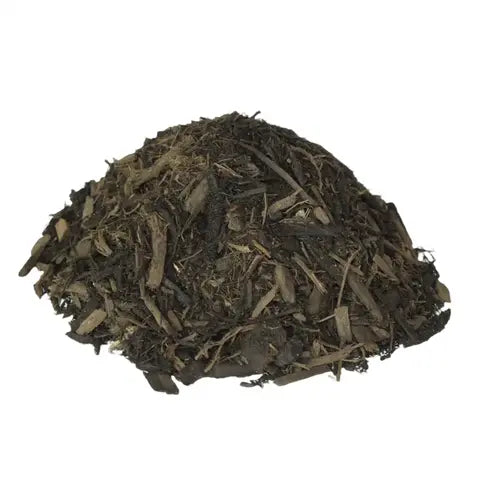
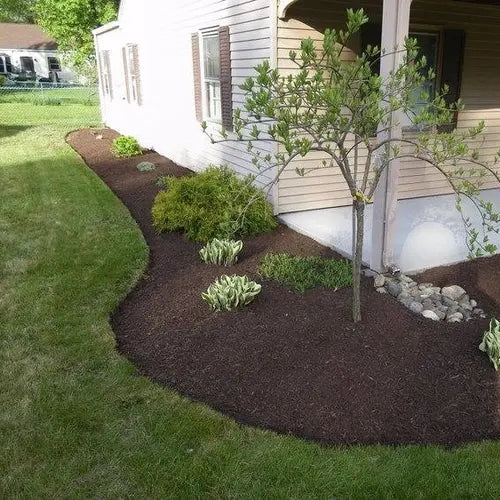
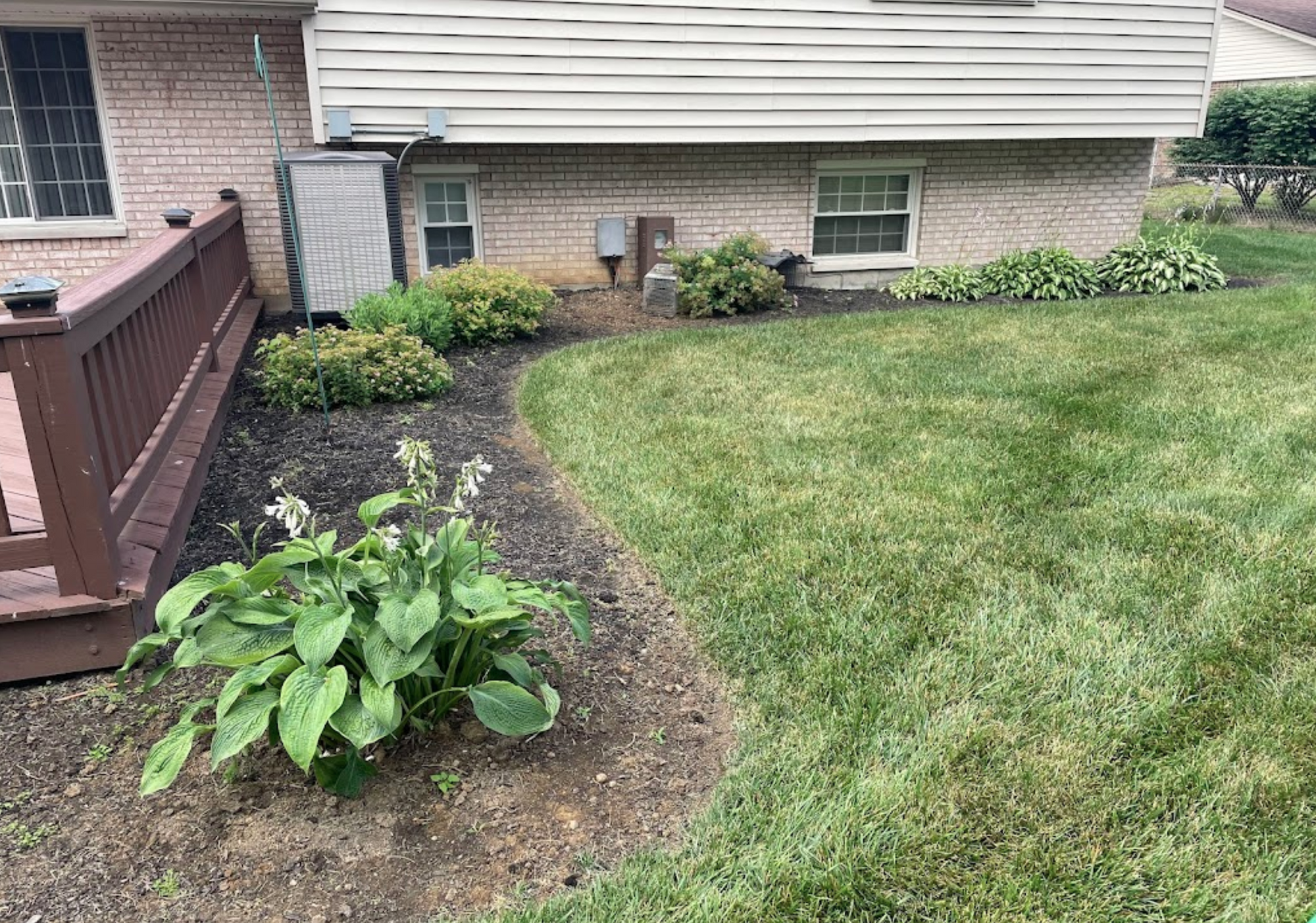
Warm brown double shredded mulch with lasting color that looks freshly applied for weeks. Spreads smooth, stays put, and gives beds a natural, polished appearance.
Great experience! Easy to order, they delivered promptly and were very respectful of the property! Ordered the triple shredded brown mulch and it was EXACTLY what I wanted. Very clean product too, no garbage or filler. Already put these guys in my calendar to order from next y...
Tell us what you're looking for
Thanks! We received your request.
Something went wrong. Please try again.
How Much Material Do I Need?
For High Point's red clay soil, apply mulch at 3-4 inches deep to create an effective moisture-buffering and temperature-moderating layer — shallower applications compact quickly against the clay beneath and lose their effectiveness within a single growing season.
Use our free mulch calculator
What is a yard?
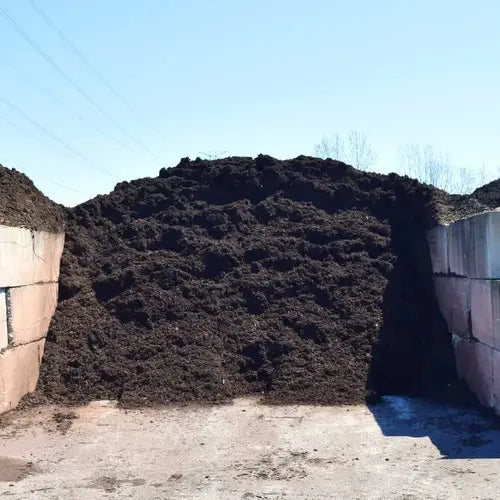
A yard is approximately 27 cubic feet. As a general guideline, one yard of material can cover an area of about 100-160 square feet at a 2-3 inch depth.
We can't take orders for this right now. Tell us what you need and we'll get back to you.
What do you need?
Thanks! We received your request.
Something went wrong. Please try again.
Hand-picked local yards
4,000+ regional deliveries
Dedicated support
Why order through Mulch Mound
The best local mulch, without the guesswork.
We hand-pick and partner with the best yards in your region, keep only the ones our buyers rate well, and back each load with our guarantee.
Mulch Mound Guarantee
If your mulch isn't the quantity or quality you ordered, we'll make it right.
About this mulch
Warm brown double shredded mulch with lasting color that looks freshly applied for weeks. Spreads smooth, stays put, and gives beds a natural, polished appearance.
Great experience! Easy to order, they delivered promptly and were very respectful of the property! Ordered the triple shredded brown mulch and it was EXACTLY what I wanted. Very clean product too, no garbage or filler. Already put these guys in my calendar to order from next y...
How Much Material Do I Need?
For High Point's red clay soil, apply mulch at 3-4 inches deep to create an effective moisture-buffering and temperature-moderating layer — shallower applications compact quickly against the clay beneath and lose their effectiveness within a single growing season.
Use our free mulch calculator
What is a yard?
A yard is approximately 27 cubic feet. As a general guideline, one yard of material can cover an area of about 100-160 square feet at a 2-3 inch depth.
Great experience! Easy to order, they delivered promptly and were very respectful of the property! Ordered the triple shredded brown mulch and it w...
Read full review
Great experience! Easy to order, they delivered promptly and were very respectful of the property! Ordered the triple shredded brown mulch and it was EXACTLY what I wanted. Very clean product too, no garbage or filler. Already put these guys in my calendar to order from next year! Keep up the good work.
To estimate mulch quantity for High Point beds, measure each planting area's length and width in feet, multiply for square footage, then divide by 81 to get cubic yards at a 4-inch depth — the recommended minimum over red clay. High Point's clay subgrade is often uneven due to seasonal expansion and contraction, so rounding your estimate up by 10-15% ensures consistent depth across the full bed rather than running short in compacted low spots.
Mulch vs. No Mulch: The Difference
High Point's humid Zone 7b summers accelerate the breakdown of all organic mulches, but natural hardwood mulch earns its keep twice over — as it decomposes, it contributes organic matter directly to the red clay below, slowly building the soil structure that clay naturally lacks and plants desperately need. Dyed mulch retains visual appeal longer through High Point's sun exposure and seasonal rainfall, but contributes less to long-term soil improvement. The choice often comes down to priority: if soil health is the goal, natural hardwood is the better long-term investment; if consistent curb appeal through a full growing season matters most, dyed mulch delivers.
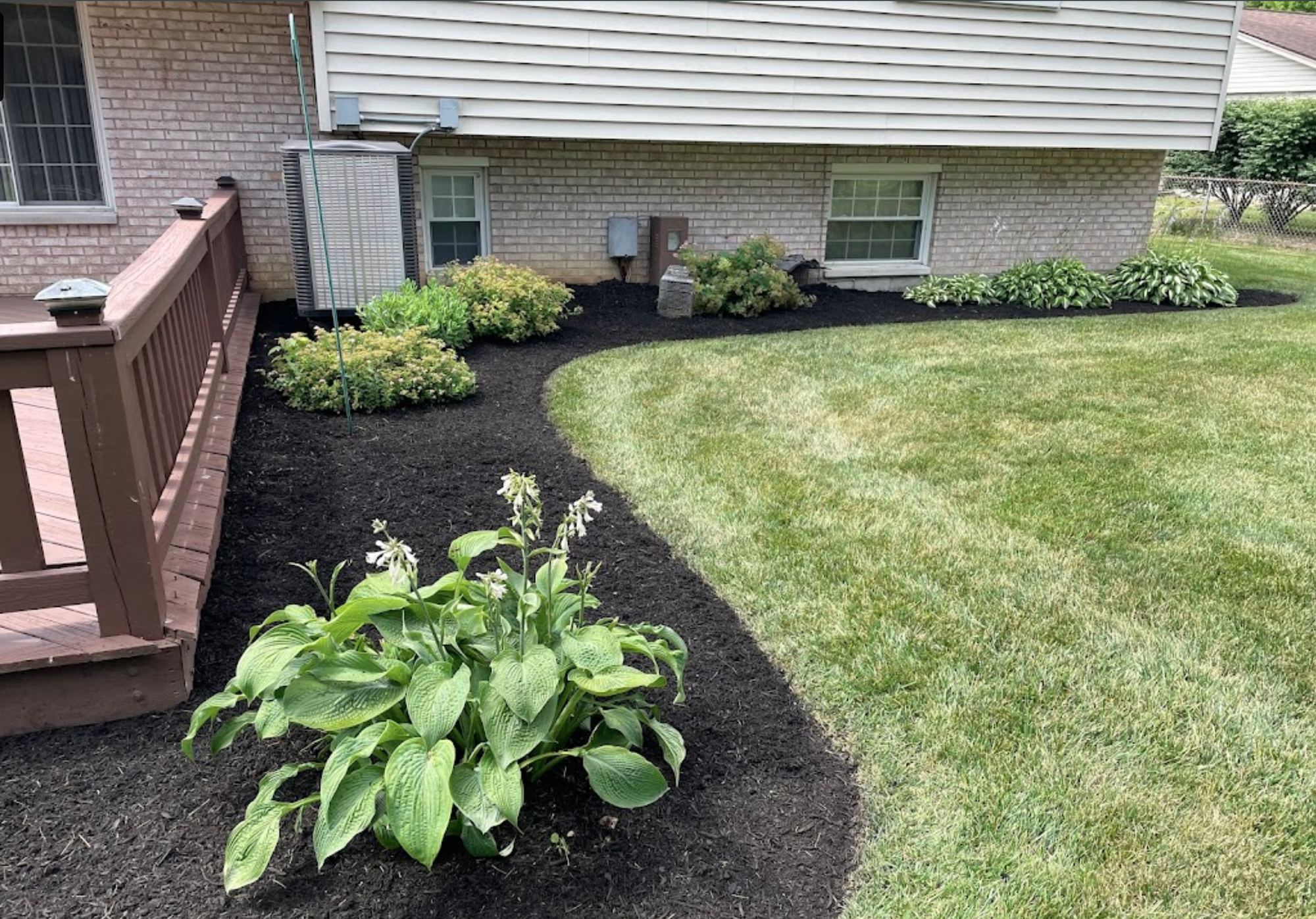
Before
After
Best Mulch Choice for High Point Lawns
Most yards in the High Point area sit on Red Clay type of soil. High Point's red clay is dense, low in organic content, and prone to surface compaction after rain — conditions that make it genuinely difficult for plant roots, especially in new beds, to establish, drain properly, and access nutrients without a protective layer above them.
Hardwood Mulch
Hardwood mulch is particularly well-suited to High Point's red clay because as it breaks down, it introduces humic acids and organic matter that bind to clay particles and promote better soil aggregation — gradually shifting the soil from dense and impermeable to something roots can navigate, breathe in, and thrive within season after season.
Mulch Types We Deliver in High Point
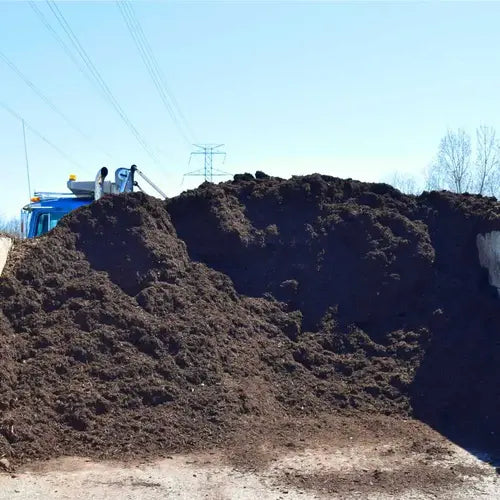
Mulch Mound offers bulk mulch delivery in High Point by the cubic yard, so you get exactly what your yard needs without hauling bags. The warm, humid summers and clay-heavy soils common across this part of North Carolina make proper ground cover essential for keeping beds healthy and hydrated. A fresh layer of mulch locks in moisture, moderates soil temperature, and gives every bed a clean, finished appearance from spring through fall.
Dyed Black Mulch
Dyed Black Mulch arrives double shredded for a smooth, even spread across any bed. The bold color creates sharp contrast against green foliage and brick foundations, complementing the traditional and craftsman home styles common in this part of North Carolina. Holds strong through summer heat and heavy rain without fading fast.
Dyed Brown Mulch
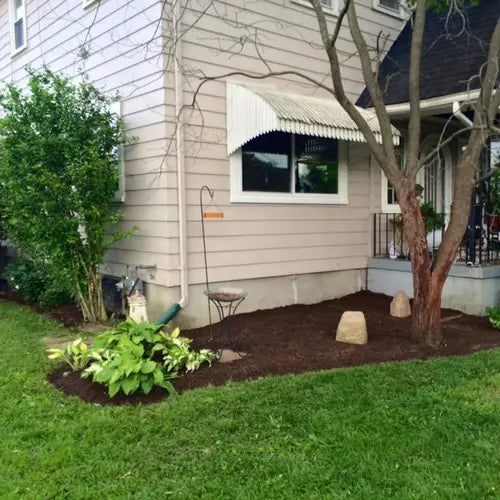
Dyed Brown Mulch is double shredded for a consistent texture that spreads quickly and stays in place. The warm brown tone blends naturally with the red clay soil and earthy surroundings common throughout the Piedmont region. It looks freshly applied for weeks, making it a practical pick for front beds and entry plantings.
Natural Brown Mulch
Natural Brown Mulch is double shredded and left completely undyed, letting the wood's own warm earthy tone speak for itself. It suits homeowners who want a more organic look that fits naturally into wooded lots and native plant gardens. The smooth texture makes spreading straightforward, and it breaks down over time to improve the soil.
Complete Your Outdoor Mulch Project
Pair mulch with a quality topsoil or compost blend to amend clay beds before mulching, and consider decorative stone for foundation borders and pathway edges where persistent moisture from High Point's heavy rainfall demands a non-organic, low-maintenance solution.
High Point's Zone 7b temperatures mean weed seeds germinate aggressively from late March through October — a long window of pressure on your beds. Before laying fresh mulch, remove existing weeds thoroughly and consider a single layer of biodegradable landscape fabric in beds with persistent weed problems. The combination of fabric plus 3-4 inches of hardwood mulch creates a two-barrier system that substantially cuts down on hand-weeding time across the full growing season.
Mulch Mound Pro Tip
With High Point's first frost typically arriving around November 3 and elevation-driven overnight temperature drops that are sharper than surrounding Piedmont cities, perennial root systems need real insulation heading into winter. Apply a fresh 4-inch mulch layer in late October to moderate soil temperature swings during the seasonal transition. This practice is especially valuable for marginally hardy perennials at the Zone 7b boundary, where a few degrees of overnight buffering can mean the difference between a plant surviving or not.
Mulch Mound Pro Tip
High Point's 45 inches of annual rainfall sounds like reliable moisture, but much of it sheets off red clay rather than soaking in — especially in midsummer when clay bakes hard between storm events. A consistent 3-4 inch mulch layer slows that surface runoff and dramatically increases the proportion of each rainfall that actually reaches plant roots. Homeowners who maintain year-round mulch coverage often find they need significantly less supplemental irrigation during High Point's dry July and August stretches, reducing both water bills and plant stress.
Frequently Asked Questions
Click a question to see the answer
Answer
How deep should I apply mulch over High Point's red clay soil to actually make a difference?
With red clay underneath, apply a minimum of 3 inches — but closer to 4 inches in beds that tend to crack and dry out between July and August storms. High Point's clay compacts readily after rain cycles, and a thicker mulch layer slows that surface hardening by keeping moisture more consistent at the root zone. Avoid going beyond 4-5 inches, as excessive depth can cause its own drainage and root suffocation problems even in clay-heavy soils.
Answer
When is the best time to mulch my garden beds given High Point's frost calendar?
The sweet spot for spring mulching in High Point is late April through early May — after the average April 19 last frost has passed and the clay soil has begun to warm, but before summer heat locks in. Applying too early insulates cold soil and delays warming, which slows root development on new plantings. A second application in late October, just ahead of High Point's average November 3 first frost, helps insulate perennial roots through winter cold snaps that hit harder at this elevation than in surrounding lower Piedmont areas.
Answer
With 45 inches of rain per year in High Point, does mulch wash away from sloped beds?
It can on unedged slopes. High Point's 45 inches of annual rainfall includes significant spring thunderstorms and heavy summer events that will displace lighter shredded mulches from beds without containment. Hardwood bark and double-ground hardwood mulch knit together better than fine shredded pine and resist migration during heavy rain. Installing steel or aluminum bed edging and keeping depth at 3-4 inches rather than piling it high will help mulch hold its position through wet seasons.
Answer
Is natural hardwood mulch or dyed mulch better for High Point's climate and soil?
Both perform well in Zone 7b but serve different priorities. Natural hardwood mulch breaks down faster in High Point's warm, humid summers, feeding organic matter directly into the red clay and gradually improving soil structure — a real benefit since clay is naturally low in organic content. Dyed mulch holds its color longer through High Point's sun and rainfall cycles, making it a strong choice for high-visibility front beds where appearance matters most. Ensure any colored mulch uses carbon-based, non-toxic colorants, which are the standard among reputable suppliers.
Answer
Can mulch actually improve the drainage problems caused by my High Point red clay over time?
Yes, gradually. As hardwood and organic mulches decompose into the clay beneath, they introduce organic matter that loosens soil aggregation, improves aeration, and allows water to percolate more effectively. It is a slow process — two to three seasons of consistent mulching and annual top-dressing — but High Point homeowners often notice meaningful improvement in drainage and root penetration as the clay below becomes less dense and compacted. For faster results, pairing mulch with compost worked into the top few inches of clay accelerates the improvement significantly.
Answer
How often do I need to replenish mulch given High Point's warm, rainy conditions?
Plan for an annual refresh in High Point. Zone 7b's warm summers, consistent 45-inch rainfall, and active soil biology accelerate organic mulch breakdown faster than in colder climates to the north. By late winter or early spring — just before the April 19 last frost window — most beds will have thinned to 1-2 inches from decomposition and settling. A 2-inch top-dressing restores the recommended 3-4 inch depth without over-accumulating material that could crowd crowns or cause excess moisture retention.
Answer
Is it safe to mulch right up against my home's foundation in a high-rainfall area like High Point?
Keep mulch at least 6 inches from your foundation — ideally a full foot in High Point's rainy climate. With 45 inches of annual rainfall landing on red clay that drains slowly, mulch piled against foundation walls traps persistent moisture against wood sills and siding, creating conditions for rot and pest entry. A better approach is to use stone or coarse gravel in the 12-inch perimeter directly adjacent to the foundation, then transition to mulch in the outer bed — this gives you both practical moisture management and a clean, finished look.
The Unique Landscape of High Point
High Point's native red clay is the defining challenge beneath every garden bed and lawn in the city — it compacts quickly under rainfall, bakes into a near-impermeable crust during July and August dry spells, and drains poorly after the area's substantial 45 inches of annual precipitation. A properly applied mulch layer acts as a buffer between that dense clay and the root zone, moderating the extreme wet-dry swings that stress plants through High Point's growing season. Zone 7b brings warm, humid summers that accelerate organic breakdown, meaning mulch does double work here — protecting roots while simultaneously feeding organic matter back into clay that is naturally starved of it. With a last frost typically landing around April 19, spring planting is a waiting game, and pre-laid mulch helps warm clay beds faster while shielding late transplants from surprise cold snaps. High Point's elevation of 939 feet also produces sharper overnight temperature drops than nearby lower-lying Piedmont cities, making an insulating mulch layer especially valuable for protecting perennial root systems through early November freezes.