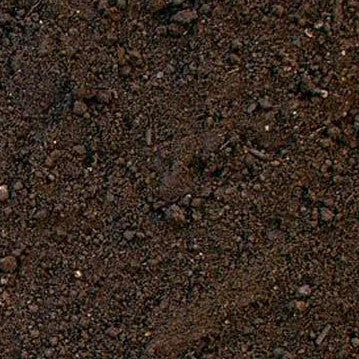
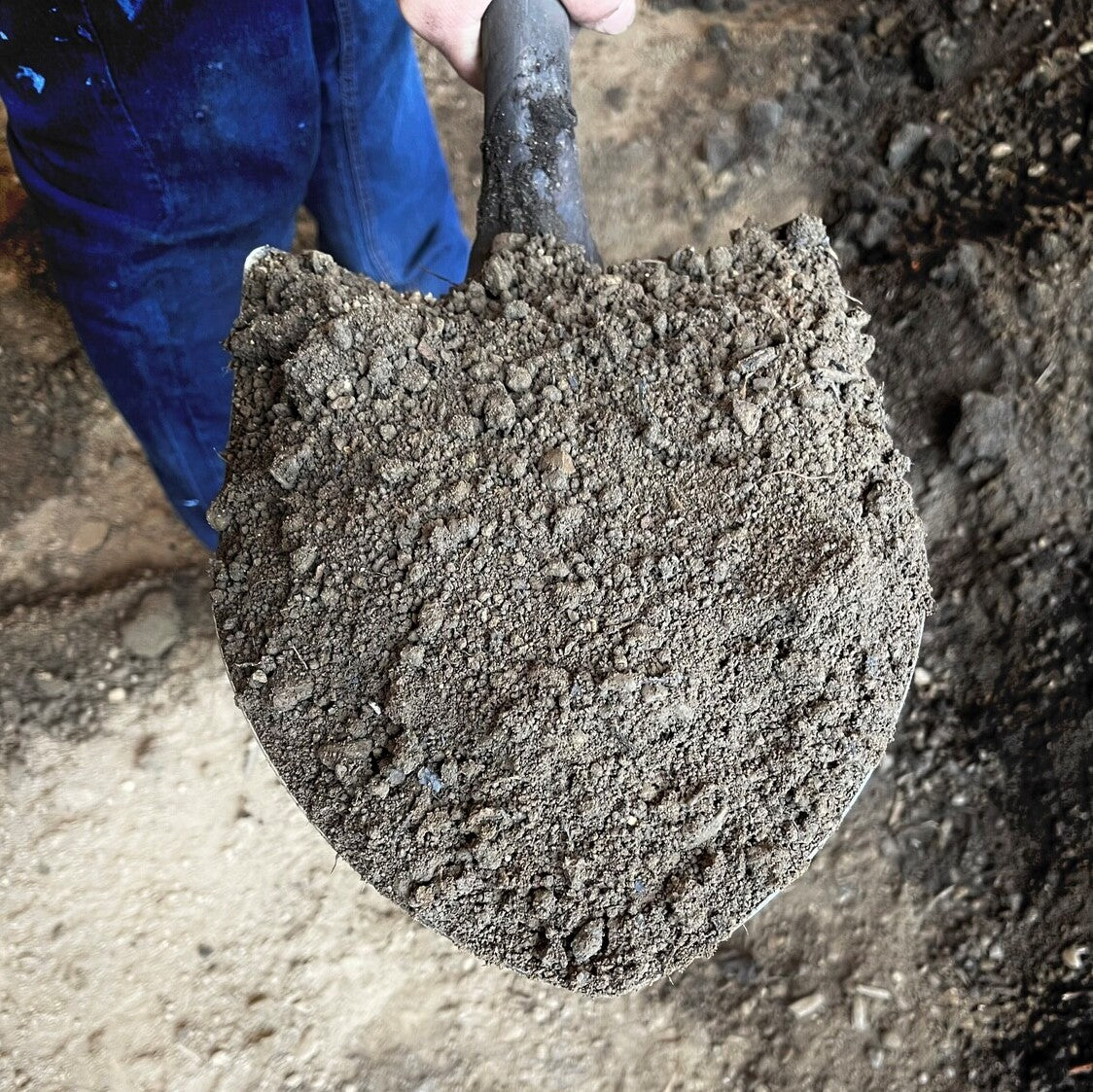
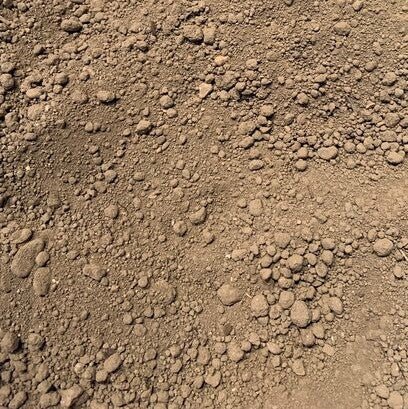
Quality topsoil for lawns, gardens, and landscape projects. Nutrient rich and ready to support strong root development and healthy plant establishment.
Ordered the planting mix with an early Saturday delivery. Super easy ordering experience. Dirt was delivered on time and delivery driver was kind enough to let us know I would take up more room than we though so we could pull cars out of the garage. Will be ordering again
Tell us what you're looking for
Thanks! We received your request.
Something went wrong. Please try again.
How Much Material Do I Need?
For High Point's red clay landscape, plan on 3-4 inches of topsoil for lawn establishment and at least 10-12 inches of blended garden soil for productive planting beds — shallower applications don't create enough root zone above the compacted clay layer to sustain healthy plant growth through the full Zone 7b growing season.
Use our free soil calculator
What is a yard?
A yard is approximately 27 cubic feet. As a general guideline, one yard of material can cover an area of about 100-160 square feet at a 2-3 inch depth.
We can't take orders for this right now. Tell us what you need and we'll get back to you.
What do you need?
Thanks! We received your request.
Something went wrong. Please try again.
Hand-picked local yards
4,000+ regional deliveries
Dedicated support
Why order through Mulch Mound
The best local soil, without the guesswork.
We hand-pick and partner with the best yards in your region, keep only the ones our buyers rate well, and back each load with our guarantee.
Mulch Mound Guarantee
If your soil isn't the quantity or quality you ordered, we'll make it right.
About this soil
Quality topsoil for lawns, gardens, and landscape projects. Nutrient rich and ready to support strong root development and healthy plant establishment.
Ordered the planting mix with an early Saturday delivery. Super easy ordering experience. Dirt was delivered on time and delivery driver was kind enough to let us know I would take up more room than we though so we could pull cars out of the garage. Will be ordering again
How Much Material Do I Need?
For High Point's red clay landscape, plan on 3-4 inches of topsoil for lawn establishment and at least 10-12 inches of blended garden soil for productive planting beds — shallower applications don't create enough root zone above the compacted clay layer to sustain healthy plant growth through the full Zone 7b growing season.
Use our free soil calculator
What is a yard?
A yard is approximately 27 cubic feet. As a general guideline, one yard of material can cover an area of about 100-160 square feet at a 2-3 inch depth.
Ordered the planting mix with an early Saturday delivery. Super easy ordering experience. Dirt was delivered on time and delivery driver was kind e...
Read full review
Ordered the planting mix with an early Saturday delivery. Super easy ordering experience. Dirt was delivered on time and delivery driver was kind enough to let us know I would take up more room than we though so we could pull cars out of the garage. Will be ordering again
To calculate soil needs for a High Point project, multiply your area's length by width in feet, convert your target depth to feet (4 inches equals 0.33 feet), multiply those numbers together, and divide by 27 to get cubic yards. High Point's clay terrain is rarely perfectly flat — seasonal expansion and contraction create subtle undulations across most yards — so walk your site and estimate an average depth rather than assuming a uniform grade, and add 10% to your total as a buffer.
Soil Types We Deliver in High Point
High Point homeowners and landscapers count on us for bulk topsoil by the yard in High Point, delivered straight to your driveway or job site. Whether you are filling raised beds, grading a yard, or establishing new lawn, quality soil is the foundation of every successful project. We sell by the cubic yard with no middleman, so you get a fair price and a full load every time.
Screened Top Soil
Our screened top soil is finely processed to remove rocks, roots, and debris, giving you a clean and workable base ready for planting or grading. It suits lawns, garden beds, and landscape fills across the Piedmont region, where native clay soils often benefit from the added organic matter and improved drainage this product provides.
Complete Your Outdoor Soil Project
Once grading and soil work are complete, top planting beds with hardwood mulch to lock in moisture and slow compaction against High Point's clay, and use decorative stone along drainage channels or foundation perimeters where the red clay is most prone to erosion and water pooling.
What type of soil should I bring in to fix the drainage problems caused by my High Point red clay?
For High Point's clay drainage issues, a screened topsoil blended with compost or a loam-based garden mix works far better than unamended fill. Bringing in pure clay fill compounds the existing problem rather than solving it. A blend with meaningful organic content will integrate into the native clay layer over time rather than creating a hard boundary where water stalls. For severe drainage situations — particularly on sloped lots or low areas — pairing imported soil with proper grading and a subsurface drain gives you the most reliable long-term result.
Answer
How much topsoil do I need to establish a new lawn over High Point's red clay?
For lawn establishment over red clay in High Point, a 3-4 inch layer of quality topsoil is the recommended starting point. A thinner application may not provide sufficient root zone for Zone 7b turf grasses like tall fescue or bermuda to establish before summer heat stress arrives. If you're planting fescue and targeting the September through October seeding window — which is ideal in High Point — you want that topsoil layer settled and firmed well before the first fall rains so seed makes good contact with a stable seedbed.
Answer
Do I need to break up the red clay before building raised vegetable beds in my High Point yard?
It depends on your bed depth. If your raised beds are at least 10-12 inches deep, plants can establish well within the imported soil above the clay and may not need to penetrate it at all. However, shallower beds benefit significantly from loosening the top 4-6 inches of clay with a broadfork or tiller before adding soil — this prevents a hard pan from forming right at the soil-clay interface, which can cause roots to deflect horizontally and water to pool just below the bed floor rather than draining through.
Answer
What time of year is best for adding topsoil to my High Point lawn?
Early fall — September through October — is the prime window for adding topsoil in High Point, particularly for lawns being overseeded with tall fescue, which thrives in Zone 7b and germinates readily as soil temperatures cool. Spring is possible but trickier, as High Point's last frost lands around April 19, meaning early-spring seed faces cool nights and compressed establishment time before summer heat arrives. Freshly worked soil in late spring also endures full summer stress before roots are fully established, often resulting in thin, struggling turf.
Answer
How do I fix the low spots in my yard that hold standing water after every rain?
High Point's clay soil combined with 45 inches of annual rainfall creates persistent low-spot flooding on improperly graded properties. Topdressing with quality screened topsoil is the right approach — but work in stages, no more than 1 to 1.5 inches per application over existing turf, so grass can grow through the new layer without being smothered. For deeper depressions, fully excavate the area, improve the subgrade drainage with a perforated pipe or aggregate base, fill with topsoil, and reseed. Without addressing the grade slope and drainage outlet, low spots tend to reappear.
Answer
Will adding topsoil alone solve my drainage issues or do I need to do more?
Topsoil improves the root zone and can correct surface grade, but it won't resolve a persistent perched water table or underlying structural drainage problem in High Point clay by itself. Topsoil needs to be properly graded to move water away from structures at a slope of at least 6 inches per 10 feet. In areas with chronic pooling or a heavy clay subsoil layer that water simply won't move through, a subsurface French drain or constructed dry creek bed that routes water off the property is often necessary alongside any soil work.
Answer
How do I know whether I need topsoil, garden soil, or a blended mix for my project?
The intended use should guide your choice. For lawn leveling, grading corrections, and general fill work in High Point, screened topsoil is the right product — it spreads and compacts cleanly and establishes turf effectively over clay. For vegetable and flower beds, a blended garden mix with compost incorporated gives you the organic richness that High Point's clay-based native soil lacks. Raised beds benefit most from a premium garden blend that drains freely while holding nutrients at root level. When the goal is grade correction, choose topsoil; when the goal is planting productivity, choose a blended mix.
Mulch Mound Pro Tip
Before ordering soil for new High Point garden beds, loosen the top 4-6 inches of existing red clay with a tiller or broadfork. This transition zone is critical — without it, you create a sharp soil-to-clay boundary where water stalls and roots deflect, causing waterlogged conditions just below your new bed floor even after you've invested in quality imported soil. Blurring that interface with a bit of mechanical work dramatically improves drainage and root penetration from day one.
Mulch Mound Pro Tip
When topdressing a High Point lawn to correct low spots, apply no more than 1 to 1.5 inches of topsoil per pass over living turf. Existing grass must be able to grow through the new layer, and High Point's Zone 7b turf recovers best when topdressing is timed with active growth — fall for fescue, early summer for warm-season varieties. Applying too much at once smothers turf, turning a grading project into a full reseeding job and adding weeks to your timeline.
Mulch Mound Pro Tip
High Point's 45 inches of annual rainfall means any imported topsoil must be graded carefully to direct water away from structures — even a subtle negative slope toward a foundation channels significant water into crawl spaces and basements over time. Before spreading topsoil, check your finished grade with a level and long board, confirming at least 6 inches of downward slope per 10 feet away from the house. Establishing proper grade at the start is exponentially less costly than correcting water intrusion damage later.
The Unique Landscape of High Point
High Point's native red clay creates a persistent obstacle for homeowners trying to establish healthy lawns, productive gardens, or properly draining landscape beds — it compacts readily, sheds water instead of absorbing it, and hardens into a crust during summer dry spells that roots simply cannot penetrate. Because the city receives 45 inches of annual rainfall and the red clay drains slowly, low spots in High Point yards are prone to chronic standing water, especially on the tightly graded lots common in older established neighborhoods. Bringing in quality topsoil and blended soil mixes allows you to work above and around the clay — building up grade, establishing productive root zones for new plantings, or filling in drainage problem areas that would otherwise stay wet. Zone 7b's long growing season runs roughly from late April through early November, meaning a sound soil foundation directly translates to eight months of productive plant growth each year. Whether you're leveling a construction-graded backyard or converting a clay-hardened patch into a vegetable garden, the soil you start with determines nearly everything that follows.