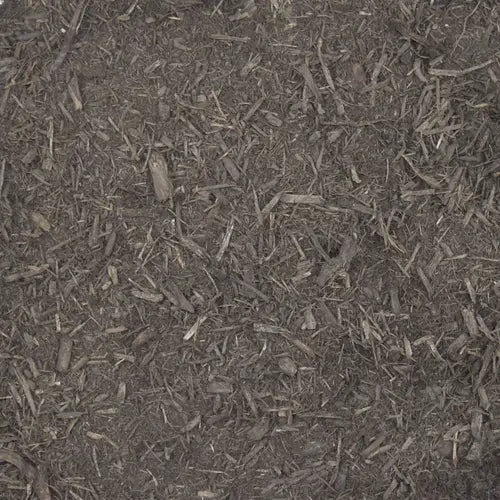
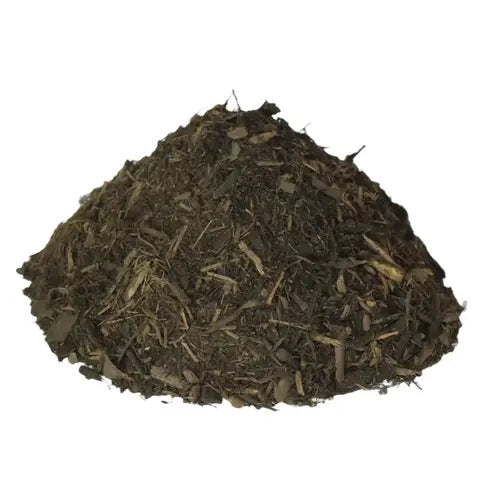
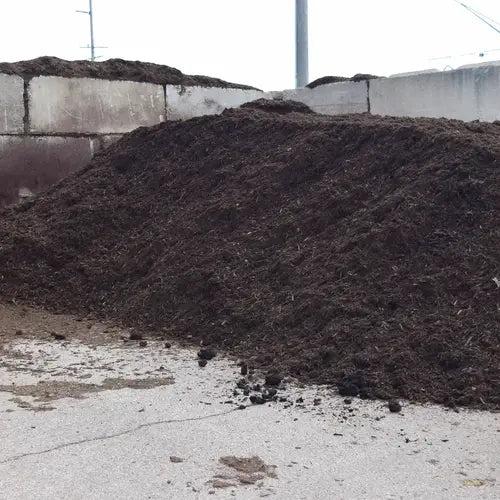
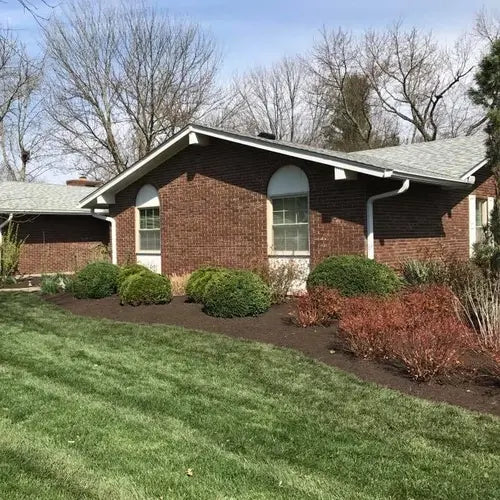
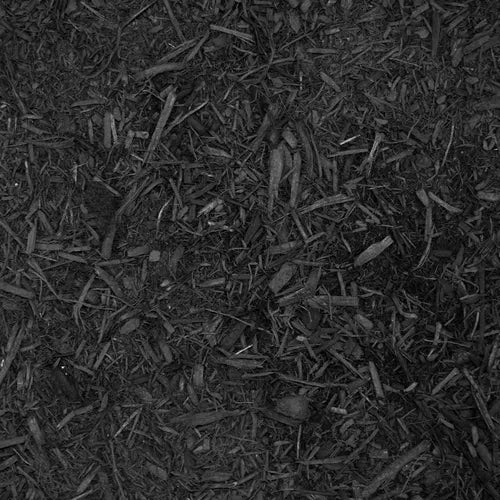
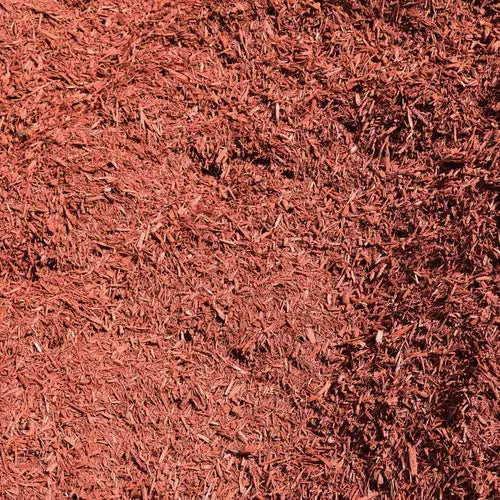
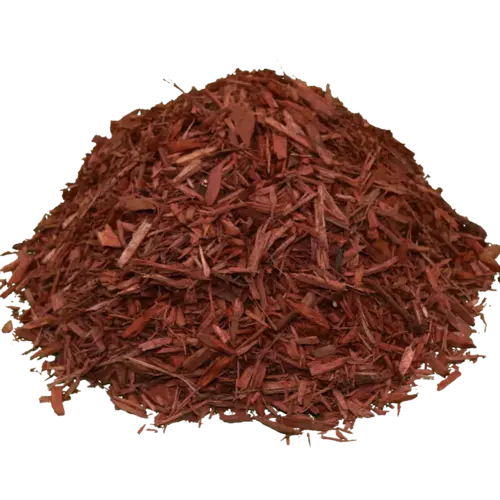
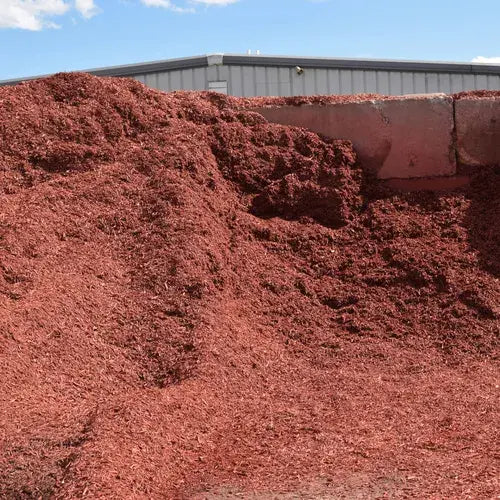
Warm brown double shredded mulch with lasting color that looks freshly applied for weeks. Spreads smooth, stays put, and gives beds a natural, polished appearance.
Delivery was on time and great quality Mulch. Got it done in a reasonable time and yard looks great. Couldn’t be happier!!! Thank you and will use again!!
Tell us what you're looking for
Thanks! We received your request.
Something went wrong. Please try again.
How Much Material Do I Need?
For Highland's clay loam soil, two to three inches of mulch is the recommended depth since the native soil already retains significant moisture on its own. Going deeper risks creating a soggy root environment after heavy spring rainfall events.
Use our free mulch calculator
What is a yard?
A yard is approximately 27 cubic feet. As a general guideline, one yard of material can cover an area of about 100-160 square feet at a 2-3 inch depth.
We can't take orders for this right now. Tell us what you need and we'll get back to you.
What do you need?
Thanks! We received your request.
Something went wrong. Please try again.
Hand-picked local yards
4,000+ regional deliveries
Dedicated support
Why order through Mulch Mound
The best local mulch, without the guesswork.
We hand-pick and partner with the best yards in your region, keep only the ones our buyers rate well, and back each load with our guarantee.
Mulch Mound Guarantee
If your mulch isn't the quantity or quality you ordered, we'll make it right.
About this mulch
Warm brown double shredded mulch with lasting color that looks freshly applied for weeks. Spreads smooth, stays put, and gives beds a natural, polished appearance.
Delivery was on time and great quality Mulch. Got it done in a reasonable time and yard looks great. Couldn’t be happier!!! Thank you and will use again!!
How Much Material Do I Need?
For Highland's clay loam soil, two to three inches of mulch is the recommended depth since the native soil already retains significant moisture on its own. Going deeper risks creating a soggy root environment after heavy spring rainfall events.
Use our free mulch calculator
What is a yard?
A yard is approximately 27 cubic feet. As a general guideline, one yard of material can cover an area of about 100-160 square feet at a 2-3 inch depth.
Delivery was on time and great quality Mulch. Got it done in a reasonable time and yard looks great. Couldn’t be happier!!! Thank you and will us...
Read full review
Delivery was on time and great quality Mulch. Got it done in a reasonable time and yard looks great. Couldn’t be happier!!! Thank you and will use again!!
Mulch Mound delivered a yard of pea gravel to us. Delivery was on time, driver was friendly and hit a bullseye on the “tarp target”. We used the ...
Read full review
Mulch Mound delivered a yard of pea gravel to us. Delivery was on time, driver was friendly and hit a bullseye on the “tarp target”. We used the pea gravel (which was diameter as specified) to fill several muskrat holes around our pond. I would definitely recommend Mulch Mound to a friend!
I can’t say enough good things about Mulch Mound! If you read my review below you will see I had a problem with my order. Mulch Mou...
Read full review
UPDATE!
I can’t say enough good things about Mulch Mound! If you read my review below you will see I had a problem with my order. Mulch Mound was quick to respond and solved the issue with my delivery. Will definitely be a customer next year.
First time purchase from Mulch Mound!! First what I liked! Easy to order online and straight forward pricing and delivery. The driver was on time and courteous and delivered my Mulch exactly where I requested! The product is of good quality and comparable to others I have purchased from before. Now what I DID’NT LIKE! I have been mulching the same house and yard for almost 20 years. I always order the same amount and don’t have any issues with covering the same area but this year I fell about a yard short. I was home when the mulch was delivered and when the driver dumped it I noticed that it seemed a bit less than I was used to. I didn’t apply it any thicker than usual and probably a bit thinner than usual because I was worried about running out.
Measure each bed's length and width in feet, then multiply those together to get square footage. Highland's clay loam means you rarely need more than three inches of depth, so divide your total square footage by 108 to estimate cubic yards at a three-inch depth. Order a little extra if your beds have irregular edges or slopes that tend to wash during spring storms.
Mulch vs. No Mulch: The Difference
Highland's humid summers and frequent spring rains mean natural hardwood mulch breaks down faster here than in drier climates, feeding the soil with organic matter that helps loosen clay loam over time. Dyed mulch uses a wood base that decomposes more slowly, so it holds its structure longer in wet conditions, which can be an advantage for beds that stay moist after spring rains. Your choice often comes down to whether you want long-term soil improvement from natural decomposition or longer-lasting color and structure from a dyed product.
Before
After
Best Mulch Choice for Highland Lawns
Most yards in the Highland area sit on Clay Loam type of soil. Highland's clay loam soil tends to become compacted and poorly aerated over time, making it hard for shallow-rooted plants to establish and thrive in new garden beds.
Hardwood Mulch
Hardwood mulch gradually breaks down into fine organic matter that, season after season, improves the texture and drainage of Highland's dense clay loam, making it progressively easier for roots to penetrate and for water to move through the bed.
Mulch Types We Deliver in Highland
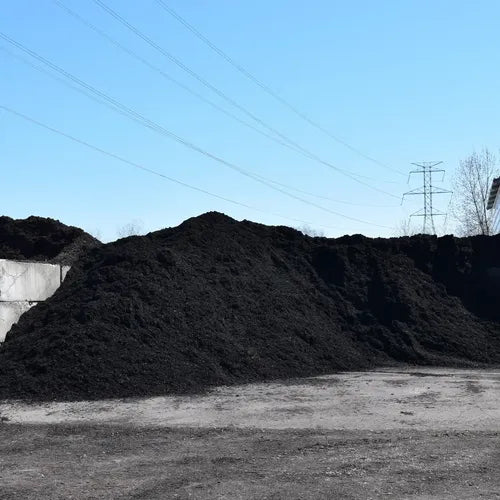
Mulch Mound makes bulk mulch delivery in Highland easy, bringing fresh cubic yards straight to your driveway or jobsite. The area's clay soils and warm, humid summers benefit from a thick layer of mulch that locks in moisture and keeps roots insulated through seasonal swings. Whether you are refreshing a front yard bed or covering a larger property, we deliver by the cubic yard so you get exactly what you need.
Dyed Brown Mulch
Warm brown tones blend naturally with the brick and tan siding common on homes throughout this part of Indiana, giving beds a clean, finished look. Choose double shredded or triple shredded to match your preferred texture. The lasting color stays looking freshly applied for weeks after delivery.
Dyed Black Mulch
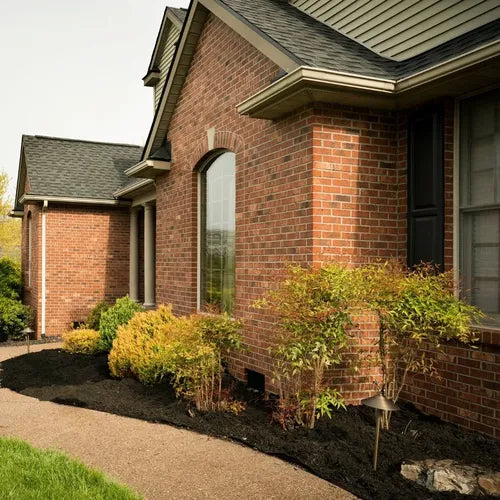
A top choice for homeowners wanting sharp contrast against green plantings and brick exteriors. Available in double shredded or triple shredded, the bold color holds through sun and rain while the fine texture spreads evenly and smoothly across garden beds of any size.
Natural Brown Mulch
A natural, undyed option that suits cottage gardens and woodland beds throughout northwest Indiana. Available in double shredded or triple shredded, it delivers a warm earthy tone straight from the wood and pairs especially well with native plantings that thrive in heavier clay soils.
Dyed Red Mulch
For beds that need a bold pop of color, dyed red is a perennial favorite. Available in double shredded or triple shredded, the vibrant tone stands out against green foliage and holds its intensity through the warm, humid summers typical of this region.
Complete Your Outdoor Mulch Project
Pair your mulch order with a quality topsoil if you are building new beds on Highland's dense clay loam, and consider decorative stone for the foundation border closest to your home to keep moisture away from the structure. Both products are available for delivery alongside your mulch order.
Highland's clay loam compacts easily under foot traffic, so before spreading mulch in high-traffic areas near garden paths, loosen the top inch of soil with a hand rake. This helps the mulch layer bond with the soil surface instead of sitting on a hard crust, which means it stays in place better after the heavy spring rains that are common in northwest Indiana.
Mulch Mound Pro Tip
If you are refreshing mulch in established beds, do a quick check for matted layers from last season before adding new material. Old mulch can form a crust in Highland's humid summers that sheds water like a thatched roof, sending rainfall sideways into your lawn instead of down to plant roots. Break up any compacted spots with a garden fork before topping up.
Mulch Mound Pro Tip
With 39 inches of annual rainfall, Highland landscapes deal with significant moisture swings between wet springs and dry July stretches. Applying mulch in late April locks in soil moisture heading into summer, but leave a small gap around each plant stem to prevent rot during wet spells. That small breathing room makes a big difference in a climate where soils can stay saturated for days at a time.
Frequently Asked Questions
Click a question to see the answer
Answer
How thick should I apply mulch in Highland given the clay loam soil?
In Highland's clay loam, two to three inches is the sweet spot. Clay loam holds moisture on its own, so piling on four or more inches can keep the root zone too wet after the area's frequent spring rains. Two to three inches suppresses weeds effectively while still letting excess moisture escape through the warmer months.
Answer
Will mulch help with the drainage problems I see in my yard every spring?
Mulch won't fix poor drainage on its own, but it does slow down how fast rain hits the soil surface, which reduces runoff and compaction in Highland's heavy clay loam. Pairing mulch with a proper grading project or a layer of amended topsoil under the beds will give you a bigger improvement in those chronically wet spring spots.
Answer
When is the best time to put down mulch in Highland, Indiana?
Aim for mid to late April, right after Highland's average last frost date of April 15. You want the soil to have warmed slightly before you trap that temperature in. Applying too early in cold, wet conditions can slow soil warming and delay plant emergence. A second light top-up in mid-October before the first frost around October 28 helps protect root zones through winter.
Answer
Does dyed mulch hold its color well through Highland's wet summers?
Quality dyed mulch holds color reasonably well through Highland's 39 inches of annual rainfall, especially colorfast products that use non-toxic iron oxide pigments. Sun exposure breaks down color faster than rain does, so south-facing beds in full sun will fade sooner than shaded north-side beds. Expect to freshen dyed mulch color every one to two seasons.
Answer
How does hardwood mulch break down in Highland's climate?
Highland's warm, humid summers accelerate decomposition of hardwood mulch more than you might expect for a Zone 6a climate. Most homeowners find their hardwood mulch layer compresses noticeably by the end of the season and needs a fresh inch or so added each spring. That decomposition is actually a benefit for clay loam soil because it slowly adds organic matter that improves soil structure over time.
Answer
Can I use mulch around my foundation to keep moisture away from my house?
Yes, but keep mulch at least six inches away from your foundation wall and slope it away from the house. Highland's spring rain totals can be heavy, and mulch piled against a foundation traps moisture against wood or masonry. A narrow band of decorative stone right at the foundation line with mulch farther out is a popular approach in this area.
Answer
How much mulch do I need for a typical suburban Highland yard refresh?
For a standard two-inch application, one cubic yard covers roughly 160 square feet. Measure your bed length times width in feet, multiply by your desired depth in inches, then divide by 324 to get cubic yards. Most mid-sized Highland suburban lots with mature landscaping need between three and eight yards for a full seasonal refresh.
The Unique Landscape of Highland
Highland's clay loam soil is notoriously slow to drain after heavy spring rains, and that wet, heavy combination means plant roots can stay waterlogged well into the growing season. A proper mulch layer acts as a buffer, helping regulate how quickly moisture moves into already-dense soil. With 39 inches of annual rainfall spread across unpredictable spring storms, bare beds in Highland are prone to soil splash, erosion, and weed explosions. Mulch also moderates ground temperature swings, which matter in Zone 6a where late frosts can arrive as late as April 15 and soil can refreeze after warm spells. Highland's hot, humid summers accelerate evaporation from unprotected beds, meaning unmulched plants often show heat stress by July. Getting the right mulch in place before the last frost date keeps your landscape healthier from spring startup through the first hard freeze around October 28.