My experience with Mulch Mound was great and super easy. I ordered two yards of screened topsoil and was able to get it delivered within 2 days. They came in my requested time frame (afternoon) and dropped it off where I asked on my driveway. The topsoil was exactly what was a...
Tell us what you're looking for
Thanks! We received your request.
Something went wrong. Please try again.
How Much Material Do I Need?
For decorative beds and foundation borders in Highland, a two to three inch depth gives adequate coverage and stays in place through the wet spring season. Drainage applications over clay loam benefit from a slightly deeper three to four inch layer to maintain function as the stone settles into the native soil below.
Use our free gravel calculator
What is a yard?
A yard is approximately 27 cubic feet. As a general guideline, one yard of material can cover an area of about 10 feet by 10 feet at a few inches deep.
My experience with Mulch Mound was great and super easy. I ordered two yards of screened topsoil and was able to get it delivered within 2 days. They came in my requested time frame (afternoon) and dropped it off where I asked on my driveway. The topsoil was exactly what was a...
How Much Material Do I Need?
For decorative beds and foundation borders in Highland, a two to three inch depth gives adequate coverage and stays in place through the wet spring season. Drainage applications over clay loam benefit from a slightly deeper three to four inch layer to maintain function as the stone settles into the native soil below.
Use our free gravel calculator
What is a yard?
A yard is approximately 27 cubic feet. As a general guideline, one yard of material can cover an area of about 10 feet by 10 feet at a few inches deep.
My experience with Mulch Mound was great and super easy. I ordered two yards of screened topsoil and was able to get it delivered within 2 days. Th...
Read full review
My experience with Mulch Mound was great and super easy. I ordered two yards of screened topsoil and was able to get it delivered within 2 days. They came in my requested time frame (afternoon) and dropped it off where I asked on my driveway. The topsoil was exactly what was advertised, clean with no rocks or other debris. The price was reasonable. I plan to use them again in a couple weeks to order compost for my garden beds.
Really appreciate the care and follow thru that this company had with our order. A hiccup came up but they were quick to respond and address all co...
Read full review
Really appreciate the care and follow thru that this company had with our order. A hiccup came up but they were quick to respond and address all concerns, which made our garden day a success! Thank you for your prompt care.
Measure your project area in length and width, multiply to get square feet, then multiply by your desired depth in inches and divide by 324 to find cubic yards. For drainage projects in Highland where the goal is managing spring runoff, err on the side of ordering slightly deeper coverage since clay loam can absorb and shift gravel over time. A two to three inch minimum depth performs noticeably better than a thin one-inch scatter in this soil type.
Stone Types We Deliver in Highland
Mulch Mound delivers bulk stone by the cubic yard to homes and properties throughout Highland, Indiana, making it simple to complete landscaping projects without multiple trips to the store. Whether you are searching for bulk gravel by the yard or need a dependable local source for drainage and hardscape materials, we bring the stone directly to your property. Every load is measured accurately so you get exactly what your project requires.
Pea Gravel
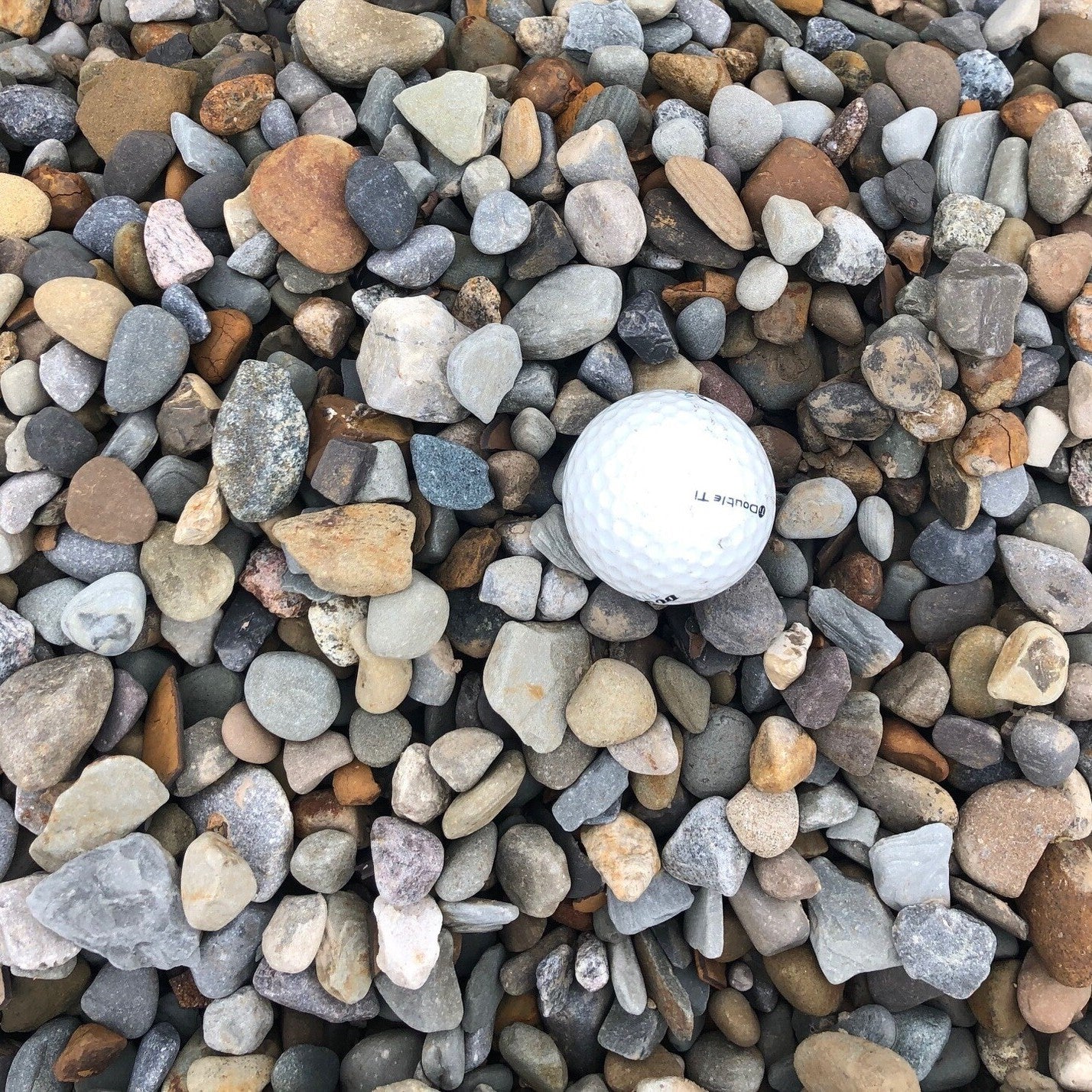
Pea gravel is a popular choice across northwest Indiana, where wet springs and clay-heavy soils call for dependable drainage. Its smooth, rounded stones in warm earth tones complement the traditional residential yards common to this region and work well for patios, pathways, and decorative ground cover.
#8 Limestone
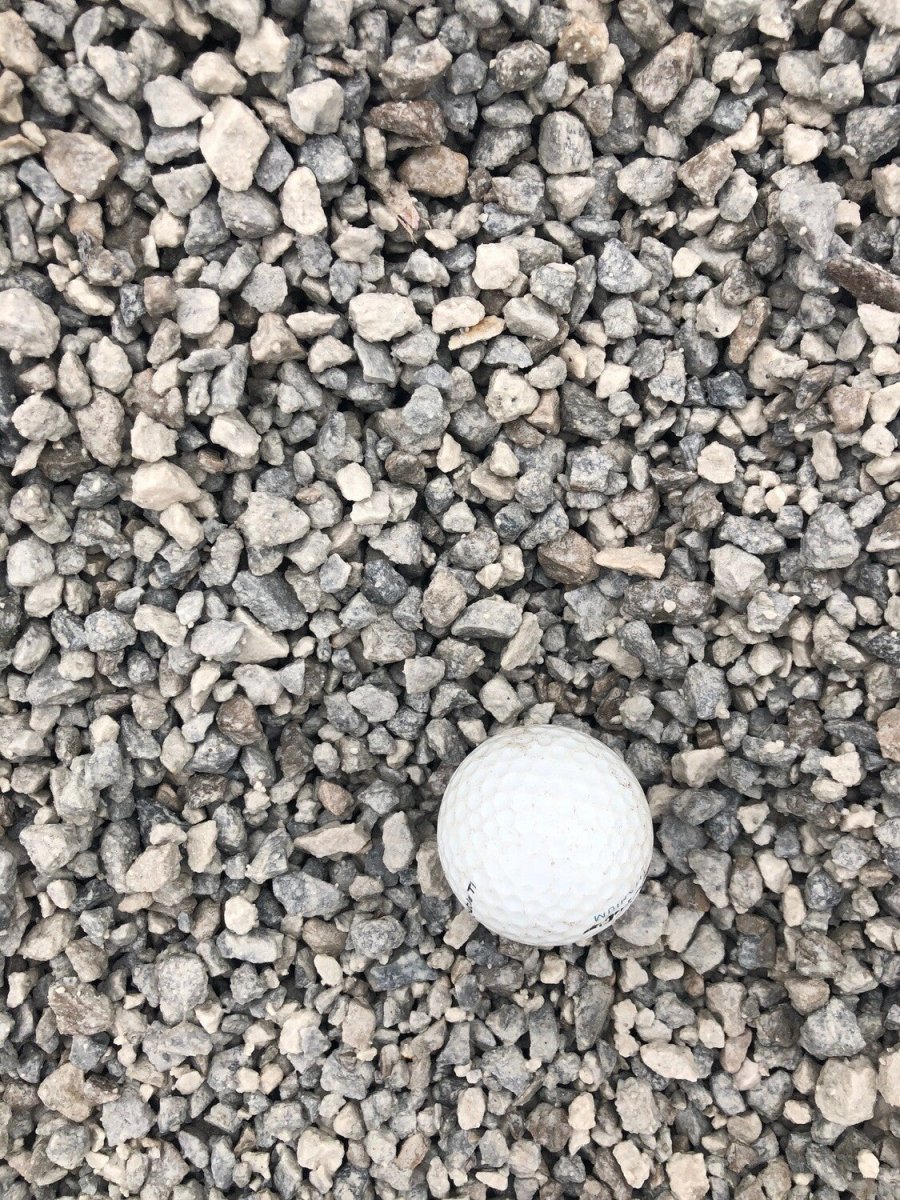
This compact limestone, sized between 3/8 and 1/2 inch, is built for fine grading and base work in northwest Indiana, where frost cycles put pressure on unsteady foundations. Its tight, uniform pieces pack down firmly, making it a smart choice for bedding pavers, filling low spots, and creating stable compacted surfaces.
Complete Your Outdoor Stone Project
Pair stone with a quality mulch for garden beds adjacent to your stone borders, creating a clean visual transition that also manages Highland's spring moisture across different landscape zones. If you are doing any grade work before laying stone, a bulk topsoil order can help you establish the proper drainage slope first.
In Highland, clay loam beneath a stone installation will eventually migrate upward through smaller aggregate without a proper barrier. Always lay a commercial-grade woven geotextile fabric under any stone project, not the light garden-center fabric that tears easily. The heavier woven material stands up to the swelling and shifting that Highland's clay loam does through wet and dry cycles year after year.
Mulch Mound Pro Tip
If you are installing a stone path through a lawn area, cut a clean edge with a spade or edging tool before laying stone. Highland's turf grasses spread aggressively into loose stone borders, and a well-defined edge with a plastic or metal border restraint will save you hours of pulling grass out of your gravel every summer. A clean edge also keeps the path looking intentional rather than overgrown.
Mulch Mound Pro Tip
For drainage swales or downspout areas, choose angular crushed stone rather than smooth river rock when function is the priority. Angular stone locks together and resists moving under the force of water, which matters during Highland's heavy spring rain events. Smooth river rock looks great in decorative beds but it rolls and shifts when channeled water hits it at speed, reducing drainage effectiveness over time.
The Unique Landscape of Highland
Stone is one of the most practical landscaping materials for Highland homeowners dealing with clay loam soil and nearly 40 inches of annual rainfall. Unlike organic ground covers, stone does not wash away, decompose, or require seasonal refresh, making it a durable solution for pathways, foundation borders, and drainage channels. Highland's wet springs create chronic erosion and muddy path problems that stone resolves permanently when installed correctly over a proper base. Decorative stone also gives year-round visual structure to a landscape that can look bare after the first hard frost around October 28. In a Zone 6a climate where winters are cold but rarely produce the deep sustained snow cover that completely buries stone installations, decorative stone stays visible and functional through most of the year. For homeowners tired of fighting Highland's wet, heavy soil with materials that break down or shift under foot, stone offers a low-maintenance permanent alternative.
Frequently Asked Questions
Click a question to see the answer
Answer
What type of stone works best for backyard paths in Highland where the ground gets so muddy in spring?
Crushed limestone or compacted pea gravel over a layer of landscape fabric works very well for Highland's muddy spring conditions. The fabric stops clay loam from migrating up through the stone layer, which is the main reason gravel paths sink and get swallowed by the ground over time in this area. A two to three inch layer of angular crushed stone locks together underfoot and drains spring rain away quickly.
Answer
Will decorative river rock wash out of my beds during Highland's heavy spring rains?
River rock larger than one inch in diameter stays put very well even during heavy rain events. Smaller pea gravel can migrate slightly on steeper slopes, but in flat or gently graded Highland yards, a two to three inch layer of rock over landscape fabric stays stable season after season. The main issue in this area is clay loam migrating up through smaller stones over time, which is why landscape fabric underneath is worth the extra step.
Answer
Can I use stone near my downspouts to stop the erosion I get every spring?
Absolutely, and it is one of the most effective fixes for Highland's heavy spring rain erosion. A river rock splash pad or a gravel-filled drainage swale at each downspout outlet slows water velocity before it hits the clay loam surface and causes erosion. A standard splash pad is typically two feet wide and three feet long at two inches deep, though larger downspouts serving bigger roof areas may need a longer run.
Answer
How deep should I lay stone for a pathway that gets regular foot traffic?
For foot traffic on Highland's clay loam, plan for a two to four inch compacted base of crushed aggregate below your decorative top layer. Clay loam shifts with moisture changes, especially through Highland's wet spring and dry summer cycles, and a thin stone layer without a proper base will become uneven within a season or two. The total installation depth including base and decorative stone should be four to six inches for a path that stays level.
Answer
Is decorative stone a good choice around my foundation given how wet Highland gets in spring?
Stone is actually one of the best choices for foundation borders in Highland. Unlike mulch, it does not hold moisture against your foundation wall and it does not decompose into a spongy layer that wicks water toward the house. A six to twelve inch band of clean river rock or crushed stone sloped away from the foundation lets spring rain drain away from the structure quickly and cleanly.
Answer
What size stone is best for filling in the chronically muddy area along my fence line?
A medium river rock in the one to two inch range works well for chronically wet fence line areas in Highland. Smaller stone can migrate and get muddy faster in clay loam zones, while larger stone is harder to spread evenly in a narrow strip. Lay landscape fabric first, then two to three inches of rock on top, and that fence line will stay clean and dry through even the wettest spring weeks.
Answer
How much stone do I need for a decorative bed border around my Highland home?
For a two-inch deep decorative stone layer, one cubic yard covers about 160 square feet. A typical foundation border around a mid-sized Highland ranch home, roughly 150 to 200 linear feet at 18 inches wide, usually runs between two and three cubic yards. Add about ten percent to your estimate to account for low spots that need a little extra depth to look even.
Answer
Is there a stone yard near Highland?
Fixing a muddy garden path or a washed out drainage channel in Highland usually means hauling stone, and clay loam with wet springs makes that a recurring chore. Mulch Mound brings crushed stone or limestone by the cubic yard straight to your driveway, so there's no trip to a stone yard or any quarry at all.