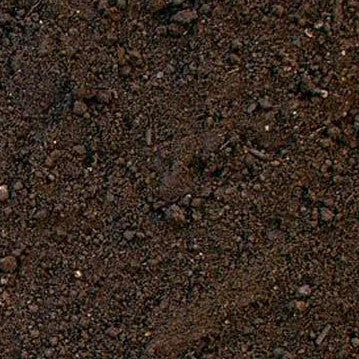
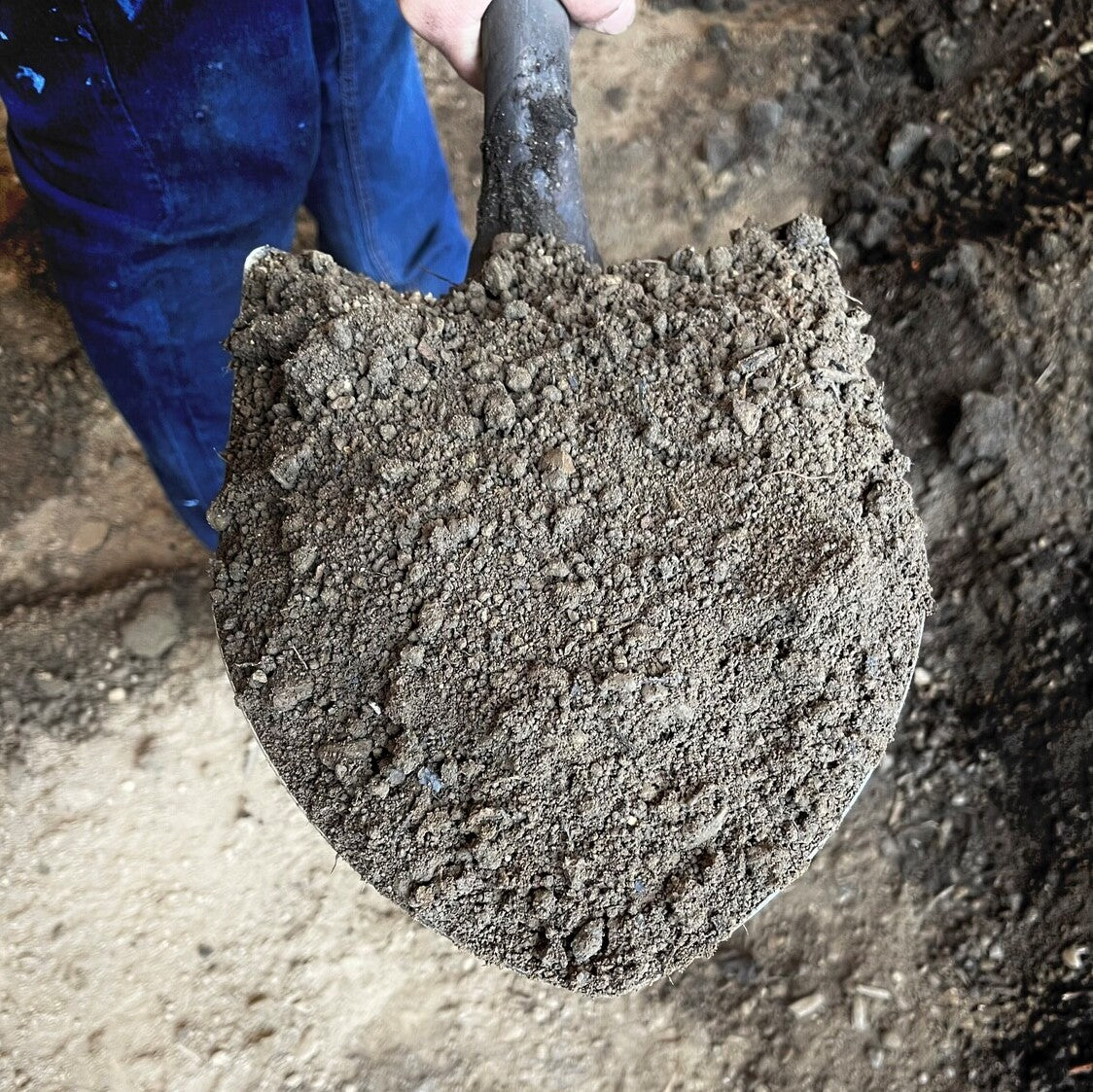
Quality topsoil for lawns, gardens, and landscape projects. Nutrient rich and ready to support strong root development and healthy plant establishment.
The website was intuitive and easy to navigate. The material was delivered the date and time it was scheduled, it was dropped off in the area i had specified on top of my tarp with no issues.
I ordered soil, the Gardening Blend that I received had too many plastic and m...
Tell us what you're looking for
Thanks! We received your request.
Something went wrong. Please try again.
How Much Material Do I Need?
For topdressing Highland lawns, plan for a quarter to half inch of depth, and for new garden beds built on clay loam, a minimum of six to eight inches of quality soil gives roots enough depth to stay out of the dense, slow-draining native layer below.
Use our free soil calculator
What is a yard?
A yard is approximately 27 cubic feet. As a general guideline, one yard of material can cover an area of about 100-160 square feet at a 2-3 inch depth.
We can't take orders for this right now. Tell us what you need and we'll get back to you.
What do you need?
Thanks! We received your request.
Something went wrong. Please try again.
Hand-picked local yards
4,000+ regional deliveries
Dedicated support
Why order through Mulch Mound
The best local soil, without the guesswork.
We hand-pick and partner with the best yards in your region, keep only the ones our buyers rate well, and back each load with our guarantee.
Mulch Mound Guarantee
If your soil isn't the quantity or quality you ordered, we'll make it right.
About this soil
Quality topsoil for lawns, gardens, and landscape projects. Nutrient rich and ready to support strong root development and healthy plant establishment.
The website was intuitive and easy to navigate. The material was delivered the date and time it was scheduled, it was dropped off in the area i had specified on top of my tarp with no issues.
I ordered soil, the Gardening Blend that I received had too many plastic and m...
How Much Material Do I Need?
For topdressing Highland lawns, plan for a quarter to half inch of depth, and for new garden beds built on clay loam, a minimum of six to eight inches of quality soil gives roots enough depth to stay out of the dense, slow-draining native layer below.
Use our free soil calculator
What is a yard?
A yard is approximately 27 cubic feet. As a general guideline, one yard of material can cover an area of about 100-160 square feet at a 2-3 inch depth.
The website was intuitive and easy to navigate. The material was delivered the date and time it was scheduled, it was dropped off in the area i had...
Read full review
The website was intuitive and easy to navigate. The material was delivered the date and time it was scheduled, it was dropped off in the area i had specified on top of my tarp with no issues.
I ordered soil, the Gardening Blend that I received had too many plastic and metal pieces for my liking thus lowering the score from a perfect 5/5 to a 4/5
Really appreciate the care and follow thru that this company had with our order. A hiccup came up but they were quick to respond and address all co...
Read full review
Really appreciate the care and follow thru that this company had with our order. A hiccup came up but they were quick to respond and address all concerns, which made our garden day a success! Thank you for your prompt care.
To estimate soil for a new bed or grade correction, multiply the length by the width in feet, then multiply by the depth in inches, and divide by 324 to get cubic yards. In Highland, account for settling in clay loam areas by ordering about ten percent more than your calculation suggests. Soil placed over clay loam may compress as the dense native layer beneath swells with the area's frequent spring rains.
Soil Types We Deliver in Highland
Mulch Mound delivers bulk soil by the cubic yard to homes and landscapes in Highland, Indiana, so you can get the volume your project needs without hauling bags from a store. Heavy clay subsoil is common throughout this part of northwest Indiana, which is exactly why so many local homeowners reach for quality bulk topsoil by the yard to build up garden beds, prep lawns, and improve overall soil health.
Top Soil
Our topsoil comes in screened and unscreened options to match the job at hand. Screened topsoil delivers a fine, even texture that is ideal for new lawns, sod prep, and raised garden beds, while unscreened works well for fill and rough grading across larger areas.
Garden Compost
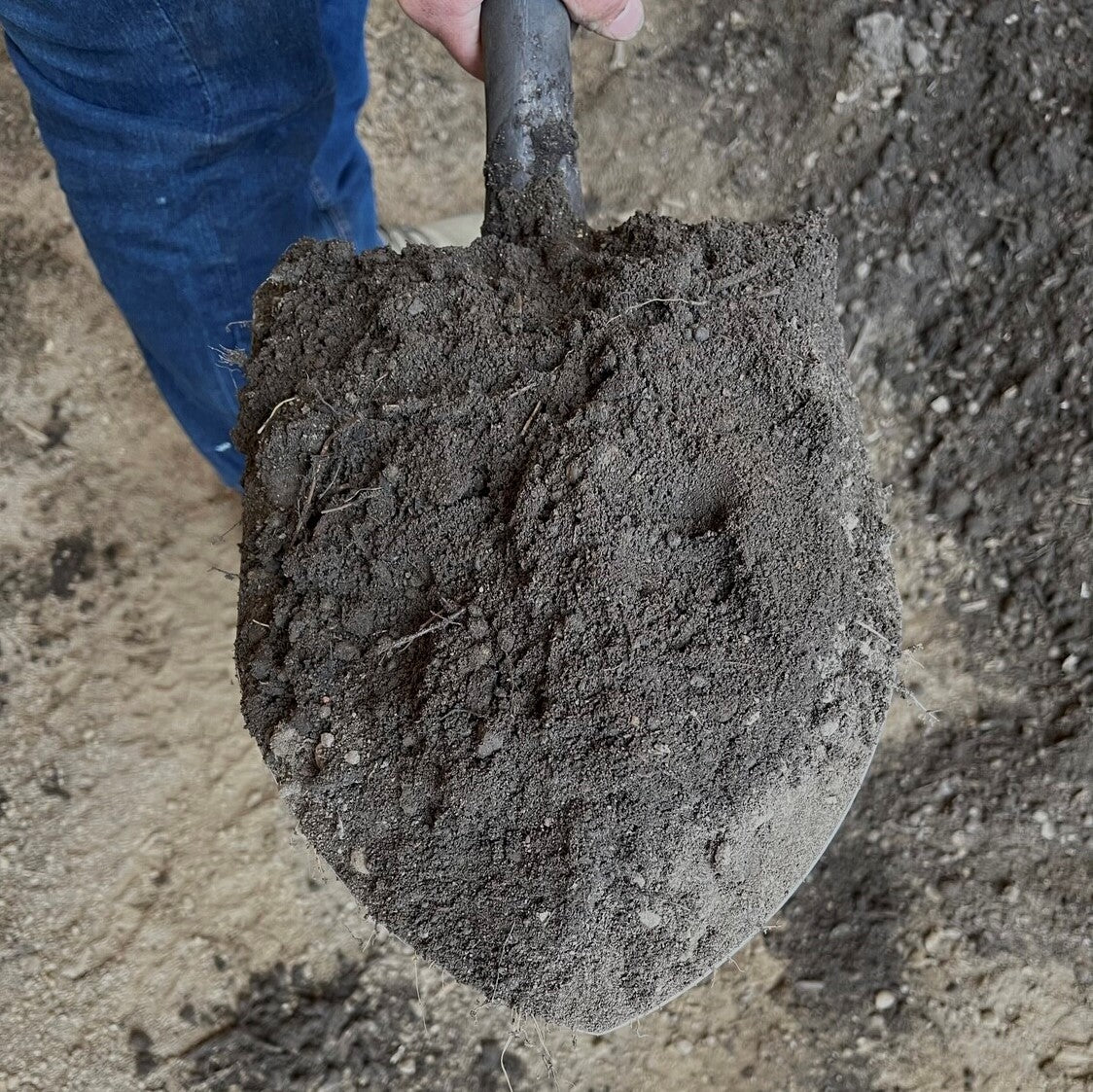
Rich finished compost loaded with organic matter, our garden compost is a reliable amendment for beds that need a fertility boost. Mix it in to improve water retention and create the kind of loose, workable growing medium that vegetables and perennials thrive in.
Gardening Blend
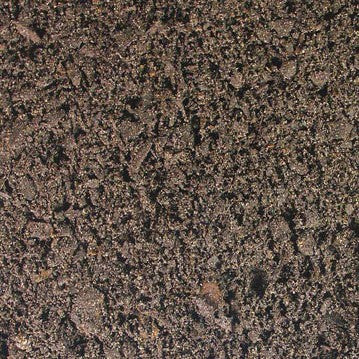
Our gardening blend combines topsoil and organic amendments into a mix that arrives ready for raised beds, flower gardens, and new planting areas. Good drainage and solid nutrients make it a practical choice where the native soil is heavy and slow to warm in spring.
Mushroom Compost
Spent mushroom substrate packed with organic nutrients, our mushroom compost adds a slow release fertility boost and improved structure to beds and borders. It works especially well in the heavier soils found throughout northwest Indiana, giving plants a steady source of nutrition as they establish.
Complete Your Outdoor Soil Project
Combine your soil order with a hardwood mulch to protect and finish new garden beds, and consider decorative stone for bordering beds or creating paths that hold up to Highland's wet spring conditions without turning to mud.
My Highland yard has patches of standing water after every rain. Can adding topsoil help?
It depends on the cause. If the low spots are shallow depressions in the lawn, topdressing with a screened topsoil or soil and sand blend can raise the grade and improve surface drainage. But if the issue is a subsurface drainage problem driven by Highland's clay loam holding water below the surface, you may also need to aerate aggressively or install drainage before adding soil on top.
Answer
What kind of soil should I use for raised vegetable beds in Highland?
A blended garden mix with compost, topsoil, and some coarse material works best for raised beds in Highland. You want something that drains well despite the wet springs and stays workable through the dry mid-summer stretches. Avoid filling raised beds with straight native clay loam because it will compact into a dense block, especially once you water it through a few wet and dry cycles.
Answer
When can I actually start working with my soil and planting here in Highland?
Highland's last frost falls around April 15, but clay loam soil often stays too wet and cold to work productively until late April or early May. Trying to till or prep clay loam when it is saturated causes structural damage that sets the bed back for the whole season. Wait until a handful of soil crumbles apart rather than smearing before you start digging or planting.
Answer
How much topsoil do I need to level a bumpy Highland lawn?
For a light topdressing to smooth minor low spots, a quarter to half inch of screened topsoil across the affected area is typical. One cubic yard of soil covers about 300 square feet at a one-inch depth. For larger grade corrections on a standard suburban Highland lot, three to six yards is a common order for homeowners dealing with post-construction settling or erosion from spring storms.
Answer
Does Highland's heavy rainfall wash away new soil I add to sloped areas?
Yes, unprotected soil on slopes is very vulnerable during Highland's spring rain season. Any grading work on a slope should be followed immediately by seeding, sodding, or at minimum a layer of mulch to hold the material in place. Erosion netting and straw blankets are also worth considering for steeper grades until vegetation establishes fully.
Answer
Can I use bulk topsoil to build up low spots near my foundation?
Yes, and it is actually recommended to maintain a positive slope away from your foundation. Use a firm, dense topsoil rather than a light fluffy garden mix near the foundation, and seed or sod over it promptly to stabilize the grade before Highland's spring rain season washes your work away.
Answer
How is bulk topsoil different from the bags of soil sold at hardware stores?
Bulk topsoil is a natural screened soil that may include loam, compost, and organic material depending on the source. Bagged products often contain significant amounts of peat or processed compost that behave differently than real mineral soil. For large projects like filling a raised bed or leveling a Highland yard, bulk delivery is far more cost-effective and gives you a consistent, workable material.
Mulch Mound Pro Tip
Before placing bulk topsoil over Highland's clay loam lawn, aerate the existing surface first. Clay loam compacts into a layer that can act like a barrier between new soil and old, preventing roots from moving between the two layers. A single pass with a core aerator breaks that barrier and dramatically improves how well the new soil integrates with what is already there.
Mulch Mound Pro Tip
Time your soil delivery and spreading to coincide with dry weather windows. In Highland, spring moisture from April storms can make freshly placed topsoil nearly impossible to grade smoothly because clay loam in the native layer below swells and shifts unpredictably. Watch the forecast and aim for a stretch of two to three dry days before and after your delivery to get the best results.
Mulch Mound Pro Tip
If you are building raised vegetable beds, position them to run east to west across your Highland yard. This orientation maximizes sun exposure during the shorter days at either end of the Zone 6a growing season, from the April 15 last frost through October. Well-oriented beds also tend to dry out faster after rain, which helps with the sluggish drainage common when raised beds sit directly over clay loam.
The Unique Landscape of Highland
Highland's native clay loam is a mixed blessing for homeowners. It holds nutrients and moisture well, but it drains slowly, compacts under foot traffic, and becomes nearly impossible to work with a shovel when it dries into a brick-hard surface in July. Homeowners trying to grow vegetables, level a patchy lawn, or build new garden beds quickly discover that native soil alone often falls short without amendment or replacement. With the last frost arriving around April 15 and the growing season stretching to about October 28, there are roughly six months of prime planting time that benefit enormously from well-prepared soil. Bulk topsoil and garden mix deliveries let Highland homeowners fix grade issues, fill raised beds, and top-dress lawns without hauling endless bags from a big-box store. The area's 39 inches of annual rainfall also means that soil used for grading needs to be well-structured enough to accept water without washing away or turning to mud every spring.