



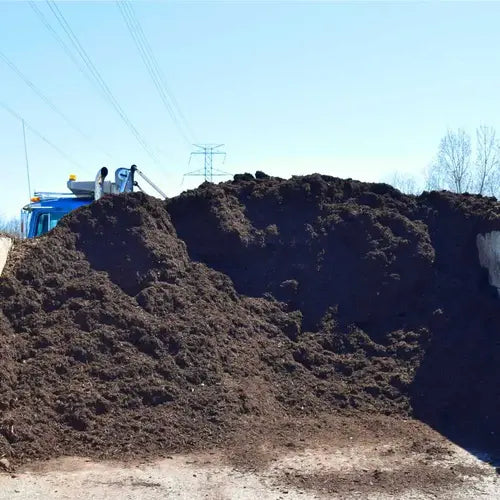
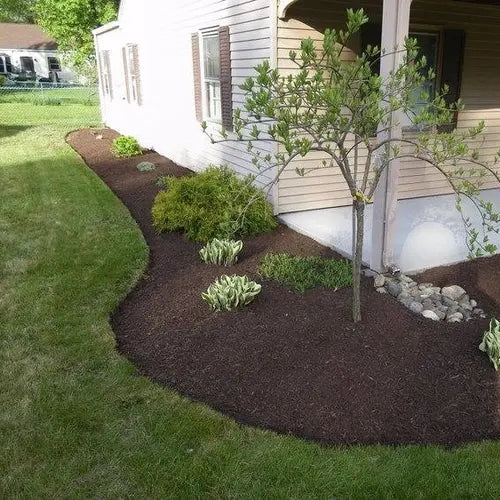

Easy to order, arrived when it was to arrive. Mulch was beautiful! Couldn’t be easier!
About this mulch
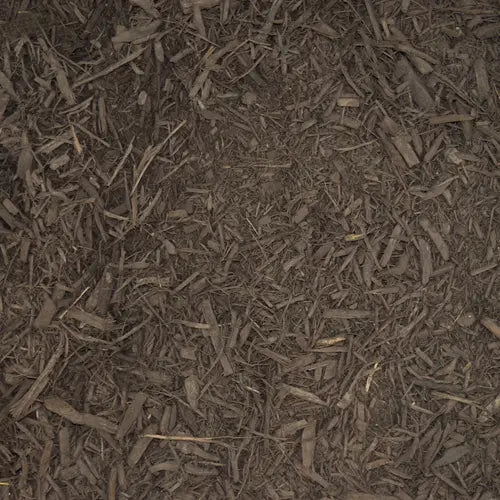
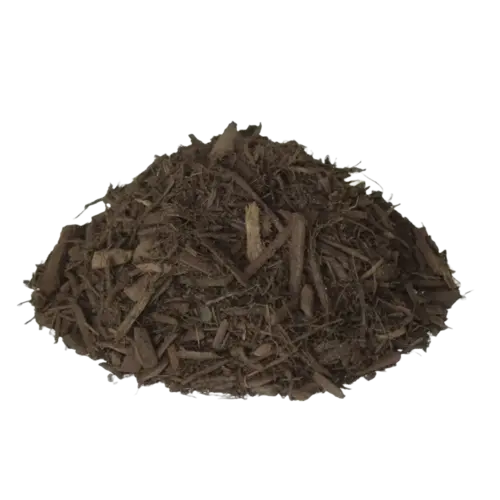
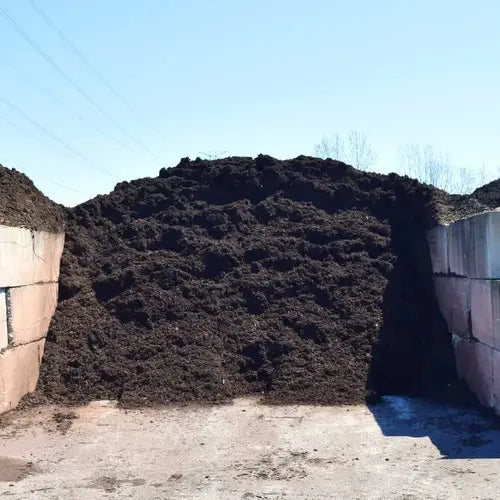
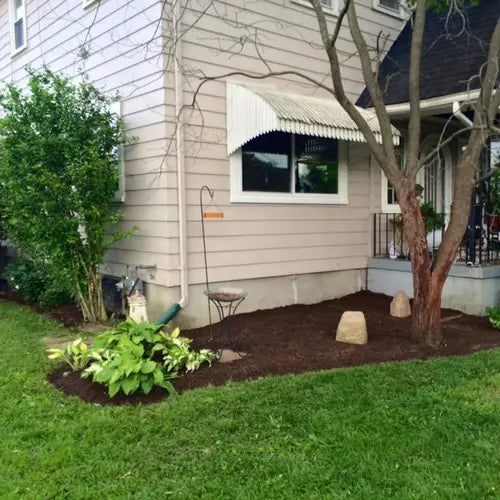
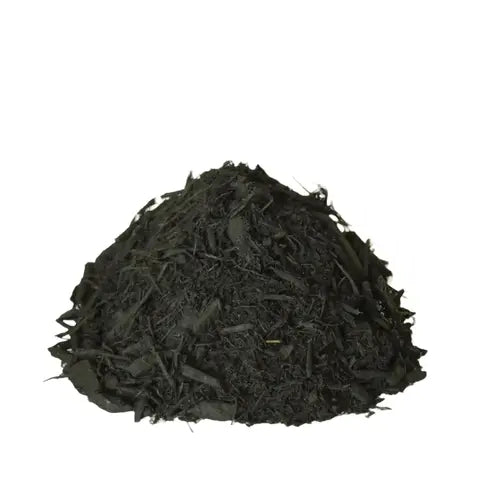
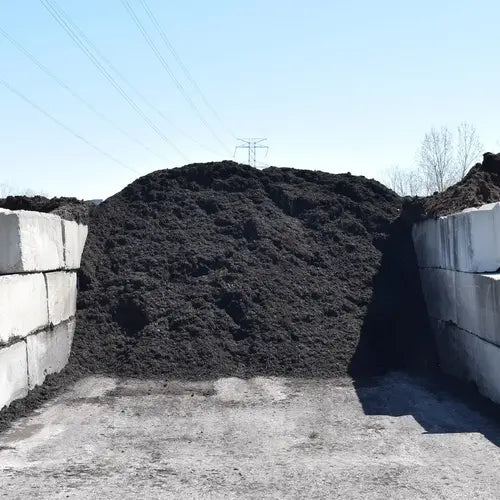
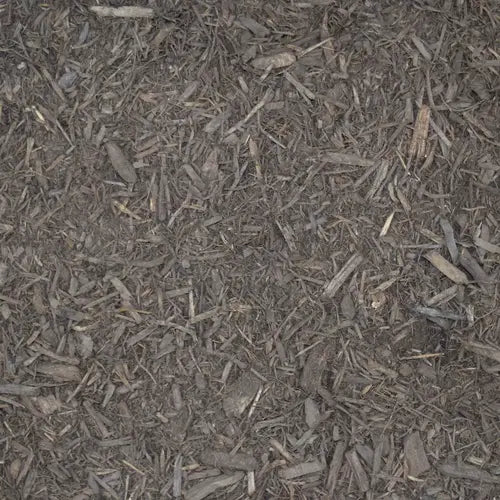
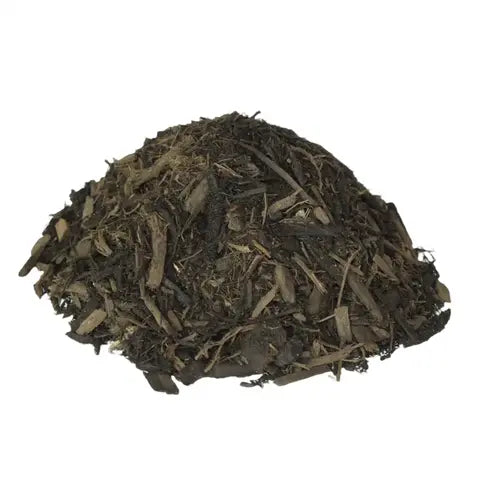
Warm brown double shredded mulch with lasting color that looks freshly applied for weeks. Spreads smooth, stays put, and gives beds a natural, polished appearance.
Easy to order, arrived when it was to arrive. Mulch was beautiful! Couldn’t be easier!
Tell us what you're looking for
Thanks! We received your request.
Something went wrong. Please try again.
How Much Material Do I Need?
How Much Material Do I Need?
A 3-inch depth is recommended for most ornamental beds over Huntington's silt loam soil, providing enough coverage to suppress weeds and buffer moisture without impeding the rainfall absorption the soil needs during drier summer stretches. Beds with significant slope or erosion history may benefit from a slightly deeper 4-inch application to compensate for any material that migrates during heavy rain events.
Use our free mulch calculator
What is a yard?
What is a yard?
FAQs
FAQs
Huntington Mulch Delivery
Huntington Mulch Delivery
Regular price
$64.00
per
yard
Regular price
Sale price
$64.00
Unit price
per
Shipping calculated at checkout.
Minimum of 3 yard
Couldn't load pickup availability
Not currently available
We can't take orders for this right now. Tell us what you need and we'll get back to you.
Hand-picked local yards
4,000+ regional deliveries
Dedicated support
Why order through Mulch Mound
The best local mulch, without the guesswork.
We hand-pick and partner with the best yards in your region, keep only the ones our buyers rate well, and back each load with our guarantee.
Mulch Mound Guarantee
If your mulch isn't the quantity or quality you ordered, we'll make it right.
About this mulch
Warm brown double shredded mulch with lasting color that looks freshly applied for weeks. Spreads smooth, stays put, and gives beds a natural, polished appearance.
Easy to order, arrived when it was to arrive. Mulch was beautiful! Couldn’t be easier!
How Much Material Do I Need?
How Much Material Do I Need?
A 3-inch depth is recommended for most ornamental beds over Huntington's silt loam soil, providing enough coverage to suppress weeds and buffer moisture without impeding the rainfall absorption the soil needs during drier summer stretches. Beds with significant slope or erosion history may benefit from a slightly deeper 4-inch application to compensate for any material that migrates during heavy rain events.
Use our free mulch calculator
What is a yard?
What is a yard?
FAQs
FAQs
Tell us what you're looking for
Thanks! We received your request.
Something went wrong. Please try again.

How It Works
Getting started is easy — just follow these simple steps
1
Choose your Mulch
Make sure you adjust the quantity to your home's needs. You can use our calculator to estimate how much you'll need.
2
Select your delivery date
Select a delivery date you'd like for the product to be dropped off at your home
3
Sit back and wait
Sit back, wait, and let us work our magic to make sure the highest quality product is delivered to your driveway.

Great experience! Easy to order, they delivered promptly and were very respectful of the property! Ordered the triple shredded brown mulch and it w...
Read full review
Great experience! Easy to order, they delivered promptly and were very respectful of the property! Ordered the triple shredded brown mulch and it was EXACTLY what I wanted. Very clean product too, no garbage or filler. Already put these guys in my calendar to order from next year! Keep up the good work.

Website was easy to use. Mulch was delivered on time and exactly where specified. It makes our front yard look great just in time for spring!
Calculate mulch for your Huntington project
For Huntington's Silt Loam type of soil, we recommend 2-3 inches for best weed suppression and moisture retention
Try Our CalculatorMeasure the length and width of each bed in feet and multiply them together to get square footage, then divide by 100 to estimate cubic yards needed for a 3-inch layer. Huntington's irregular lot shapes from the river valley terrain often mean beds are not perfect rectangles, so adding 10 percent to your estimate helps you avoid coming up short mid-project.
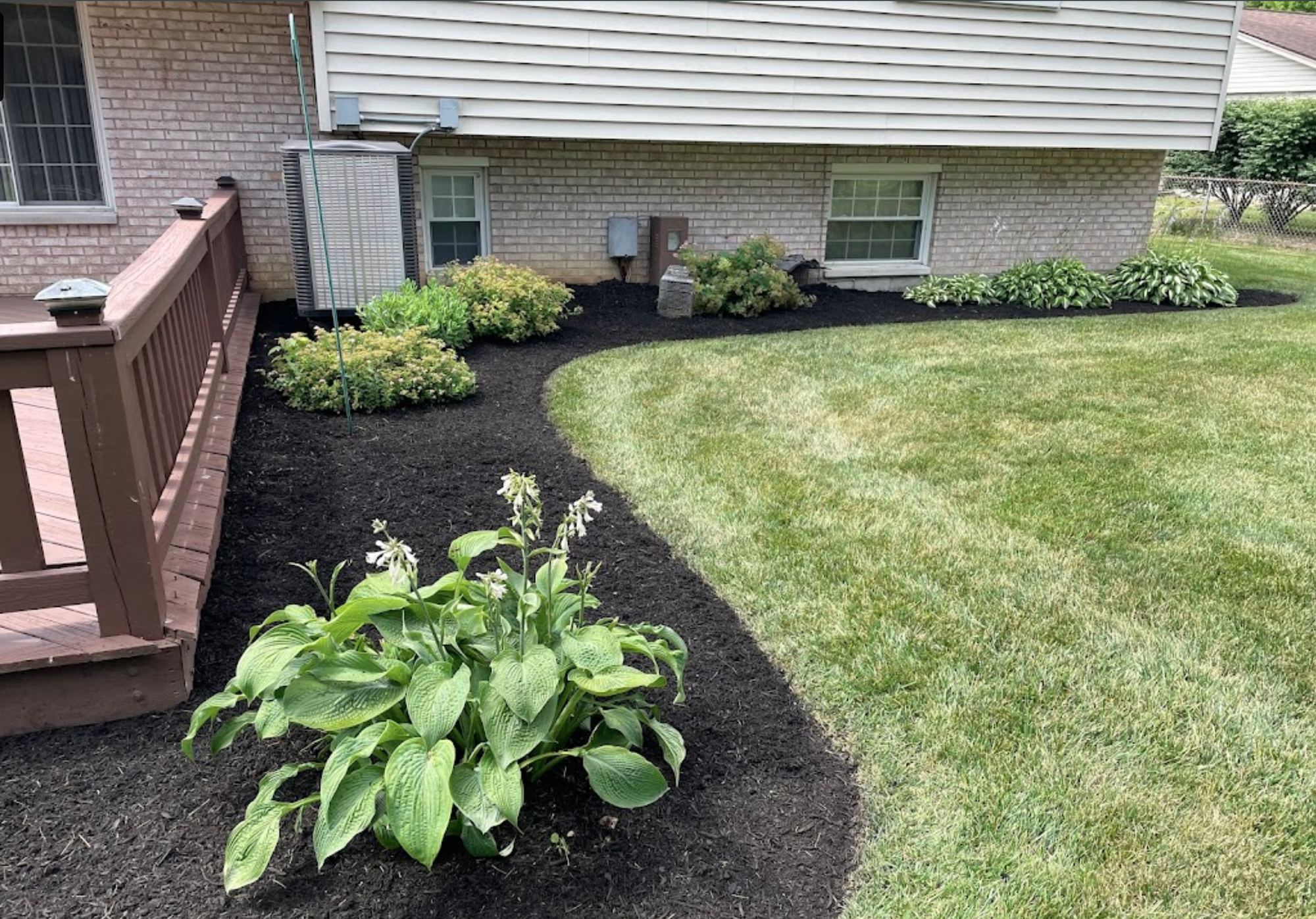
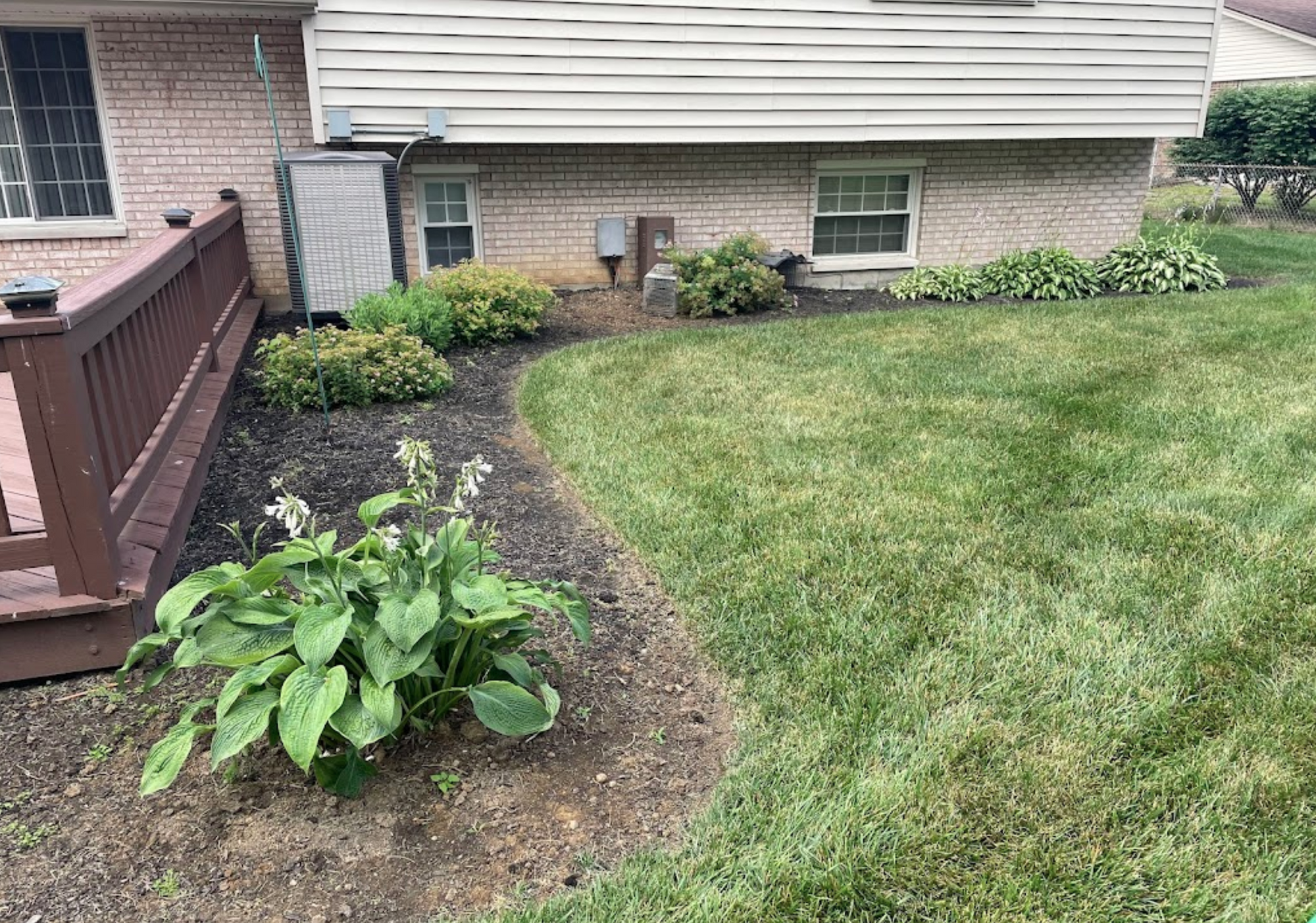

Best Mulch Choice for Huntington Lawns
Most yards in the Huntington area sit on Silt Loam type of soil. Huntington's silt loam soil tends to form a dense and compacted surface layer when exposed beds are hit repeatedly by heavy rainfall, which limits water infiltration and puts stress on shallow-rooted ornamentals and perennials.
Hardwood Mulch
Hardwood mulch gradually breaks down into fine organic particles that work their way into silt loam soil, improving its aggregate structure, increasing drainage capacity between rain events, and adding the slow-release nutrients that Huntington's native soil often lacks in cultivated ornamental and vegetable beds.
Mulch Types We Deliver in Huntington
Whether you are freshening a few beds or covering a large yard, bulk mulch delivery in Huntington makes it easy to get the cubic yards you need dropped right at your door. The warm, humid summers and clay-heavy soils in this part of West Virginia mean a good layer of mulch helps retain moisture and keep roots cool. We deliver locally so you spend less time hauling and more time finishing your project.
Dyed Black Mulch
Dyed Black Mulch is available double shredded for a smooth, even spread. The bold black tone holds through rainy springs and humid summers, giving beds a sharp, finished look that contrasts beautifully with the light brick and stone exteriors common on homes across this part of West Virginia.
Dyed Brown Mulch
Dyed Brown Mulch comes double shredded and delivers a warm, polished look that suits the wooded, natural surroundings of this region. The long-lasting color stays fresh through heavy summer rains, making it a reliable choice for older residential yards with established trees and layered planting beds.
Natural Brown Mulch
Natural Brown Mulch is double shredded and colored only by the wood itself, with no dyes added. The warm, earthy tone blends naturally into the wooded hillside landscapes typical of West Virginia, making it a great fit for homeowners who prefer an organic, understated finish in their garden beds.
Complete Your Outdoor Mulch Project
If your beds need structural definition, pairing mulch with decorative stone edging keeps material contained during Huntington's heavy rain events and gives your landscape a finished look through all four seasons. Adding amended topsoil beneath the mulch layer gives silt loam beds the nutrient boost and drainage improvement that supports strong plant growth through our long growing season from mid-April to late October.

Service area
Areas we deliver mulch in Huntington, West Virginia
Mulch Mound Pro Tip
Huntington's silt loam compacts noticeably after repeated heavy rains, so before spreading fresh mulch each spring take a few minutes to loosen the top layer of soil with a hand fork or cultivator. This simple step opens up air pockets that roots depend on and allows the decomposing mulch from the previous season to blend into the soil more effectively, improving bed structure cumulatively over multiple growing seasons without any added cost.
Mulch Mound Pro Tip
The frost window between October 28 and April 15 creates a dormant period that is actually a great time to prepare beds for the season ahead. Laying mulch in early November after cleanup locks in residual soil warmth, keeps soil from crusting over the winter rains, and means that when the last spring frost passes you only need a light refresh rather than starting a full application from scratch.
Mulch Mound Pro Tip
With 44 inches of annual rainfall spread fairly evenly through the year, Huntington landscapes rarely suffer extended drought, but dry spells in July and August do occur. A consistent 3-inch mulch layer acts like a slow-release reservoir, reducing moisture evaporation from the silt loam surface so plants stay hydrated longer between rain events. Well-mulched beds in Huntington can go several additional days without supplemental watering compared to bare soil during those mid-summer dry stretches.
The Unique Landscape of Huntington
Huntington's silt loam soil is naturally prone to compaction, especially during the heavy summer rains that push annual totals close to 44 inches, and a consistent mulch layer creates a protective buffer that shields the soil surface from raindrop impact. When silt loam compacts, plant roots struggle to access oxygen and nutrients, so mulch is one of the most practical tools available to Huntington homeowners for maintaining healthy bed structure season after season. The Ohio River valley's humid summers also accelerate organic breakdown, meaning mulch must be applied at the right depth to keep beds insulated through the temperature swings that run from the last frost around April 15 through the first frost near October 28. Weed pressure is intense in this region because the moist climate and long growing season give opportunistic plants every advantage, making reliable suppression a year-round priority rather than a one-time spring chore. Keeping a fresh mulch layer in place also reduces the amount of irrigation needed during the occasional summer dry spells that break up an otherwise wet growing season in the Tri-State area.