


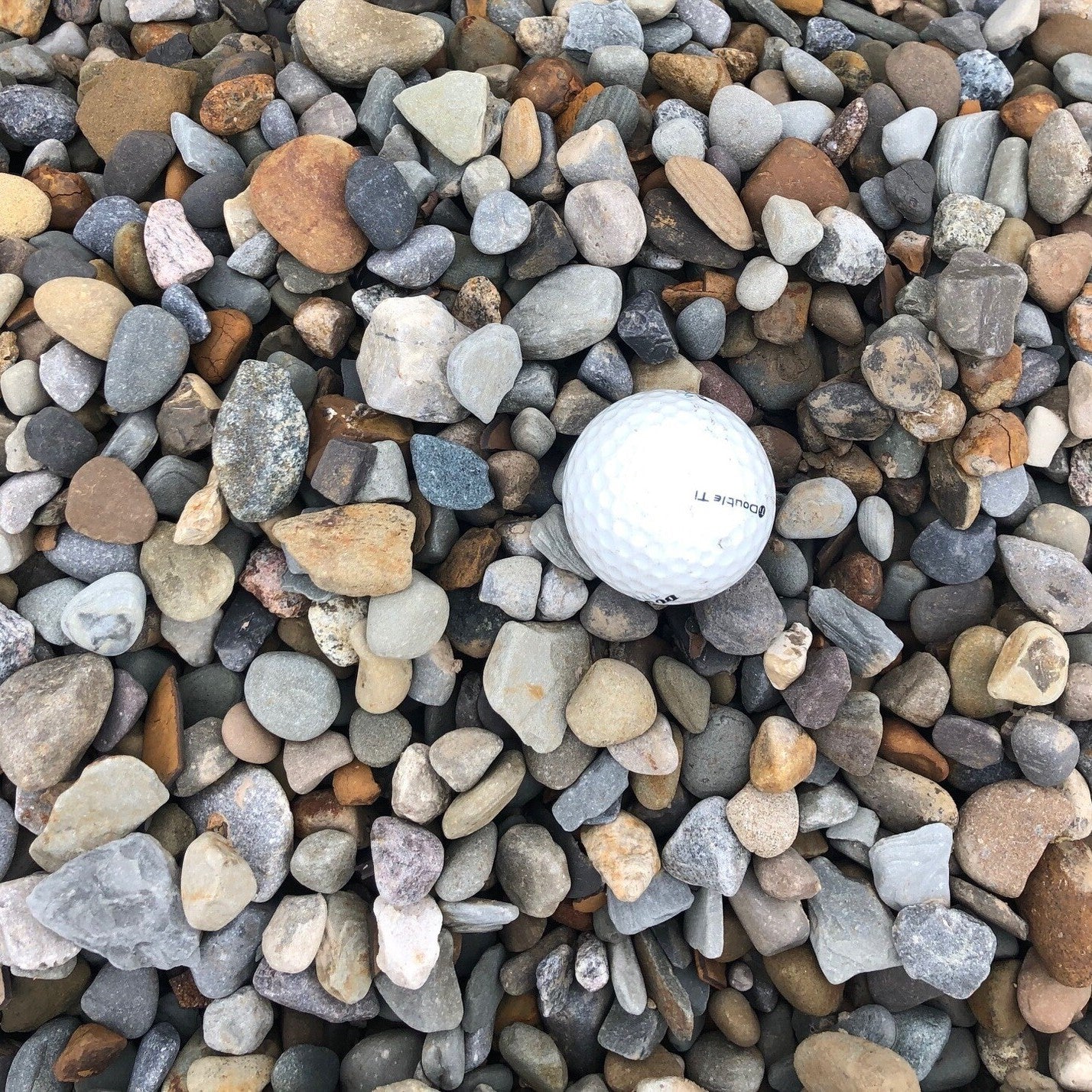

The driver nailed it on putting the gravel I ordered in front of my trailer and between the sidewalk. Very satisfied with how my flowerbeds look now.
About this stone
Number 57 crushed stone, angular limestone graded to about three quarters of an inch. The standard driveway, base and drainage gravel, it locks together under traffic and drains fast.
The driver nailed it on putting the gravel I ordered in front of my trailer and between the sidewalk. Very satisfied with how my flowerbeds look now.
Tell us what you're looking for
Thanks! We received your request.
Something went wrong. Please try again.
How Much Material Do I Need?
How Much Material Do I Need?
Decorative stone beds in Huntington's silt loam landscape typically need a 2 to 3 inch surface layer to provide full ground coverage and adequate weed suppression through the long growing season. Drainage and erosion control applications generally require a deeper layer of 4 to 6 inches of angular crushed stone to handle the volume of water movement that Huntington's annual rainfall generates across sloped or channeled areas.
Use our free gravel calculator
What is a yard?
What is a yard?
FAQs
FAQs
Huntington Gravel Delivery
Huntington Gravel Delivery
Regular price
$133.00
per
yard
Regular price
Sale price
$133.00
Unit price
per
Shipping calculated at checkout.
Minimum of 3 yard
Couldn't load pickup availability
Not currently available
We can't take orders for this right now. Tell us what you need and we'll get back to you.
Hand-picked local yards
4,000+ regional deliveries
Dedicated support
Why order through Mulch Mound
The best local stone, without the guesswork.
We hand-pick and partner with the best yards in your region, keep only the ones our buyers rate well, and back each load with our guarantee.
Mulch Mound Guarantee
If your stone isn't the quantity or quality you ordered, we'll make it right.
About this stone
Number 57 crushed stone, angular limestone graded to about three quarters of an inch. The standard driveway, base and drainage gravel, it locks together under traffic and drains fast.
The driver nailed it on putting the gravel I ordered in front of my trailer and between the sidewalk. Very satisfied with how my flowerbeds look now.
How Much Material Do I Need?
How Much Material Do I Need?
Decorative stone beds in Huntington's silt loam landscape typically need a 2 to 3 inch surface layer to provide full ground coverage and adequate weed suppression through the long growing season. Drainage and erosion control applications generally require a deeper layer of 4 to 6 inches of angular crushed stone to handle the volume of water movement that Huntington's annual rainfall generates across sloped or channeled areas.
Use our free gravel calculator
What is a yard?
What is a yard?
FAQs
FAQs
Tell us what you're looking for
Thanks! We received your request.
Something went wrong. Please try again.
How It Works
Getting started is easy — just follow these simple steps
1
Choose your stone
Make sure you adjust the quantity to your home's needs. You can use our calculator to estimate how much you'll need.
2
Select your delivery date
Select a delivery date you'd like for the product to be dropped off at your home
3
Sit back and wait
Sit back, wait, and let us work our magic to make sure the highest quality product is delivered to your driveway.

Quick delivery, amazing service. Highly recommend!

They delivered next day as requested. The website was easy to work with and the product is wonderful:)
Need Help Calculating How Much Gravel You Need?
Use our NEW Trace from Satellite tool to get an estimate for your project based on an aerial view of your property
Try Our CalculatorTo estimate stone for a pathway or bed, multiply length by width in feet, then multiply by the depth in feet and divide by 27 to get cubic yards needed. In Huntington where drainage base layers are often recommended beneath decorative stone, calculate the base layer separately from the surface layer so your total order covers both components of the project.
Stone Types We Deliver in Huntington
Mulch Mound delivers bulk stone by the cubic yard throughout this part of West Virginia, making it simple to tackle any landscaping project without renting a truck or hauling loads yourself. If you have been searching for bulk gravel by the yard in Huntington, we bring a fresh load right to your driveway or job site. Our stone varieties are chosen to perform well in the humid, wet regional climate, where proper drainage and stable ground cover keep yards looking their best year-round.
Pea Gravel
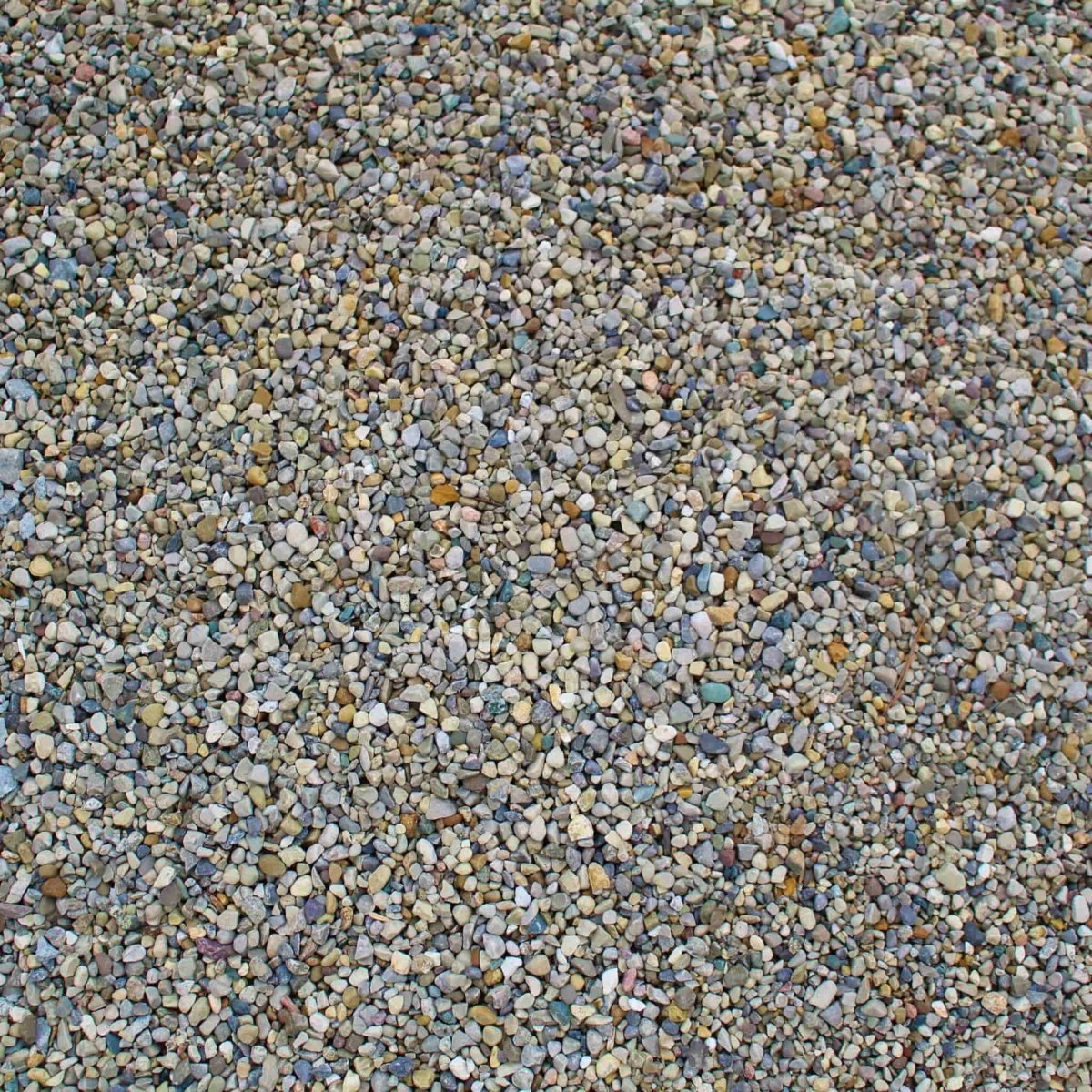
Smooth, rounded, and warm in natural earth tones, pea gravel is a favorite among homeowners who want an attractive, low-maintenance surface for walkways, garden beds, or patios. It drains freely through the region's clay-heavy soils and helps reduce erosion on sloped or uneven lots common in this part of West Virginia.
Complete Your Outdoor Stone Project
Combining stone drainage channels with hardwood mulch in adjacent planting beds creates a balanced system that manages Huntington's significant annual rainfall while keeping beds looking neat and defined through the growing season. Pairing stone borders with quality amended topsoil in raised planting areas gives Huntington landscapes both structural permanence and the rich growing medium that ornamentals and vegetables need to perform well from April through October.



Service area
Areas we deliver stone and gravel in Huntington, West Virginia
Mulch Mound Pro Tip
Huntington's silt loam compacts and sheds water rapidly on slopes, making erosion a genuine concern on any grade steeper than about 10 degrees. Installing a dry creek bed using 2 to 4 inch river rock along natural drainage channels not only controls erosion but creates a landscape feature that looks intentional and attractive even during dry periods in mid-summer. Line the channel with geotextile fabric first to prevent the stone from gradually sinking into the fine-textured soil over multiple seasons.
Mulch Mound Pro Tip
Stone pathways in Huntington benefit from a weed barrier and a compacted base layer more than pathways in drier climates, because the frequent rainfall here keeps weed seeds moist and germination rates high all season long. Even with landscape fabric in place, fine silt particles blown in by wind will accumulate in stone joints over time, so plan for an annual raking and occasional spot treatment to keep pathways looking clean from the last spring frost through October.
Mulch Mound Pro Tip
During Huntington's freeze-thaw cycles from November through March, water trapped beneath or between stones can expand and shift material out of position over repeated cycles. Choosing angular crushed stone over smooth river rock for functional areas like driveways and access paths gives you a surface that locks together under pressure and resists the frost heaving that regularly affects loosely packed decorative stone installed directly over silt loam soil.
The Unique Landscape of Huntington
Huntington's 44 inches of annual rainfall make effective drainage one of the most important considerations in any landscape project, and stone is one of the most versatile tools available for managing water movement across a residential property. The fine-textured silt loam soil common throughout the area sheds water quickly once it becomes compacted, causing runoff that erodes planting beds, washes out pathways, and collects in low spots along yard edges and foundation lines. Decorative stone and crushed aggregate provide a permeable surface option that handles foot traffic and rainfall without the compaction issues that plague bare soil paths and slopes throughout the growing season. Stone edging and border work also gives Huntington landscapes a defined structure that holds up through the humid summers, heavy rain events, and repeated freeze-thaw cycles of a Zone 7a winter without rotting or decomposing the way organic materials can. Whether used for drainage channels, decorative ground cover, or erosion-control slopes, stone is a long-term investment that requires almost no maintenance once properly installed.