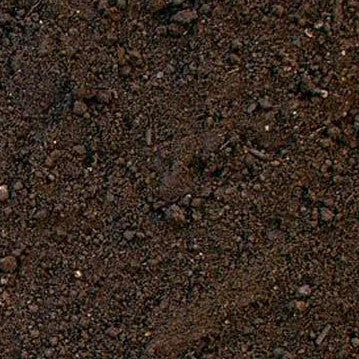
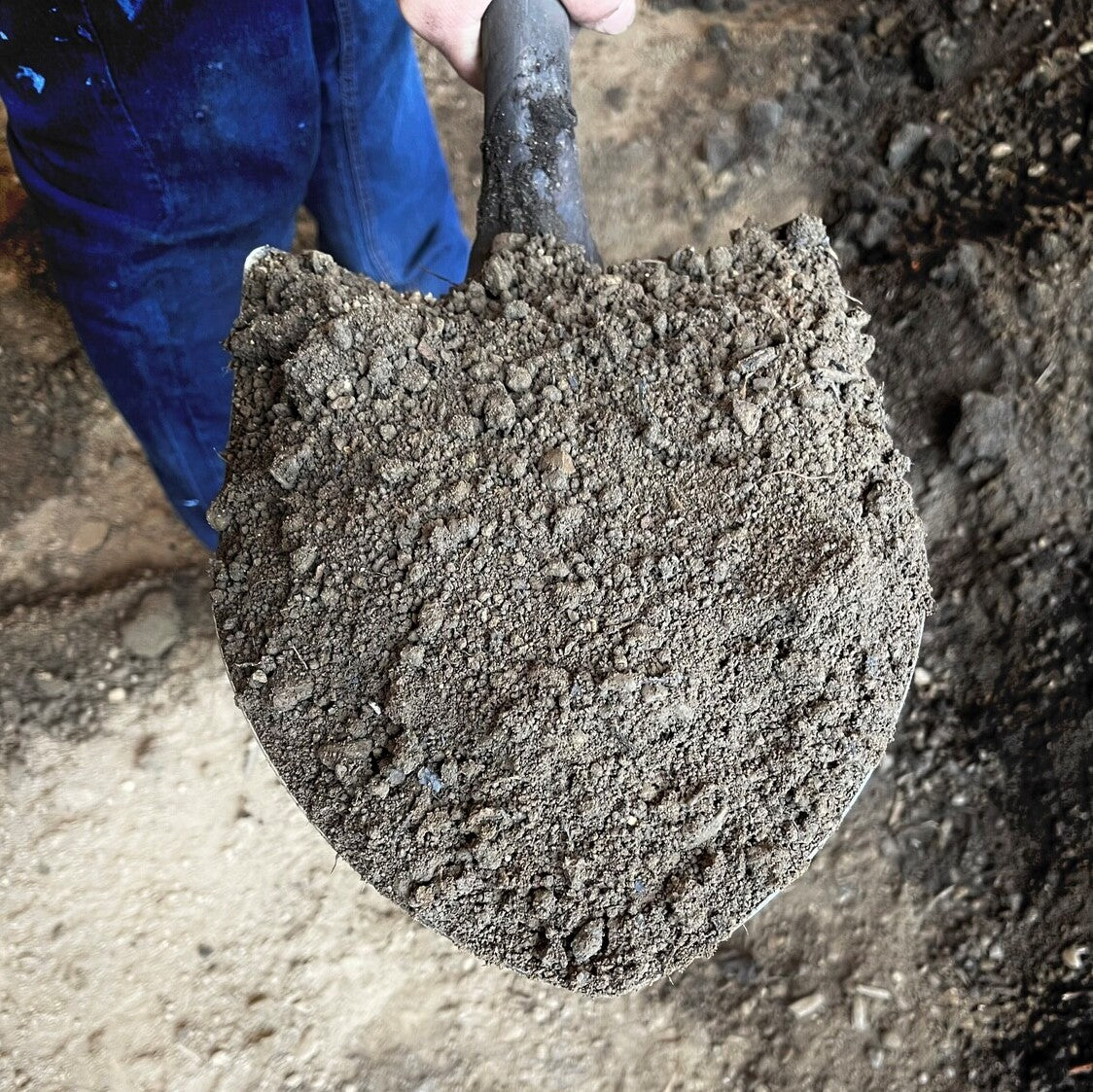
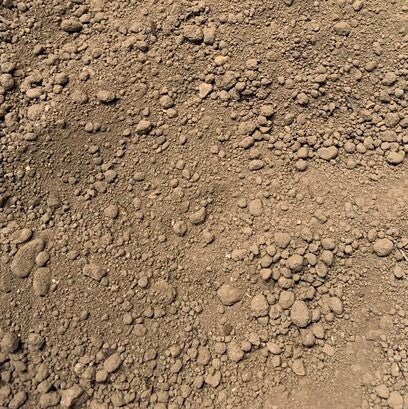
Quality topsoil for lawns, gardens, and landscape projects. Nutrient rich and ready to support strong root development and healthy plant establishment.
We got 3 yards of the gardening top soil. It was great quality, not many chunks and seems good for growing, just waiting for all my plants to love it.
We had more than enough soil to fill a raised bed we made and landscaped around a patio. I do wish we could do less tha...
Tell us what you're looking for
Thanks! We received your request.
Something went wrong. Please try again.
How Much Material Do I Need?
For most raised beds and grade-fill projects in Huntington, plan for at least 6 inches of quality topsoil over existing silt loam to give roots a well-drained zone above the native compacted layer. Lawn leveling projects typically need 4 to 6 inches of material for bare areas and a thin topdress of under half an inch for gradual correction of shallow settling.
Use our free soil calculator
What is a yard?
A yard is approximately 27 cubic feet. As a general guideline, one yard of material can cover an area of about 100-160 square feet at a 2-3 inch depth.
We can't take orders for this right now. Tell us what you need and we'll get back to you.
What do you need?
Thanks! We received your request.
Something went wrong. Please try again.
Hand-picked local yards
4,000+ regional deliveries
Dedicated support
Why order through Mulch Mound
The best local soil, without the guesswork.
We hand-pick and partner with the best yards in your region, keep only the ones our buyers rate well, and back each load with our guarantee.
Mulch Mound Guarantee
If your soil isn't the quantity or quality you ordered, we'll make it right.
About this soil
Quality topsoil for lawns, gardens, and landscape projects. Nutrient rich and ready to support strong root development and healthy plant establishment.
We got 3 yards of the gardening top soil. It was great quality, not many chunks and seems good for growing, just waiting for all my plants to love it.
We had more than enough soil to fill a raised bed we made and landscaped around a patio. I do wish we could do less tha...
How Much Material Do I Need?
For most raised beds and grade-fill projects in Huntington, plan for at least 6 inches of quality topsoil over existing silt loam to give roots a well-drained zone above the native compacted layer. Lawn leveling projects typically need 4 to 6 inches of material for bare areas and a thin topdress of under half an inch for gradual correction of shallow settling.
Use our free soil calculator
What is a yard?
A yard is approximately 27 cubic feet. As a general guideline, one yard of material can cover an area of about 100-160 square feet at a 2-3 inch depth.
We got 3 yards of the gardening top soil. It was great quality, not many chunks and seems good for growing, just waiting for all my plants to love ...
Read full review
We got 3 yards of the gardening top soil. It was great quality, not many chunks and seems good for growing, just waiting for all my plants to love it.
We had more than enough soil to fill a raised bed we made and landscaped around a patio. I do wish we could do less than 3 yds delivered but I understand the limitations.
My only concern was we requested it on the top left of our driveway since we had mulch on the other side, they ended up pouring it on top of the mulch (it was covered with a tarp so not ruined) making it difficult to complete our landscaping in a timely fashion.
To estimate how much soil you need, multiply the length by width by the depth you need all in feet, then divide by 27 to convert cubic feet to cubic yards. Huntington's irregular yard grades from the river valley terrain often mean you are filling areas of varying depth, so breaking the space into sections and calculating each one separately gives you a more accurate total than estimating the whole area at once.
Soil Types We Deliver in Huntington
Huntington homeowners and landscapers count on us for bulk topsoil by the yard in Huntington, delivered straight to your driveway or job site. The hill country terrain and clay-heavy native soils in this part of West Virginia mean most projects benefit from a quality amendment or fresh base layer. We measure and deliver by the cubic yard so you get exactly what your lawn, garden, or grading project needs.
Screened Top Soil
Our screened top soil is run through a fine mesh to remove rocks, clumps, and debris, leaving a smooth, workable base that blends easily into existing ground. It suits lawn repairs, raised beds, and slope fills common in Huntington yards, and its nutrient-rich composition gives new plantings a strong start in the region's variable growing conditions.
Complete Your Outdoor Soil Project
Topping amended soil beds with a layer of hardwood mulch helps preserve the loose structure you worked to create, shielding it from Huntington's compacting summer rains and slowing moisture evaporation during dry spells. Adding stone edging around raised or amended beds gives a clean boundary that keeps soil from spreading during the heavy rain events that are a regular part of the Tri-State growing season.
How many cubic yards of soil do I need to build a raised garden bed in Huntington?
A standard 4-by-8-foot raised bed filled to 12 inches deep requires about 1.2 cubic yards of soil. Many Huntington gardeners build beds 12 to 18 inches deep because the native silt loam beneath the bed can stay waterlogged during heavy rain periods, and the extra depth of quality amended soil gives roots room to stay in well-drained material even when the ground below is saturated.
Answer
Is Huntington's native silt loam okay for vegetable gardens or do I need to bring in topsoil?
Native silt loam can grow vegetables, but it compacts easily and often lacks enough organic matter to support a productive garden season after season. Blending in quality topsoil or a compost-rich garden soil improves drainage, loosens the planting zone, and provides the nutrients that heavy-feeding vegetables need through Huntington's long growing season running from mid-April through late October.
Answer
What is the best approach for using bulk soil to level out low spots in my Huntington lawn?
For minor depressions, topdressing with a quarter to half inch of soil at a time and letting grass grow through it before adding another layer works well. For deeper low spots, which are common in Huntington yards due to valley terrain and years of settling, remove the sod first, fill with topsoil in compacted lifts of 3 to 4 inches, replace the sod, and water it in well. Timing this work for early to mid-April just after the last frost gives grass the full growing season to re-establish.
Answer
Can I use bulk topsoil to improve drainage in a consistently soggy part of my Huntington yard?
Raising a low area with quality topsoil can redirect surface water away from problem spots, which is a common need in Huntington given the 44 inches of annual rainfall and the water-shedding behavior that compacted silt loam exhibits. If the drainage issue is below the surface, grading alone may not fully solve the problem. Pairing graded topsoil with a layer of crushed stone beneath it creates a more complete drainage solution that handles both surface and subsurface water movement.
Answer
When should I add soil to my garden beds before planting season in Huntington?
The best time to add and work new soil into your beds is two to four weeks before your last frost date, which in Huntington averages April 15. This gives the soil time to settle, allows any amendments to begin breaking down, and lets you address drainage or compaction issues before plants go in. Spring soil in Huntington can be wet and sticky in March and early April, so avoid working it while it clumps heavily in your hand, as that destroys the structure you are trying to build.
Answer
How much topsoil do I need for a new lawn area in Huntington?
For new lawn establishment over Huntington's compacted silt loam, a 4 to 6 inch layer of quality topsoil gives grass seed or sod a strong root zone to establish from. Thinner layers tend to dry out quickly in summer or mix with the compacted native soil beneath, reducing germination rates. For large areas, calculating square footage and planning for a 5-inch depth is a reliable starting estimate that most Huntington lawn projects fall close to.
Answer
Does the topsoil I bring in need to be amended further for Huntington's growing conditions?
A quality blended topsoil already contains organic matter well-suited to Zone 7a conditions, but mixing in additional compost at a ratio of about 20 percent by volume is beneficial for vegetable and perennial beds. Huntington's humidity and warm summers encourage rapid organic breakdown, so the extra organic input at planting time compensates for how quickly that material is consumed by soil biology through the active growing season.
Mulch Mound Pro Tip
Huntington's spring soil is notoriously wet in March and early April, and working or tilling it during that window causes long-lasting compaction that takes months to correct. Wait until the soil passes the squeeze test, take a handful and compress it into a ball, and if it crumbles when you poke it with a finger it is ready to work. This patience pays off with a well-structured bed that drains evenly and roots deeply all season long.
Mulch Mound Pro Tip
When filling raised beds in Huntington, avoid using 100 percent imported topsoil without any organic amendment. The humid climate and warm summers here consume organic matter quickly, and a bed that starts with low organic content will become dense and difficult to work within just two growing seasons. Mix in at least 20 to 30 percent compost at installation and plan to topdress with a thin compost layer every fall to replenish what the season has consumed.
Mulch Mound Pro Tip
For lawn leveling projects completed in fall, Huntington's freeze-thaw cycles from November through March can cause freshly placed soil to heave or shift before spring arrives. Lightly compact each lift of soil as you fill and cover the finished area with straw or erosion control mat to hold it in place through the wet winter months. By the time April 15 rolls around and the last frost clears, your leveled area will have settled and be ready to seed or sod without further adjustment.
The Unique Landscape of Huntington
Huntington's native silt loam soil has a naturally fine texture that holds moisture well but becomes prone to compaction under foot traffic, heavy rain, and equipment use across a typical growing season. Grade work and bed preparation projects in this area benefit significantly from quality amended topsoil because the native soil does not always provide the loose and well-drained root zone that vegetables and ornamentals require to thrive through a long growing season. The Ohio River valley's topography creates low spots that collect water during Huntington's 44 inches of annual rainfall, and imported topsoil is often the most practical way to raise and level those areas so they drain properly. With a growing season that runs from the last frost around April 15 through the first frost near October 28, establishing healthy soil conditions early in spring pays dividends across the full planting window. Whether you are building a raised garden bed, leveling a lawn, or filling a graded area after construction, the quality of soil you bring in directly determines how your landscape performs through the region's warm and humid summers.