




Very happy with the ease of ordering. Delivery went exactly as planned. Garden soil looks great and couldn’t be happier.
About this soil
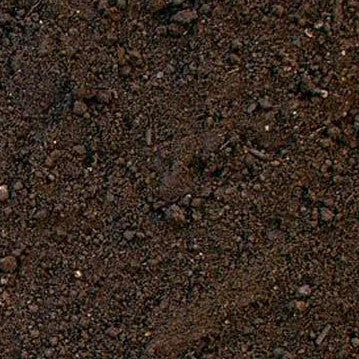
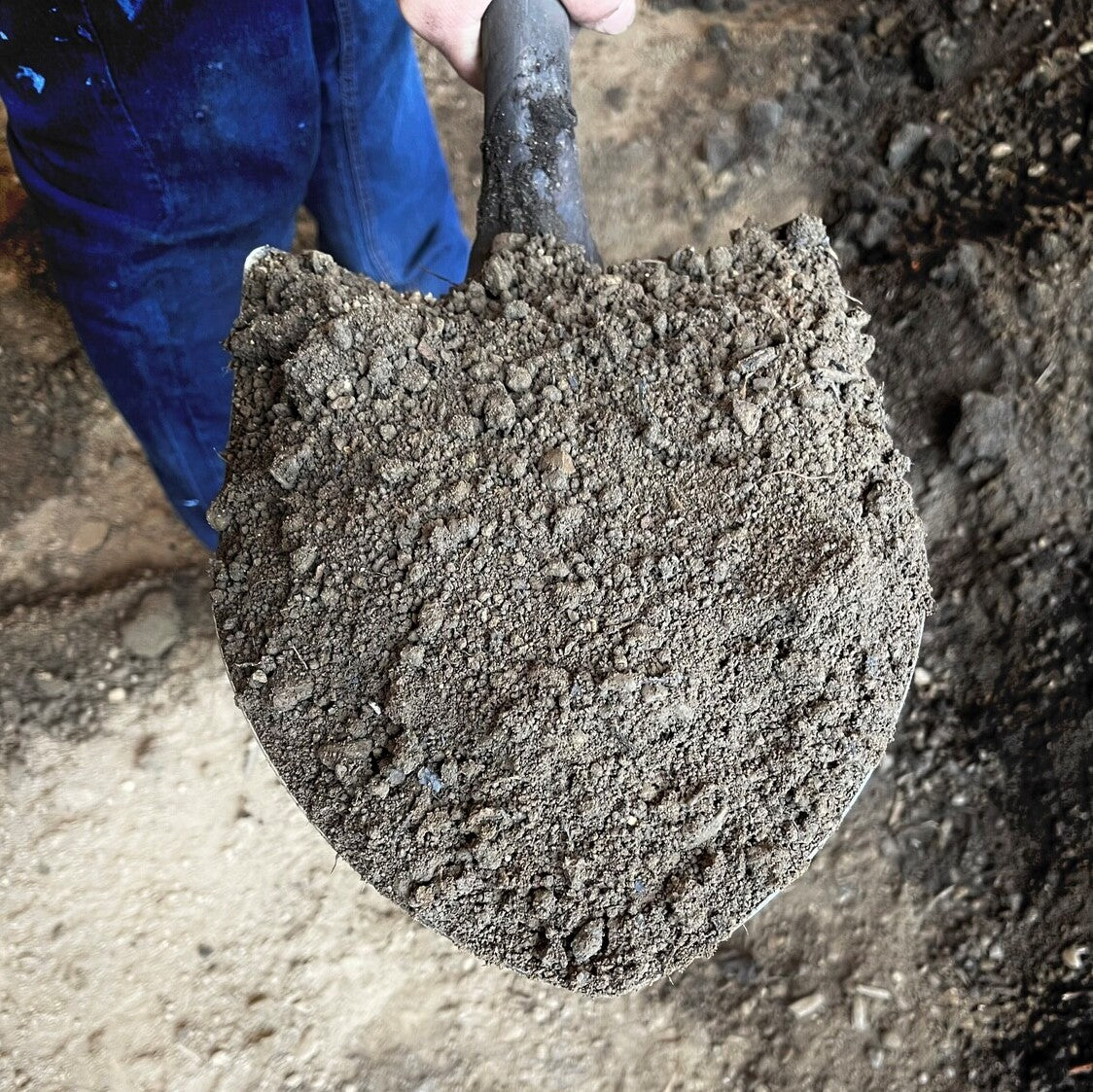
Screened topsoil with a fine, even texture. Ideal for new lawns, sod prep, and raised garden beds.
Very happy with the ease of ordering. Delivery went exactly as planned. Garden soil looks great and couldn’t be happier.
Tell us what you're looking for
Thanks! We received your request.
Something went wrong. Please try again.
How Much Material Do I Need?
How Much Material Do I Need?
For raised garden beds in Idaho Falls, plan for at least 12 inches of quality soil depth to give vegetable roots room to grow through the short growing season without hitting compacted subsoil. For top dressing and lawn grading projects, 2 to 4 inches of screened topsoil applied over existing grade is typically sufficient.
Use our free soil calculator
What is a Yard?
What is a Yard?
FAQs
FAQs
Idaho Falls Soil Delivery
Idaho Falls Soil Delivery
Regular price
$64.00
per
Yard
Regular price
Sale price
$64.00
Unit price
per
Shipping calculated at checkout.
Minimum of 3 Yard
Couldn't load pickup availability
Not currently available
We can't take orders for this right now. Tell us what you need and we'll get back to you.
Hand-picked local yards
4,000+ regional deliveries
Dedicated support
Why order through Mulch Mound
The best local , without the guesswork.
We hand-pick and partner with the best yards in your region, keep only the ones our buyers rate well, and back each load with our guarantee.
Mulch Mound Guarantee
If your isn't the quantity or quality you ordered, we'll make it right.
About this soil
Screened topsoil with a fine, even texture. Ideal for new lawns, sod prep, and raised garden beds.
Very happy with the ease of ordering. Delivery went exactly as planned. Garden soil looks great and couldn’t be happier.
How Much Material Do I Need?
How Much Material Do I Need?
For raised garden beds in Idaho Falls, plan for at least 12 inches of quality soil depth to give vegetable roots room to grow through the short growing season without hitting compacted subsoil. For top dressing and lawn grading projects, 2 to 4 inches of screened topsoil applied over existing grade is typically sufficient.
Use our free soil calculator
What is a Yard?
What is a Yard?
FAQs
FAQs
Tell us what you're looking for
Thanks! We received your request.
Something went wrong. Please try again.
How It Works
Getting started is easy — just follow these simple steps
1
Choose your soil
Make sure you adjust the quantity to your home's needs. You can use our calculator to estimate how much you'll need.
2
Select your delivery date
Select a delivery date you'd like for the product to be dropped off at your home
3
Sit back and wait
Sit back, wait, and let us work our magic to make sure the highest quality product is delivered to your driveway.

Really appreciate the care and follow thru that this company had with our order. A hiccup came up but they were quick to respond and address all co...
Read full review
Really appreciate the care and follow thru that this company had with our order. A hiccup came up but they were quick to respond and address all concerns, which made our garden day a success! Thank you for your prompt care.

Highest compliments. Great driver.
Website is easy to navigate. Just a seamless process. 5 stars!!
Need Help Calculating How Much Soil You Need?
Use our NEW Trace from Satellite tool to get an estimate for your project based on an aerial view of your property
Try Our CalculatorMeasure your project area in feet for length and width, estimate the depth of soil you need in inches, and use this formula: length times width times depth in feet divided by 27 equals cubic yards needed. For raised beds add 10 percent to your total to account for settling over the first growing season, which is common in Idaho Falls where freeze and thaw cycles compact new soil more than in milder climates. Measuring carefully before you order helps you avoid a second delivery trip.
Complete Your Outdoor Soil Project
Top your new soil with a 3 inch layer of shredded hardwood mulch to protect moisture and prevent the surface crusting that Idaho Falls silt loam soils are prone to during dry summer stretches. A delivery of decorative stone for pathways between garden beds also helps keep foot traffic off the new soil and reduces compaction around your planting areas.
Service area
Areas we deliver soil in Idaho Falls, Idaho
Mulch Mound Pro Tip
Idaho Falls gardeners adding raised beds should fill them in fall if possible and let the soil settle through winter before planting in spring. Freeze and thaw cycles at 4,705 feet elevation will compact new soil by 1 to 3 inches over winter, and filling to that extra depth in fall means your beds start the growing season at the right level rather than coming up short after the May thaw.
Mulch Mound Pro Tip
When ordering topsoil for a lawn project in Idaho Falls, try to time your seed application no later than mid August for a fall installation. This gives new grass seed enough warm soil time to germinate and develop a root system before the October 5 average first frost. Grass seeded later than September 1 often does not establish deeply enough to survive the Zone 6b winter, wasting both seed and the soil investment underneath it.
Mulch Mound Pro Tip
The alkaline native water supply in Idaho Falls means that even good imported topsoil can gradually shift more alkaline over several seasons as you irrigate. Testing your soil pH every two to three years and applying elemental sulfur when needed keeps your beds in the productive range for most vegetables and ornamentals. Mixing compost into your soil at planting each year also naturally buffers pH drift and keeps soil biology active through the dry summers.
The Unique Landscape of Idaho Falls
Idaho Falls sits on a high desert plain where the native silt loam soil is workable but thin on organic matter, often compacting under foot traffic and summer heat before a plant can fully establish its root system. With only 11 inches of annual rainfall, the soil spends much of the growing season at moisture deficit, meaning the quality and structure of your planting medium matters far more here than in wetter climates. Zone 6b growing conditions in Idaho Falls bring hard freezes that can push through October and May, and soil that lacks good structure will heave and crack with repeated freeze and thaw cycles rather than flex and recover. Raised beds and amended in ground planting areas filled with quality topsoil or garden mix allow Idaho Falls gardeners to extend what the native soil simply cannot provide on its own. Bringing in a bulk soil blend that holds moisture without staying waterlogged gives your plants the stable rooting environment they need to make the most of the short 150 day growing season.