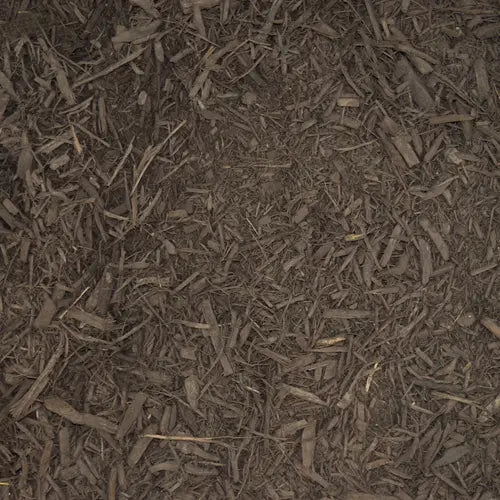
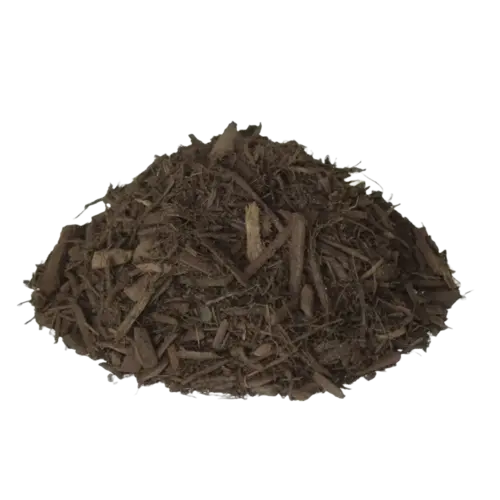
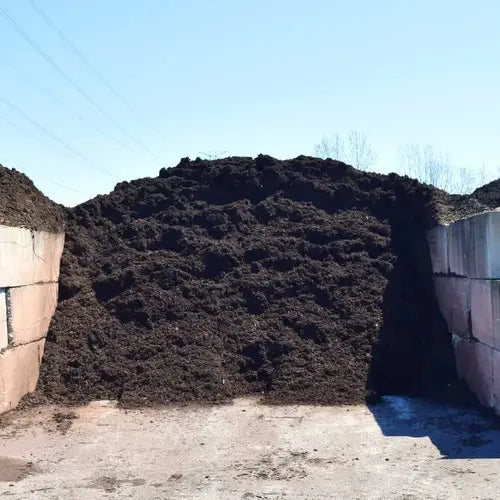
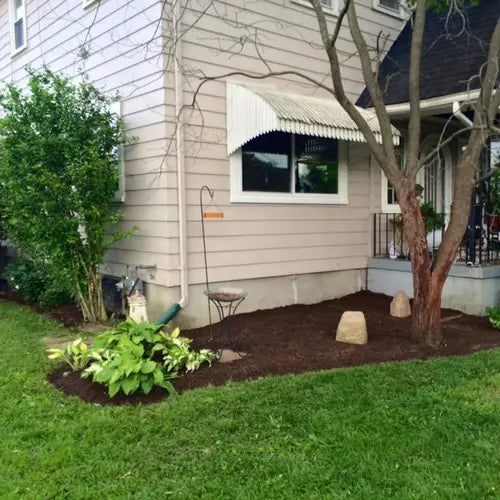
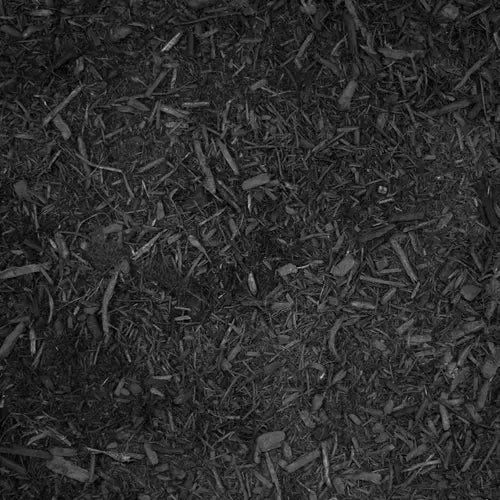
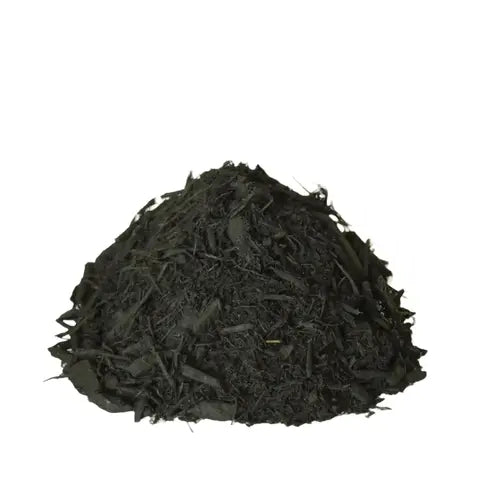
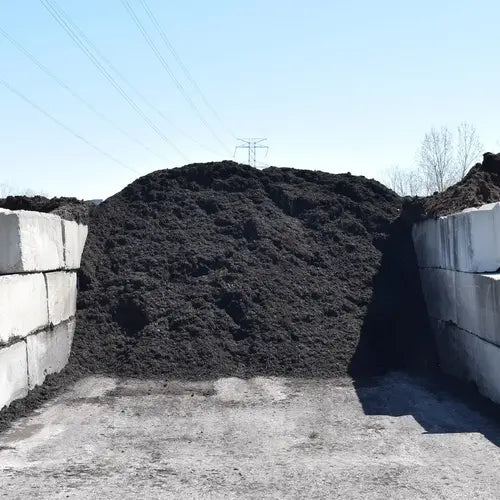
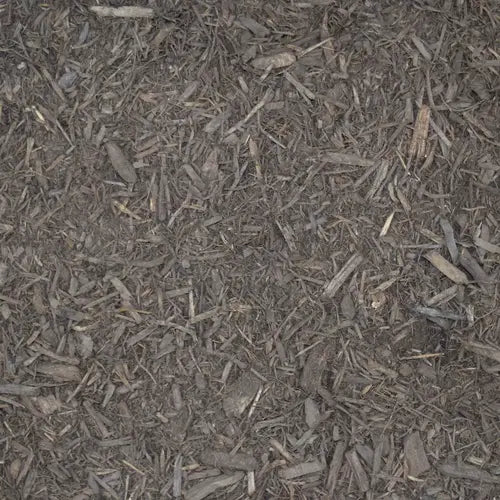
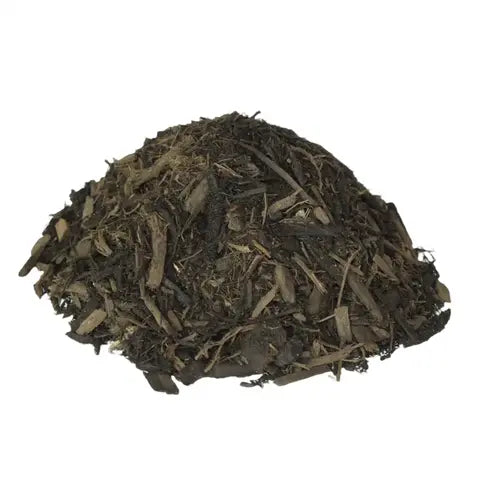
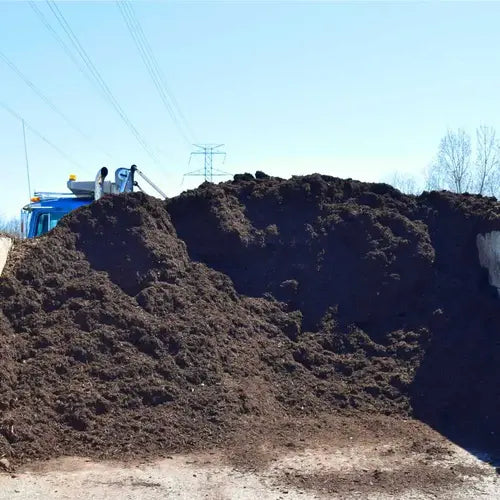
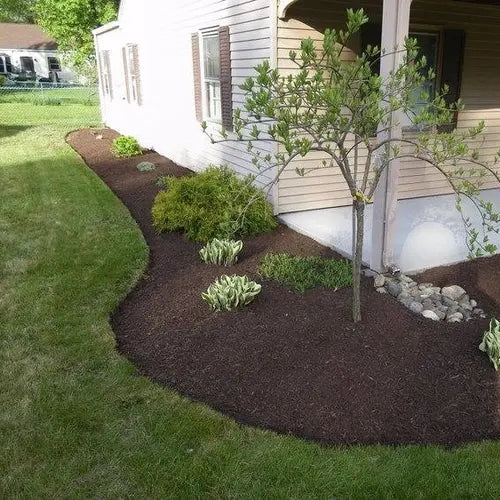
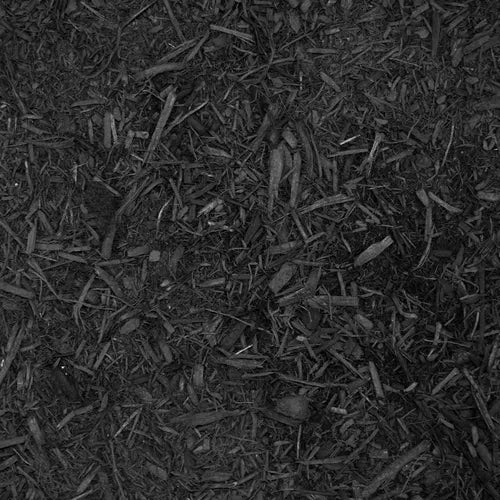
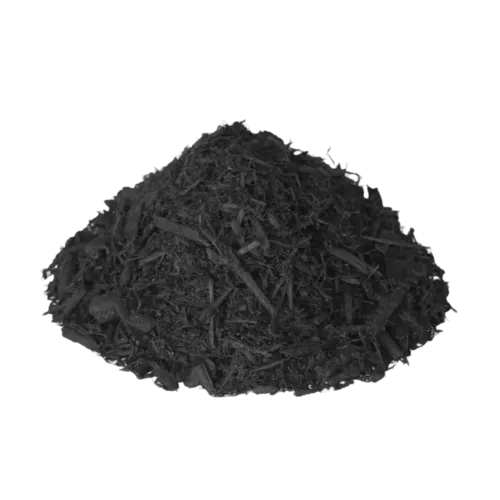
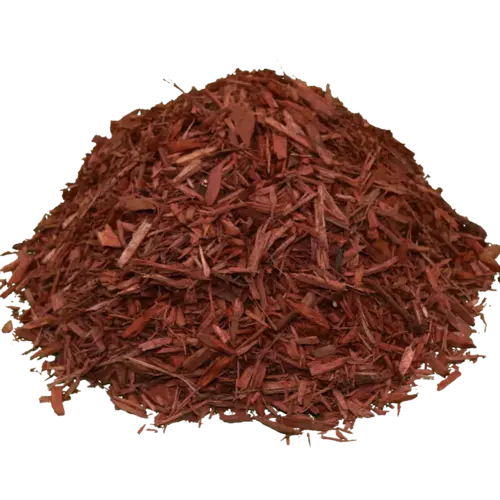
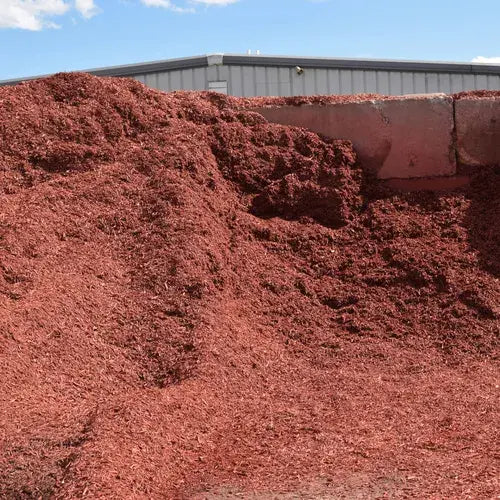
Warm brown double shredded mulch with lasting color that looks freshly applied for weeks. Spreads smooth, stays put, and gives beds a natural, polished appearance.
Mulch Mound delivered a yard of pea gravel to us. Delivery was on time, driver was friendly and hit a bullseye on the “tarp target”. We used the pea gravel (which was diameter as specified) to fill several muskrat holes around our pond. I would definitely recommend Mulch Mo...
Tell us what you're looking for
Thanks! We received your request.
Something went wrong. Please try again.
How Much Material Do I Need?
For most Jefferson planting beds over red clay, a depth of two to three inches provides adequate weed suppression and moisture retention without creating waterlogged conditions in the dense soil below.
Use our free mulch calculator
What is a yard?
A yard is approximately 27 cubic feet. As a general guideline, one yard of material can cover an area of about 100-160 square feet at a 2-3 inch depth.
We can't take orders for this right now. Tell us what you need and we'll get back to you.
What do you need?
Thanks! We received your request.
Something went wrong. Please try again.
Hand-picked local yards
4,000+ regional deliveries
Dedicated support
Why order through Mulch Mound
The best local mulch, without the guesswork.
We hand-pick and partner with the best yards in your region, keep only the ones our buyers rate well, and back each load with our guarantee.
Mulch Mound Guarantee
If your mulch isn't the quantity or quality you ordered, we'll make it right.
About this mulch
Warm brown double shredded mulch with lasting color that looks freshly applied for weeks. Spreads smooth, stays put, and gives beds a natural, polished appearance.
Mulch Mound delivered a yard of pea gravel to us. Delivery was on time, driver was friendly and hit a bullseye on the “tarp target”. We used the pea gravel (which was diameter as specified) to fill several muskrat holes around our pond. I would definitely recommend Mulch Mo...
How Much Material Do I Need?
For most Jefferson planting beds over red clay, a depth of two to three inches provides adequate weed suppression and moisture retention without creating waterlogged conditions in the dense soil below.
Use our free mulch calculator
What is a yard?
A yard is approximately 27 cubic feet. As a general guideline, one yard of material can cover an area of about 100-160 square feet at a 2-3 inch depth.
Mulch Mound delivered a yard of pea gravel to us. Delivery was on time, driver was friendly and hit a bullseye on the “tarp target”. We used the ...
Read full review
Mulch Mound delivered a yard of pea gravel to us. Delivery was on time, driver was friendly and hit a bullseye on the “tarp target”. We used the pea gravel (which was diameter as specified) to fill several muskrat holes around our pond. I would definitely recommend Mulch Mound to a friend!
I can’t say enough good things about Mulch Mound! If you read my review below you will see I had a problem with my order. Mulch Mou...
Read full review
UPDATE!
I can’t say enough good things about Mulch Mound! If you read my review below you will see I had a problem with my order. Mulch Mound was quick to respond and solved the issue with my delivery. Will definitely be a customer next year.
First time purchase from Mulch Mound!! First what I liked! Easy to order online and straight forward pricing and delivery. The driver was on time and courteous and delivered my Mulch exactly where I requested! The product is of good quality and comparable to others I have purchased from before. Now what I DID’NT LIKE! I have been mulching the same house and yard for almost 20 years. I always order the same amount and don’t have any issues with covering the same area but this year I fell about a yard short. I was home when the mulch was delivered and when the driver dumped it I noticed that it seemed a bit less than I was used to. I didn’t apply it any thicker than usual and probably a bit thinner than usual because I was worried about running out.
To estimate how much mulch you need for your Jefferson property, measure the length and width of each bed in feet and multiply to get square footage, then divide by 12 and multiply by the desired depth in inches. Jefferson's red clay tends to settle mulch faster than sandy soils do, so it is smart to round your estimate up by about 10 percent to account for that natural compaction over the first few weeks.
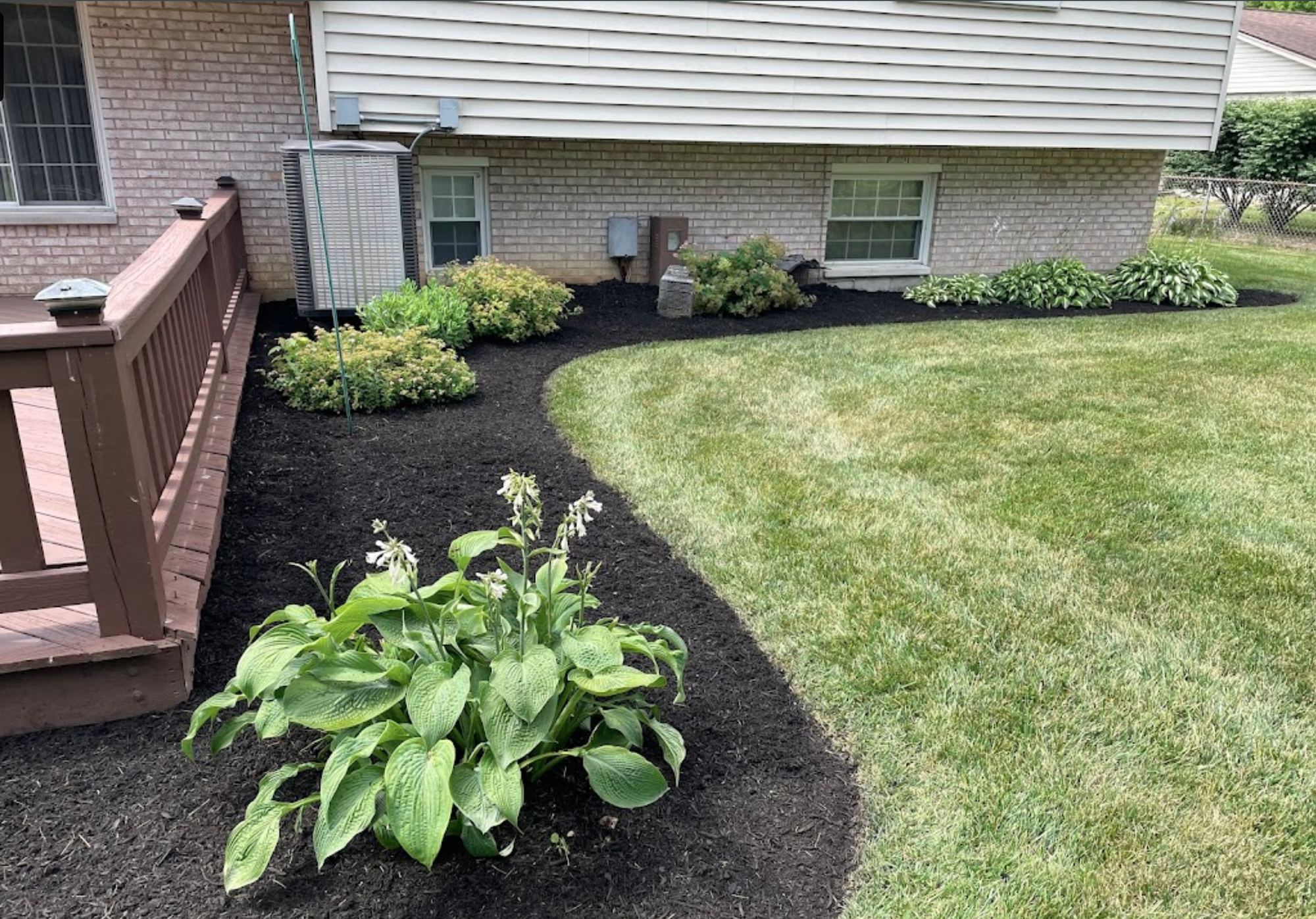
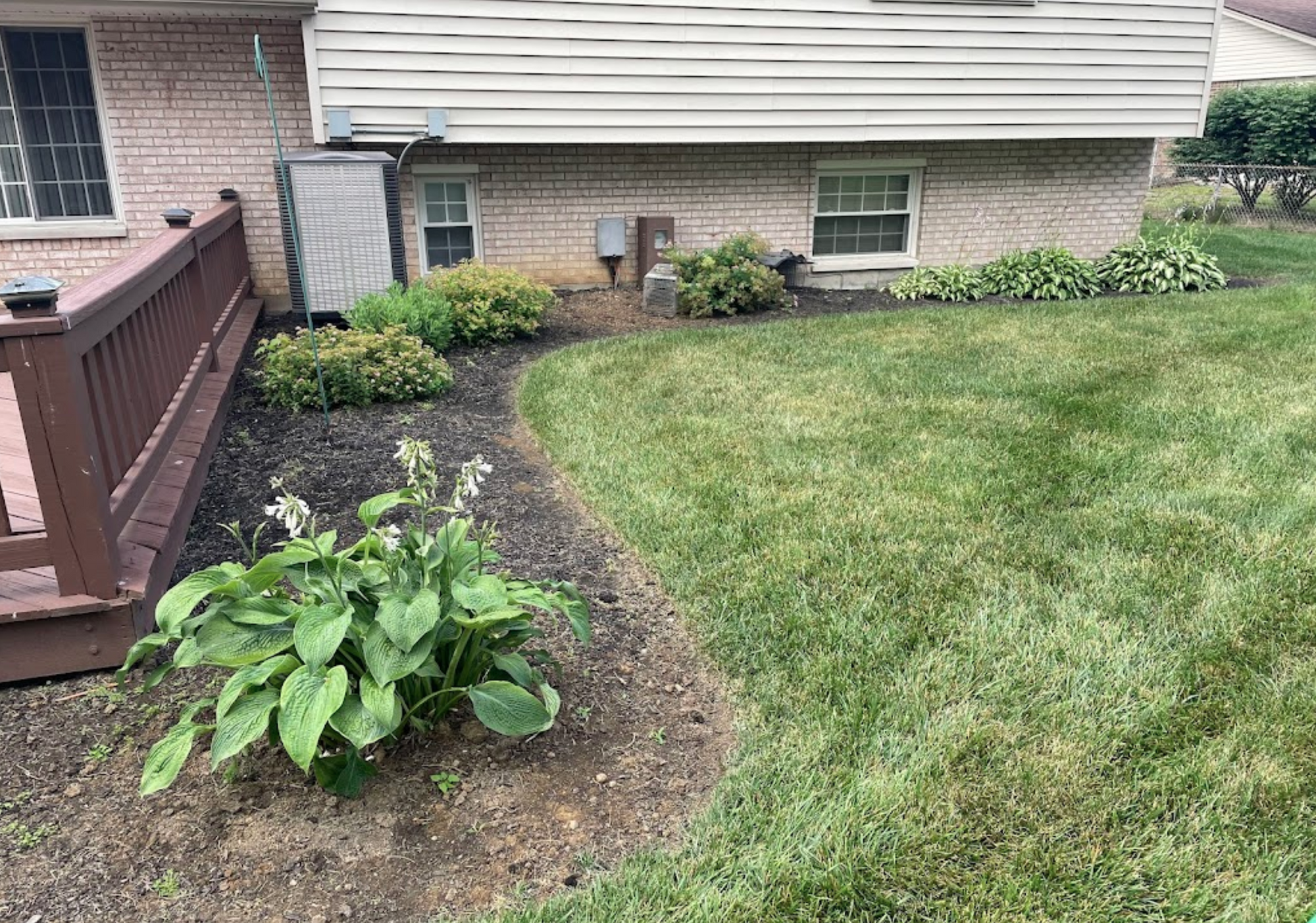
Mulch vs. No Mulch: The Difference
Jefferson's Zone 8a climate and nearly 49 inches of annual rainfall accelerate the breakdown of natural hardwood mulch, meaning you get faster soil conditioning for your red clay beds but may need to refresh depth more often. Dyed mulches break down at a similar rate underneath but hold visual color longer through Jefferson's wet springs and sunny summers. Choosing between the two comes down to whether you value the soil-building qualities of rapid decomposition or the curb appeal of long-lasting color.
Before
After
Best Mulch Choice for Jefferson Lawns
Most yards in the Jefferson area sit on Red Clay type of soil. Jefferson's red clay soil bakes hard in summer heat and repels water when dry, making it difficult for plant roots to establish and spread without some form of organic protection at the surface.
Hardwood Mulch
Hardwood mulch is particularly well suited for Jefferson's red clay beds because as it decomposes it contributes organic matter that gradually improves clay structure, increasing both drainage and the soil's ability to hold nutrients that red clay naturally struggles to retain.
Mulch Types We Deliver in Jefferson
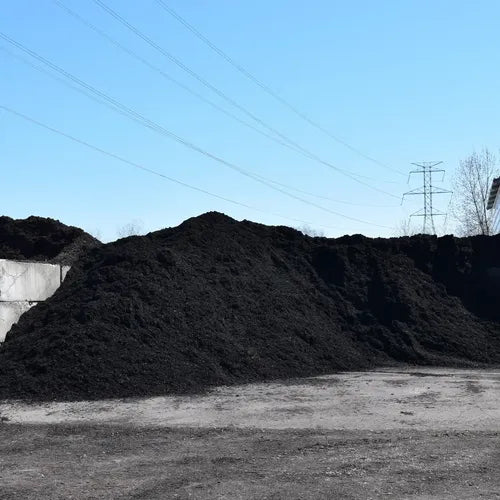
Whether you are refreshing flower beds or covering a full property, bulk mulch delivery in Jefferson puts cubic yards of quality material right at your door. Mulch Mound delivers directly to your address across Jackson County, skipping the bagged goods hassle and stretching your budget further. Each variety is available by the cubic yard to fit any project size.
Dyed Black Mulch
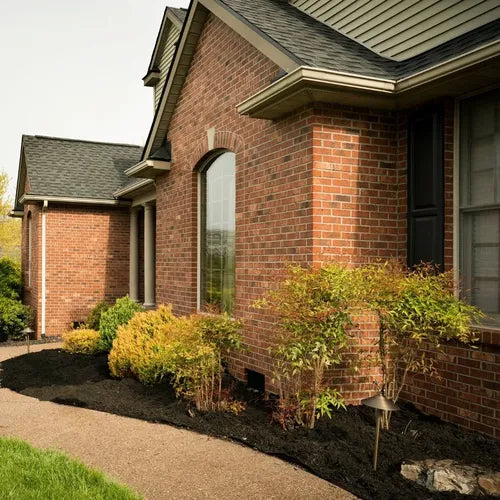
Bold double shredded black mulch that makes foundation plantings and ornamental beds stand out against Jefferson's red Georgia clay. The pigment holds through the region's warm, humid summers without fading fast. Works well around evergreens, boxwoods, and the mixed shrub borders common on Jackson County properties.
Dyed Brown Mulch
Warm double shredded brown mulch that blends naturally with the earthy tones of Georgia landscapes. The color reads freshly applied for weeks after installation, even through summer rain. A popular choice for homeowners who want polished beds with a natural, understated appearance.
Dyed Red Mulch
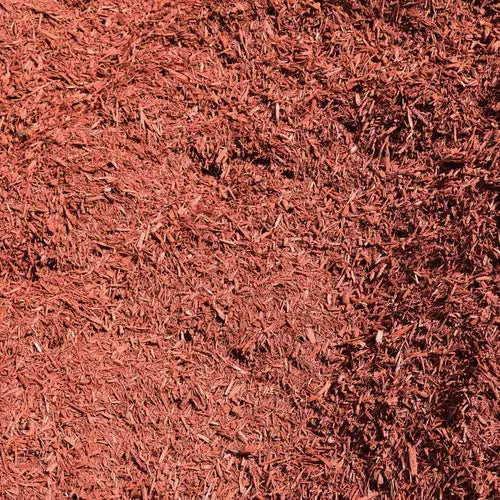
Vibrant double shredded red mulch that creates strong contrast against the lush green foliage of Georgia's humid growing season. The bold color holds well through warm months and pairs naturally with the brick and stone exteriors common on homes throughout this part of the state.
Natural Brown Mulch
Undyed double shredded mulch with a warm, earthy tone that comes straight from the wood itself. Well suited for garden beds and wooded borders where a natural, unprocessed look fits the surroundings. A solid option for larger coverage areas on properties with a more casual, rural feel.
Complete Your Outdoor Mulch Project
If your beds need building up before mulching, our bulk topsoil can loosen Jefferson's red clay and give roots a better growing medium, and our decorative stone works well as a border or edging to keep mulch contained during Jefferson's heavy spring rains.
Jefferson's red clay stays wet longer than most soil types after a heavy rain, and adding mulch on top of already-saturated ground can delay drying near plant crowns. Always check soil moisture before spreading a fresh layer. If the clay surface still feels slick and compacted from recent rain, give it a day or two to drain before applying mulch so you do not seal in excessive moisture against the root zone.
Mulch Mound Pro Tip
Jefferson sits at 814 feet of elevation, which means nighttime temperatures can drop a few degrees faster than lower-lying areas in the region. Before Jefferson's first frost on or around November 15, pull mulch a couple of inches away from the base of cold-sensitive shrubs rather than mounding it against the trunk. That air gap prevents the crown from staying too wet and cold during freeze events while still letting the surrounding mulch protect the broader root zone.
Mulch Mound Pro Tip
With 49 inches of annual rainfall spread across Jefferson's growing season, weed seeds get plenty of moisture to germinate even through a mulch layer. Applying a thin layer of newspaper or plain cardboard directly on the soil surface before spreading hardwood mulch creates a physical barrier that dramatically reduces weed emergence without harming earthworm activity below. This technique is especially effective in Jefferson's red clay beds where hand-weeding is difficult because clay grips weed roots tightly.
Frequently Asked Questions
Click a question to see the answer
Answer
How thick should I apply mulch over Jefferson's red clay soil?
Two to three inches is the sweet spot for most Jefferson beds. Red clay compacts hard when exposed, so you want enough mulch to shield the surface from rain impact and foot traffic, but not so much that water cannot percolate through at all. Going beyond four inches over clay can trap excess moisture near the crown of plants during Jefferson's wetter months and encourage rot.
Answer
Will mulch help with the drainage problems I have in my backyard because of the clay?
Mulch alone will not fix a drainage problem rooted in Jefferson's underlying clay layer, but it does help at the surface level. As natural hardwood mulch breaks down over a season or two, it adds organic matter that gradually loosens the top few inches of red clay. For serious standing water issues, pairing mulch with a topsoil amendment or a stone drainage channel will get you further faster.
Answer
When is the best time to apply fresh mulch in Jefferson?
Late March into early April is ideal for Jefferson gardens. Once the last frost around March 25 has passed, you can mulch beds without trapping cold air against new growth. Applying at that time also gets ahead of the spring weed flush that red clay yards are prone to once the ground warms. A second lighter refresh in October, before the November 15 first frost, helps insulate roots through the winter.
Answer
Does the heavy rainfall in Jefferson wash mulch out of my beds?
Jefferson's 49 inches of annual rainfall can shift lightweight mulch, especially on sloped beds. Hardwood bark mulch tends to knit together better than fine shredded varieties and resists movement more effectively. If your beds sit on any grade at all, consider a slightly deeper application on the uphill edge and use a simple edging border to keep material in place during heavy spring downpours.
Answer
How often do I need to replace my mulch in Jefferson's climate?
In Zone 8a with Jefferson's warm summers and adequate moisture, natural hardwood mulch typically breaks down within 12 to 18 months. You do not always need a full replacement. Often a one to two inch topdress in spring is enough to restore depth and color. Dyed mulches hold their appearance longer but still decompose underneath, so checking depth each spring before the growing season ramps up is a good habit.
Answer
Is dyed mulch safe for my vegetable garden beds in Jefferson?
Most dyed mulches sold today use iron oxide or carbon-based colorants that are considered low risk, but for edible garden beds in Jefferson it is still a good practice to use natural undyed hardwood or pine bark mulch instead. The organic breakdown of natural mulch also adds modest nutrients to Jefferson's nutrient-poor red clay over time, which is a bonus for vegetable growing.
Answer
Will mulch help keep my soil cooler during Jefferson's hot summers?
Absolutely. Jefferson summers regularly push into the upper 80s and low 90s, and bare red clay absorbs and radiates heat that stresses shallow plant roots. A consistent two to three inch mulch layer can lower soil surface temperatures by 10 degrees or more on peak summer days, which makes a noticeable difference in how well moisture-sensitive plants like azaleas and hydrangeas perform through the season.
The Unique Landscape of Jefferson
Jefferson's dense red clay soil repels water rather than absorbing it, leaving plant roots either waterlogged after heavy rains or parched during dry spells between storms. A proper mulch layer creates a buffer zone between that unforgiving clay and the root systems of your shrubs, trees, and perennials. With nearly 49 inches of rain falling across the year, bare soil in Jefferson erodes quickly and loses topsoil that clay-heavy ground can scarcely afford to give up. Mulch also moderates soil temperature swings that come with Zone 8a winters, protecting roots through the stretch between Jefferson's first frost around November 15 and the last frost near March 25. Keeping beds mulched year-round reduces the compaction that Jefferson's clay is notorious for, making it easier for roots to penetrate and spread.