




Very happy with the ease of ordering. Delivery went exactly as planned. Garden soil looks great and couldn’t be happier.
About this soil
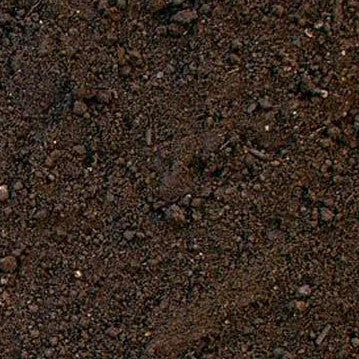
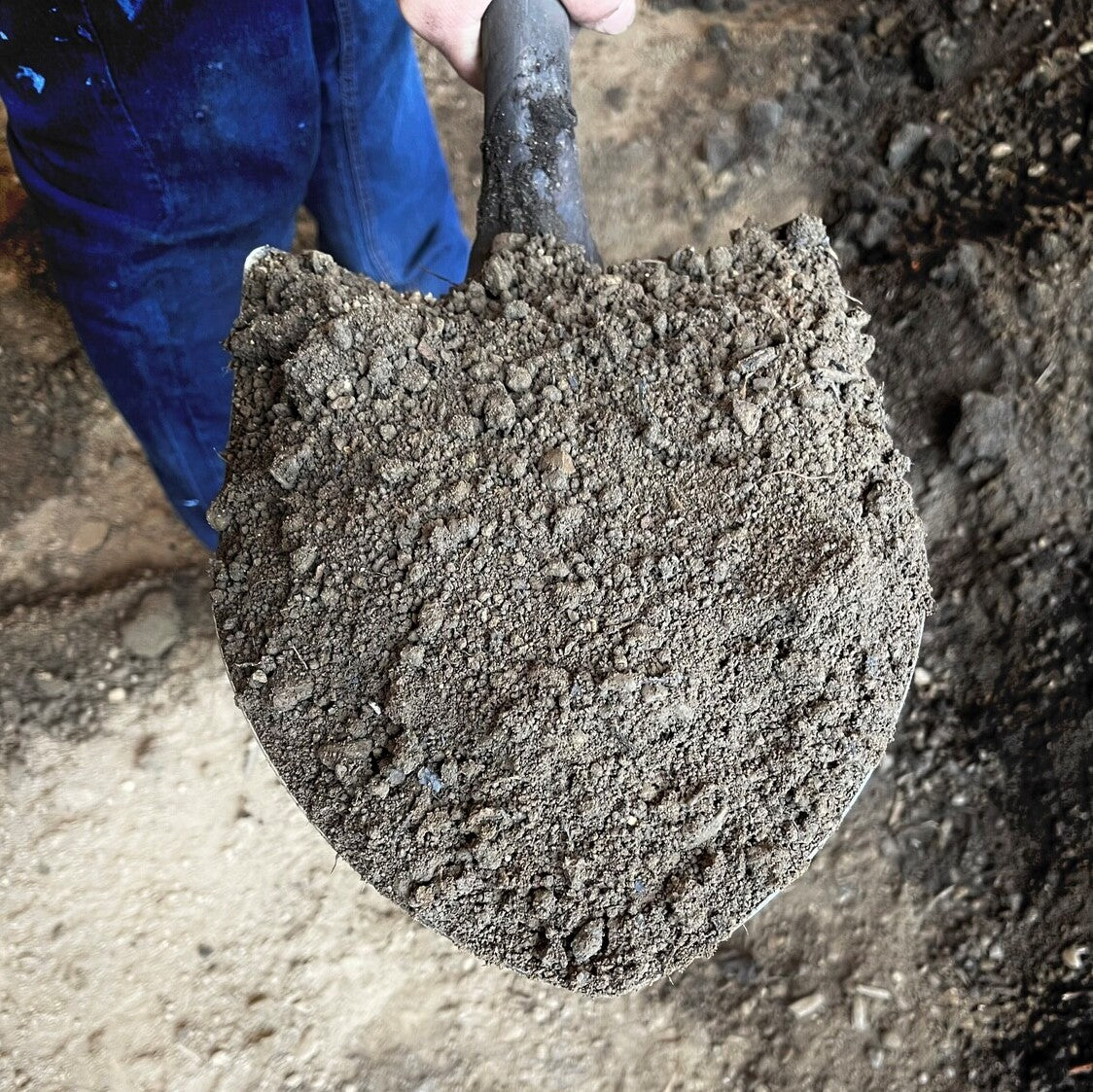
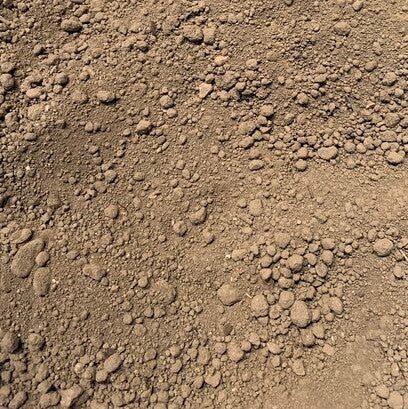
Dark, nutrient dense black topsoil with rich organic content. The deep color signals high fertility. Your plants will notice the difference immediately.
Very happy with the ease of ordering. Delivery went exactly as planned. Garden soil looks great and couldn’t be happier.
Tell us what you're looking for
Thanks! We received your request.
Something went wrong. Please try again.
How Much Material Do I Need?
How Much Material Do I Need?
For lawn leveling over Jefferson's red clay, one to two inches of topsoil spread evenly across the area is typically sufficient, while new garden beds and raised planting areas benefit from a minimum of six to eight inches of quality soil above the native clay surface.
Use our free soil calculator
What is a yard?
What is a yard?
FAQs
FAQs
Jefferson Soil Delivery
Jefferson Soil Delivery
Regular price
$37.00
per
yard
Regular price
Sale price
$37.00
Unit price
per
Shipping calculated at checkout.
Minimum of 4 yard
Couldn't load pickup availability
Not currently available
We can't take orders for this right now. Tell us what you need and we'll get back to you.
Hand-picked local yards
4,000+ regional deliveries
Dedicated support
Why order through Mulch Mound
The best local soil, without the guesswork.
We hand-pick and partner with the best yards in your region, keep only the ones our buyers rate well, and back each load with our guarantee.
Mulch Mound Guarantee
If your soil isn't the quantity or quality you ordered, we'll make it right.
About this soil
Dark, nutrient dense black topsoil with rich organic content. The deep color signals high fertility. Your plants will notice the difference immediately.
Very happy with the ease of ordering. Delivery went exactly as planned. Garden soil looks great and couldn’t be happier.
How Much Material Do I Need?
How Much Material Do I Need?
For lawn leveling over Jefferson's red clay, one to two inches of topsoil spread evenly across the area is typically sufficient, while new garden beds and raised planting areas benefit from a minimum of six to eight inches of quality soil above the native clay surface.
Use our free soil calculator
What is a yard?
What is a yard?
FAQs
FAQs
Tell us what you're looking for
Thanks! We received your request.
Something went wrong. Please try again.
How It Works
Getting started is easy — just follow these simple steps
1
Choose your soil
Make sure you adjust the quantity to your home's needs. You can use our calculator to estimate how much you'll need.
2
Select your delivery date
Select a delivery date you'd like for the product to be dropped off at your home
3
Sit back and wait
Sit back, wait, and let us work our magic to make sure the highest quality product is delivered to your driveway.

Really appreciate the care and follow thru that this company had with our order. A hiccup came up but they were quick to respond and address all co...
Read full review
Really appreciate the care and follow thru that this company had with our order. A hiccup came up but they were quick to respond and address all concerns, which made our garden day a success! Thank you for your prompt care.

Highest compliments. Great driver.
Website is easy to navigate. Just a seamless process. 5 stars!!
Need Help Calculating How Much Soil You Need?
Use our NEW Trace from Satellite tool to get an estimate for your project based on an aerial view of your property
Try Our CalculatorMeasure your project area in feet and multiply length by width to get square footage, then decide on your fill depth in inches. Divide the square footage by 12 and multiply by the desired depth to get cubic feet, then divide by 27 to convert to cubic yards. For raised beds in Jefferson, plan for at least eight to twelve inches of total depth since red clay below will not contribute meaningfully to root growth.
Soil Types We Deliver in Jefferson
Jefferson yards often sit on top of dense red clay that resists roots and sheds water rather than absorbing it. Ordering bulk topsoil by the yard in Jefferson is one of the most practical ways to build a productive growing layer above that native clay. We deliver by the cubic yard so you get exactly what your lawn, garden, or landscaping project needs.
Top Soil Black
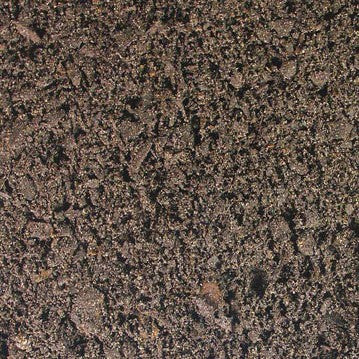
This dark, nutrient-dense topsoil is packed with organic content and is ideal for lawns, garden beds, and new planting areas. The deep color signals high fertility, and plants tend to respond quickly once it is worked in. It suits Jefferson yards where the underlying red clay leaves the existing soil thin and nutrient poor.
Gardening Blend
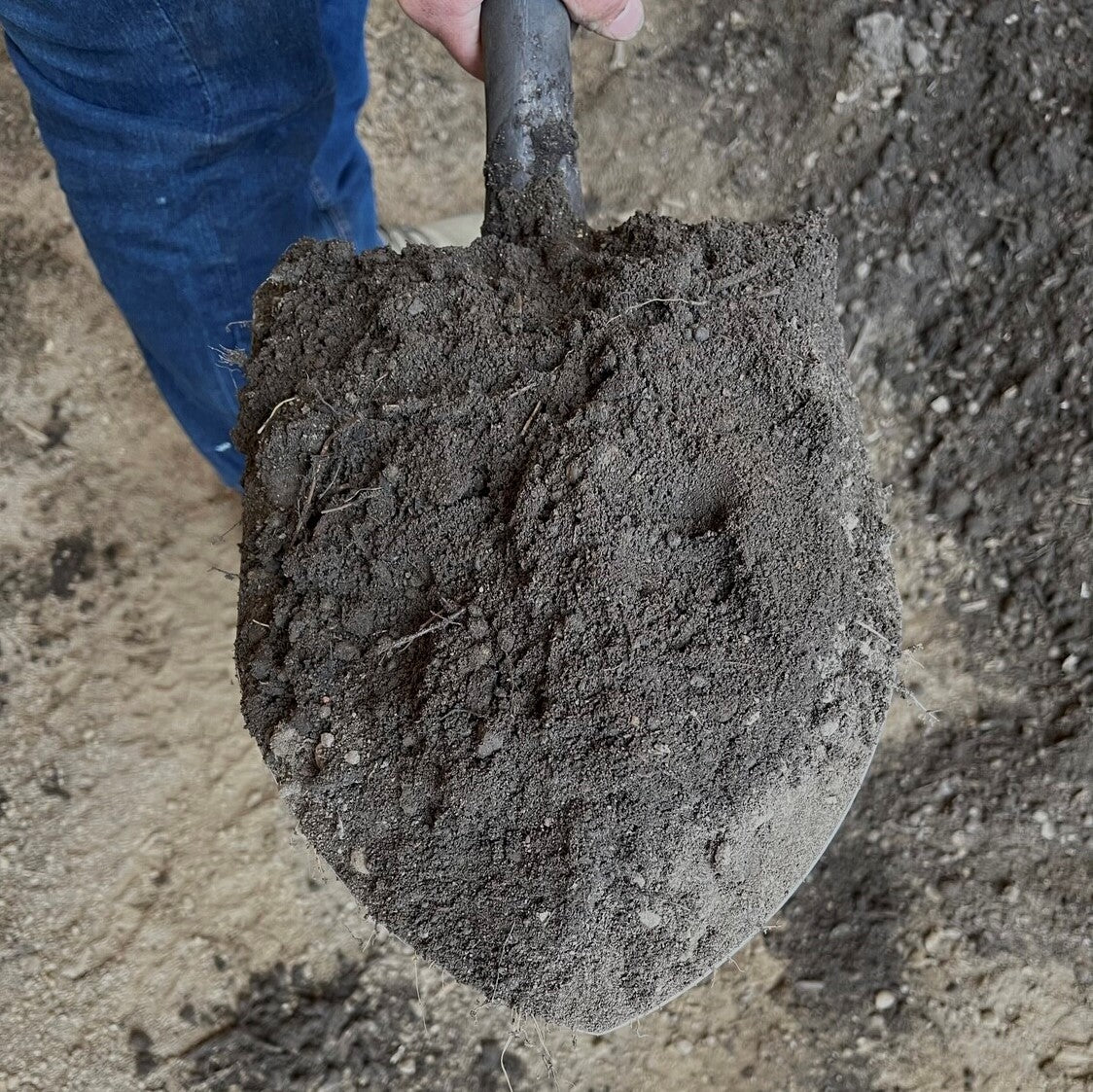
Blended from topsoil and organic amendments, this mix goes straight into raised beds, flower gardens, and new planting areas without extra prep. It drains well through Jefferson's humid summers, holds nutrients across the growing season, and is easy to work with even in smaller or tighter garden spaces.
Complete Your Outdoor Soil Project
After grading with topsoil, finishing Jefferson beds with a layer of hardwood mulch locks in moisture and prevents the surface from crusting over in summer heat, and adding a stone border or pathway helps define spaces and keeps soil from washing into neighboring areas during heavy rains.


Service area
Areas we deliver soil in Jefferson, Georgia
Mulch Mound Pro Tip
Jefferson's red clay swells when wet and shrinks when dry, which can cause freshly placed topsoil to shift and settle unevenly over the first season. After a grading or filling project, plan on a light topdress with additional soil the following spring to correct any low spots that developed over the winter. This is especially common in areas where topsoil was placed in late fall before Jefferson's November 15 first frost and did not have time to settle naturally before the ground cooled.
Mulch Mound Pro Tip
If you are building a raised vegetable garden in Jefferson, resist the urge to use 100 percent compost as your growing medium. Pure compost compacts dramatically as it breaks down and can become hydrophobic during dry stretches. A blend of about 60 percent quality topsoil and 40 percent compost gives Jefferson raised beds structure, drainage, and nutrient content that holds up well across the long Zone 8a growing season from late March through mid-November.
Mulch Mound Pro Tip
Jefferson's elevation of 814 feet means soil temperatures in spring rise a little more slowly than in the warmer valley floors of northeast Georgia. Before seeding or transplanting into freshly placed topsoil, use an inexpensive soil thermometer to confirm the ground has reached at least 55 degrees for cool-season grass or 65 degrees for warm-season varieties. Planting into cold soil in Jefferson delays germination and leaves seed vulnerable to fungal issues encouraged by lingering cool moisture in the clay below.
The Unique Landscape of Jefferson
Jefferson's native red clay is dense, slow-draining, and low in the organic matter that most garden plants and turf grasses need to thrive. Whether you are leveling a lawn damaged by erosion on Jefferson's rolling terrain, building raised vegetable beds that sidestep the clay entirely, or establishing a new planting area from scratch, bringing in quality topsoil is often the most direct path to results. The clay subsoil common across this part of Jackson County compacts under foot traffic and equipment, creating a hardpan layer that roots struggle to penetrate. Quality blended topsoil placed above that hardpan gives grass seed and transplants a hospitable growing medium from day one. Jefferson's long growing window, from the last frost around March 25 through the first frost near November 15, means your soil investment pays off across a genuinely extended season.