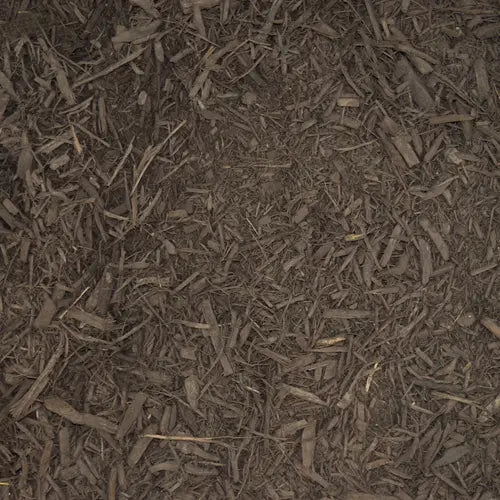
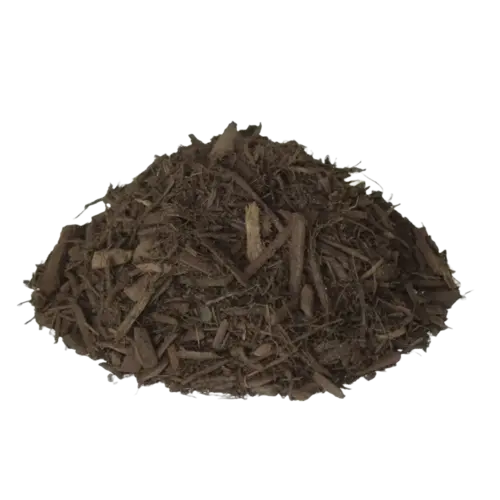
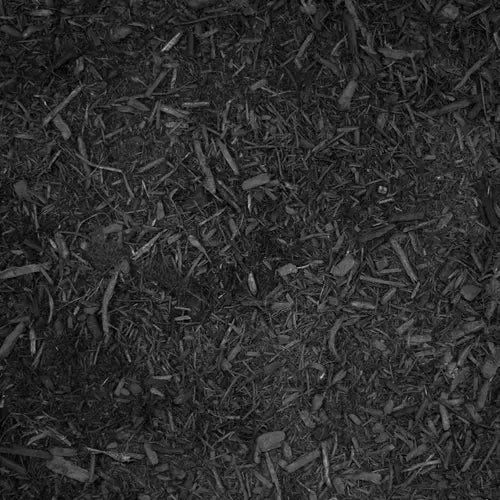
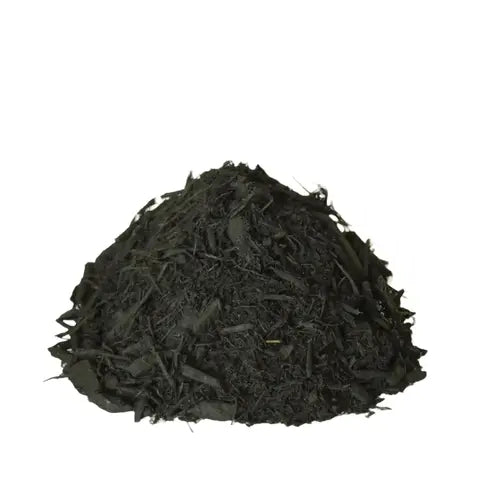
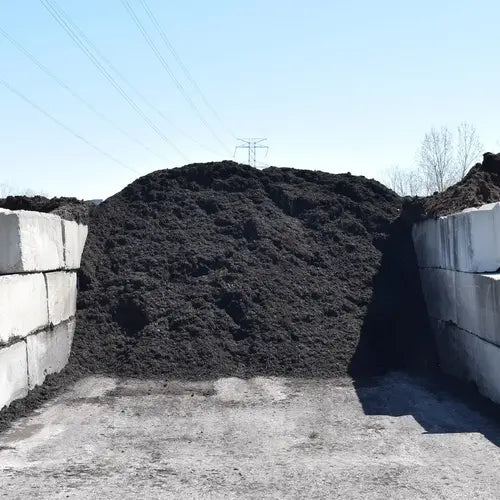
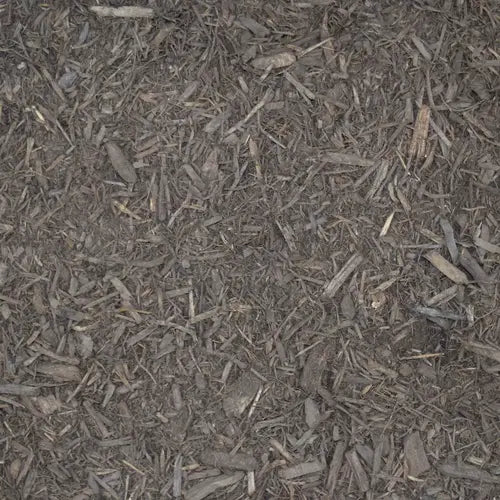
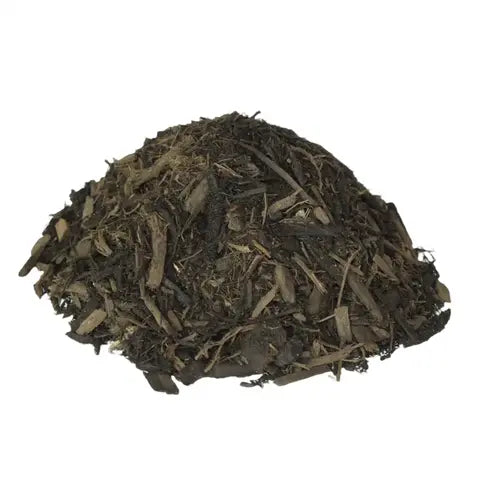
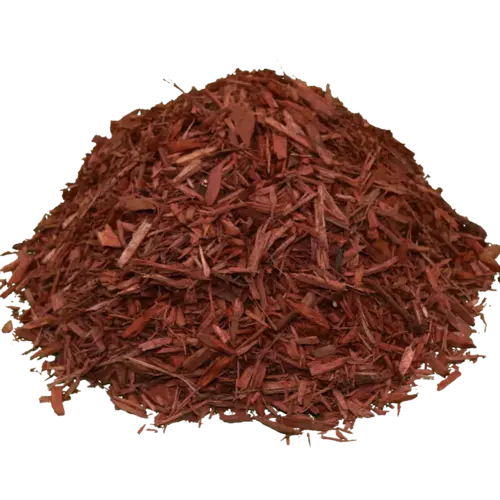
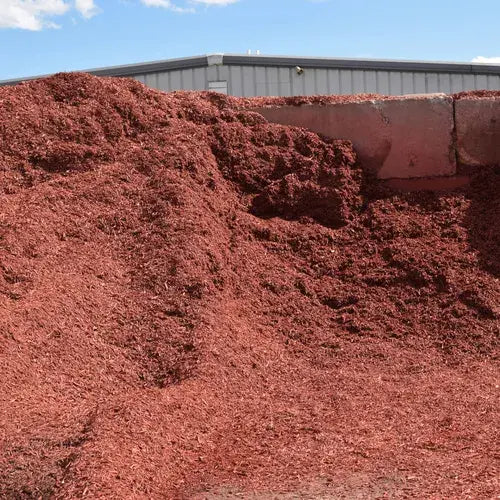
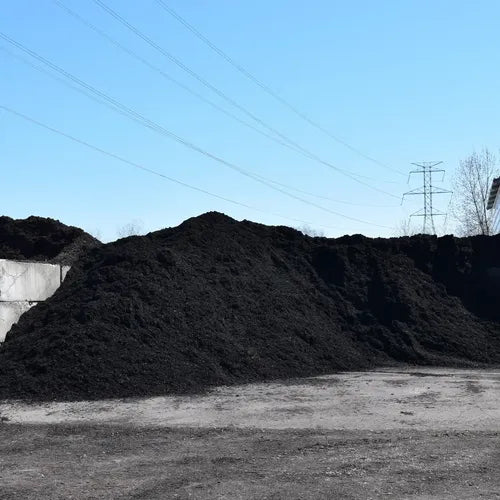
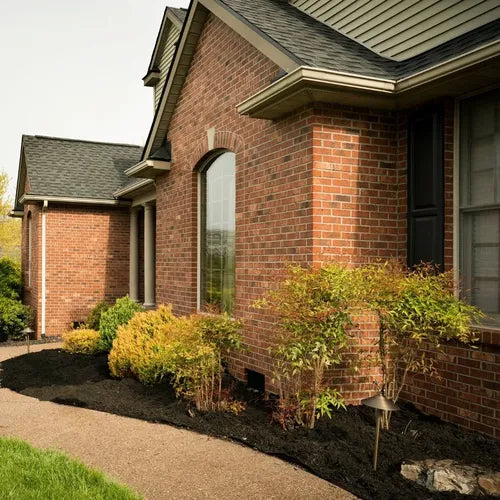
Warm brown double shredded mulch with lasting color that looks freshly applied for weeks. Spreads smooth, stays put, and gives beds a natural, polished appearance.
I highly recommend Mulch Mound. The quality of the mulch is very good. The ordering system on their website makes it very easy. The delivery driver did a great job placing the mulch on the driveway. To finish off, the pricing was very reasonable as well.
Tell us what you're looking for
Thanks! We received your request.
Something went wrong. Please try again.
How Much Material Do I Need?
For Jeffersonville's silt clay beds, 3 inches of mulch is the recommended starting depth, as this is enough to suppress weeds and retain moisture without smothering the already slow-draining soil. A single cubic yard covers roughly 108 square feet at that depth.
Use our free mulch calculator
What is a yard?
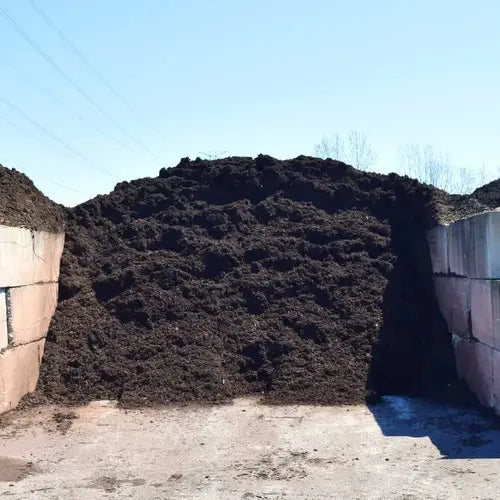
A yard is approximately 27 cubic feet. As a general guideline, one yard of material can cover an area of about 100-160 square feet at a 2-3 inch depth.
We can't take orders for this right now. Tell us what you need and we'll get back to you.
What do you need?
Thanks! We received your request.
Something went wrong. Please try again.
Hand-picked local yards
4,000+ regional deliveries
Dedicated support
Why order through Mulch Mound
The best local mulch, without the guesswork.
We hand-pick and partner with the best yards in your region, keep only the ones our buyers rate well, and back each load with our guarantee.
Mulch Mound Guarantee
If your mulch isn't the quantity or quality you ordered, we'll make it right.
About this mulch
Warm brown double shredded mulch with lasting color that looks freshly applied for weeks. Spreads smooth, stays put, and gives beds a natural, polished appearance.
I highly recommend Mulch Mound. The quality of the mulch is very good. The ordering system on their website makes it very easy. The delivery driver did a great job placing the mulch on the driveway. To finish off, the pricing was very reasonable as well.
How Much Material Do I Need?
For Jeffersonville's silt clay beds, 3 inches of mulch is the recommended starting depth, as this is enough to suppress weeds and retain moisture without smothering the already slow-draining soil. A single cubic yard covers roughly 108 square feet at that depth.
Use our free mulch calculator
What is a yard?
A yard is approximately 27 cubic feet. As a general guideline, one yard of material can cover an area of about 100-160 square feet at a 2-3 inch depth.
I highly recommend Mulch Mound. The quality of the mulch is very good. The ordering system on their website makes it very easy. The delivery driver...
Read full review
I highly recommend Mulch Mound. The quality of the mulch is very good. The ordering system on their website makes it very easy. The delivery driver did a great job placing the mulch on the driveway. To finish off, the pricing was very reasonable as well.
They offered a quick turnaround and delivered high quality mulch at a reasonable price. They also dropped it off exactly where I told them to put i...
Read full review
They offered a quick turnaround and delivered high quality mulch at a reasonable price. They also dropped it off exactly where I told them to put it. Good service!
To estimate how many cubic yards you need, measure the length and width of each bed in feet, multiply by your desired depth in feet, then divide by 27. Jeffersonville beds typically need 3 inches of depth to handle the area's rainfall and weed pressure effectively. Adding 10 percent to your total accounts for settling and the uneven spreading that silt clay surfaces sometimes require.
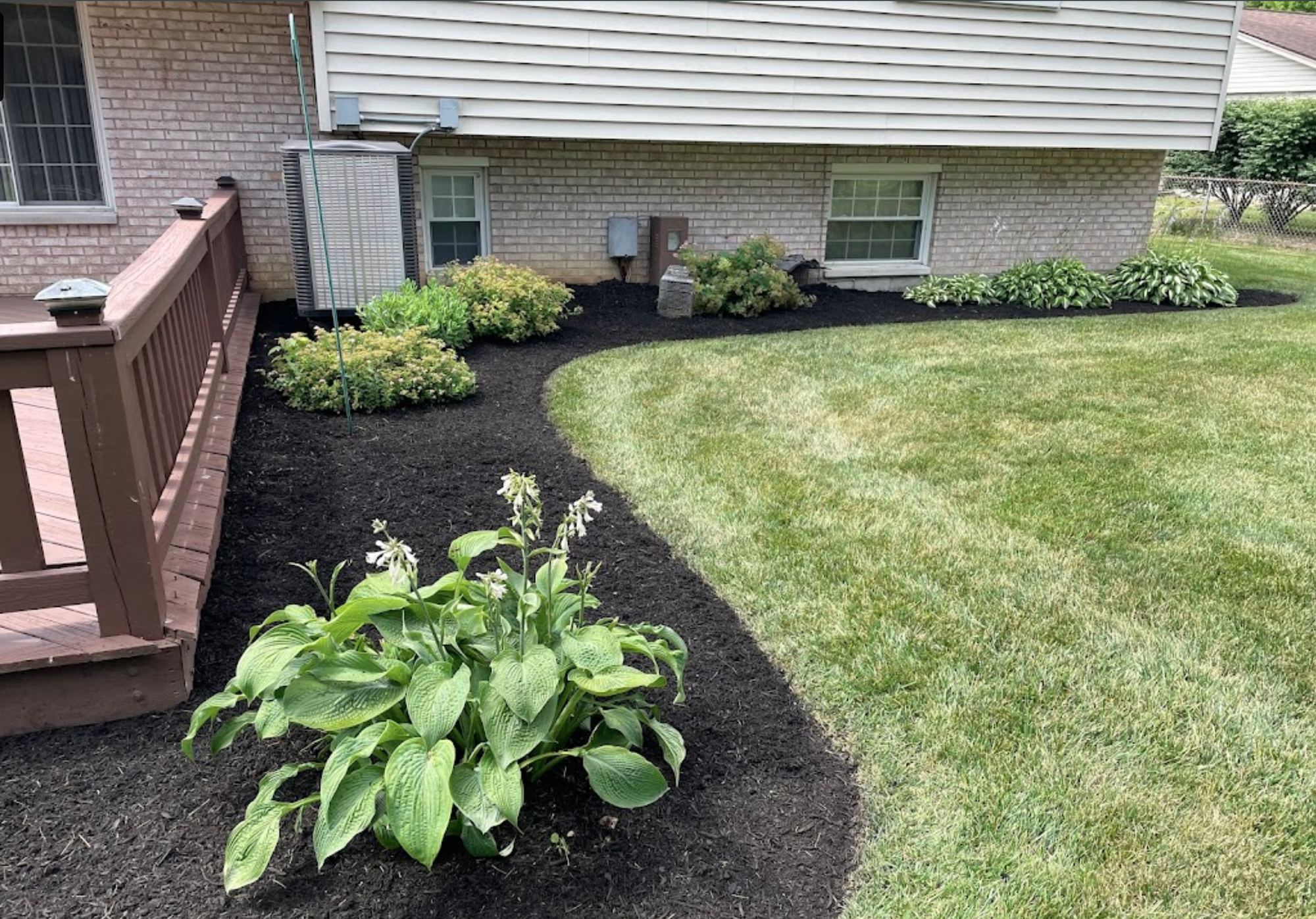
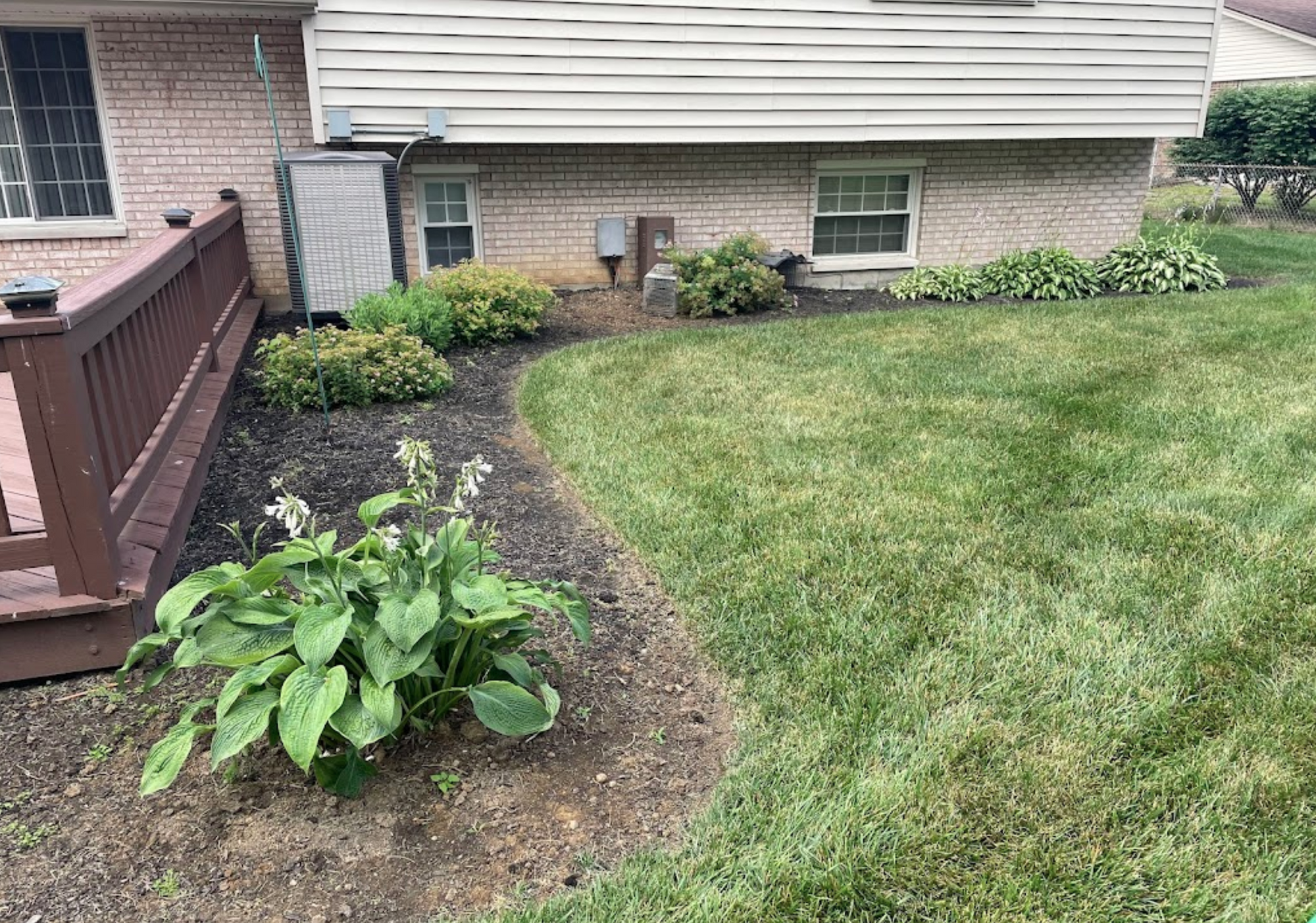
Mulch vs. No Mulch: The Difference
Jeffersonville's combination of warm, humid summers and 45 inches of annual rainfall means organic mulches break down noticeably faster here than in cooler or drier climates, sometimes losing significant volume within a single growing season. Natural hardwood mulches decompose into the silt clay soil and gradually improve its structure, which is a meaningful long-term benefit given how compaction-prone this soil type is. Dyed mulches are processed to decompose more slowly, which helps them maintain volume and color through the wet season, but they contribute less organic matter to the underlying soil over time.
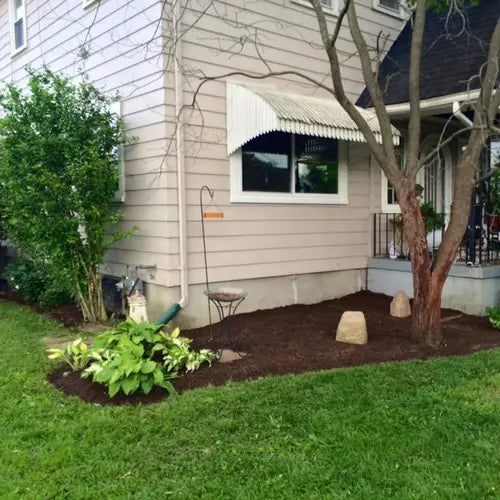
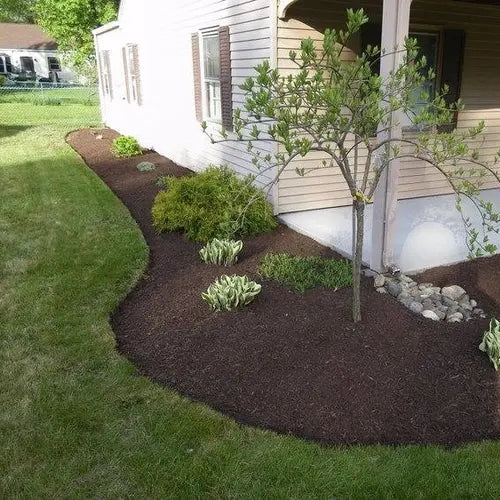
Before
After
Best Mulch Choice for Jeffersonville Lawns
Most yards in the Jeffersonville area sit on Silt Clay type of soil. Jeffersonville's silt clay soil compacts easily and drains poorly, which creates waterlogged conditions in plant beds after heavy rain events and makes it difficult for roots to spread laterally through the soil profile. Mulch acts as a physical barrier that absorbs the direct impact of rainfall on the soil surface, reducing the compaction that bare silt clay suffers with every storm.
Hardwood Mulch
Hardwood mulch is particularly well suited for Jeffersonville's silt clay beds because as it decomposes it releases organic compounds that bind with clay particles and improve soil aggregation over multiple seasons. This slow structural improvement loosens the soil, encourages beneficial microbial activity, and gradually increases the silt clay's ability to drain and support healthy root growth without requiring costly chemical amendments.
Mulch Types We Deliver in Jeffersonville
Mulch Mound offers bulk mulch delivery in Jeffersonville, bringing fresh material by the cubic yard straight to your property. Whether you are refreshing a single flower bed or tackling a full yard renovation, skipping the bag haul makes the job faster and easier. We carry a selection of varieties suited to the landscapes and soil conditions common in southern Indiana.
Dyed Black Mulch
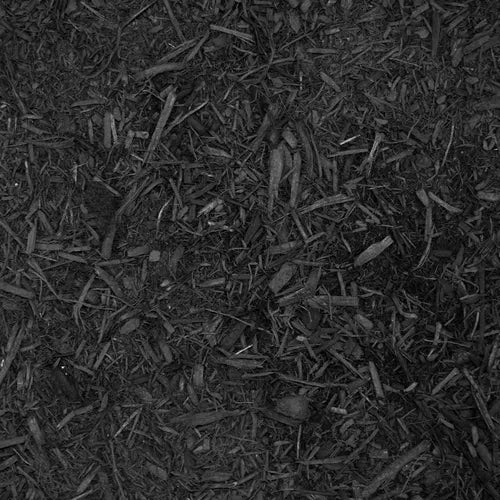
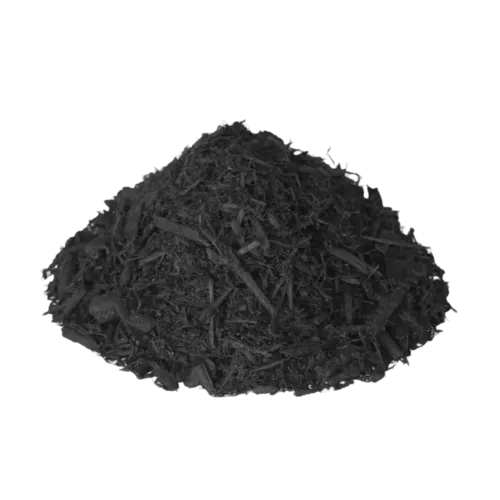
Double shredded and dyed a bold, rich black, this mulch makes flower beds and borders stand out against the green lawns common across southern Indiana. The color holds through hot, humid summers and steady spring rains, and the fine texture spreads evenly over clay heavy soil.
Dyed Brown Mulch
Warm and earthy, this double shredded brown mulch complements the brick and craftsman style homes common throughout the area. The dye holds strong through hot southern Indiana summers, the smooth texture is easy to rake and shape, and beds stay looking polished well into fall.
Natural Brown Mulch
Undyed and double shredded, this mulch earns its warm brown color from the wood itself, making it a great fit for gardeners who prefer a fully natural look. It performs well in the region's clay soil, helping to retain moisture through Indiana's dry midsummer stretches.
Cedar Mulch
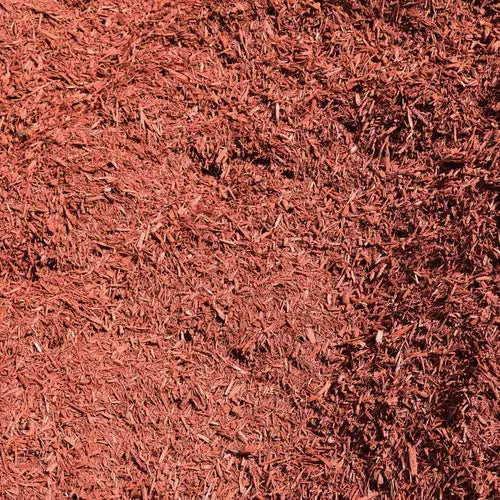
Double shredded cedar mulch brings a clean, woodsy scent and natural insect resistance that makes it popular around vegetable gardens and foundation plantings. The warm reddish tone fades gradually to a soft gray, and it holds up well through the wet spring conditions common in this part of Indiana.
Complete Your Outdoor Mulch Project
If your beds need a nutrient boost before mulching, consider adding a layer of quality topsoil or garden soil to improve the silt clay's structure first. Decorative stone works well as a border accent or as a low-maintenance alternative in areas near your foundation where Jeffersonville's rainfall makes organic mulch a persistent moisture risk.
Jeffersonville's silt clay soil tends to form a surface crust after repeated rain events, which causes water to sheet off beds rather than absorb. Before spreading mulch, loosen the top inch of soil with a rake or cultivator and work in a small amount of compost. This breaks the crust, improves initial water infiltration, and gives the mulch a better surface to bond with as it settles through the spring rain season.
Mulch Mound Pro Tip
Timing your mulch application relative to Jeffersonville's frost calendar matters more than most homeowners realize. Applying too early in March, before the soil has fully warmed past the last frost cycle, can lock cold temperatures into the ground and delay plant root activity. Wait until after April 20 to give soil temperatures a chance to rise, then mulch promptly to hold that warmth through the variable weather of late spring.
Mulch Mound Pro Tip
With 45 inches of annual rainfall hitting Jeffersonville each year, weed seeds constantly arrive in beds via water movement and wind off the Ohio River floodplain. A consistent 3-inch mulch layer is your most cost-effective defense, but it works best when applied over bare, weeded soil rather than over existing weed growth. Pulling weeds before mulching rather than burying them prevents the moisture-rich environment under the mulch from accelerating their regrowth through the rainy season.
Frequently Asked Questions
Click a question to see the answer
Answer
How much mulch do I need for my Jeffersonville yard given all the rain we get?
With 45 inches of annual rainfall in Jeffersonville, mulch breaks down faster than in drier climates, so plan to apply 3 inches in most beds and refresh at least once a year. In shaded areas under tree canopies you may get away with a lighter refresh, but sunny beds exposed to direct summer rain should be topped off by mid-season to maintain effective weed suppression.
Answer
Will mulch help with the backyard flooding I get after heavy rains?
Mulch will not solve serious drainage problems caused by Jeffersonville's silt clay soil, but it does slow runoff significantly on sloped beds and around foundation plantings. For low spots that pool water after storms, pairing mulch with a French drain or grading correction will give you better long-term results than mulch alone.
Answer
When is the best time to put down fresh mulch in Jeffersonville?
The ideal window is after the last frost, which typically falls around April 20 in Jeffersonville, and before the summer heat sets in. Applying mulch in late April or early May traps spring soil moisture, suppresses early weed germination, and gives plants a stable root environment heading into the hot, humid Ohio River valley summers.
Answer
Does colored mulch hold up in our hot, humid summers here in Jeffersonville?
Dyed mulches hold their color reasonably well through Jeffersonville's wet springs, but the intense summer sun and humidity can fade them by late July or August. If curb appeal matters, a mid-season touch-up or switching to a naturally dark hardwood mulch that weathers gracefully is a practical choice for most homeowners in this area.
Answer
Is it okay to mulch right up against my house foundation?
In Jeffersonville's wet climate, you should keep mulch at least 6 inches away from your foundation walls. The combination of 45 inches of annual rainfall and silt clay soil that holds moisture means constant dampness against a foundation invites termites and wood rot, so a small stone border near the house with mulch placed further out is a safer layout.
Answer
What happens to mulch over winter in zone 6b, does it do anything useful?
Mulch in Jeffersonville's zone 6b winters acts as insulation for plant roots, which is valuable when temperatures drop below freezing between October 12 and April 20. The freeze-thaw cycles common here can heave shallow roots, and a 3-inch mulch layer moderates those temperature swings enough to reduce plant stress significantly heading into spring.
Answer
Should I remove old mulch before adding a new layer?
In most Jeffersonville beds you do not need to remove old mulch unless it has compacted into a dense mat that repels water. Because silt clay already drains slowly, a hard mulch mat on top can worsen drainage, so fluff or rake existing mulch before adding a fresh layer and keep total depth under 4 inches to avoid smothering roots.
The Unique Landscape of Jeffersonville
Jeffersonville's silt clay soil is naturally dense and slow to drain, which creates wet, compacted conditions in plant beds after the area's frequent spring rains. A proper layer of mulch acts as a buffer between rainfall and the soil surface, slowing water absorption and preventing the surface crusting that silt clay is notorious for. With 45 inches of annual rainfall and humid summers along the Ohio River corridor, uncovered beds lose moisture unevenly and grow weeds aggressively between storms. Mulch also moderates soil temperature swings, which matter here because zone 6b springs can shift from frost to 70-degree days within a single week after the last frost around April 20. As organic mulches break down in Jeffersonville's warm, wet summers, they slowly improve the structure of the underlying silt clay, adding organic matter that makes the soil less prone to compaction over time.