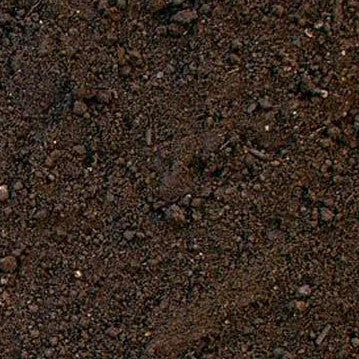
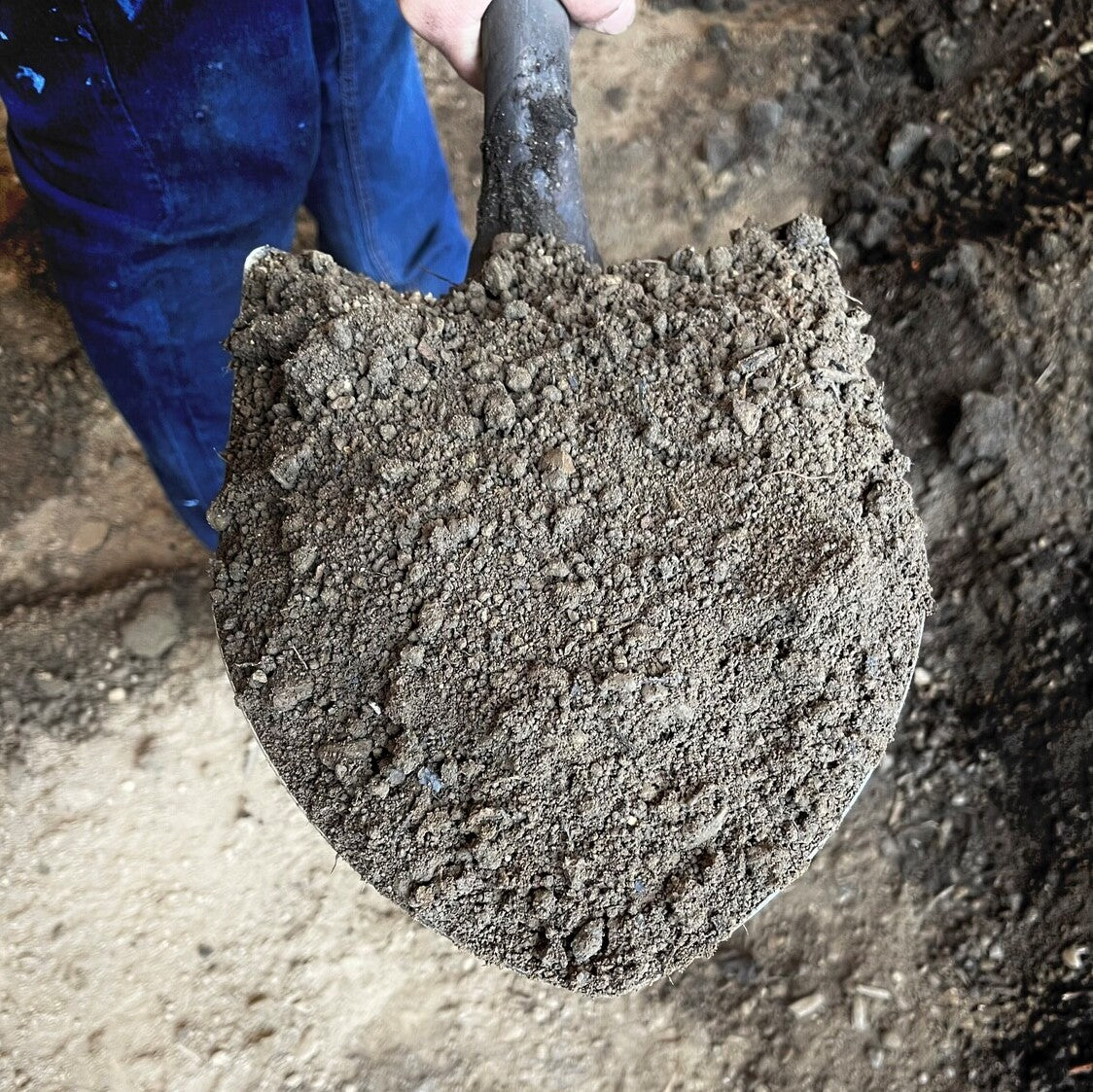
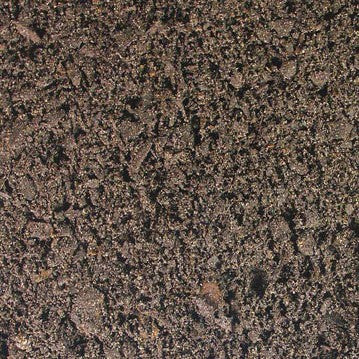
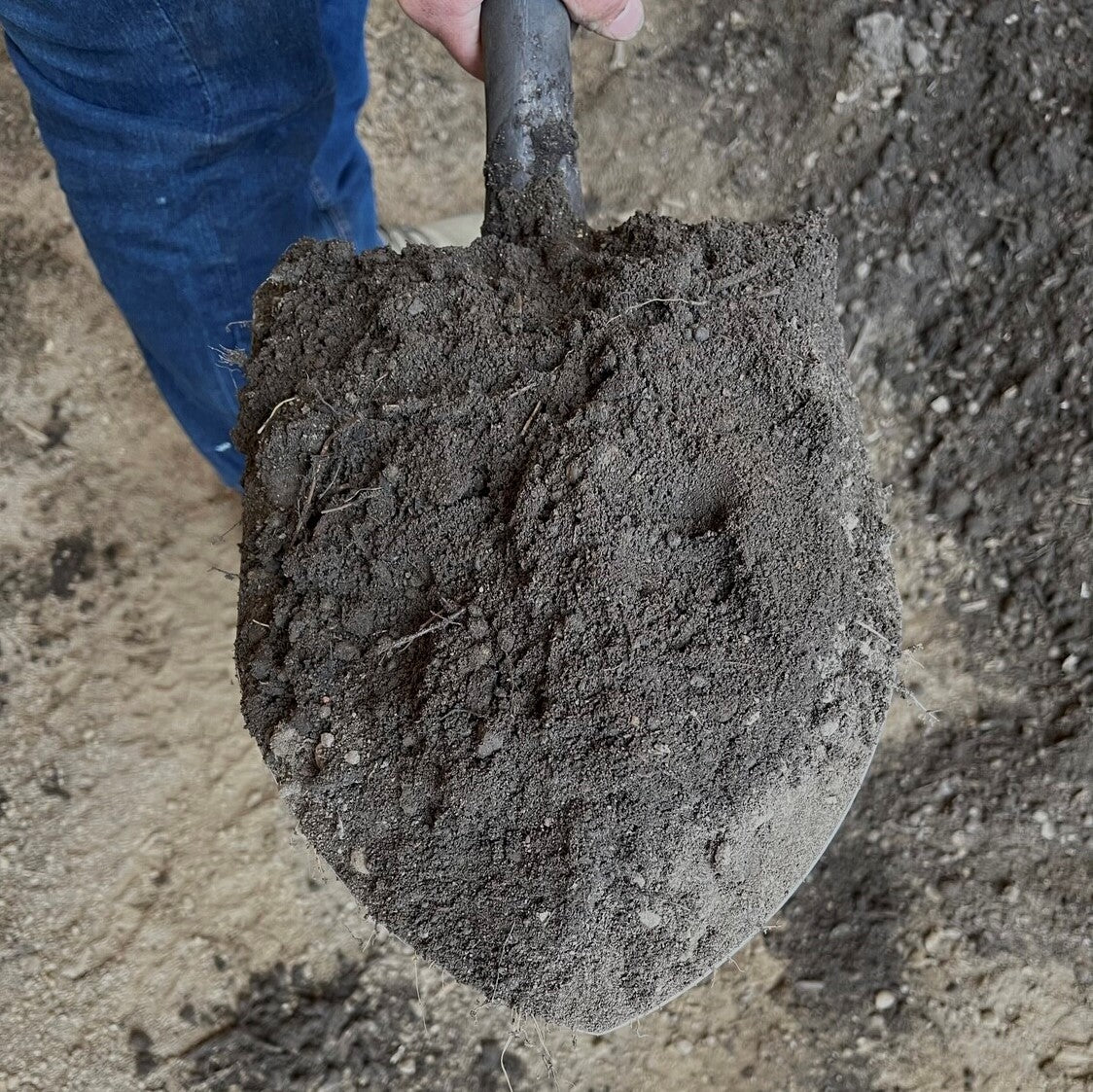
Quality topsoil for lawns, gardens, and landscape projects. Nutrient rich and ready to support strong root development and healthy plant establishment.
We ordered 3 yards of the garden soil, delivered mext day. We used in raised beds 6x3x2. It was more than needed for both but the soil looked good! I added some perlite to add some drainage since this is a little dense.
Tell us what you're looking for
Thanks! We received your request.
Something went wrong. Please try again.
How Much Material Do I Need?
For lawn topdressing over Jeffersonville's silt clay, a depth of half an inch to 1 inch is appropriate for leveling and overseeding applications. For new garden beds built over native soil, a minimum of 8 to 12 inches of quality topsoil gives roots enough depth to thrive without encountering the dense clay layer below.
Use our free soil calculator
What is a yard?
A yard is approximately 27 cubic feet. As a general guideline, one yard of material can cover an area of about 100-160 square feet at a 2-3 inch depth.
What is a yards?
A yard is approximately 27 cubic feet. As a general guideline, one yard of material can cover an area of about 10 feet by 10 feet at a few inches deep.
We can't take orders for this right now. Tell us what you need and we'll get back to you.
What do you need?
Thanks! We received your request.
Something went wrong. Please try again.
Hand-picked local yards
4,000+ regional deliveries
Dedicated support
Why order through Mulch Mound
The best local soil, without the guesswork.
We hand-pick and partner with the best yards in your region, keep only the ones our buyers rate well, and back each load with our guarantee.
Mulch Mound Guarantee
If your soil isn't the quantity or quality you ordered, we'll make it right.
About this soil
Quality topsoil for lawns, gardens, and landscape projects. Nutrient rich and ready to support strong root development and healthy plant establishment.
We ordered 3 yards of the garden soil, delivered mext day. We used in raised beds 6x3x2. It was more than needed for both but the soil looked good! I added some perlite to add some drainage since this is a little dense.
How Much Material Do I Need?
For lawn topdressing over Jeffersonville's silt clay, a depth of half an inch to 1 inch is appropriate for leveling and overseeding applications. For new garden beds built over native soil, a minimum of 8 to 12 inches of quality topsoil gives roots enough depth to thrive without encountering the dense clay layer below.
Use our free soil calculator
What is a yard?
A yard is approximately 27 cubic feet. As a general guideline, one yard of material can cover an area of about 100-160 square feet at a 2-3 inch depth.
What is a yards?
A yard is approximately 27 cubic feet. As a general guideline, one yard of material can cover an area of about 10 feet by 10 feet at a few inches deep.
We ordered 3 yards of the garden soil, delivered mext day. We used in raised beds 6x3x2. It was more than needed for both but the soil looked good!...
Read full review
We ordered 3 yards of the garden soil, delivered mext day. We used in raised beds 6x3x2. It was more than needed for both but the soil looked good! I added some perlite to add some drainage since this is a little dense.
Measure your project area in feet, multiply length by width, then multiply by the depth of soil you plan to add in feet, and divide the result by 27 to get cubic yards. For Jeffersonville raised beds that need a full 12-inch depth, this calculation adds up quickly, so measuring carefully before ordering avoids both shortages and expensive leftover material. Always add about 10 percent to your estimate to account for settling, since new soil compresses noticeably over the first few weeks especially when Jeffersonville's spring rains begin.
Soil Types We Deliver in Jeffersonville
Mulch Mound delivers bulk soil by the cubic yard straight to homes and properties across Jeffersonville, Indiana. Whether you are filling a raised bed, starting a new lawn, or improving tired clay ground, we make it easy to get exactly the soil you need. Order as much or as little as your project calls for and we will drop it right where you need it.
Top Soil
Our top soil is available in screened and unscreened styles to fit any budget or application. The screened option is finely filtered for a smooth, workable finish that spreads evenly across lawns and beds, while unscreened works well for fill and grading. Both are nutrient rich and suited to building on the heavy clay ground common throughout this part of Indiana.
Gardening Blend
Our premium gardening blend combines top soil and compost into a ready to use mix ideal for raised beds, vegetable gardens, and general planting. It delivers a balanced texture and a healthy dose of organic matter, making it a strong choice for home gardeners throughout southern Indiana who want reliable results without extra amendments.
Organic Compost
Our premium organic compost is a concentrated source of nutrients and beneficial organic matter that improves the texture and fertility of almost any soil. Worked into the dense clay ground common in this region, it helps roots breathe and water drain more freely, giving plants a healthier foundation from the start.
Complete Your Outdoor Soil Project
Finish new garden beds by topping your fresh soil with a layer of hardwood mulch to protect the surface from Jeffersonville's heavy spring rains and reduce moisture loss during summer dry spells. If your project includes pathways or borders alongside the new beds, a decorative stone product adds clean definition while keeping foot traffic off the newly built soil areas.
What kind of soil should I add on top of Jeffersonville's native silt clay for a new garden bed?
A screened topsoil or a blended garden soil with added compost is the best choice for topping Jeffersonville's silt clay. The native soil is too dense and poorly drained for most vegetables and flowers to thrive without amendment, and adding 6 to 8 inches of quality soil on top creates a workable root zone that bridges the transition to the clay below without requiring full excavation.
Answer
Can I just mix new soil into my existing clay, or do I need to build on top of it?
Mixing a small amount of new soil into silt clay rarely improves drainage enough to matter and can actually create a perched water table where moisture pools at the boundary between the two layers. For Jeffersonville beds you will get better results by adding a raised layer on top and planting into that, rather than tilling new soil into the clay unless you are amending very large volumes with compost throughout the full working depth.
Answer
How do I level out my lawn in Jeffersonville without killing the existing grass?
Topdressing with a fine screened topsoil is the standard approach for leveling shallow low spots without smothering turf. Apply no more than half an inch at a time over actively growing grass in Jeffersonville, targeting the period between late April and early June when zone 6b lawns are pushing new growth and can work up through the new material quickly.
Answer
Will adding soil help with the standing water I get in my yard after it rains?
Adding soil to raise the grade in low spots can redirect surface water away from problem areas, but if the underlying silt clay is simply too dense to absorb rainfall at the rate it falls, re-grading alone will not fully solve the issue. In Jeffersonville, pairing a soil topdress or fill with a drainage swale or dry creek bed that routes runoff toward the street or a lower area is usually the most effective combination.
Answer
How much soil do I need to build a raised vegetable bed in Jeffersonville?
A raised bed that is 12 inches deep gives vegetable roots a full growing medium without touching the silt clay below, which is ideal given how poorly Jeffersonville's native soil drains. For a 4 by 8 foot bed at that depth you will need roughly 1.2 cubic yards of soil, and blending in compost at about 20 percent of the total volume improves fertility for the full growing season between April 20 and October 12.
Answer
When is the best time of year to have soil delivered and spread in Jeffersonville?
Early spring, after the last frost around April 20 and before the ground becomes saturated from late-spring storms, is the prime window for soil work in Jeffersonville. Fall is also workable, especially for lawn topdressing after September 1, when cooler temperatures reduce heat stress on grass as it fills in around new material. Avoid the wettest stretch of May and June for large grading projects if possible, as working silt clay when it is saturated causes severe compaction that is hard to correct.
Answer
Is bulk delivery soil better than the bagged stuff from the hardware store?
Bulk delivery soil from MulchMound is typically screened and sourced in larger, more consistent quantities than bagged retail soil, and the cost per cubic yard is significantly lower once you need more than a few bags worth of material. For Jeffersonville projects involving more than one raised bed or any lawn grading work, bulk delivery almost always makes more financial sense and gives you a more uniform product throughout your project.
Mulch Mound Pro Tip
Before placing bulk soil over Jeffersonville's silt clay base, score the existing soil surface lightly with a tiller or garden fork to break any surface glaze. This creates a mechanical bond between the old and new layers that prevents the fresh soil from sliding or pooling water at the interface. Skipping this step is one of the most common reasons Jeffersonville homeowners see standing water in new beds even after adding quality topsoil on top of their native clay.
Mulch Mound Pro Tip
If you are timing a lawn leveling project around Jeffersonville's growing calendar, aim to finish soil spreading and seeding at least four weeks before the first frost on October 12. Grass seeded too late in the season will not establish enough root depth to survive the freeze-thaw cycles of a zone 6b winter, and thin turf heading into spring creates bare patches that Jeffersonville's spring weed pressure will fill aggressively.
Mulch Mound Pro Tip
Raised beds in Jeffersonville should be built with a gentle crown in the center rather than a perfectly flat surface. Because the area receives 45 inches of rain annually and the underlying silt clay drains slowly, a flat-topped raised bed can still hold pooled water during heavy storms. A slight center crown of even 2 or 3 inches encourages water to shed outward toward the bed edges and helps roots stay aerated through Jeffersonville's wet spring season.
The Unique Landscape of Jeffersonville
Jeffersonville sits on silt clay soils that are notoriously difficult for gardening and lawn establishment, tending to compact tightly in dry periods and becoming sticky, oxygen-poor mud after the area's heavy rains. Whether you are grading a new lawn, building raised beds, or repairing low spots, bringing in quality topsoil or garden soil is often the only practical way to give plants a workable growing medium. The city receives about 45 inches of rain annually, which means the drainage capability of any added soil layer is critical to avoid root rot and persistent standing water. Zone 6b growing conditions give Jeffersonville homeowners a productive season from late April through mid-October, but that window only delivers results if roots have access to well-structured, nutrient-rich soil. Improving or replacing your native silt clay with screened topsoil pays dividends in plant health, lawn density, and the overall workability of your yard for years after the initial application.