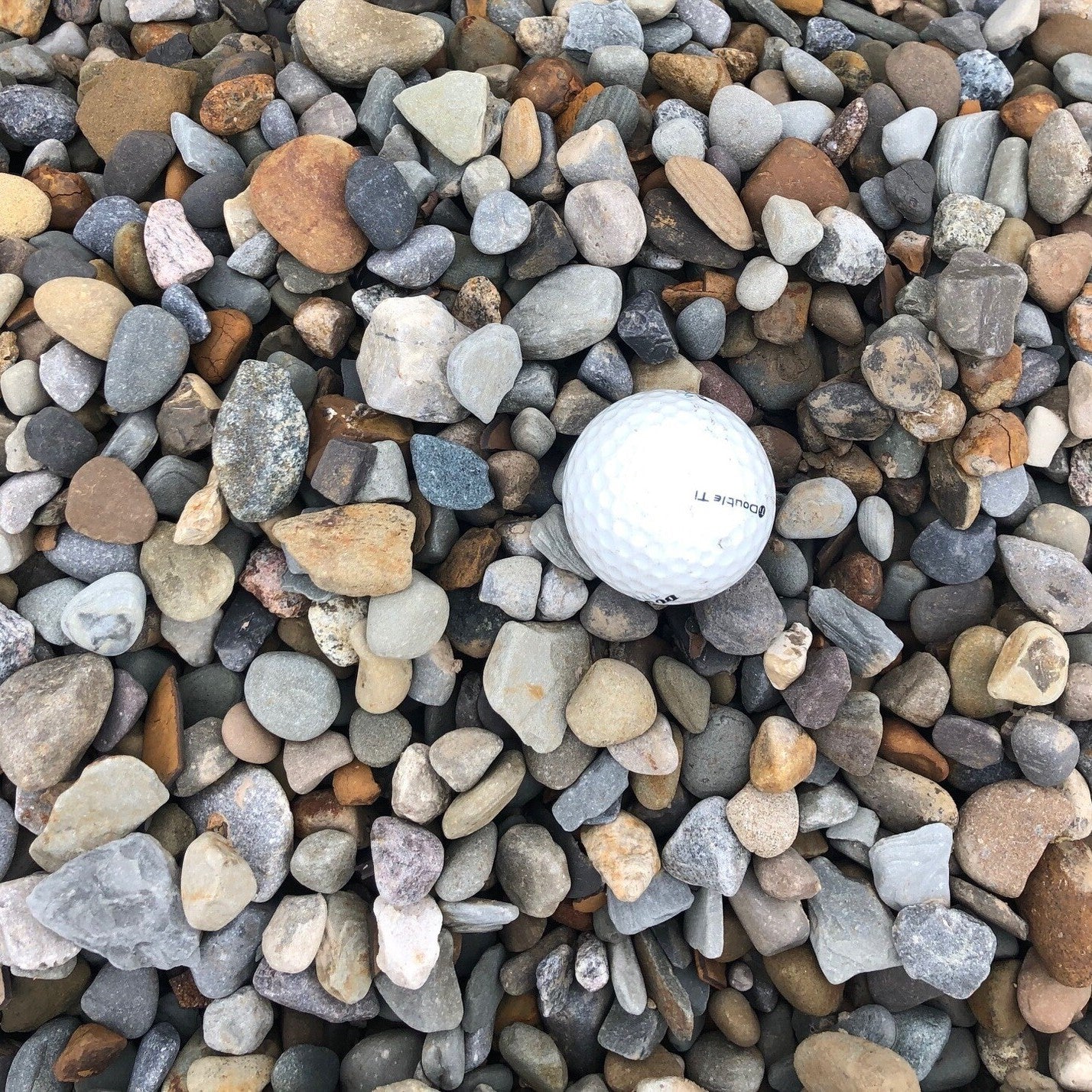
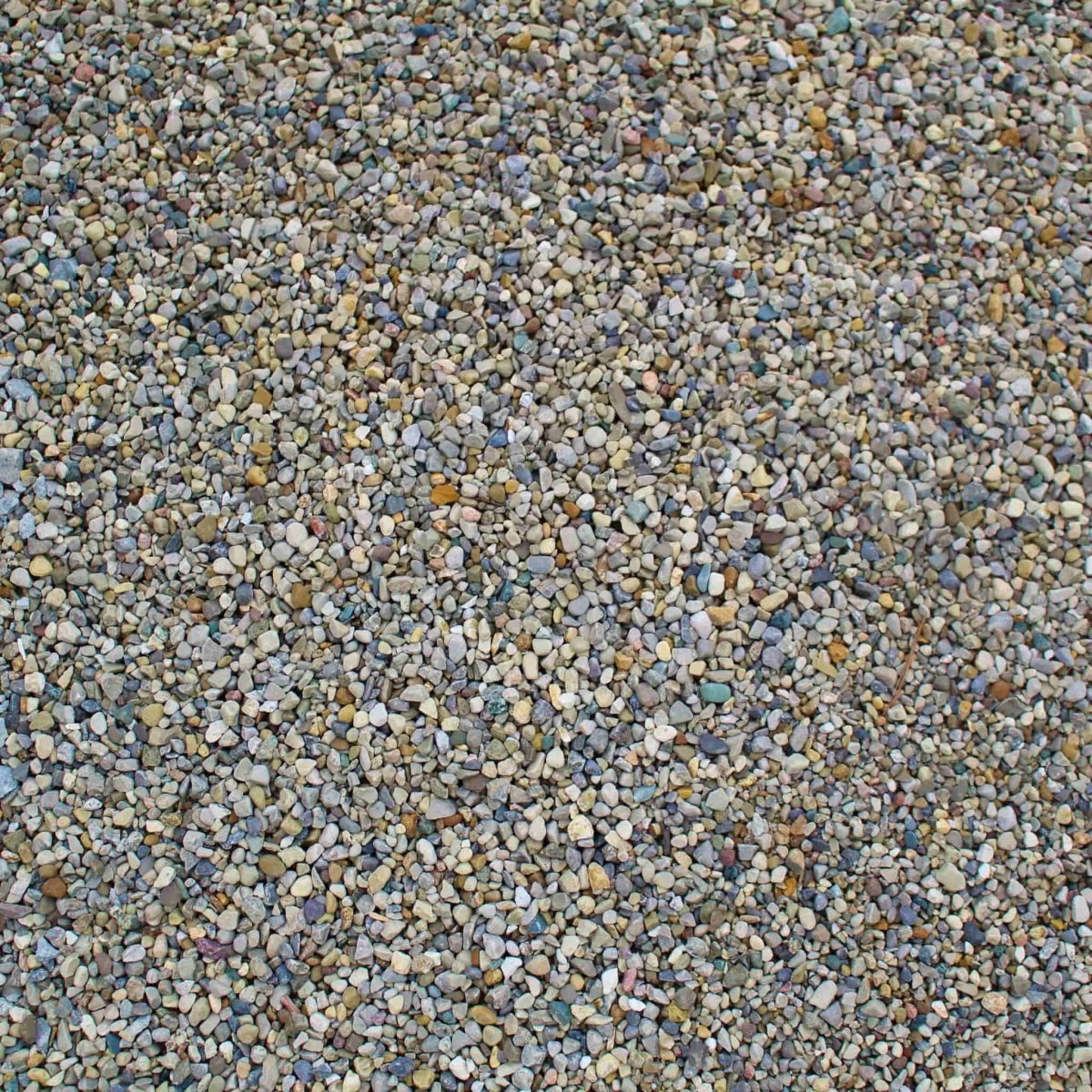
Number 57 crushed stone, angular limestone graded to about three quarters of an inch. The standard driveway, base and drainage gravel, it locks together under traffic and drains fast.
I contacted Mulch Mound for #57 river rocks and it was easy and fast to get a delivery right before the holiday weekend. Stone was delivered as promised and place exactly where I asked. Excellent service! I will be ordering mulch next!
Tell us what you're looking for
Thanks! We received your request.
Something went wrong. Please try again.
How Much Material Do I Need?
For pathway and decorative bed applications in Jeffersonville, 2 to 3 inches of stone depth is the standard recommendation, providing stable coverage without being so deep that it becomes difficult to walk on or manage around plantings. For drainage trenches and erosion control applications over silt clay, increase depth to 8 to 12 inches to give water enough space to hold and slowly percolate through.
Use our free gravel calculator
What is a yard?
A yard is approximately 27 cubic feet. As a general guideline, one yard of material can cover an area of about 100-160 square feet at a 2-3 inch depth.
We can't take orders for this right now. Tell us what you need and we'll get back to you.
What do you need?
Thanks! We received your request.
Something went wrong. Please try again.
Hand-picked local yards
4,000+ regional deliveries
Dedicated support
Why order through Mulch Mound
The best local stone, without the guesswork.
We hand-pick and partner with the best yards in your region, keep only the ones our buyers rate well, and back each load with our guarantee.
Mulch Mound Guarantee
If your stone isn't the quantity or quality you ordered, we'll make it right.
About this stone
Number 57 crushed stone, angular limestone graded to about three quarters of an inch. The standard driveway, base and drainage gravel, it locks together under traffic and drains fast.
I contacted Mulch Mound for #57 river rocks and it was easy and fast to get a delivery right before the holiday weekend. Stone was delivered as promised and place exactly where I asked. Excellent service! I will be ordering mulch next!
How Much Material Do I Need?
For pathway and decorative bed applications in Jeffersonville, 2 to 3 inches of stone depth is the standard recommendation, providing stable coverage without being so deep that it becomes difficult to walk on or manage around plantings. For drainage trenches and erosion control applications over silt clay, increase depth to 8 to 12 inches to give water enough space to hold and slowly percolate through.
Use our free gravel calculator
What is a yard?
A yard is approximately 27 cubic feet. As a general guideline, one yard of material can cover an area of about 100-160 square feet at a 2-3 inch depth.
I contacted Mulch Mound for #57 river rocks and it was easy and fast to get a delivery right before the holiday weekend. Stone was delivered as pro...
Read full review
I contacted Mulch Mound for #57 river rocks and it was easy and fast to get a delivery right before the holiday weekend. Stone was delivered as promised and place exactly where I asked. Excellent service! I will be ordering mulch next!
To estimate stone for a pathway or bed, measure the length and width in feet, multiply by the depth in feet, then divide by 27 for cubic yards or use the product weight conversion if ordering by the ton. Jeffersonville's silt clay base can settle slightly under heavy stone loads over the first season, so adding 10 to 15 percent extra to your order ensures you have enough material to top off any low spots after the first winter. Measuring twice before ordering once is especially worthwhile for stone, since it is the heaviest material to manage if you end up with more than your project needs.
Stone Types We Deliver in Jeffersonville
Mulch Mound makes it simple to order bulk stone by the cubic yard and have it delivered straight to your property, serving homeowners and contractors across southern Indiana. If you have been searching for bulk gravel by the yard in Jeffersonville, we carry a range of smooth river stones and classic pea gravel suited to the region's clay-heavy soils and wet seasonal patterns. Every load is measured true so you always get exactly the volume you pay for.
Pea Gravel
A longtime favorite in Indiana yards, pea gravel brings smooth, rounded stones in warm earth tones to pathways, patios, and garden borders. Its rounded shape is comfortable underfoot, easy to spread, and drains reliably in the clay-heavy soil common throughout this part of the state.
3/4" River Stone
The 3/4 inch size is a versatile pick for both drainage and curb appeal. Use it to line a dry creek bed, frame a garden edge, or fill a swale where Indiana's wet springs tend to pool water. Its smooth surface stays clean and channels runoff efficiently without washing away.
3/8" River Stone
The 3/8 inch river stone is the most compact size we carry, well suited to tight drainage beds, decorative ground cover, and small-scale accents around planting areas. Its smooth, rounded profile tucks cleanly along bed edges and garden pathways where a larger stone would look out of proportion.
1-2" River Stone
Larger and bolder, the 1 to 2 inch river stone suits feature landscaping and low-maintenance ground cover around trees and shrubs. Homes with the traditional brick exteriors common in southern Indiana often pair this size with native plantings for a clean, finished look that holds up through freeze-thaw cycles.
Complete Your Outdoor Stone Project
Pair stone borders and pathways with quality mulch in adjacent plant beds to create a finished look that handles Jeffersonville's rainfall from every angle. If you are building new planting areas alongside stone features, adding fresh topsoil before mulching gives roots a healthy growing medium in the zones where the silt clay has been disturbed during your stone installation.
In Jeffersonville, silt clay soil expands when wet and contracts when dry, which means any stone installation set directly on native soil without a proper base will shift noticeably with the seasons. For pathways and larger stone features, compact a 4 to 6 inch layer of crushed limestone base material beneath your finish stone before the first winter. This stabilizing layer absorbs the freeze-thaw movement that zone 6b winters produce and keeps your stone surface level through spring thaw.
Mulch Mound Pro Tip
Jeffersonville homeowners who use stone around trees and large shrubs should avoid piling material too close to the trunk or main stem. Stone retains heat during the summer and can raise soil surface temperatures significantly on sunny days, which stresses root crowns and invites crown rot in plants that prefer cooler, moister root zones. Keep decorative stone at least 6 inches away from any woody trunk and consider using mulch in the immediate root zone instead, transitioning to stone further out in the bed.
Mulch Mound Pro Tip
If you are installing a stone dry creek bed to manage runoff on your Jeffersonville property, trace your water flow patterns during an actual rain event before you start digging. Jeffersonville receives 45 inches of rain per year and many of those events arrive as fast, heavy storms rather than slow drizzle, so water moves quickly across silt clay that cannot absorb it fast enough. Mapping the natural runoff path first ensures your dry creek bed is placed where the water actually wants to go, making it far more effective than one designed from a dry-ground estimate.
The Unique Landscape of Jeffersonville
Decorative and functional stone is an especially practical landscaping material in Jeffersonville, where the combination of silt clay soil and 45 inches of annual rainfall creates chronic erosion and drainage challenges in yards of all sizes. Stone pathways, dry creek beds, and foundation borders stay stable through the wet and dry cycles that cause mulch to migrate and bare soil to erode along the Ohio River corridor. Because silt clay does not absorb water quickly, sloped areas in Jeffersonville yards are particularly prone to sheet runoff, and a well-placed stone installation can redirect that flow before it carves channels through planted areas. Stone is also the lowest-maintenance surface option available for Jeffersonville homeowners, requiring no annual refresh like mulch and no watering or mowing like grass. In a climate with humid summers, freeze-thaw winters, and four distinct seasons, stone maintains its appearance year-round without the fading, shifting, or decomposition that organic materials experience.
Frequently Asked Questions
Click a question to see the answer
Answer
What kind of stone works best for a backyard pathway in Jeffersonville?
Pea gravel and crushed limestone are both popular pathway materials in Jeffersonville because they compact well and stay in place through the freeze-thaw cycles that zone 6b winters bring. Larger river rock tends to shift underfoot on Jeffersonville's silt clay base, which can become soft and uneven after rain, so a finer crushed stone with angular edges that lock together is usually more stable for heavily used paths.
Answer
Will stone help with the erosion I am getting on my sloped backyard?
Stone is one of the best solutions for erosion control on Jeffersonville's silt clay slopes because it physically anchors the surface and slows water velocity without clogging like organic materials can over time. A dry creek bed filled with river rock or a riprap border along a downslope edge captures and redirects the sheet runoff that Jeffersonville's 45-inch annual rainfall generates, preventing it from channeling through planted areas or toward your foundation.
Answer
How deep should I go with gravel for a drainage project in my Jeffersonville yard?
For a functional drainage trench or dry creek bed over Jeffersonville's silt clay, a depth of at least 12 inches is recommended so the gravel layer can hold and slow water before the clay below absorbs it. Using a landscape fabric liner beneath the gravel prevents fine silt clay particles from migrating up into the stone layer over time, which would reduce drainage capacity within just a few years without that barrier in place.
Answer
Is stone actually low maintenance in Jeffersonville's climate, or does it need a lot of upkeep?
Stone is the lowest-maintenance landscape surface available for Jeffersonville yards and requires no seasonal replacement unlike mulch. The main maintenance task is occasional raking or redistributing material that has migrated due to heavy rain events, and in high-traffic areas a thin layer of fresh gravel every few years keeps the surface looking full. Stone does not fade, decompose, or require watering, which makes it especially practical for the sections of your yard that are hardest to maintain through the full zone 6b growing season.
Answer
Can I use decorative stone near my foundation to prevent moisture problems?
Yes, a 12 to 18 inch border of stone around your foundation is actually a better choice than mulch in Jeffersonville's wet climate. Stone does not retain moisture against your foundation walls the way organic mulch does, which reduces the risk of wood rot and pest infiltration in a city that averages 45 inches of rainfall per year. Make sure the grade still slopes away from your foundation and that the stone layer is not so deep that it blocks weep holes or covers siding.
Answer
What is the difference between river rock and crushed gravel for my landscaping project?
River rock has smooth, rounded surfaces that look attractive in decorative beds and water features but tend to roll and migrate on slopes, which can be a problem in Jeffersonville yards where silt clay softens and shifts during heavy rain. Crushed gravel has angular edges that interlock and compact into a more stable surface, making it the better choice for pathways, driveways, and erosion-prone slopes in this area. River rock works well in flat decorative areas and dry creek beds where the channel shape provides stability rather than the stone texture itself.
Answer
How much stone do I need to cover a garden bed here in Jeffersonville?
For a decorative stone ground cover in a garden bed, 2 to 3 inches of depth provides good coverage and weed suppression while still allowing water to percolate toward the silt clay below. At 2 inches deep, one ton of pea gravel or crushed stone covers approximately 80 to 100 square feet depending on the material density. Measure your bed dimensions carefully and use our calculator to get an accurate estimate before ordering so you are not left short mid-project.