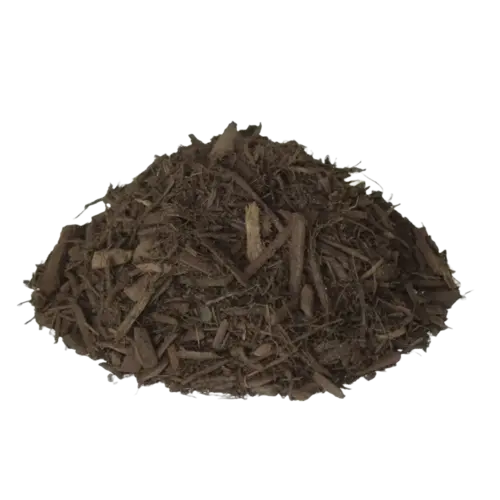
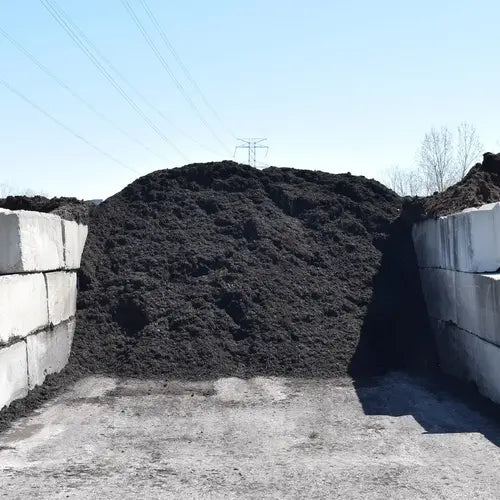
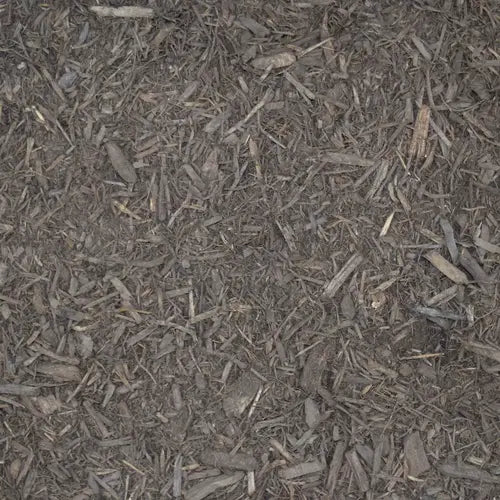
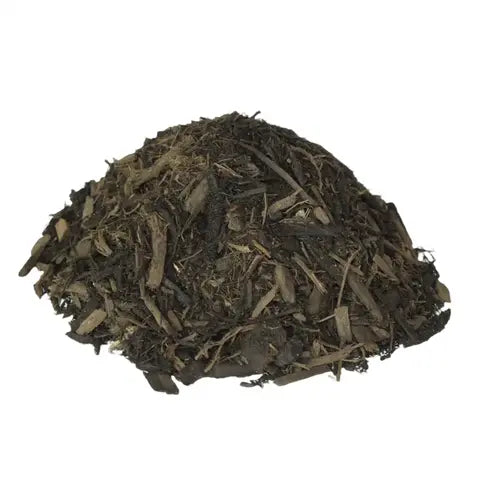
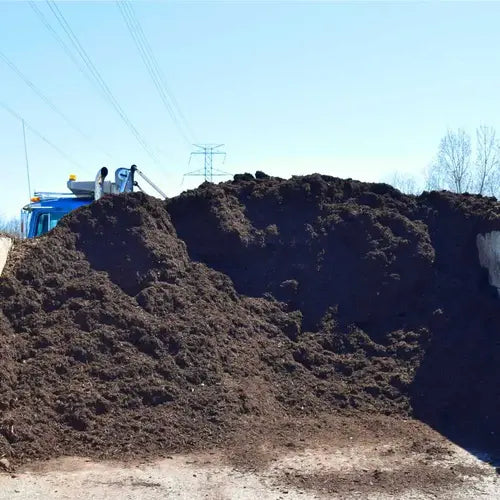
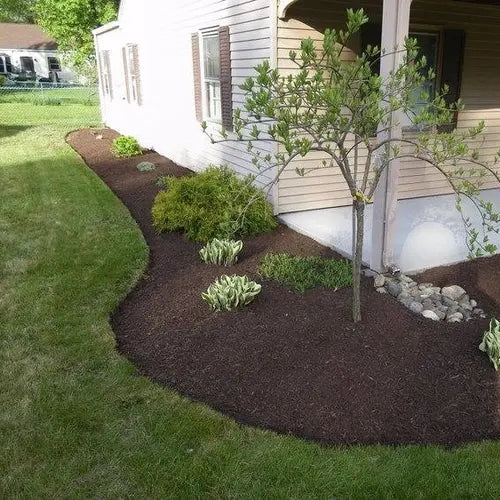
Warm brown double shredded mulch with lasting color that looks freshly applied for weeks. Spreads smooth, stays put, and gives beds a natural, polished appearance.
I highly recommend Mulch Mound. The quality of the mulch is very good. The ordering system on their website makes it very easy. The delivery driver did a great job placing the mulch on the driveway. To finish off, the pricing was very reasonable as well.
Tell us what you're looking for
Thanks! We received your request.
Something went wrong. Please try again.
How Much Material Do I Need?
Johnson City's silt loam beds benefit most from a 2 to 3 inch mulch layer in established plantings, with 3 to 4 inches recommended for newly prepared beds where weed seeds are more active near the surface. Avoid piling mulch against plant stems, as the consistent moisture levels in this region can promote rot at the crown of shrubs and perennials.
Use our free mulch calculator
What is a yard?
A yard is approximately 27 cubic feet. As a general guideline, one yard of material can cover an area of about 100-160 square feet at a 2-3 inch depth.
We can't take orders for this right now. Tell us what you need and we'll get back to you.
What do you need?
Thanks! We received your request.
Something went wrong. Please try again.
Hand-picked local yards
4,000+ regional deliveries
Dedicated support
Why order through Mulch Mound
The best local mulch, without the guesswork.
We hand-pick and partner with the best yards in your region, keep only the ones our buyers rate well, and back each load with our guarantee.
Mulch Mound Guarantee
If your mulch isn't the quantity or quality you ordered, we'll make it right.
About this mulch
Warm brown double shredded mulch with lasting color that looks freshly applied for weeks. Spreads smooth, stays put, and gives beds a natural, polished appearance.
I highly recommend Mulch Mound. The quality of the mulch is very good. The ordering system on their website makes it very easy. The delivery driver did a great job placing the mulch on the driveway. To finish off, the pricing was very reasonable as well.
How Much Material Do I Need?
Johnson City's silt loam beds benefit most from a 2 to 3 inch mulch layer in established plantings, with 3 to 4 inches recommended for newly prepared beds where weed seeds are more active near the surface. Avoid piling mulch against plant stems, as the consistent moisture levels in this region can promote rot at the crown of shrubs and perennials.
Use our free mulch calculator
What is a yard?
A yard is approximately 27 cubic feet. As a general guideline, one yard of material can cover an area of about 100-160 square feet at a 2-3 inch depth.
I highly recommend Mulch Mound. The quality of the mulch is very good. The ordering system on their website makes it very easy. The delivery driver...
Read full review
I highly recommend Mulch Mound. The quality of the mulch is very good. The ordering system on their website makes it very easy. The delivery driver did a great job placing the mulch on the driveway. To finish off, the pricing was very reasonable as well.
They offered a quick turnaround and delivered high quality mulch at a reasonable price. They also dropped it off exactly where I told them to put i...
Read full review
They offered a quick turnaround and delivered high quality mulch at a reasonable price. They also dropped it off exactly where I told them to put it. Good service!
Measure the length and width of each planting bed in feet and multiply those numbers to get your square footage. In Johnson City, where silt loam soil tends to settle and compact over time, plan for a 3-inch application depth to account for natural settling through the first growing season after application. Divide your total square footage by 108 to arrive at the cubic yards needed for a 3-inch layer across all your beds.
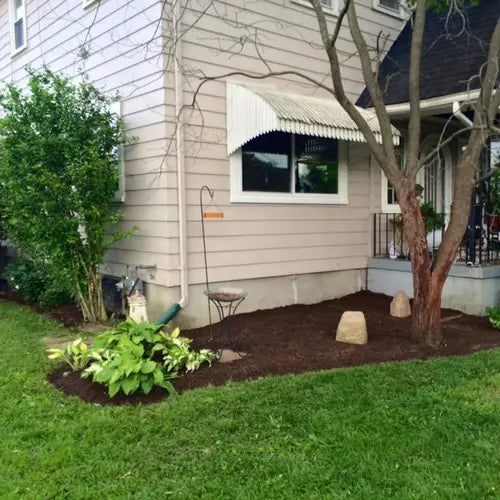
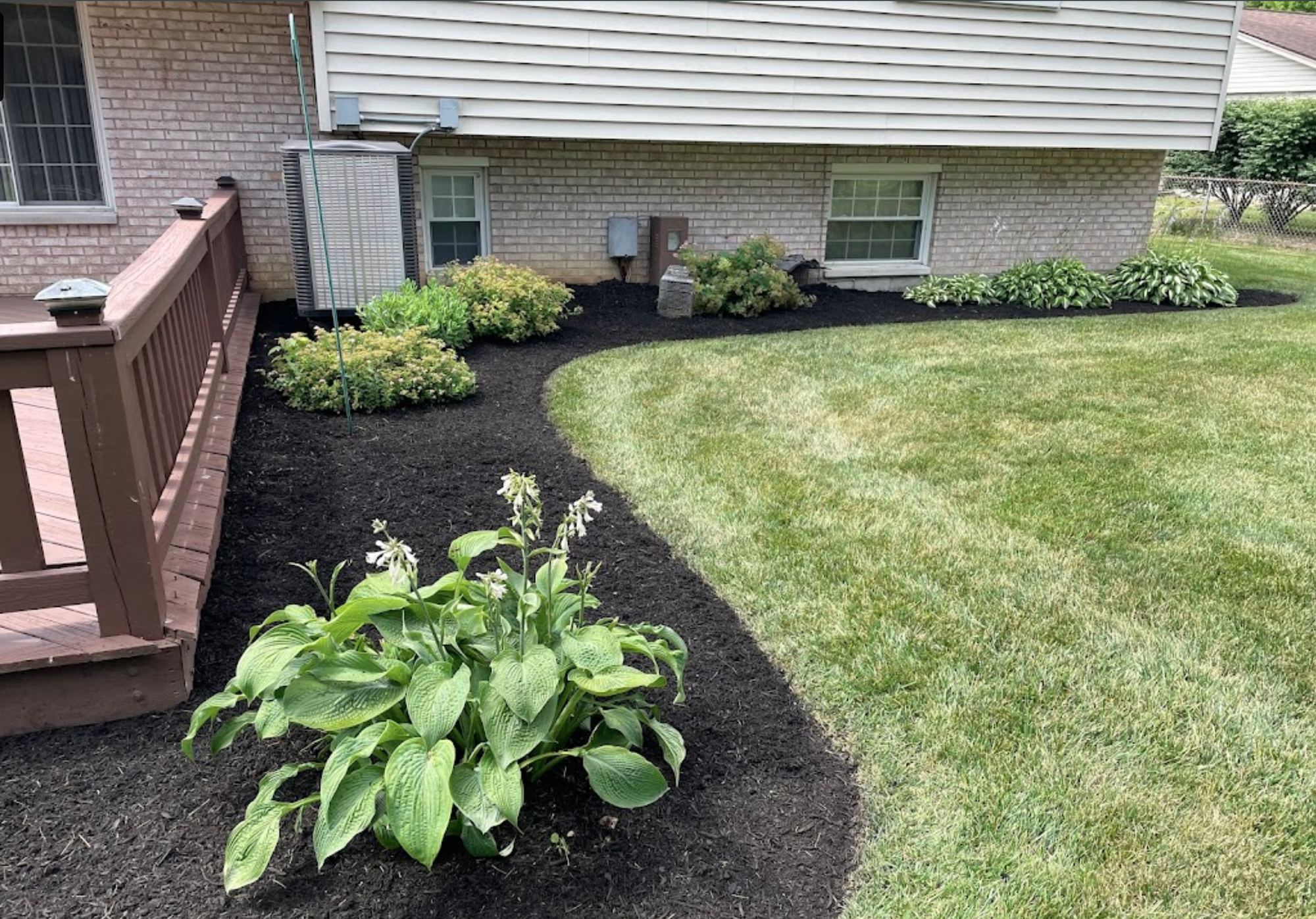
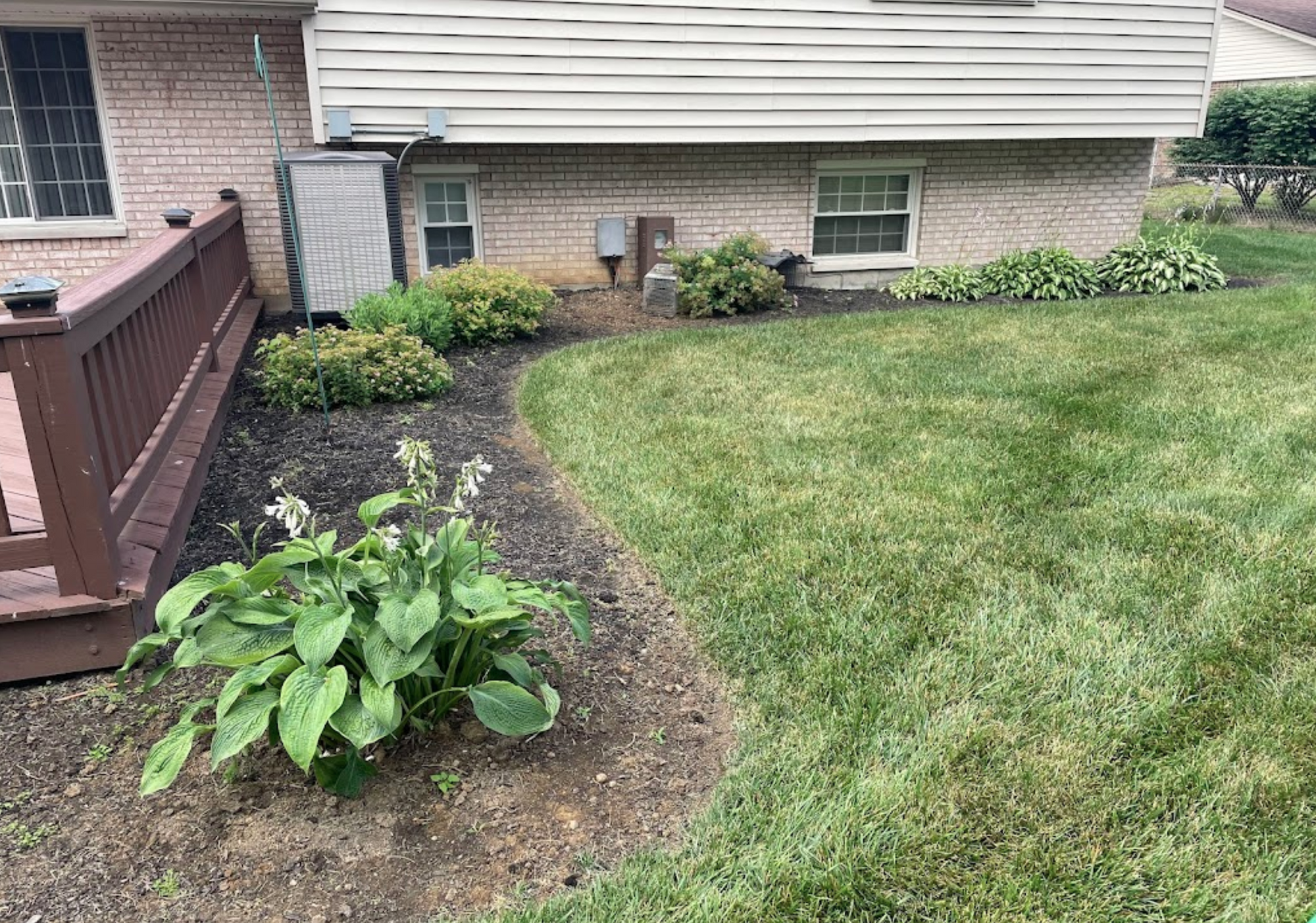
Mulch vs. No Mulch: The Difference
Johnson City's combination of humid summers and cold Zone 7a winters means natural hardwood mulch breaks down at a moderate pace, enriching the silt loam soil underneath as it decomposes over 18 to 24 months. Dyed mulch retains its color much longer through the region's frequent rain events, making it a popular choice for high-visibility beds near front entries or street-facing areas of your property. Understanding how each type performs specifically in Johnson City's climate helps you choose the right product for both long-term function and consistent curb appeal.
Before
After
Best Mulch Choice for Johnson City Lawns
Most yards in the Johnson City area sit on Silt Loam type of soil. Johnson City's silt loam soil compacts easily and loses organic matter quickly in planting beds that are regularly disturbed by planting, weeding, or foot traffic near the bed edge. This creates a nutrient-poor, dense surface layer that struggles to support healthy root development without regular organic amendment from above.
Hardwood Mulch
Hardwood mulch breaks down steadily in Johnson City's climate, feeding the beneficial soil microbes that slowly loosen and enrich the underlying silt loam over multiple seasons. Over time the decomposed organic matter improves the soil's structure, water-holding capacity, and available nutrient content, creating a progressively more productive growing environment in your planting beds year after year.
Mulch Types We Deliver in Johnson City
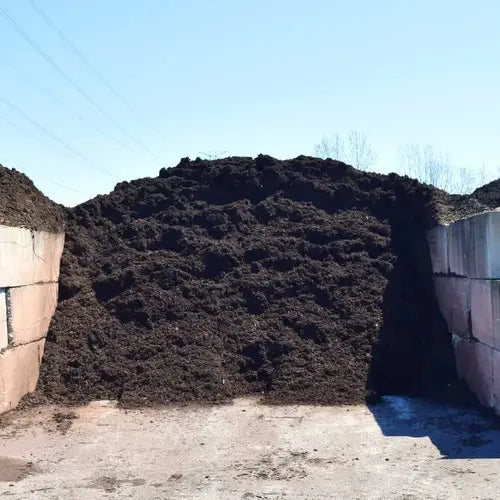
Mulch Mound delivers bulk mulch by the cubic yard straight to homes and landscapes throughout the region. Whether you are refreshing a front bed or blanketing a large property, bulk mulch delivery in Johnson City makes big projects manageable without the hassle of hauling bags. We carry a focused selection of quality varieties so you can choose the look and performance that fits your yard.
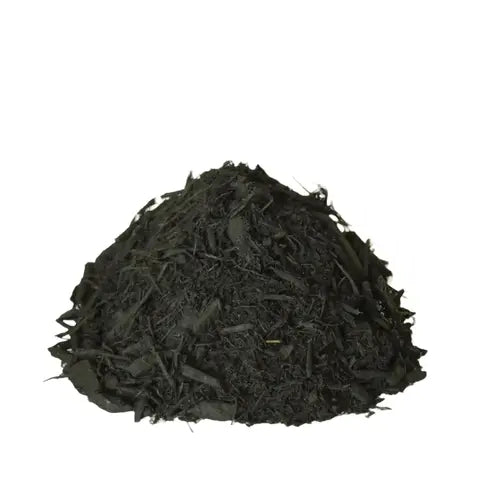
Dyed Black Mulch
Bold black double shredded mulch that creates a striking contrast against the green lawns and brick exteriors common to this part of Tennessee. The deep color holds up through the region's humid summers and rainy springs, and the smooth double shredded texture spreads evenly across any size bed.
Dyed Brown Mulch
Warm brown double shredded mulch that complements the natural wood tones and earthy palettes of typical East Tennessee homes. The rich color stays fresh looking for weeks even under summer sun, spreads smoothly, and holds its position on slopes and hillside beds common in this hilly terrain.
Natural Brown Mulch
Undyed double shredded mulch that lets the wood's own warm tone do the work, a great fit for homeowners who prefer a more organic aesthetic. No added colorants means it blends naturally into garden beds and woodland edges, and it breaks down over time to improve the heavy clay soils common in this region.
Complete Your Outdoor Mulch Project
If you are refreshing your beds, pairing mulch with a load of premium topsoil to improve the organic content of your silt loam base before mulching creates a much more productive growing environment for the season ahead. Decorative stone from MulchMound also works beautifully as a bed border to keep mulch contained during Johnson City's heavier rainfall events throughout the year.
Johnson City's silt loam soil tends to crust over during dry summer stretches, forming a hardened surface layer that slows water infiltration right when your plants need moisture most. Applying mulch in late April after the final frost keeps that surface from drying and hardening between rain events, allowing Johnson City's generous annual rainfall to soak in naturally rather than running off across your lawn or driveway. A consistent 3-inch layer makes a visible difference in how long your beds stay moist between waterings.
Mulch Mound Pro Tip
Because Johnson City sits at over 1,600 feet in elevation, nighttime temperatures in fall can drop sharply even before the official first frost date around October 20. Applying a fresh layer of mulch in early October gives the root zones of perennials and Zone 7a shrubs an extra thermal buffer against these early cold snaps, which arrive more abruptly here than at lower elevations in Tennessee. This timing is especially helpful for borderline-hardy plants that need a little extra protection to survive their first winter in your landscape.
Mulch Mound Pro Tip
With 44 inches of annual rainfall spread across all four seasons, Johnson City landscapes face consistent erosion pressure in sloped beds and hillside plantings throughout the year. Natural hardwood mulch creates an interlocking mat of organic fibers that holds the soil surface in place far better than bare ground or a thin decorative stone layer, particularly during the heavy spring and fall storm events that are common in this part of East Tennessee. Refreshing this layer every one to two years ensures your beds stay protected and your silt loam soil stays where you put it.
Frequently Asked Questions
Click a question to see the answer
Answer
How often should I replace mulch in Johnson City given how much rain we get each year?
Johnson City's 44 inches of annual rainfall, spread fairly evenly across the seasons, accelerates the breakdown of organic mulches more quickly than drier climates across the region. Most natural hardwood mulch applications in this area begin to thin and decompose noticeably within 12 to 18 months. Plan to refresh your mulch beds each spring after the last frost, typically around late April, to maintain the 2 to 3 inch depth that protects your silt loam soil through the full growing season.
Answer
Will mulch help protect my plants from a late spring frost in Johnson City?
Johnson City's official last frost date falls around April 26, but late cold snaps are not unusual at 1,635 feet of elevation. A 3-inch layer of mulch insulates the root zone, slowing soil temperature loss on nights when temperatures dip unexpectedly in April or early May. While mulch cannot protect above-ground foliage from a hard frost, it does buffer the soil environment that roots depend on, giving spring-planted perennials and shrubs a better chance of surviving a late cold event.
Answer
Does Johnson City's silt loam soil really need mulch, or can I get by without it in established beds?
Silt loam is one of the more workable soil types, but it has a real weakness when left exposed. It compacts and crusts under repeated rainfall pressure and loses organic matter quickly in disturbed planting areas. In Johnson City, where heavy rain events arrive throughout the year, bare silt loam beds shed water rather than absorbing it and degrade in structure season after season. Mulch is the most cost-effective way to protect that surface layer and keep your beds productive without constant tilling and amendment.
Answer
What is the best mulch depth for flower and shrub beds in the Johnson City area?
For most established planting beds in Johnson City, 2 to 3 inches of mulch provides the right balance of weed suppression, moisture retention, and air circulation around plant stems. Going deeper than 4 inches can limit oxygen and water penetration into silt loam soil, which already has some tendency toward compaction and poor aeration when overloaded. In new beds with active weed pressure, starting at the 3-inch mark gives you a better head start through the first full growing season.
Answer
Should I choose natural hardwood mulch or dyed mulch for my front yard beds?
Both types perform well in Johnson City's climate but serve different priorities. Natural hardwood mulch breaks down gradually and feeds organic matter into your silt loam soil, which is a real long-term benefit for bed health and microbial activity. Dyed mulch holds its color better through Johnson City's frequent rainfall and maintains a fresh appearance longer into the season, making it popular for high-visibility beds near front entries or along the street. Your choice often comes down to whether you prioritize steady soil improvement or consistent color through the growing season.
Answer
Does mulch near my foundation attract termites in East Tennessee?
Termite pressure is a genuine concern in East Tennessee, and organic mulch near foundations can provide the moisture and shelter that termites find attractive through the warm months. The key in Johnson City is maintaining a 12 to 18 inch gap between any mulch and your home's siding, foundation, or wood framing. Consider using decorative stone for the border immediately adjacent to the foundation and reserving mulch for beds that begin further out from the structure, which gives you the best of both materials.
Answer
When is the best time of year to put down fresh mulch in Johnson City?
Late April through early May is the optimal window for mulch application in Johnson City, just after the last frost date around April 26. Applying mulch at this time captures soil moisture from spring rains, suppresses the first wave of weed germination, and moderates soil temperatures heading into the warmer summer months. A secondary application in late October, just after the first frost around the 20th, also helps insulate root zones through the winter and reduces freeze-thaw heaving in shallow-rooted plantings.
The Unique Landscape of Johnson City
Johnson City's silt loam soil has a tendency to compact under foot traffic and heavy rainfall, making it difficult for plant roots to access oxygen and nutrients over time. With 44 inches of annual rainfall distributed across all four seasons, bare soil in planting beds is constantly vulnerable to surface erosion and nutrient washout between storms. The city's elevation of 1,635 feet means temperatures can swing dramatically between day and night, stressing shallow-rooted shrubs and perennials without adequate soil insulation. A quality mulch layer acts as a thermal buffer, keeping root zone temperatures more stable through the long frost-free stretch between the last frost around April 26 and the first frost around October 20. Mulch also dramatically reduces the weed pressure that Johnson City homeowners face throughout the growing season, particularly in beds bordered by turf areas where weed seeds travel easily.