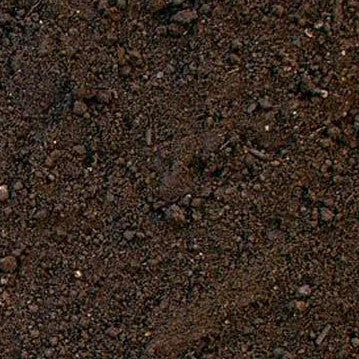
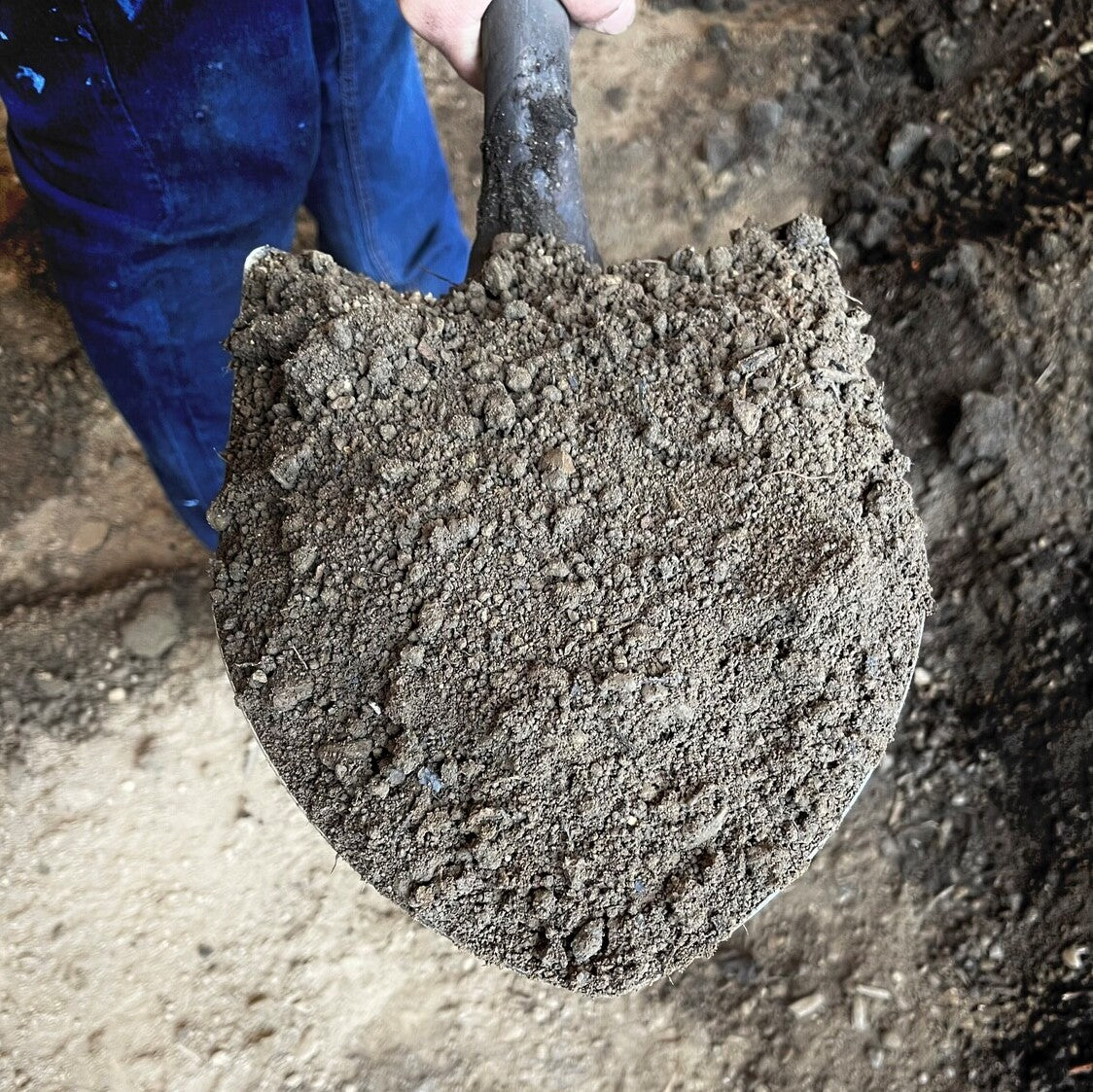
Quality topsoil for lawns, gardens, and landscape projects. Nutrient rich and ready to support strong root development and healthy plant establishment.
We ordered 3 yards of the garden soil, delivered mext day. We used in raised beds 6x3x2. It was more than needed for both but the soil looked good! I added some perlite to add some drainage since this is a little dense.
Tell us what you're looking for
Thanks! We received your request.
Something went wrong. Please try again.
How Much Material Do I Need?
For lawn leveling and topdressing in Johnson City, 2 to 4 inches of topsoil over existing silt loam is typically sufficient for most grading corrections, while new garden or planting beds benefit from 6 to 8 inches of quality soil to give roots plenty of room to establish. Deep-rooted vegetables and established perennials especially appreciate the extra depth during Johnson City's longer frost-free growing window.
Use our free soil calculator
What is a yard?
A yard is approximately 27 cubic feet. As a general guideline, one yard of material can cover an area of about 100-160 square feet at a 2-3 inch depth.
We can't take orders for this right now. Tell us what you need and we'll get back to you.
What do you need?
Thanks! We received your request.
Something went wrong. Please try again.
Hand-picked local yards
4,000+ regional deliveries
Dedicated support
Why order through Mulch Mound
The best local soil, without the guesswork.
We hand-pick and partner with the best yards in your region, keep only the ones our buyers rate well, and back each load with our guarantee.
Mulch Mound Guarantee
If your soil isn't the quantity or quality you ordered, we'll make it right.
About this soil
Quality topsoil for lawns, gardens, and landscape projects. Nutrient rich and ready to support strong root development and healthy plant establishment.
We ordered 3 yards of the garden soil, delivered mext day. We used in raised beds 6x3x2. It was more than needed for both but the soil looked good! I added some perlite to add some drainage since this is a little dense.
How Much Material Do I Need?
For lawn leveling and topdressing in Johnson City, 2 to 4 inches of topsoil over existing silt loam is typically sufficient for most grading corrections, while new garden or planting beds benefit from 6 to 8 inches of quality soil to give roots plenty of room to establish. Deep-rooted vegetables and established perennials especially appreciate the extra depth during Johnson City's longer frost-free growing window.
Use our free soil calculator
What is a yard?
A yard is approximately 27 cubic feet. As a general guideline, one yard of material can cover an area of about 100-160 square feet at a 2-3 inch depth.
We ordered 3 yards of the garden soil, delivered mext day. We used in raised beds 6x3x2. It was more than needed for both but the soil looked good!...
Read full review
We ordered 3 yards of the garden soil, delivered mext day. We used in raised beds 6x3x2. It was more than needed for both but the soil looked good! I added some perlite to add some drainage since this is a little dense.
Measure the length and width of the area you plan to fill or grade in feet and multiply those numbers to get your total square footage. In Johnson City, where freeze-thaw cycles in late winter can cause newly placed soil to settle unevenly, adding a little extra depth, around 4 to 6 inches for lawn leveling, helps compensate for natural settling before you seed or install sod. Divide your square footage by 81 for a 4-inch layer or by 54 for a 6-inch layer to arrive at your cubic yard estimate.
Soil Types We Deliver in Johnson City
Whether you are starting a new lawn, filling raised garden beds, or grading around a foundation, quality bulk soil makes all the difference in the Tennessee hill country. We deliver bulk topsoil by the yard in Johnson City, dropping off exactly the volume you need right where you need it. Our screened soil arrives ready to spread, so you can get to work without extra prep.
Screened Top Soil
A clean, fine-textured topsoil that works well for lawns, vegetable gardens, and landscape grading across the region. Rocks, clumps, and debris are screened out before delivery, leaving a nutrient-rich mix that supports strong root development and healthy plant establishment in the clay-heavy soils common throughout this part of Tennessee.
Complete Your Outdoor Soil Project
After filling and grading with topsoil, finishing your new beds with a layer of hardwood mulch protects the fresh soil surface from Johnson City's rainfall and significantly reduces the weed pressure that always follows freshly disturbed ground through the growing season. Adding decorative stone as edging or in adjacent pathway areas creates a clean visual boundary that also helps keep your new soil in place during heavy rain events.
How much topsoil do I need to level out the uneven spots in my Johnson City yard?
For filling low spots and correcting uneven grade in a Johnson City lawn, 2 to 4 inches of topsoil over the affected area handles most moderate depressions effectively. Multiply the length by the width of each area to get your square footage, then divide by 81 for a 4-inch application to calculate cubic yards. Keep in mind that Johnson City's silt loam soil settles noticeably after rainfall, so ordering roughly 10 to 15 percent more than your exact calculation helps account for that natural settling before the area fully stabilizes.
Answer
Can I use bulk topsoil to fill my raised garden beds, or do I need something specially blended?
Bulk topsoil works well as a base layer in raised garden beds but tends to compact over time on its own, especially in Johnson City where consistent rainfall packs it down steadily through the growing season. Blending topsoil with compost at roughly a 60 to 40 ratio creates a lighter, more nutrient-dense growing medium that drains better and supports the intense root growth vegetable gardens require. Johnson City's Zone 7a growing season runs from late April into October, and starting with a well-blended soil mix helps you take full advantage of that nearly six-month window.
Answer
My yard has some clay-like wet patches. Will adding topsoil fix my drainage problems?
Johnson City's silt loam soil can behave somewhat like clay in compacted areas or where heavier subsoil is close to the surface, holding water for extended periods after rain. Adding topsoil improves the surface growing environment and can redirect minor drainage issues, but it will not resolve problems caused by deep compaction or a naturally high water table in the low spot. For persistently wet areas, combining a topsoil fill with a drainage stone layer at the base, along with grading the surface to direct water away, is a more complete solution than topsoil alone.
Answer
When is the best time of year to add topsoil to my lawn in Johnson City?
The two best windows for topsoil work in Johnson City are late spring after the final frost around April 26 and late summer into early fall between August and mid-September. Spring topsoil applications take advantage of warming soil temperatures and regular rainfall to help new material integrate with the existing silt loam and support seed germination quickly. Fall applications give newly seeded areas enough time to establish roots before the first frost in late October, which is especially important given Johnson City's elevation and the sharper temperature drops that arrive with fall at 1,635 feet.
Answer
How can I tell if the bulk topsoil I am ordering actually has good nutrient content?
Quality bulk topsoil should be dark in color, free of large rocks and debris, and have a loose, crumbly texture that signals good organic matter content. In Johnson City, where native silt loam in developed areas has often been depleted or disturbed by construction grading, sourcing topsoil that has been screened and blended with compost makes a meaningful difference in how plants perform in the first season. If you are planning a vegetable garden or high-performance landscape beds, asking specifically whether compost has been incorporated into the blend before ordering is always a worthwhile conversation.
Answer
Will adding quality topsoil actually make a difference for a vegetable garden in Johnson City's growing zone?
Absolutely. Johnson City's Zone 7a provides a frost-free growing window from around April 26 to October 20, nearly six months of productive time for vegetables, herbs, and warm-season crops. Native silt loam in suburban and urban areas of Johnson City often lacks the organic matter and loose structure that high-yielding vegetable gardens need, especially in yards that have been graded or heavily landscaped. Building your beds with quality topsoil or a topsoil and compost blend gives roots the room and nutrition they need, and the results are dramatically better than planting directly into compacted native ground.
Answer
How deep should I go when adding new soil to start a fresh planting bed in my yard?
For new ornamental shrub and perennial beds in Johnson City, 4 to 6 inches of quality topsoil over the existing silt loam base gives established plants a strong start through the first growing season. Vegetable gardens and annual beds benefit from 6 to 8 inches of enriched soil to support more intensive root growth across the long frost-free period from late April through October. If your existing base soil feels dense and compacted, loosening it with a tiller or fork before adding new topsoil helps the two layers integrate and prevents water from pooling at the interface between old and new material.
Mulch Mound Pro Tip
Johnson City's freeze-thaw cycles between January and late March can cause freshly placed soil to heave and shift, undoing careful grading work done the previous fall. If you are planning major lawn leveling or bed preparation, try to schedule your primary soil placement in early spring after the last hard freeze, giving the ground time to settle naturally before seeding or planting after April 26. This timing also takes advantage of spring rainfall to help new topsoil bond and integrate with the existing silt loam base below the surface.
Mulch Mound Pro Tip
When filling raised garden beds in Johnson City, avoid using straight topsoil if your primary goal is growing vegetables or herbs through the season. Mixing bulk topsoil with compost at roughly a 60 to 40 ratio creates a lighter, more nutrient-dense growing medium that drains better and supports the intense root activity of food crops from spring planting through the October frost. Johnson City's nearly six-month growing season rewards this extra step at the start with noticeably better yields from May through fall.
Mulch Mound Pro Tip
Low spots and soggy areas in Johnson City yards are common because silt loam soil settles unevenly over time and does not always shed water efficiently after heavy rain. When using topsoil to fill and regrade these areas, slope the new surface at least 2 percent away from your home or any structures to direct water away from the foundation during the frequent rain events throughout the year. A proper positive grade not only improves drainage across your yard but also protects your foundation from moisture accumulation that is a real concern in Johnson City's wet seasons.
The Unique Landscape of Johnson City
Johnson City's native silt loam soil is workable and moderately fertile in undisturbed areas, but it compacts readily under foot traffic, heavy equipment, and the region's consistent annual rainfall. In graded or developed areas around new construction or home renovation projects, the native topsoil is often stripped away or buried, leaving behind a compacted subsoil that drains poorly and supports little plant growth. At 1,635 feet of elevation, Johnson City landscapes are also subject to freeze-thaw cycles in late winter and early spring that can heave newly graded areas and create uneven lawn surfaces. Bringing in quality topsoil or garden mix allows homeowners to build up grade, create productive raised beds, and establish a growing medium that gives new lawn areas and gardens a strong start before the growing season opens. The window between the last frost around April 26 and the first frost around October 20 is valuable, and quality soil gives plants every advantage to thrive within that period.