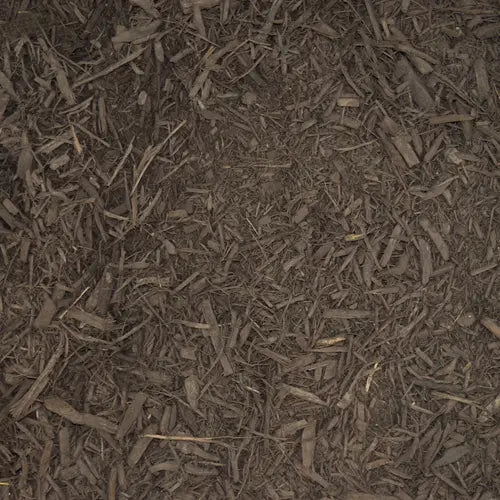
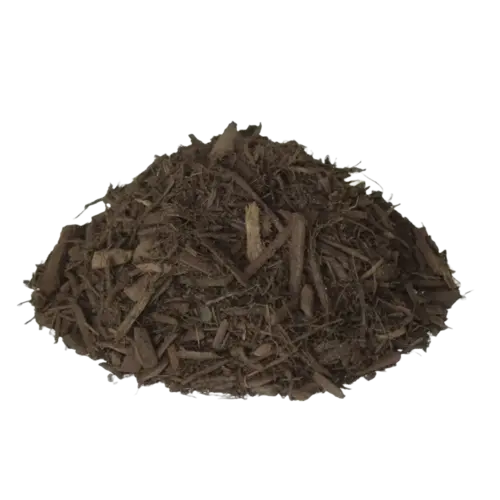
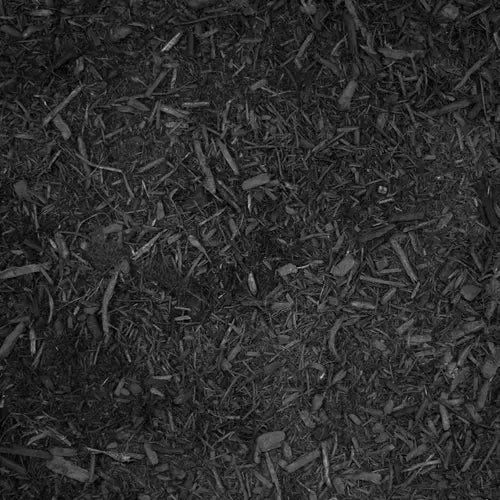
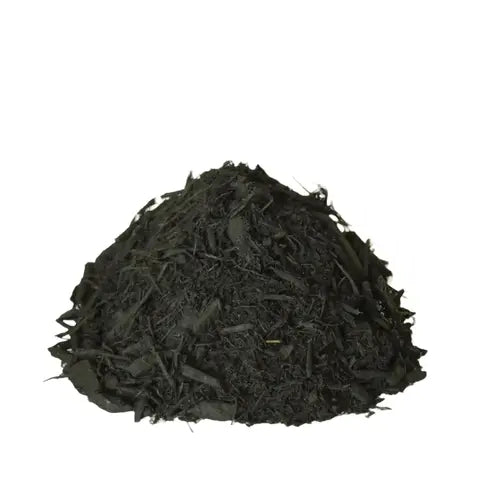
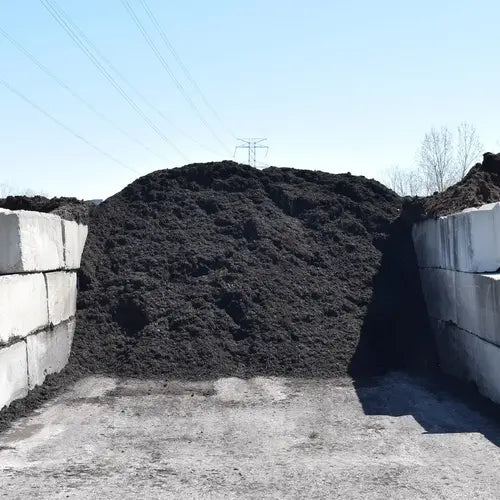
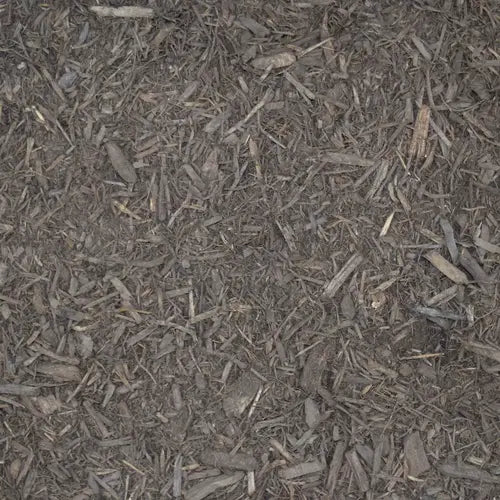
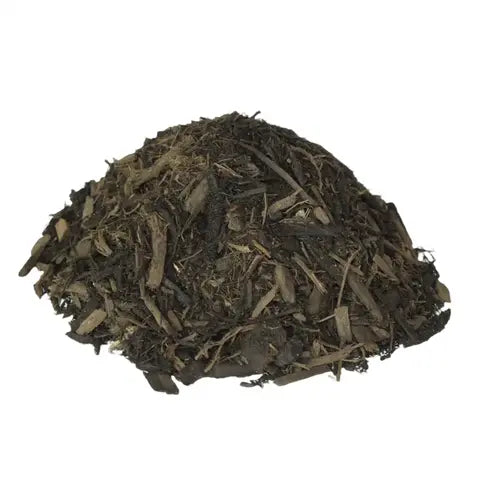
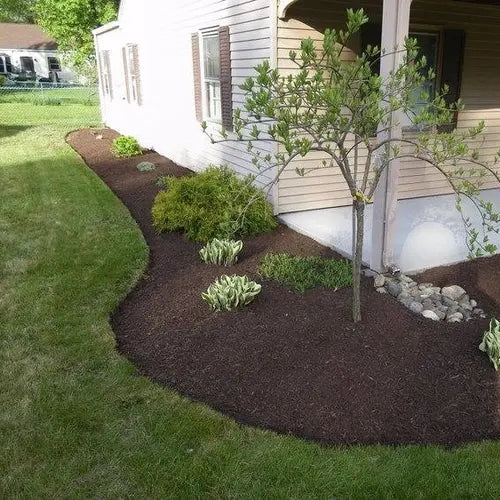
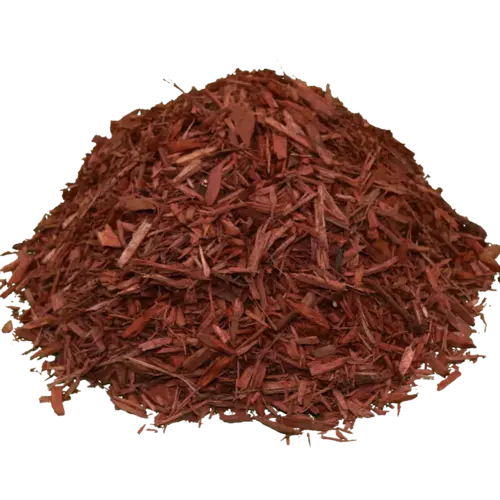
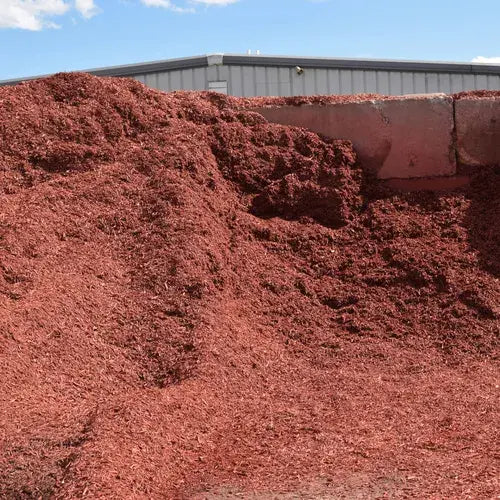
Warm brown double shredded mulch with lasting color that looks freshly applied for weeks. Spreads smooth, stays put, and gives beds a natural, polished appearance.
I highly recommend Mulch Mound. The quality of the mulch is very good. The ordering system on their website makes it very easy. The delivery driver did a great job placing the mulch on the driveway. To finish off, the pricing was very reasonable as well.
Tell us what you're looking for
Thanks! We received your request.
Something went wrong. Please try again.
How Much Material Do I Need?
For most Johnstown beds with clay loam soil, a two-to-three-inch mulch layer delivers the right balance of weed suppression and moisture regulation without creating drainage problems against dense soil. Avoid piling mulch more than three inches deep directly against plant crowns, where trapped moisture from Johnstown's frequent rains can cause rot.
Use our free mulch calculator
What is a yard?
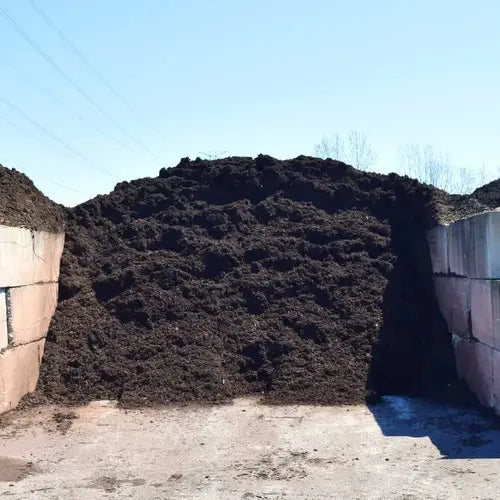
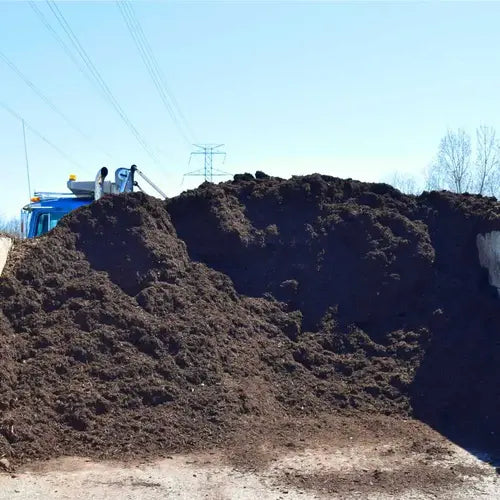
A yard is approximately 27 cubic feet. As a general guideline, one yard of material can cover an area of about 100-160 square feet at a 2-3 inch depth.
We can't take orders for this right now. Tell us what you need and we'll get back to you.
What do you need?
Thanks! We received your request.
Something went wrong. Please try again.
Hand-picked local yards
4,000+ regional deliveries
Dedicated support
Why order through Mulch Mound
The best local mulch, without the guesswork.
We hand-pick and partner with the best yards in your region, keep only the ones our buyers rate well, and back each load with our guarantee.
Mulch Mound Guarantee
If your mulch isn't the quantity or quality you ordered, we'll make it right.
About this mulch
Warm brown double shredded mulch with lasting color that looks freshly applied for weeks. Spreads smooth, stays put, and gives beds a natural, polished appearance.
I highly recommend Mulch Mound. The quality of the mulch is very good. The ordering system on their website makes it very easy. The delivery driver did a great job placing the mulch on the driveway. To finish off, the pricing was very reasonable as well.
How Much Material Do I Need?
For most Johnstown beds with clay loam soil, a two-to-three-inch mulch layer delivers the right balance of weed suppression and moisture regulation without creating drainage problems against dense soil. Avoid piling mulch more than three inches deep directly against plant crowns, where trapped moisture from Johnstown's frequent rains can cause rot.
Use our free mulch calculator
What is a yard?
A yard is approximately 27 cubic feet. As a general guideline, one yard of material can cover an area of about 100-160 square feet at a 2-3 inch depth.
I highly recommend Mulch Mound. The quality of the mulch is very good. The ordering system on their website makes it very easy. The delivery driver...
Read full review
I highly recommend Mulch Mound. The quality of the mulch is very good. The ordering system on their website makes it very easy. The delivery driver did a great job placing the mulch on the driveway. To finish off, the pricing was very reasonable as well.
They offered a quick turnaround and delivered high quality mulch at a reasonable price. They also dropped it off exactly where I told them to put i...
Read full review
They offered a quick turnaround and delivered high quality mulch at a reasonable price. They also dropped it off exactly where I told them to put it. Good service!
Measure each bed's length and width in feet, multiply them together, and add all your sections to get a total square footage. For Johnstown's clay loam beds, a three-inch depth is the typical standard, so divide your total square footage by 108 to estimate cubic yards needed. Because Johnstown's rainfall and humidity break down natural mulch faster than in drier climates, ordering slightly more than your minimum estimate gives you a reserve for early top-offs.
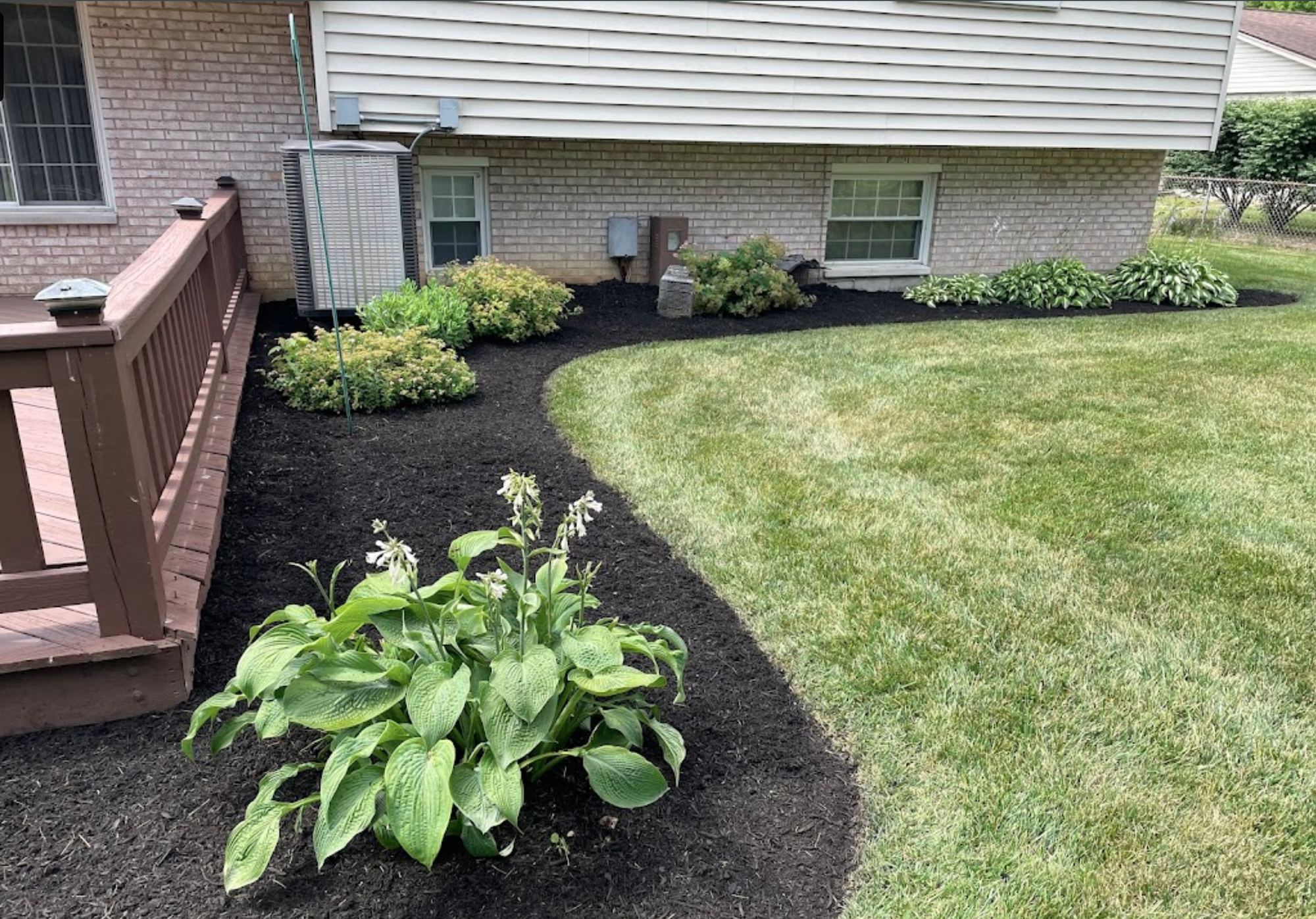
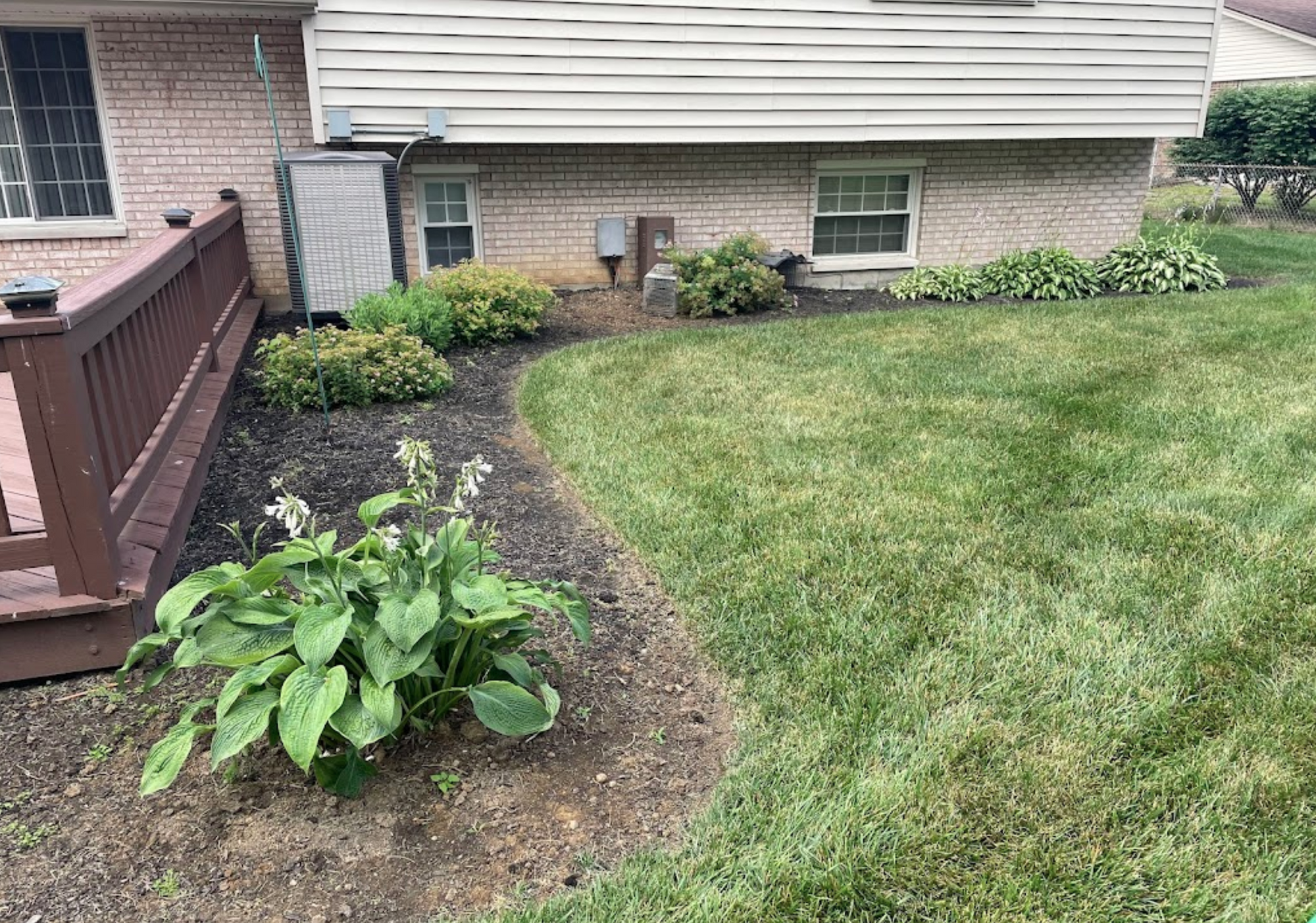
Mulch vs. No Mulch: The Difference
Johnstown's combination of 46 inches of annual rainfall and clay loam soil creates conditions where natural mulch breaks down at a noticeably faster rate than in drier Pennsylvania regions, meaning you may need to refresh beds more often but also gain added organic matter in your soil with each passing season. Dyed mulch uses pigment that resists the fading caused by frequent rain and high humidity, keeping beds looking fresh longer through the growing season. The decision between the two often depends on whether your priority is long-term soil amendment or sustained visual appeal through Johnstown's wet and variable weather.
Before
After
Best Mulch Choice for Johnstown Lawns
Most yards in the Johnstown area sit on Clay Loam type of soil. Clay loam soil in Johnstown packs down tightly over time, reducing aeration around plant roots and making beds harder to work each spring when new planting season begins.
Hardwood Mulch
Hardwood mulch breaks down slowly and steadily in Johnstown's humid conditions, releasing organic material that works its way into clay loam soil and progressively improves its texture, drainage, and nutrient availability season after season.
Mulch Types We Deliver in Johnstown
Ordering bulk mulch delivery in Johnstown is simple, with everything priced by the cubic yard so you get exactly what your beds need. The region's clay-heavy soils and variable spring weather make a good mulch layer essential for moisture retention and root protection. We deliver fresh mulch right to your property, ready to spread.
Dyed Black Mulch
Bold and striking, dyed black double shredded mulch creates sharp contrast against green shrubs and perennials. The deep color holds through Pennsylvania's wet springs and warm summers, making it a top pick for homeowners who want clean, modern curb appeal. It spreads smoothly and stays put on sloped beds.
Dyed Brown Mulch
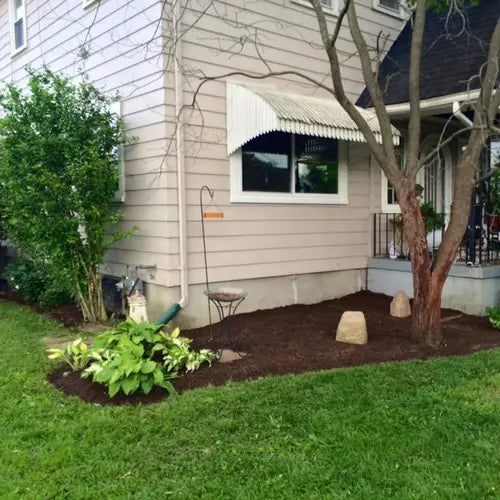
Dyed brown double shredded mulch blends naturally with the earthy tones common in western Pennsylvania yards. The warm color stays looking freshly applied for weeks, giving beds a polished appearance through wet stretches. It suits traditional home styles and works equally well in sunny borders or shaded foundation plantings.
Natural Brown Mulch
Natural brown double shredded mulch skips the dye and lets the wood's own warm tone do the work. It complements the region's mature trees and established plantings with an honest, understated look. The smooth texture spreads easily and breaks down over time, gently improving the heavier clay soils common here.
Dyed Red Mulch
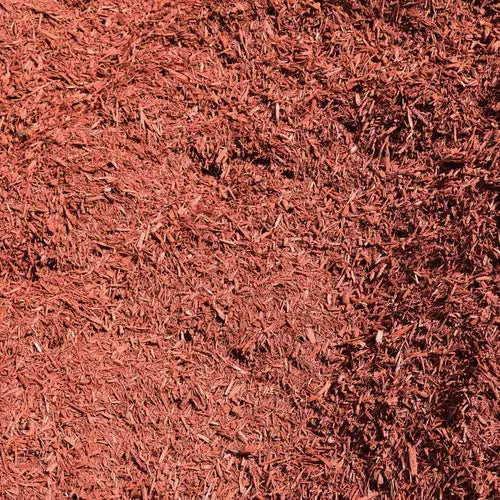
Dyed red double shredded mulch makes a bold statement in any landscape bed. The vibrant color pops against dark foliage and holds its intensity through the season, even under strong summer sun. It is a popular choice for entryways and borders where visual impact is the goal.
Complete Your Outdoor Mulch Project
Mulch works best when the beds underneath it are already filled with quality material, so consider pairing your mulch order with a bulk topsoil or garden soil delivery to build up the low spots that are common in Johnstown's uneven terrain. If your property has slopes or gravel pathways near the beds, a decorative stone order can frame your mulched areas cleanly and handle the drainage demands that Johnstown's annual rainfall creates.
Johnstown's clay loam soil tends to form a hard crust during dry spells between rainstorms, making it difficult for water to penetrate evenly when rain returns. Before spreading fresh mulch, loosen the top inch of soil with a cultivator to break that crust. This simple step helps the mulch layer work in partnership with your soil rather than sitting on top of an impermeable surface, improving moisture distribution to plant roots through the entire growing season.
Mulch Mound Pro Tip
Because Johnstown's last frost can linger as late as May 10, avoid piling fresh mulch directly on top of emerging perennial shoots in early spring. Wait until new growth is a few inches tall before pulling mulch back close to plant bases. This gives delicate shoots room to harden off without the extra insulation trapping cold air around them during the final frost events that occasionally strike Johnstown well into mid-May.
Mulch Mound Pro Tip
With 46 inches of rain falling on Johnstown each year, mulch color can fade noticeably by midsummer, particularly on south-facing beds that receive full sun. If curb appeal is a priority, plan a light top-off of fresh natural or dyed mulch in July or early August before the material looks depleted. A thin one-inch refresh is usually enough to revive the color and bulk up suppression ahead of the late-summer weed flush that follows Johnstown's warmest and wettest stretch.
Frequently Asked Questions
Click a question to see the answer
Answer
How deep should I spread mulch over my Johnstown flower beds?
For most Johnstown beds planted in clay loam soil, a depth of two to three inches is ideal. That thickness suppresses the weed growth that thrives in Johnstown's rainy springs without smothering plant crowns or blocking the airflow roots need. Going much deeper than three inches on clay loam can trap excess moisture against stems, especially after the heavy late-spring storms that frequently roll through the area.
Answer
Will mulch help with the water-logging my clay loam beds get after big rainstorms?
Mulch will not change how water moves through your underlying clay loam, but it plays an important role in slowing surface runoff and reducing the impact of hard rains on bare soil. Johnstown averages 46 inches of rainfall per year, and without mulch coverage, that precipitation splashes soil, compacts the surface, and erodes bed edges. A proper mulch layer absorbs the initial impact, lets water percolate more gradually, and keeps the soil structure underneath from sealing over.
Answer
When is the best time of year to mulch in Johnstown?
Most Johnstown homeowners get the most value from mulching in two windows. The first is in late spring, just after the average last frost of May 10, when the soil has begun to warm and new plantings are going in. The second opportunity is in early fall, before the first frost typically arrives around September 26, which gives roots an insulating layer heading into winter. Refreshing mulch in both periods helps Johnstown's clay loam beds stay productive and protected year-round.
Answer
Does all the rain we get in Johnstown break down mulch faster than in drier climates?
Yes, Johnstown's 46 inches of annual rainfall accelerates the decomposition of natural wood mulches compared to drier regions. That breakdown is actually beneficial for clay loam soil because decomposing mulch adds organic matter that helps loosen the dense soil structure over time. The tradeoff is that you will likely need to top off your mulch layer more frequently, often once or twice a year, to maintain weed suppression and a fresh appearance.
Answer
Should I pull back my mulch before the ground freezes in fall?
No, leaving mulch in place through Johnstown's winter is generally the right call. The clay loam soil in this area is prone to frost heaving, which is when freeze-thaw cycles push shallow plant roots out of the ground. A two-to-three-inch mulch layer moderates soil temperature fluctuations and keeps that heaving to a minimum, protecting perennial roots through the cold months between Johnstown's first frost around September 26 and the last frost around May 10.
Answer
What is the difference between natural and dyed mulch for Johnstown yards?
Natural hardwood mulch breaks down relatively quickly in Johnstown's wet, humid conditions, releasing organic material that benefits clay loam soil structure over time. Dyed mulch uses a colorant that holds its appearance longer through the rainy season, which can be appealing for high-visibility beds at the front of a home. The choice often comes down to whether you prioritize long-term soil health improvement or consistent curb appeal through a climate that fades color quickly.
Answer
How many cubic yards of mulch do I need for my Johnstown yard?
A good starting estimate is one cubic yard for every 100 square feet of bed space at a three-inch depth. Before ordering, walk your beds and measure length by width in each section, then add those totals together. In Johnstown, it is usually worth rounding up slightly since the rainy season and rapid decomposition mean you may want a top-off sooner than expected, and having a small surplus saves you from scheduling a second delivery.
The Unique Landscape of Johnstown
Johnstown's clay loam soil is naturally dense and slow to drain, which means plant beds can sit wet for days after the area's frequent spring rains before drying out unevenly during summer. Applying mulch over this soil type creates a buffer that moderates moisture swings and keeps roots from drowning or cracking during extremes. At an elevation of 1,178 feet, Johnstown endures meaningful temperature variation between seasons, and mulch provides critical insulation that protects shallow-rooted plants when September frosts arrive as early as September 26. The city receives about 46 inches of rain annually, enough to splash bare soil, erode bed edges, and kick up weed seeds constantly, and a consistent mulch layer suppresses that cycle before it starts. Whether you are refreshing front-yard beds or establishing new plantings after the last frost around May 10, mulch gives Johnstown landscapes a resilient foundation through every season.