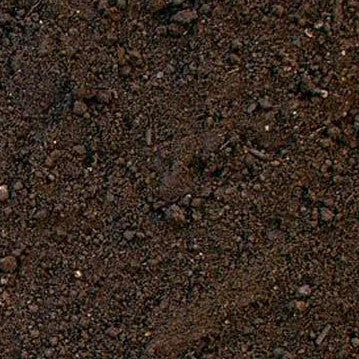
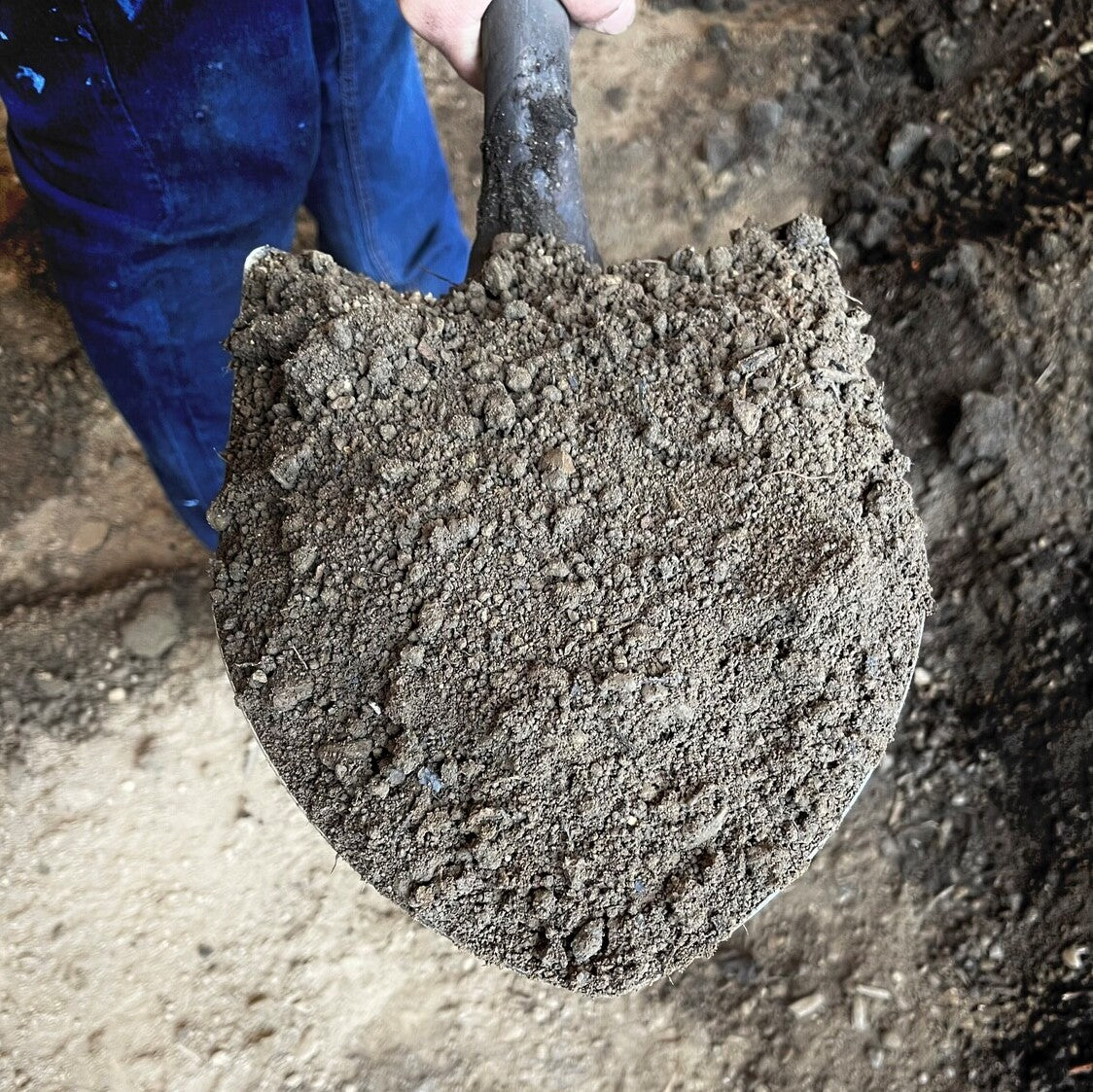
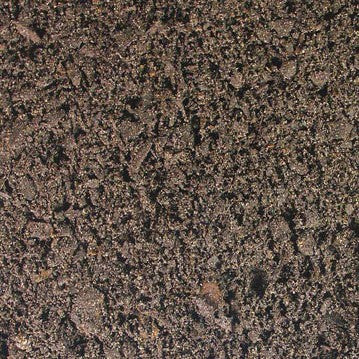
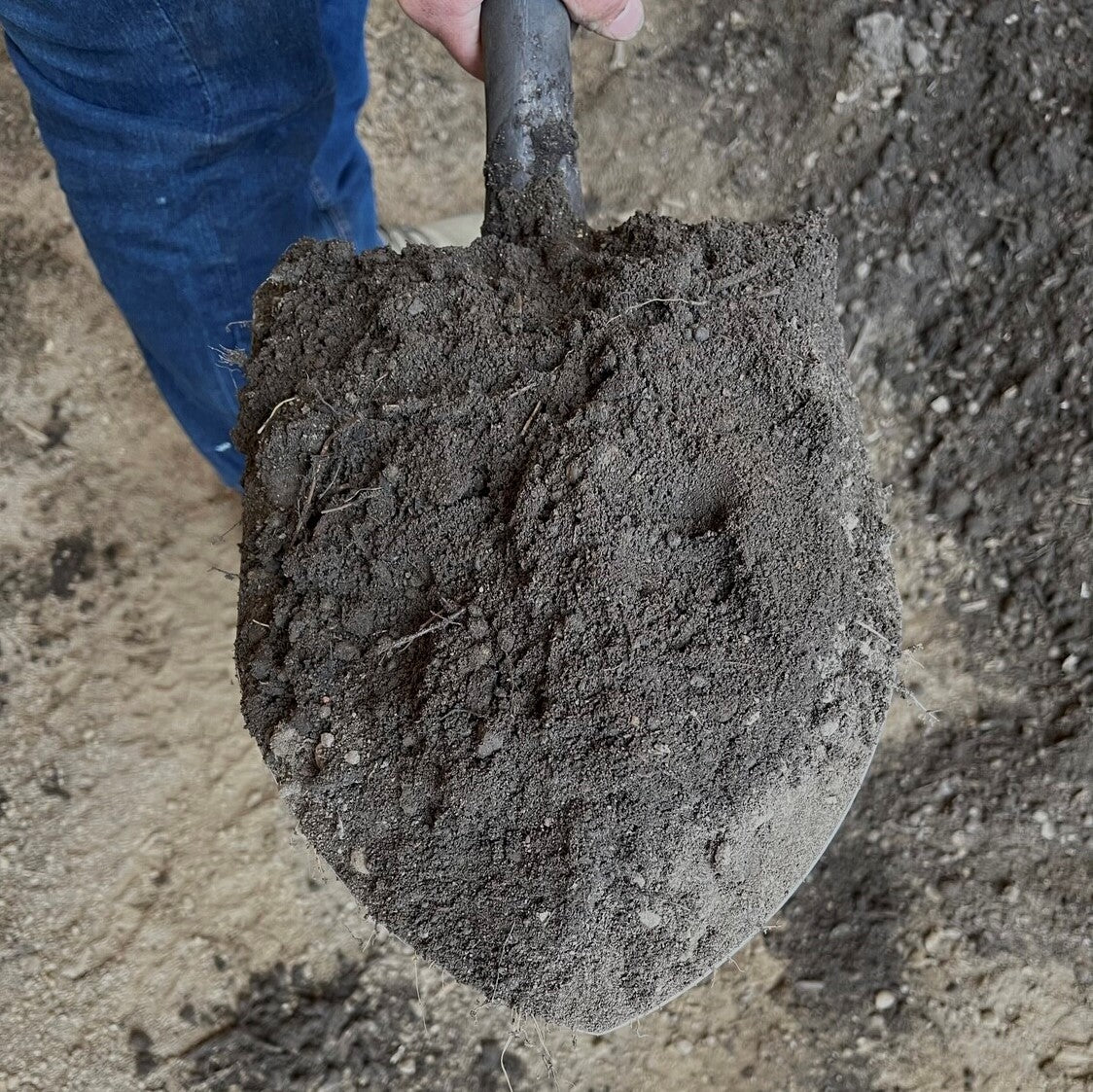
Quality topsoil for lawns, gardens, and landscape projects. Nutrient rich and ready to support strong root development and healthy plant establishment.
We ordered 3 yards of the garden soil, delivered mext day. We used in raised beds 6x3x2. It was more than needed for both but the soil looked good! I added some perlite to add some drainage since this is a little dense.
Tell us what you're looking for
Thanks! We received your request.
Something went wrong. Please try again.
How Much Material Do I Need?
For most Johnstown lawn and bed projects, two to four inches of fresh topsoil or garden mix provides enough depth to meaningfully improve drainage and fertility above the dense clay loam base. Raised bed construction typically requires a minimum of ten to twelve inches of quality soil mix to support deep-rooted vegetables and perennials through the full growing season between May 10 and the first fall frost.
Use our free soil calculator
What is a yard?
A yard is approximately 27 cubic feet. As a general guideline, one yard of material can cover an area of about 100-160 square feet at a 2-3 inch depth.
We can't take orders for this right now. Tell us what you need and we'll get back to you.
What do you need?
Thanks! We received your request.
Something went wrong. Please try again.
Hand-picked local yards
4,000+ regional deliveries
Dedicated support
Why order through Mulch Mound
The best local soil, without the guesswork.
We hand-pick and partner with the best yards in your region, keep only the ones our buyers rate well, and back each load with our guarantee.
Mulch Mound Guarantee
If your soil isn't the quantity or quality you ordered, we'll make it right.
About this soil
Quality topsoil for lawns, gardens, and landscape projects. Nutrient rich and ready to support strong root development and healthy plant establishment.
We ordered 3 yards of the garden soil, delivered mext day. We used in raised beds 6x3x2. It was more than needed for both but the soil looked good! I added some perlite to add some drainage since this is a little dense.
How Much Material Do I Need?
For most Johnstown lawn and bed projects, two to four inches of fresh topsoil or garden mix provides enough depth to meaningfully improve drainage and fertility above the dense clay loam base. Raised bed construction typically requires a minimum of ten to twelve inches of quality soil mix to support deep-rooted vegetables and perennials through the full growing season between May 10 and the first fall frost.
Use our free soil calculator
What is a yard?
A yard is approximately 27 cubic feet. As a general guideline, one yard of material can cover an area of about 100-160 square feet at a 2-3 inch depth.
We ordered 3 yards of the garden soil, delivered mext day. We used in raised beds 6x3x2. It was more than needed for both but the soil looked good!...
Read full review
We ordered 3 yards of the garden soil, delivered mext day. We used in raised beds 6x3x2. It was more than needed for both but the soil looked good! I added some perlite to add some drainage since this is a little dense.
Start by measuring the length and width of the area you are filling in feet, then multiply those numbers to get square footage. Divide that total by 324 to estimate cubic yards at a one-inch depth, then multiply by your desired depth in inches to find the full amount needed. In Johnstown, where clay loam base soil often needs meaningful amendment rather than a thin top-dressing, planning for at least two to four inches of new material makes a real difference in root-zone conditions.
Soil Types We Deliver in Johnstown
Mulch Mound delivers bulk topsoil by the yard in Johnstown, making it simple to tackle lawn repairs, raised beds, or full landscape overhauls without renting a trailer. The clay-heavy native soils common to this part of Pennsylvania mean quality amendments really matter for getting plants off to a strong start. We carry several varieties to match whatever your yard or garden needs this season.
Screened Top Soil
Our screened topsoil is uniform in texture and ready for filling low spots, establishing new lawns, or prepping planting beds. In Johnstown yards where compacted subsoil is common, adding a quality topsoil layer gives roots the loose, nutrient-rich environment they need to get established quickly.
Gardening Blend
A ready-to-use mix of topsoil and organic amendments built for raised beds, flower gardens, and new planting areas. It drains well, works easily, and suits Johnstown homeowners starting fresh plots or refreshing tired garden spaces with something more balanced than native soil alone.
Mushroom Compost
Spent mushroom substrate packed with organic matter and slow-release nutrients, great for vegetable gardens and flower beds. Mixed into the naturally heavy soils of western Pennsylvania, it improves drainage and texture while delivering a steady fertility boost plants can draw from all season.
Leaf Compost
Decomposed leaf compost that feeds soil biology and helps retain moisture through the dry spells this region sees in summer. A natural fit for tired beds needing organic matter restored, it blends easily with existing soil to improve structure and support the beneficial microorganisms that keep gardens healthy.
Complete Your Outdoor Soil Project
Once your soil is graded and settled, a layer of mulch on top protects the investment from Johnstown's rainfall and holds moisture during summer dry spells between storms. If you are building defined pathways or borders around your new beds, a crushed stone or river stone order provides a clean, durable edge that handles Johnstown's wet conditions without washing away.
What kind of soil should I use to build raised beds in Johnstown?
For raised beds in Johnstown, a garden mix that blends topsoil with compost is ideal. The clay loam native to this area drains slowly and can compact inside raised bed walls, so starting with a looser, more organic mix gives roots room to spread without hitting a dense barrier. A well-amended garden mix also warms faster in spring, which matters in Johnstown where frosts can persist until May 10 and every warm week at the start of the growing season counts.
Answer
Can I use bulk topsoil to fix the low soggy spots in my Johnstown yard?
Yes, bulk topsoil is one of the most effective tools for addressing low spots that collect water after Johnstown's frequent rains. Because the native clay loam does not drain quickly, water tends to pool in any depression longer than it would in sandier soils. Filling those areas with topsoil and grading them to slope away from structures or toward drainage routes solves the problem at the source rather than just managing symptoms.
Answer
How much topsoil do I need to level a patchy lawn in Johnstown?
For minor lawn leveling in Johnstown, a quarter to half inch of topsoil spread across low areas is usually enough to improve drainage and give grass seed a better growing surface. Larger depressions may need two to three inches of fill before seeding. Measure your problem areas and calculate square footage, then note that roughly one cubic yard covers 300 square feet at one inch deep. Given the clay loam base underneath most Johnstown lawns, using quality topsoil rather than native fill gives grass roots a much better start.
Answer
When should I add soil to my garden beds in Johnstown to get ready for planting?
The best time to add and amend soil in Johnstown is in the two to three weeks before your last frost date, which averages around May 10. This allows the fresh soil to settle, absorb some moisture from spring rains, and begin warming before transplants go in. If you are doing a fall project, adding soil in September before the first frost arrives around September 26 gives it time to integrate with underlying clay loam through the freeze-thaw cycles of winter.
Answer
Will delivered topsoil work with or against the clay loam soil already in my yard?
Good quality topsoil layers naturally over Johnstown's clay loam base and improves the growing conditions in the top several inches where most plant roots live. The key is not to leave a sharp boundary between new soil and the dense clay beneath. When possible, loosen the top two inches of the existing clay loam before spreading new topsoil, which helps the two layers blend better and reduces the risk of water pooling at the interface between them during heavy rain events.
Answer
Is topsoil or garden mix better for filling a vegetable garden in Johnstown?
For vegetable growing in Johnstown, a garden mix is almost always the better choice over plain topsoil. Vegetable crops are heavier feeders and need more organic matter than most ornamentals, and a garden mix delivers that richness from the start. It also drains more freely than straight topsoil layered over Johnstown's clay loam, which means roots are less likely to sit in saturated conditions after the area's frequent heavy rains. The looser texture also makes harvesting root vegetables like carrots and beets far easier.
Answer
How do I keep topsoil from washing away on my sloped Johnstown property?
Slopes in Johnstown are particularly vulnerable to erosion given the area's 46 inches of annual rainfall and the clay loam base that lets water run off quickly once it is saturated. After grading with topsoil, seed the area immediately or apply a layer of straw to hold the surface until grass establishes. On steeper grades, a layer of mulch over topsoil provides short-term erosion control while plants root in. Stone edging along the downhill border of a slope also helps contain soil during heavy storm events.
Mulch Mound Pro Tip
Johnstown's clay loam base soil becomes nearly impermeable when compacted, which means new topsoil laid directly on a hard, sealed surface can end up holding water rather than draining it. Before you spread any bulk soil, run a tiller or garden fork through the top two inches of your existing ground to break up the surface layer. This simple step allows roots to eventually push through into the native soil rather than staying trapped in the new material above it.
Mulch Mound Pro Tip
If you are building raised beds in Johnstown to work around clay loam drainage issues, consider placing a two-inch layer of coarse gravel at the bottom of each bed frame before adding your soil mix. Johnstown averages 46 inches of rain annually, and during prolonged wet stretches even well-draining garden soil can become saturated if the base is sealed with clay. A gravel base layer gives excess water a place to exit before it sits long enough to damage roots.
Mulch Mound Pro Tip
Timing your soil delivery around Johnstown's frost calendar makes a real difference in how quickly you can put the material to use. Soil ordered and spread two to three weeks before the May 10 last frost date will settle and begin to warm, putting you ahead of schedule when transplanting time arrives. Similarly, grading and filling projects completed before September 26 allow seeded areas to germinate and establish before cold shuts down growth for the season.
The Unique Landscape of Johnstown
Johnstown's native clay loam soil presents real structural challenges for anyone trying to grow vegetables, establish new lawn, or build up raised garden beds from scratch. Clay loam holds nutrients well but drains slowly, and in a city that receives 46 inches of rain per year, that can mean standing water in low spots and waterlogged roots during prolonged wet stretches. Adding quality bulk topsoil or garden mix to your landscape gives you control over the growing medium rather than fighting the limitations of the native soil. At 1,178 feet in elevation, Johnstown also has a relatively short growing window between the last frost on May 10 and the first frost around September 26, making it critical to start plants in well-amended, loose soil that warms quickly and supports fast root development. Whether you are leveling a lawn, building raised beds, or grading around a foundation, delivered bulk soil gives Johnstown homeowners a practical way to improve the ground they are working with.