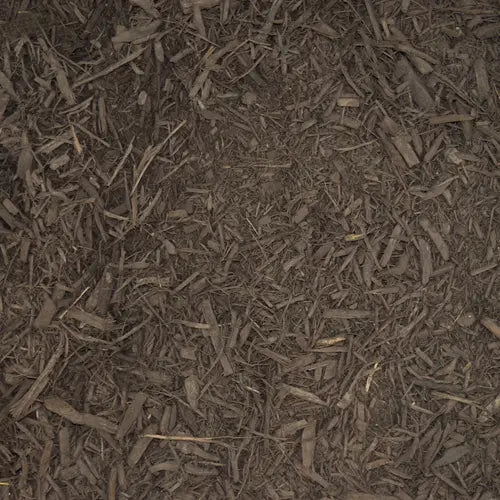
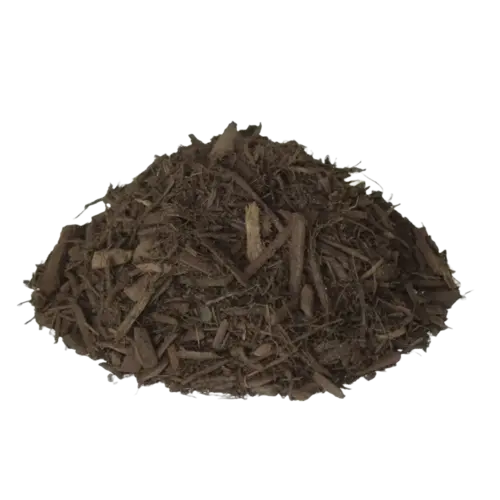
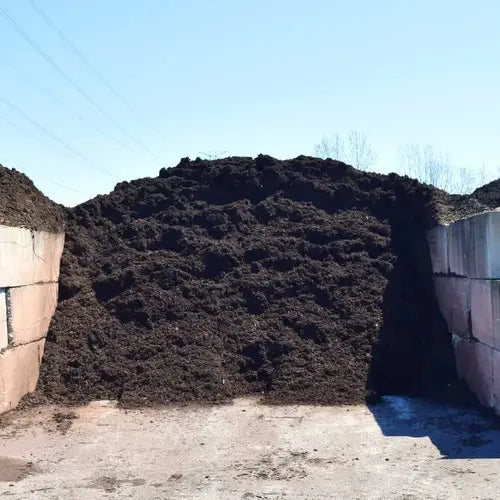
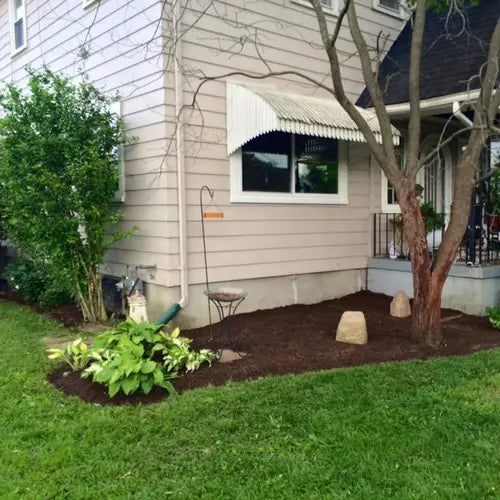
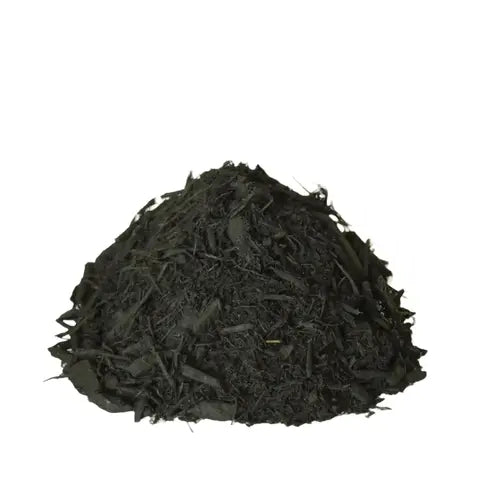
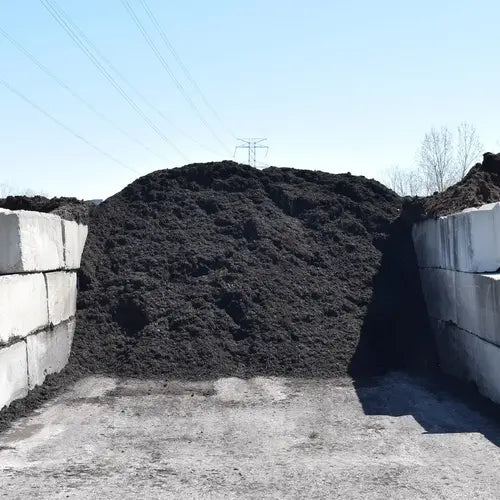
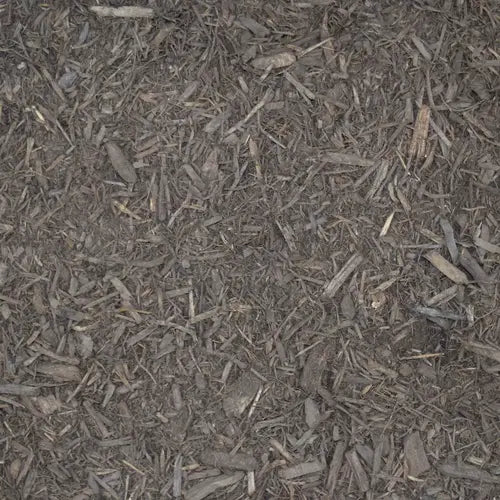
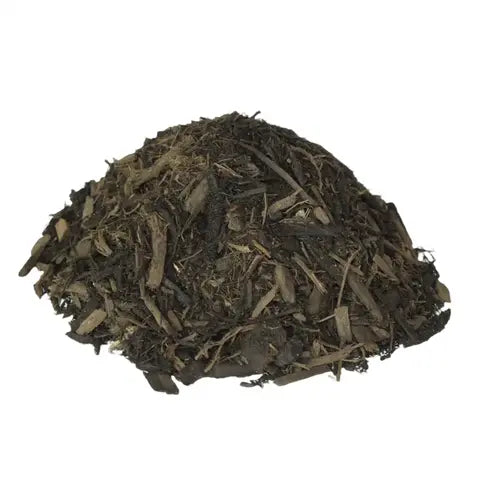
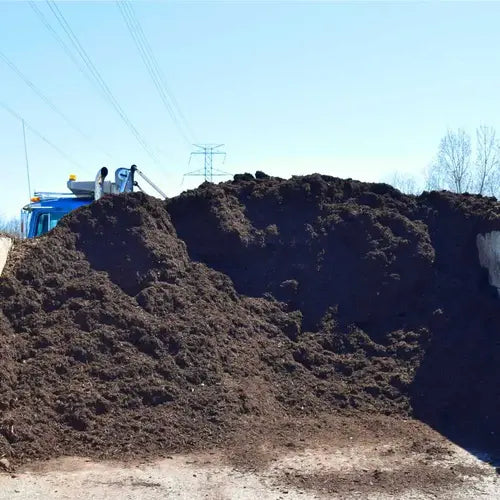
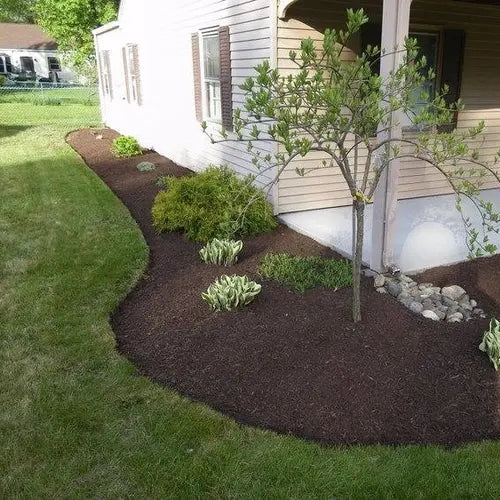
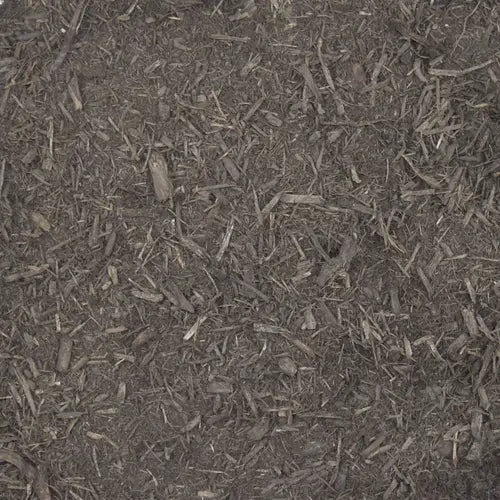
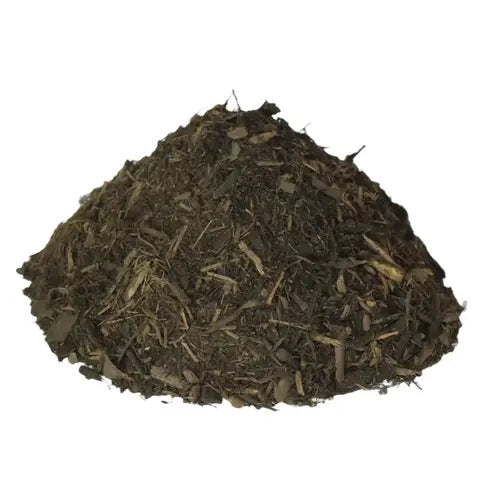
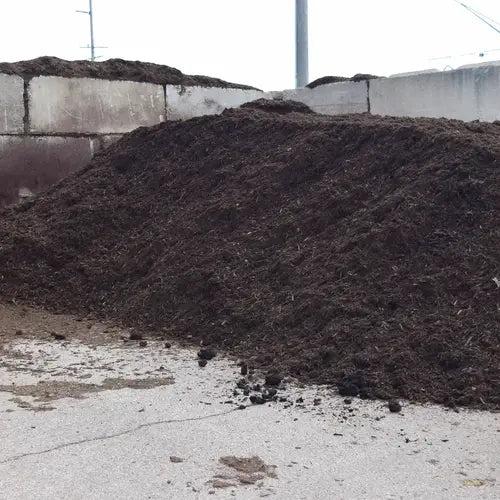
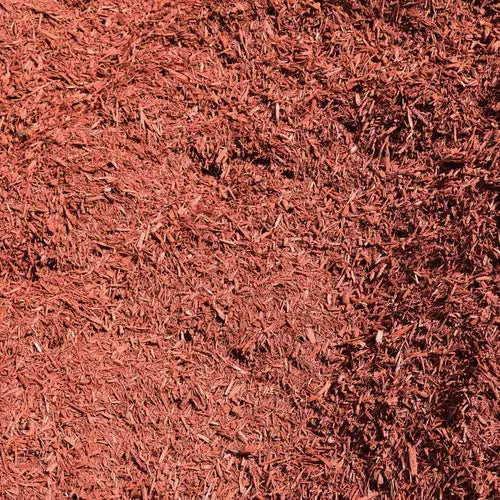
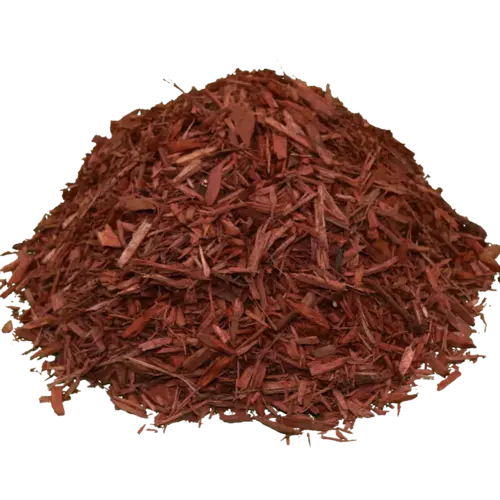
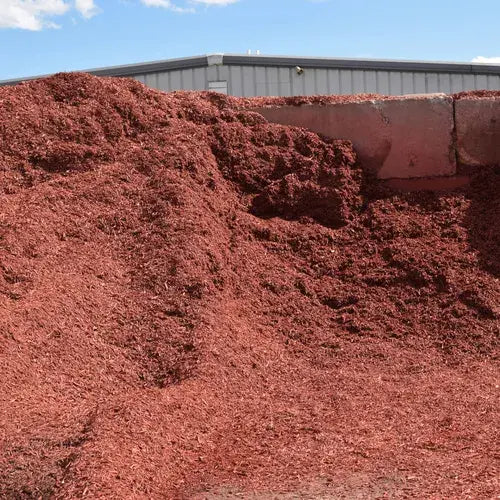
Warm brown double shredded mulch with lasting color that looks freshly applied for weeks. Spreads smooth, stays put, and gives beds a natural, polished appearance.
Great experience! Easy to order, they delivered promptly and were very respectful of the property! Ordered the triple shredded brown mulch and it was EXACTLY what I wanted. Very clean product too, no garbage or filler. Already put these guys in my calendar to order from next y...
Tell us what you're looking for
Thanks! We received your request.
Something went wrong. Please try again.
How Much Material Do I Need?
Plan for 3 inches of mulch depth across all your planted beds — Kannapolis red clay benefits from that full layer to buffer moisture loss and insulate roots during the long Zone 7b growing season from early April through November. As a general rule, one cubic yard covers approximately 100 square feet at 3 inches deep.
Use our free mulch calculator
What is a yard?
A yard is approximately 27 cubic feet. As a general guideline, one yard of material can cover an area of about 100-160 square feet at a 2-3 inch depth.
We can't take orders for this right now. Tell us what you need and we'll get back to you.
What do you need?
Thanks! We received your request.
Something went wrong. Please try again.
Hand-picked local yards
4,000+ regional deliveries
Dedicated support
Why order through Mulch Mound
The best local mulch, without the guesswork.
We hand-pick and partner with the best yards in your region, keep only the ones our buyers rate well, and back each load with our guarantee.
Mulch Mound Guarantee
If your mulch isn't the quantity or quality you ordered, we'll make it right.
About this mulch
Warm brown double shredded mulch with lasting color that looks freshly applied for weeks. Spreads smooth, stays put, and gives beds a natural, polished appearance.
Great experience! Easy to order, they delivered promptly and were very respectful of the property! Ordered the triple shredded brown mulch and it was EXACTLY what I wanted. Very clean product too, no garbage or filler. Already put these guys in my calendar to order from next y...
How Much Material Do I Need?
Plan for 3 inches of mulch depth across all your planted beds — Kannapolis red clay benefits from that full layer to buffer moisture loss and insulate roots during the long Zone 7b growing season from early April through November. As a general rule, one cubic yard covers approximately 100 square feet at 3 inches deep.
Use our free mulch calculator
What is a yard?
A yard is approximately 27 cubic feet. As a general guideline, one yard of material can cover an area of about 100-160 square feet at a 2-3 inch depth.
Great experience! Easy to order, they delivered promptly and were very respectful of the property! Ordered the triple shredded brown mulch and it w...
Read full review
Great experience! Easy to order, they delivered promptly and were very respectful of the property! Ordered the triple shredded brown mulch and it was EXACTLY what I wanted. Very clean product too, no garbage or filler. Already put these guys in my calendar to order from next year! Keep up the good work.
To estimate mulch for your Kannapolis beds, measure the length and width of each bed in feet and multiply to get square footage, then use our calculator to convert that area to cubic yards at your chosen depth. Because red clay soil doesn't absorb water as readily as loamy soils, a full 3-inch application is recommended — going thinner may leave you refilling beds sooner than expected after Kannapolis's summer heat and rainfall cycles break the mulch down. Add up all your bed areas before ordering to make sure everything gets covered in a single delivery.
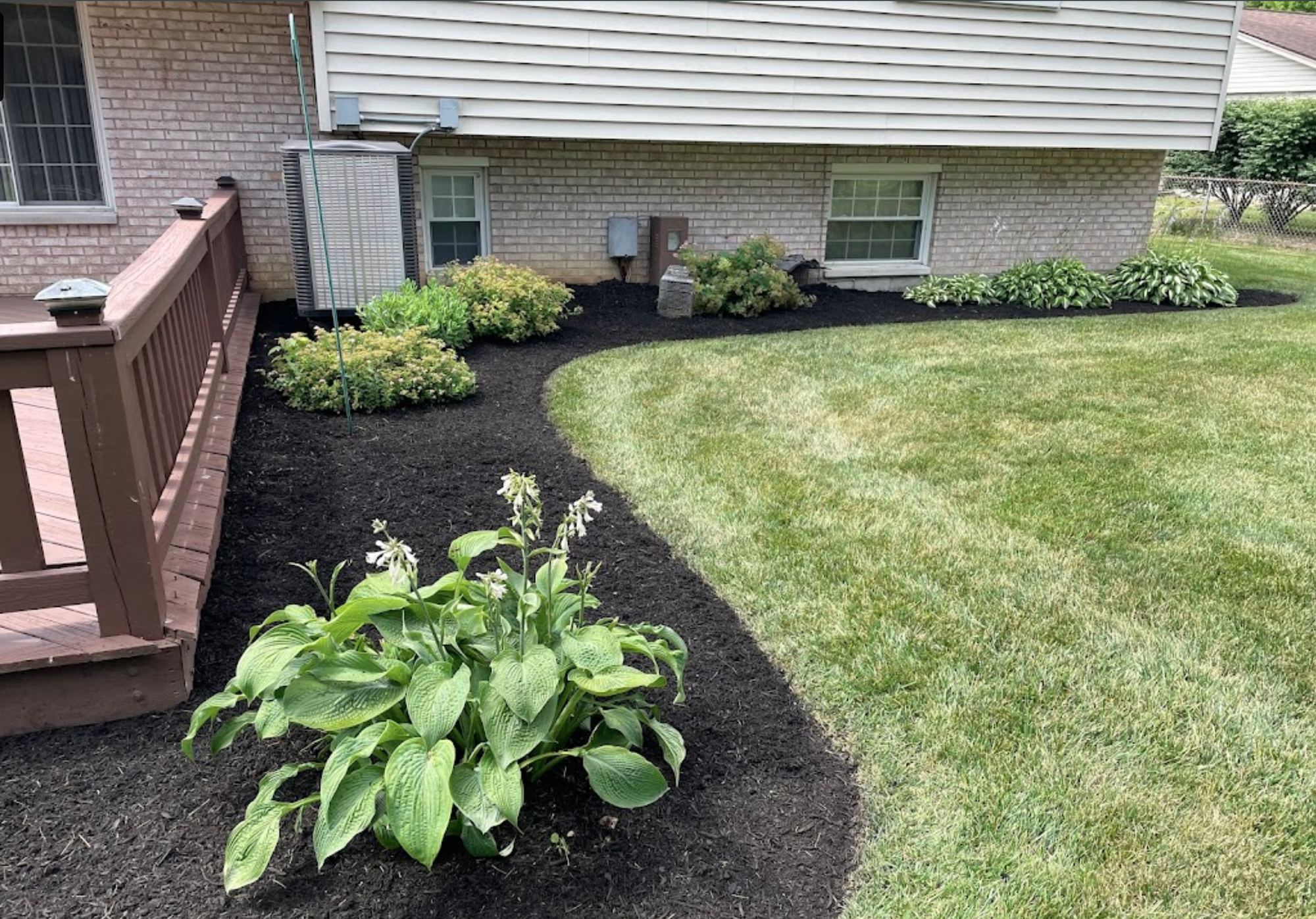
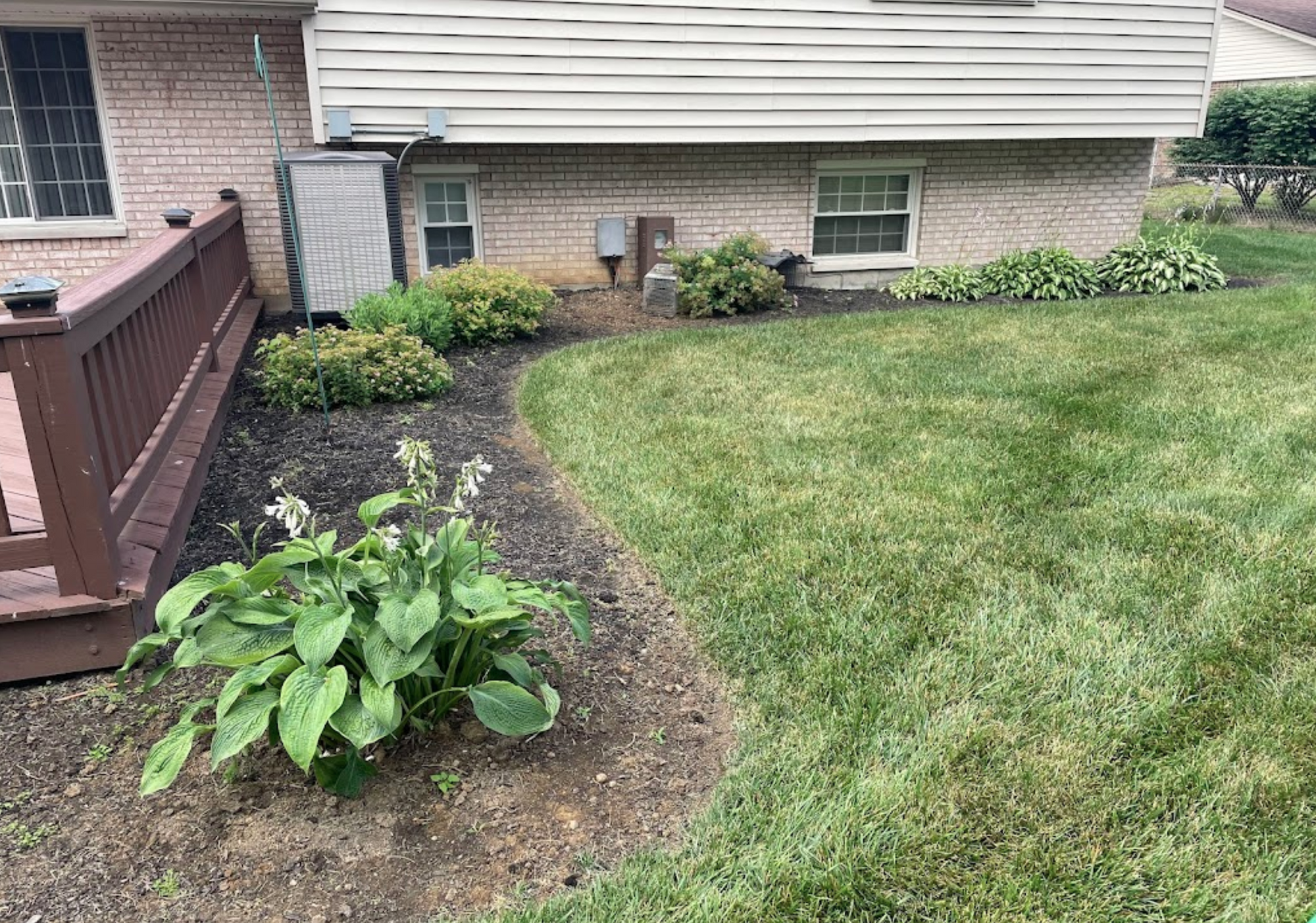
Mulch vs. No Mulch: The Difference
In Kannapolis's Zone 7b climate, where summer temperatures regularly push into the upper 80s and humidity stays high well into August, natural organic mulches break down noticeably faster than they would in cooler or drier regions — typically needing a refresh within 12 months under local conditions. Dyed or colored mulches, made from denser wood products, hold their volume and appearance longer through the heat and the city's 44 inches of annual rainfall, making them a popular choice for high-visibility beds near entrances and driveways. The right choice comes down to your priorities: natural mulch actively improves Kannapolis red clay over time, while dyed mulch delivers lasting aesthetics with slightly less frequent reapplication.
Before
After
Best Mulch Choice for Kannapolis Lawns
Most yards in the Kannapolis area sit on Red Clay type of soil. Kannapolis's red clay soil is naturally dense, low in organic matter, and prone to forming a hard surface crust that slows water infiltration and makes root penetration difficult — conditions that make protecting and improving plant beds a constant challenge for local homeowners and gardeners.
Hardwood Mulch
Shredded hardwood mulch is particularly well-suited to Kannapolis red clay beds because as it decomposes, it introduces the organic matter that clay soil is naturally lacking — gradually loosening soil structure, feeding soil biology, and improving moisture retention in the root zone in ways that inorganic or mineral mulches simply cannot replicate over time.
Mulch Types We Deliver in Kannapolis
Mulch Mound delivers bulk mulch by the cubic yard right to your driveway, making it easy to cover large beds without hauling bags from a store. For homeowners searching for bulk mulch delivery in Kannapolis, we serve this part of the Piedmont with reliable drop-offs. Our selection includes dyed and natural varieties suited to the region's warm, humid climate and common clay soils.
Dyed Black Mulch
Bold black double shredded mulch that creates a sharp contrast against green plants and the brick exteriors common in this part of North Carolina. The rich color holds through summer heat and afternoon rain, so beds stay looking fresh all season without fading quickly.
Dyed Brown Mulch
Warm brown double shredded mulch with long-lasting color that looks freshly applied for weeks. It pairs naturally with the traditional home styles found across this region of North Carolina, spreading smooth over beds and suppressing weeds through the long, humid growing season.
Natural Brown Mulch
Undyed mulch with an earthy brown tone straight from the wood, available in double shredded for smooth everyday coverage or triple shredded for a finer, more refined look. A great fit for gardeners who want a natural appearance that blends into the Piedmont landscape without added dye.
Cedar Mulch
Double shredded cedar with natural oils that repel insects and resist decay, a real advantage during the warm, wet summers that can bring pest pressure to Piedmont beds. The pleasant aroma fades slowly and the mulch breaks down gradually, feeding soil while keeping beds tidy.
Complete Your Outdoor Mulch Project
If you're refreshing your mulched beds this season, consider pairing your order with a quality garden soil or topsoil to amend low spots and build up new planting areas where the red clay has compacted over time, and browse our stone options for clean bed edging and pathway borders that keep mulch contained on Kannapolis slopes.
Before laying fresh mulch in spring, pull weeds and rake back any matted areas from last year's layer. Kannapolis red clay compacts under foot traffic and rain, so if your old mulch has formed a dense crust, water from spring storms will run off rather than soaking down to your plant roots. A quick fluff and light compost amendment before your fresh mulch goes down can make a significant difference in how well your beds perform through the long summer growing season.
Mulch Mound Pro Tip
Keep mulch pulled back an inch or two from the base of shrubs and tree trunks — a practice that matters especially in Kannapolis's humid summers, where trapped moisture against bark creates ideal conditions for fungal disease and rot. The temptation to pile mulch into a 'volcano' shape around trees is common but harmful; a flat, even layer that stops short of the stem gives roots the coverage they need without compromising plant health during the warm Zone 7b growing season that stretches nearly to November.
Mulch Mound Pro Tip
Kannapolis's 44 inches of annual rainfall is enough to keep organic mulch decomposing at a steady clip, which means your beds are getting a slow, continuous feed of organic matter into the underlying red clay — but it also means you should inspect mulch depth midsummer rather than waiting until spring. If a stretch of heavy June rain is followed by weeks of dry heat, mulch that looked thick in April may have compacted and thinned considerably by July. A midseason top-off keeps your moisture retention working through the hottest part of the year when Kannapolis plants need it most.
Frequently Asked Questions
Click a question to see the answer
Answer
How often do I need to remulch my beds in Kannapolis?
Most Kannapolis homeowners find they need to top off their beds once a year, typically in late March or early April just before the growing season kicks off after the April 7 last frost. The combination of Zone 7b heat, summer humidity, and 44 inches of annual rainfall accelerates organic mulch breakdown compared to drier climates. If you notice your mulch thinning below 2 inches or the color fading significantly, add another layer rather than waiting for a fixed annual schedule.
Answer
Will mulch actually make a difference in my heavy red clay soil over time?
Yes — over time, organic mulches like shredded hardwood slowly decompose and work organic matter into the top layer of your red clay, which is exactly what that soil type needs. Kannapolis clay is dense, low in organic content, and compacts easily, resisting root penetration in ways that frustrate even experienced gardeners. While mulch won't transform your clay in a single season, consistent annual applications gradually improve soil structure, drainage, and aeration around your plant roots where it matters most.
Answer
What's the best time of year to put down fresh mulch in Kannapolis?
The ideal window is right around early April, just after the average last frost date of April 7. Applying mulch at this time insulates soil that's beginning to warm, locks in spring moisture before summer dries things out, and gives your plants a protected start to the long Zone 7b growing season. A second light topping in late October — just ahead of the November 1 first frost — can also help protect root systems from freeze-thaw cycles through the winter months.
Answer
Kannapolis gets a decent amount of rain — will heavy downpours wash my mulch away?
It can happen on steeper slopes, but most flat or gently graded Kannapolis yards retain mulch well through normal rainfall. Shredded or fibrous mulch types knit together and resist displacement better than nugget-style mulches during heavy downpours. If you have a slope or a bed near a drainage swale, choose a shredded hardwood with longer fibers, or consider edging your beds with stone or metal edging to keep things in place when those heavy spring storms roll through.
Answer
Is there a difference in how long natural mulch vs. dyed mulch lasts in Kannapolis's climate?
Yes, there's a noticeable difference. Natural hardwood mulch breaks down faster in Kannapolis's warm, humid summers — which is actually beneficial for your red clay soil since it adds organic matter — but it means you may need to top off more frequently. Dyed mulches are typically made from denser wood that resists decomposition longer, so the color and volume hold up better through the full Zone 7b growing season. If your primary goal is soil improvement, go natural; if you want low-maintenance color near a front entrance or foundation bed, dyed mulch is a practical choice.
Answer
How thick should I apply mulch over my red clay planting beds?
Three inches is the sweet spot for most Kannapolis beds with red clay underneath. That depth is enough to suppress weeds, hold moisture through summer dry spells, and insulate roots — without being so thick that it stays wet and creates rot issues around plant stems. Clay soil already drains slowly, so going beyond 4 inches of mulch can trap excess moisture against root crowns after Kannapolis's heavier rain events, especially in spring.
Answer
Do I need to remove old mulch before adding a fresh layer each year?
Generally, no — if your existing mulch is still breaking down and isn't matted or moldy, you can simply top it off to bring the total depth back up to 3 inches. Matted or compacted old mulch can block water and air from reaching your clay soil below, which is already prone to compaction. Fluff the existing layer with a rake before adding new material, and remove any sections that have gone slimy or formed a hard crust that water beads off of rather than soaking through.
The Unique Landscape of Kannapolis
Kannapolis's native red clay soil creates a challenging push-and-pull for homeowners: it holds moisture long enough to waterlog roots during wet springs, then bakes into a hard, cracked surface during the dry stretches that settle in mid-summer. A consistent layer of mulch acts as a thermal and moisture buffer, keeping that clay from swinging between extremes throughout the Zone 7b growing season. With the last frost typically arriving around April 7 and the first frost not until November 1, Kannapolis landscapes have a long, active season that puts real demands on moisture management from June through September. The city's 44 inches of annual rainfall sounds generous, but it comes unevenly — heavy spring rains give way to dry summer spells where unprotected beds can lose critical soil moisture within days. Mulching your beds helps lock in that moisture between watering cycles and reduces the surface crusting and compaction that red clay is prone to after repeated rain-and-sun cycles. Over time, decomposing organic mulch also slowly amends the clay itself, gradually improving the structure of a soil type that's notoriously difficult to work with across the Carolina Piedmont.