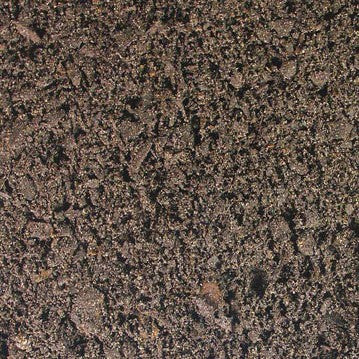
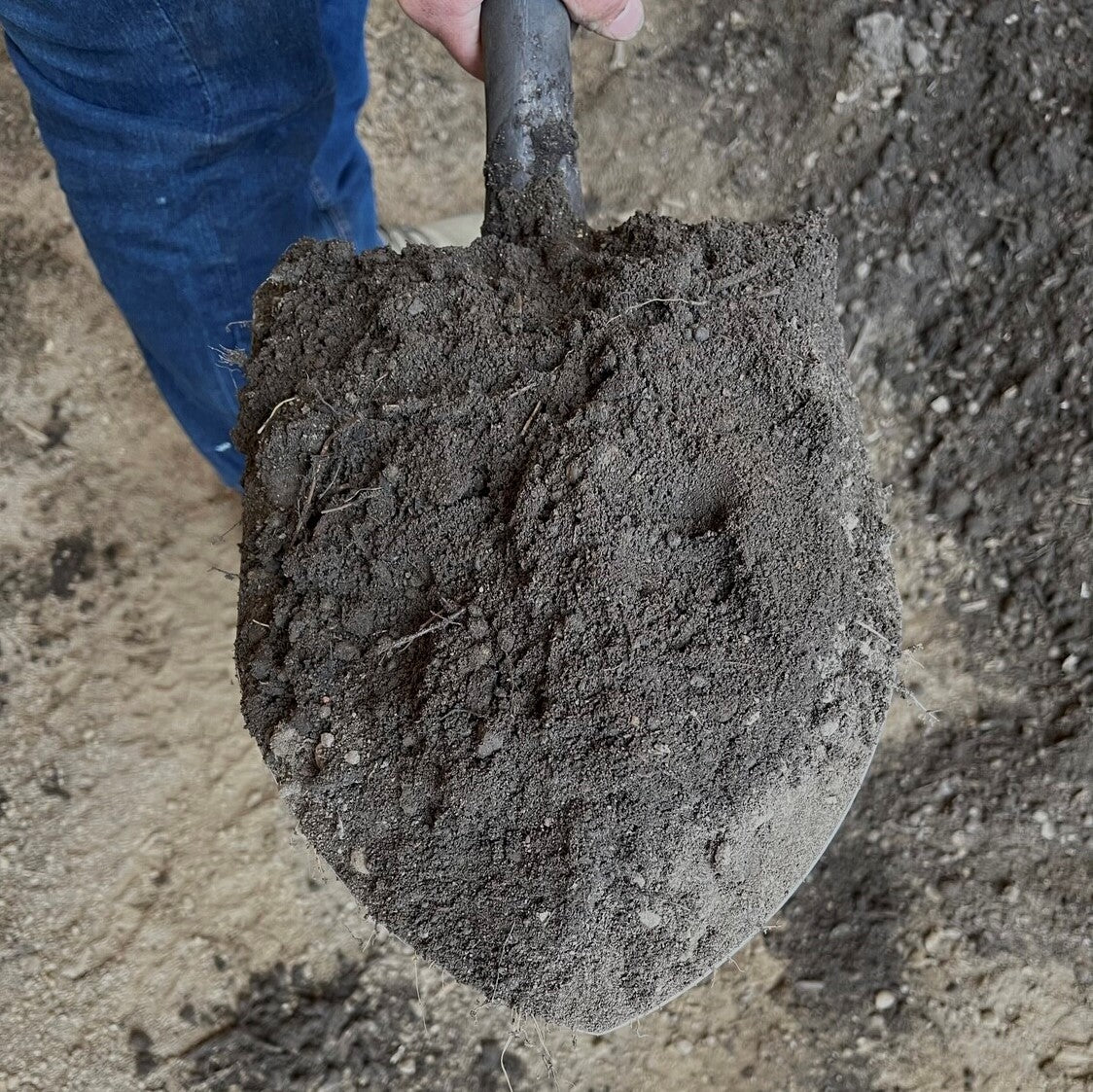
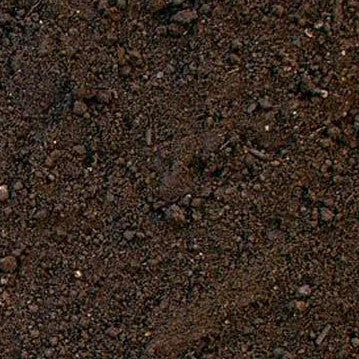
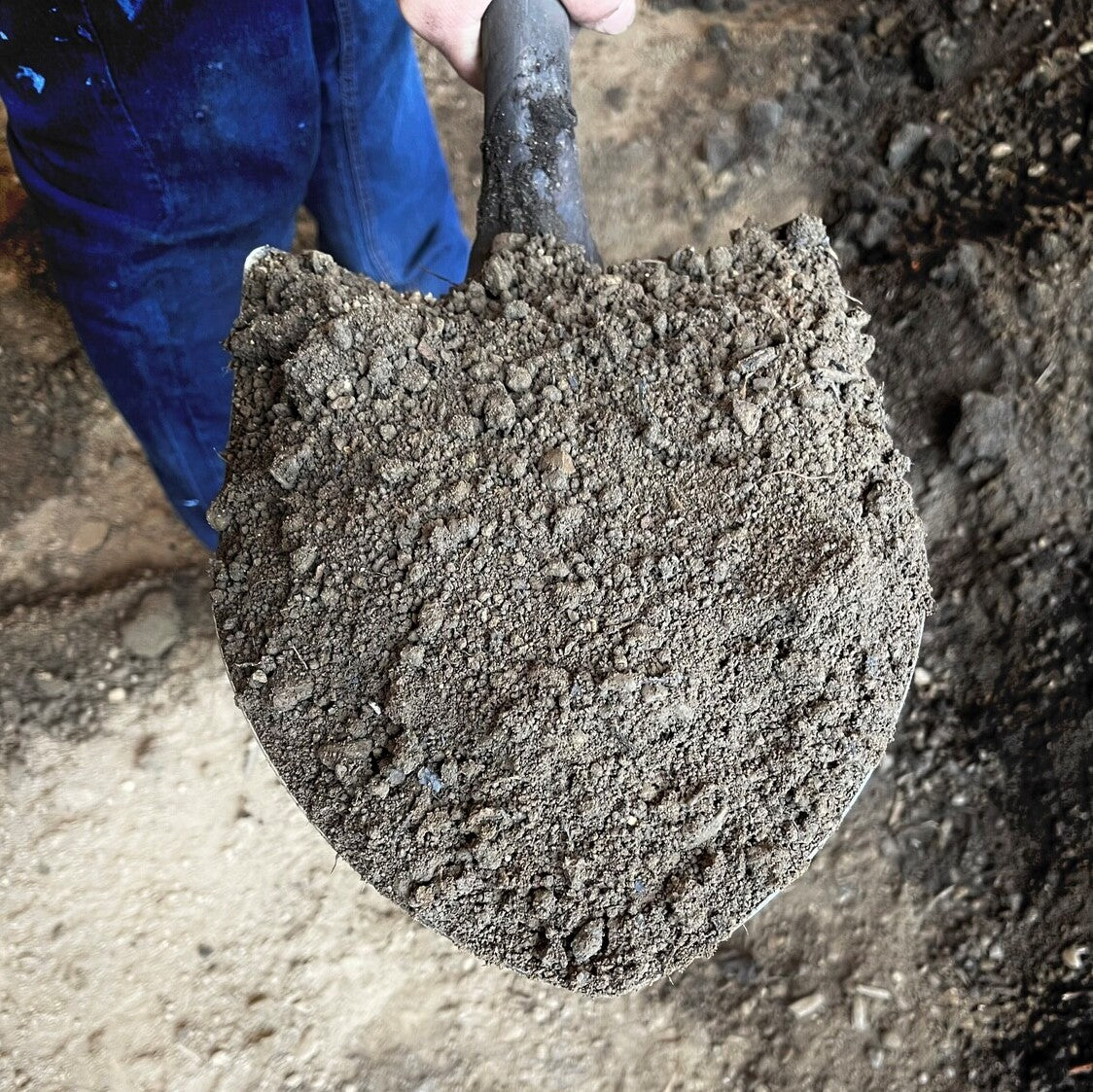
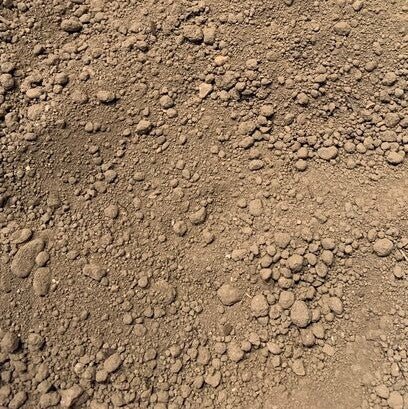
A balanced mix of topsoil and organic amendments ready for raised beds, flower gardens, and new planting areas. Good drainage, solid nutrients, easy to work with.
Ordered the planting mix with an early Saturday delivery. Super easy ordering experience. Dirt was delivered on time and delivery driver was kind enough to let us know I would take up more room than we though so we could pull cars out of the garage. Will be ordering again
Tell us what you're looking for
Thanks! We received your request.
Something went wrong. Please try again.
How Much Material Do I Need?
For raised beds over Kannapolis red clay, plan for at least 10 to 12 inches of quality garden soil to keep roots operating in the well-draining zone above the clay layer. For lawn leveling and topdressing, apply in thin lifts of no more than half an inch to one inch at a time so existing turf can grow through without thinning.
Use our free soil calculator
What is a yard?
A yard is approximately 27 cubic feet. As a general guideline, one yard of material can cover an area of about 10 feet by 10 feet at a few inches deep.
What is a yards?
A yard is approximately 27 cubic feet. As a general guideline, one yard of material can cover an area of about 10 feet by 10 feet at a few inches deep.
We can't take orders for this right now. Tell us what you need and we'll get back to you.
What do you need?
Thanks! We received your request.
Something went wrong. Please try again.
Hand-picked local yards
4,000+ regional deliveries
Dedicated support
Why order through Mulch Mound
The best local soil, without the guesswork.
We hand-pick and partner with the best yards in your region, keep only the ones our buyers rate well, and back each load with our guarantee.
Mulch Mound Guarantee
If your soil isn't the quantity or quality you ordered, we'll make it right.
About this soil
A balanced mix of topsoil and organic amendments ready for raised beds, flower gardens, and new planting areas. Good drainage, solid nutrients, easy to work with.
Ordered the planting mix with an early Saturday delivery. Super easy ordering experience. Dirt was delivered on time and delivery driver was kind enough to let us know I would take up more room than we though so we could pull cars out of the garage. Will be ordering again
How Much Material Do I Need?
For raised beds over Kannapolis red clay, plan for at least 10 to 12 inches of quality garden soil to keep roots operating in the well-draining zone above the clay layer. For lawn leveling and topdressing, apply in thin lifts of no more than half an inch to one inch at a time so existing turf can grow through without thinning.
Use our free soil calculator
What is a yard?
A yard is approximately 27 cubic feet. As a general guideline, one yard of material can cover an area of about 10 feet by 10 feet at a few inches deep.
What is a yards?
A yard is approximately 27 cubic feet. As a general guideline, one yard of material can cover an area of about 10 feet by 10 feet at a few inches deep.
Ordered the planting mix with an early Saturday delivery. Super easy ordering experience. Dirt was delivered on time and delivery driver was kind e...
Read full review
Ordered the planting mix with an early Saturday delivery. Super easy ordering experience. Dirt was delivered on time and delivery driver was kind enough to let us know I would take up more room than we though so we could pull cars out of the garage. Will be ordering again
Measure each area you're filling or building in length and width in feet, multiply by your target depth in inches, and divide by 324 to get cubic yards directly. In Kannapolis, red clay beneath your soil can slow drainage at the transition point, so filling to the full recommended depth rather than going shallow helps prevent water from pooling above the clay layer. Use our calculator to total up multiple project areas — a raised bed, a lawn low spot, and a new border — and consolidate into one accurate delivery order.
Soil Types We Deliver in Kannapolis
Mulch Mound delivers bulk soil by the cubic yard to homes and landscapes in Kannapolis, North Carolina. Whether you are starting a new lawn, building raised beds, or working against the clay-heavy ground common across the Piedmont, our selection has you covered. Searching for bulk soil delivery near me brings you to the right place, with flexible order sizes and fast turnaround throughout the area.
Screened Top Soil
Our screened topsoil features a fine, uniform texture that makes grading and spreading easy across new lawns, sod installations, and raised beds. It works especially well in this part of North Carolina where dense native clay makes it hard for grass and plants to establish a healthy root system without added soil.
Gardening Blend
A balanced mix of topsoil and organic amendments, our Gardening Blend comes in Standard and Premium styles to match your project and budget. It suits raised beds, flower gardens, and fresh planting areas, draining well through humid Carolina summers while still holding the nutrients that young plants need to get established.
Leaf Compost
Nutrient rich leaf compost improves the dense, compacted soils that many homeowners across this region work around each growing season. Mixing it into planting beds boosts moisture retention, feeds beneficial soil microorganisms, and creates a looser, more workable texture that roots can spread through from spring planting all the way into fall.
Complete Your Outdoor Soil Project
After grading and filling with soil, top your new beds with 3 inches of shredded mulch to lock in moisture and protect your investment through Kannapolis's summer heat, and browse our stone options if you need edging, drainage channels, or a gravel pathway that won't turn to mud when the red clay underneath gets saturated after a heavy rain.
Is it worth buying topsoil if I already have red clay in my Kannapolis yard, or can I just amend what's there?
For small, established planting beds, amending your existing red clay with compost and organic matter is a reasonable long-game approach — but it takes multiple seasons of consistent effort to meaningfully change the structure of deep clay. For new planting areas, vegetable gardens, raised beds, or any project where you need real results in the current season, bringing in quality topsoil is far more efficient. Kannapolis red clay has low organic content and recompacts quickly after tilling, often reverting to a tight, poorly draining profile within a season or two without ongoing organic additions.
Answer
How much soil do I need to fill raised garden beds in Kannapolis?
A raised bed built 12 inches tall needs roughly 1 cubic yard of soil per 27 square feet of bed area, but most Kannapolis gardeners build their beds 10 to 12 inches deep specifically to get roots well above the red clay layer beneath. That depth keeps roots in the loose, well-draining soil mix rather than reaching the dense clay zone where drainage slows dramatically and root spread becomes limited. Measure the length, width, and target depth of each bed and use our calculator to get an accurate estimate before ordering.
Answer
What type of soil is best for a vegetable garden in Kannapolis's climate?
A premium garden soil or blended topsoil with compost mixed in is ideal for Kannapolis vegetable gardens. The goal is to build a well-draining, biologically active root zone that's the opposite of the native red clay — loose, moisture-retentive without being waterlogged, and rich enough to support heavy feeders like tomatoes, squash, and peppers that thrive through the Zone 7b summer. Starting with quality soil means your vegetable garden can be productive from the last frost in early April all the way to fall harvest before the November 1 freeze.
Answer
I have low spots in my lawn that hold water after it rains — can topsoil fix that?
Yes — lawn leveling with topsoil is one of the most effective fixes for standing water in Kannapolis yards, where red clay beneath the turf slows drainage and allows low spots to accumulate water after even moderate rain events. The key is to add soil in thin layers rather than all at once so existing grass can grow through without being smothered. In Kannapolis's Zone 7b climate, late spring — after the April 7 last frost when the lawn is actively growing — is the best window for leveling, giving turf the full summer season to fill in and root into the new soil before fall.
Answer
When should I build new beds and add soil in Kannapolis to be ready for the growing season?
The ideal window for building and filling new beds is early to mid-March, giving soil time to settle and drain off winter moisture before the April 7 last frost date. Having your beds ready a few weeks before transplanting means the soil will have time to warm up, which matters especially for vegetable starts that need consistently warm root zones. For ornamental beds, late fall after the November 1 frost is also an excellent time — the bed settles over winter and any added compost begins breaking down, delivering a ready planting surface come spring.
Answer
My Kannapolis red clay gets almost rock-hard in dry summer weather — will adding topsoil on top actually help?
Adding topsoil directly on top of hardened clay has limited benefit unless the interface between the new soil and the clay below is addressed first. When clay dries and contracts, it can create a barrier layer that new topsoil simply sits on, leading to drainage problems where the two materials meet. For areas where hardening clay is the issue, till or break up the clay surface before adding topsoil so the layers integrate rather than just stack. In Kannapolis, this is especially worth doing in south- and west-facing beds where summer sun accelerates drying and the clay hardpan forms most aggressively.
Answer
How deep does topsoil need to be over red clay before I plant shrubs and perennials in Kannapolis?
A minimum of 8 to 10 inches of quality topsoil over clay gives most shrubs and perennials enough loose, drainable root zone to establish in Kannapolis conditions. Shallower than 6 inches, roots will reach the clay layer within one growing season where drainage slows and compaction limits further spread. For trees, amend the native soil broadly across a wide, shallow planting zone rather than just digging deep — in Kannapolis's heavy clay, spreading organic amendment outward from the planting site is more effective at supporting root development than drilling a narrow deep hole.
Mulch Mound Pro Tip
When building raised beds in Kannapolis directly over red clay, consider adding a 2-inch layer of coarse gravel or drainage stone at the base of the bed before filling with soil. Red clay's slow drainage can waterlog raised bed roots from below during wet springs, and that gravel buffer creates a zone where excess water can move away from the root area before it causes damage. It's a small step that pays off every spring when the heavy rains that Kannapolis sees in March and April are working their way through your garden.
Mulch Mound Pro Tip
For lawn leveling projects in Kannapolis, match your topdressing soil to your existing turf type. Bermuda and tall fescue — the two grasses that dominate Zone 7b lawns here — respond differently to fills: Bermuda handles an inch or more of topdressing and will aggressively grow through it, while tall fescue can thin out if buried too deeply in one application. Apply soil in passes of no more than half an inch, watering in each layer, to keep your existing turf intact while gradually correcting those low, water-holding areas that make mowing frustrating after every rain.
Mulch Mound Pro Tip
The best window for major soil work in Kannapolis is mid-March through the first week of April — after the heaviest winter rains have passed but before summer heat dries and hardens the clay. Work your soil when it's moist but not saturated; a handful should form a loose ball that crumbles when tapped, not one that holds a wet impression. Working red clay when it's too wet compresses the structure you're trying to improve, setting back drainage and aeration gains for the entire growing season ahead.
The Unique Landscape of Kannapolis
If you've ever tried to dig a planting hole in a Kannapolis yard after a dry August, you know exactly what red clay is capable of — it sets up nearly as hard as fired brick, cracks along fault lines, and resists even a steel spade. Quality topsoil and garden soil aren't optional extras in this part of the Carolina Piedmont; they're the foundation of any planting project that has a realistic chance of thriving through the Zone 7b growing season. With a full seven months between the last frost around April 7 and the first frost near November 1, the demands on any planted bed are significant — and clay soil without amendment will compact, drain poorly, and limit root development no matter how carefully you tend your plants. Kannapolis also receives around 44 inches of rain annually, and poorly structured soil turns those rains into a liability: water sits on the surface, runs off graded areas, and creates anaerobic conditions in beds where roots need oxygen to function. Brought-in soil with proper structure improves drainage, supports healthy soil biology, and gives roots the loose, nutrient-available environment they need to establish during the first critical growing season. Whether you're leveling a lawn, building raised vegetable beds, or establishing a new ornamental border, starting with the right soil is the single most important investment you can make in a Kannapolis landscape.