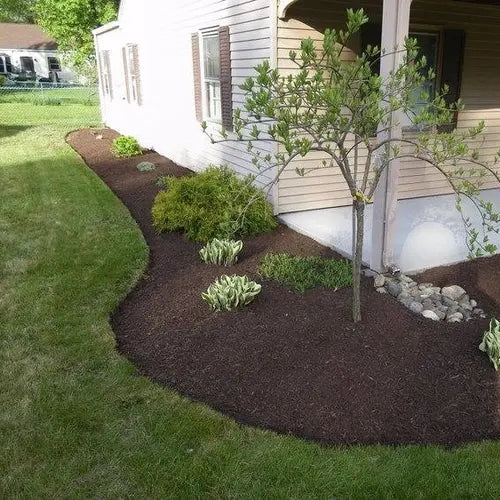
I can’t say enough good things about Mulch Mound! If you read my review below you will see I had a problem with my order. Mulch Mound was quick to respond and solved the issue with my delivery. Will definitely be a customer next year.
First time purchase...
Tell us what you're looking for
Thanks! We received your request.
Something went wrong. Please try again.
How Much Material Do I Need?
Plan for three inches of depth across garden beds and around trees, which works out to roughly one cubic yard for every 100 square feet of coverage. Areas with established clay soil that drains poorly should stay at or below four inches to avoid compounding moisture retention issues.
Use our free mulch calculator
What is a yard?
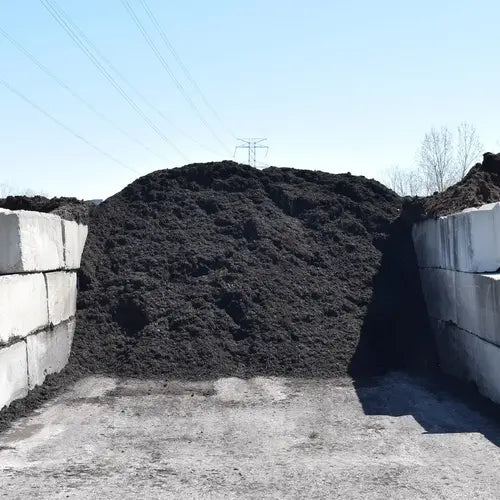
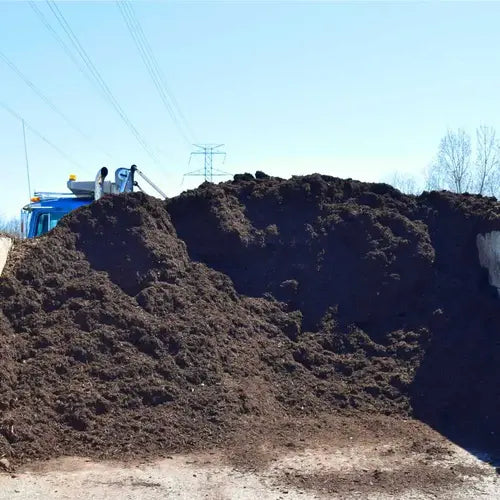
A yard is approximately 27 cubic feet. As a general guideline, one yard of material can cover an area of about 100-160 square feet at a 2-3 inch depth.
I can’t say enough good things about Mulch Mound! If you read my review below you will see I had a problem with my order. Mulch Mound was quick to respond and solved the issue with my delivery. Will definitely be a customer next year.
First time purchase...
How Much Material Do I Need?
Plan for three inches of depth across garden beds and around trees, which works out to roughly one cubic yard for every 100 square feet of coverage. Areas with established clay soil that drains poorly should stay at or below four inches to avoid compounding moisture retention issues.
Use our free mulch calculator
What is a yard?
A yard is approximately 27 cubic feet. As a general guideline, one yard of material can cover an area of about 100-160 square feet at a 2-3 inch depth.
I can’t say enough good things about Mulch Mound! If you read my review below you will see I had a problem with my order. Mulch Mou...
Read full review
UPDATE!
I can’t say enough good things about Mulch Mound! If you read my review below you will see I had a problem with my order. Mulch Mound was quick to respond and solved the issue with my delivery. Will definitely be a customer next year.
First time purchase from Mulch Mound!! First what I liked! Easy to order online and straight forward pricing and delivery. The driver was on time and courteous and delivered my Mulch exactly where I requested! The product is of good quality and comparable to others I have purchased from before. Now what I DID’NT LIKE! I have been mulching the same house and yard for almost 20 years. I always order the same amount and don’t have any issues with covering the same area but this year I fell about a yard short. I was home when the mulch was delivered and when the driver dumped it I noticed that it seemed a bit less than I was used to. I didn’t apply it any thicker than usual and probably a bit thinner than usual because I was worried about running out.
Mulch Mound made it so easy! So happy with the pricing, turn around time, delivery and product. I submitted my online order on a Thursday. The mu...
Read full review
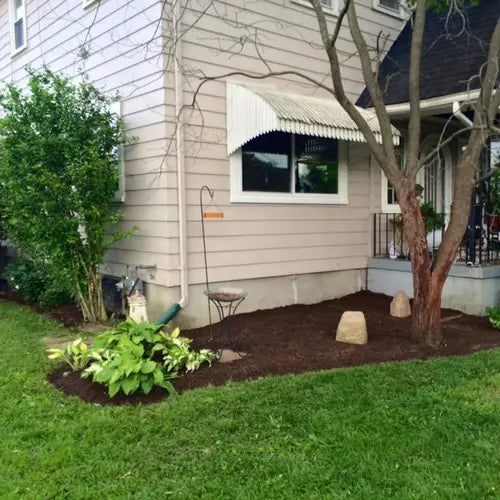
Mulch Mound made it so easy! So happy with the pricing, turn around time, delivery and product. I submitted my online order on a Thursday. The mulch was delivered to the designated location by a local landscape company at 8:30 a.m. the following Saturday morning. We had the job completed by that afternoon. We chose the natural brown mulch, and the plant beds are beautiful.
Walk each bed with a tape measure and write down the length and width before you try to estimate anything. Irregular shapes are easier to handle if you break them into rectangles and add the totals together. Kansas City beds near downspouts or drainage paths often need an extra half inch of depth to compensate for material that washes to the edges over time.
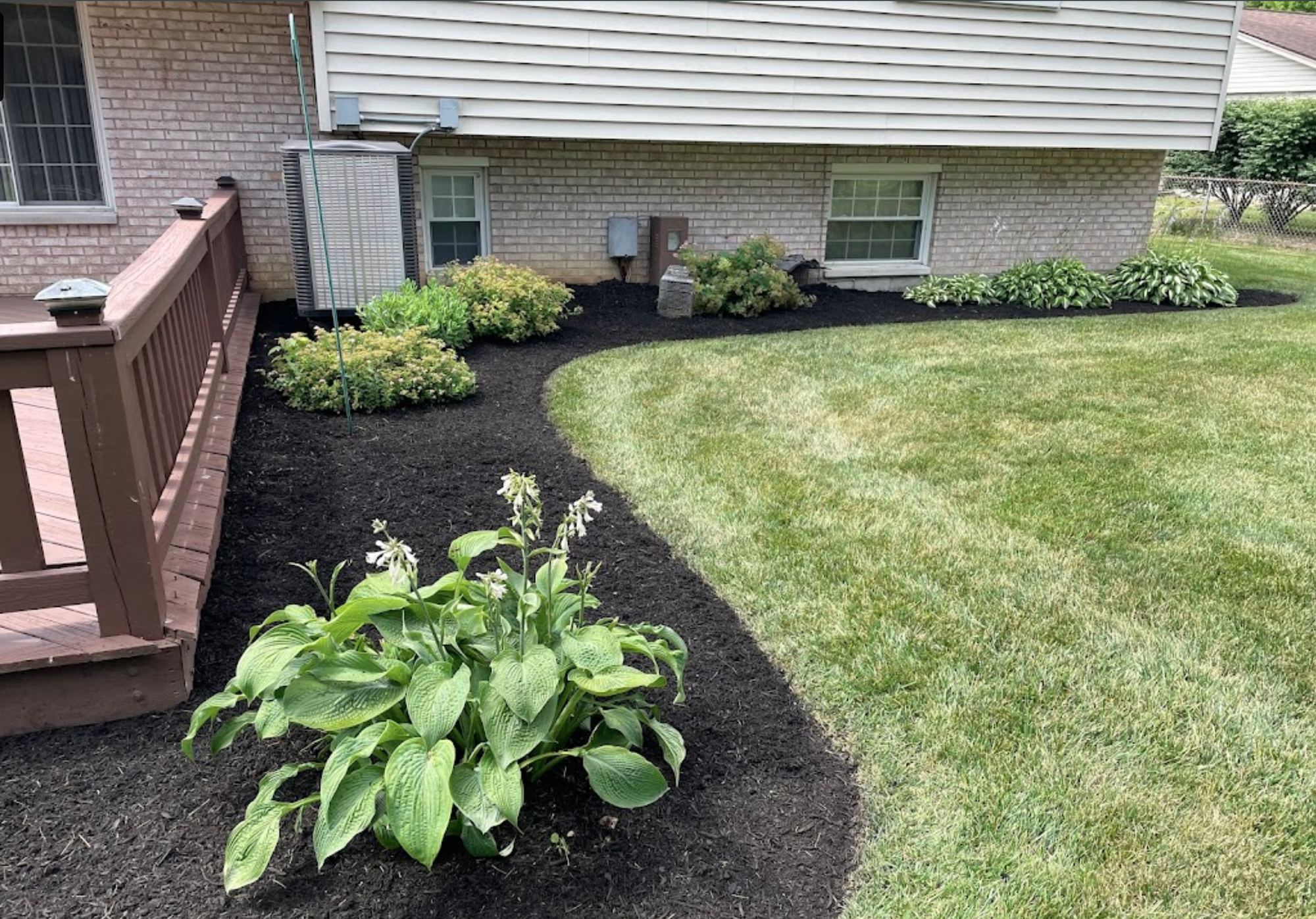
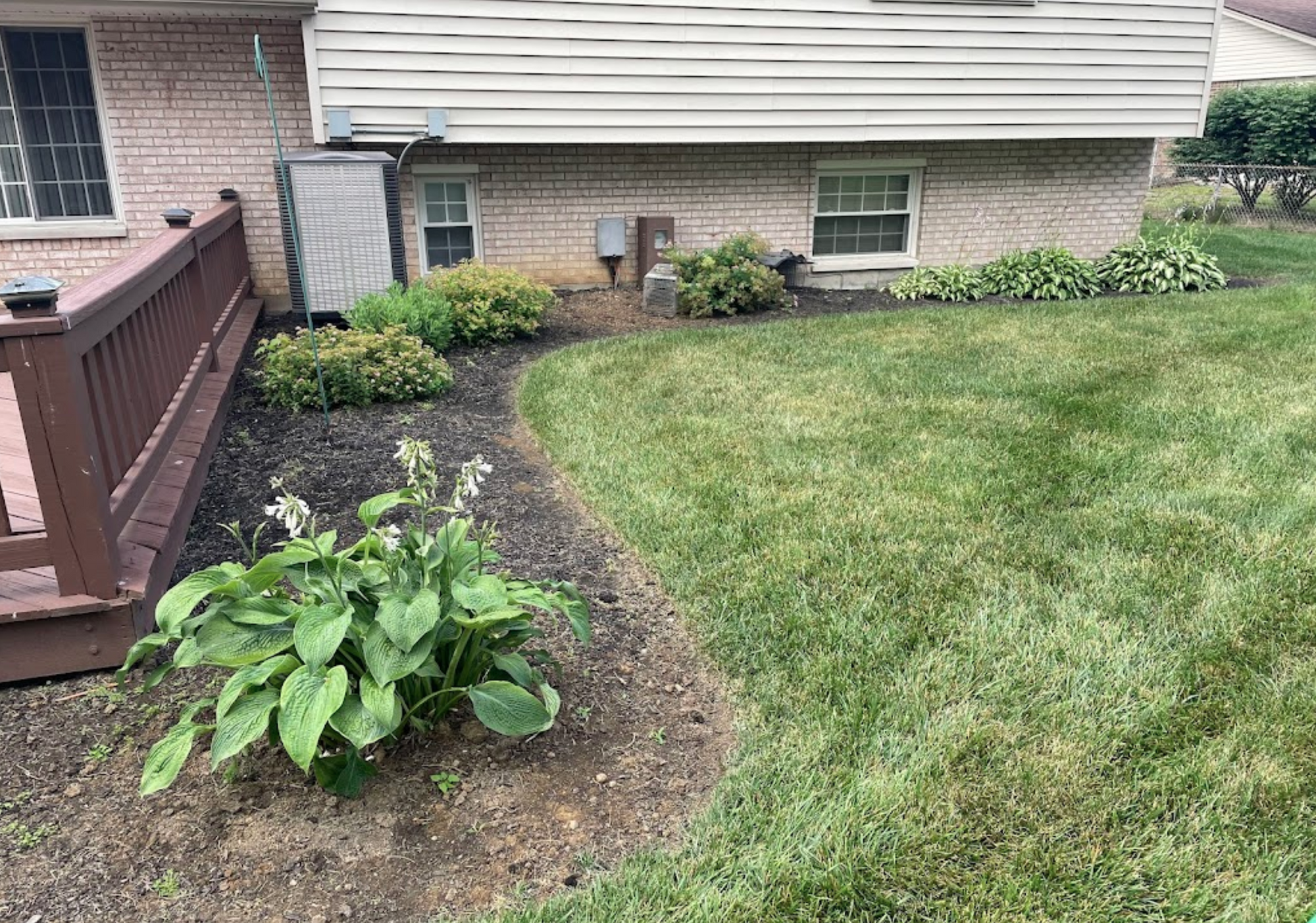
Mulch vs. No Mulch: The Difference
Kansas City's combination of hot summers and 42 inches of annual rainfall creates conditions where organic mulch breaks down faster than in drier or cooler climates, which means you get excellent soil improvement but need to replenish more regularly. The warm soil temperatures that persist from June through September accelerate microbial activity beneath the mulch, turning wood fiber into usable organic matter within a single season. Understanding this breakdown rate helps you plan applications and budget for the annual top-off that keeps your beds protected through the full growing cycle.
Before
After
Best Mulch Choice for Kansas City Lawns
Most yards in the Kansas City area sit on type of soil. Kansas City's heavy clay soil compacts easily under foot traffic and rainfall, which reduces oxygen flow to plant roots and creates anaerobic pockets where roots struggle to spread. Layering organic mulch over clay beds slows that compaction by absorbing the impact of rain and reducing the surface sealing that happens when clay dries after a wet period.
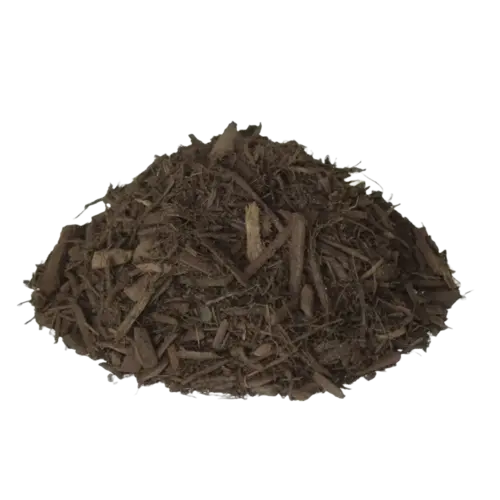
Hardwood Mulch
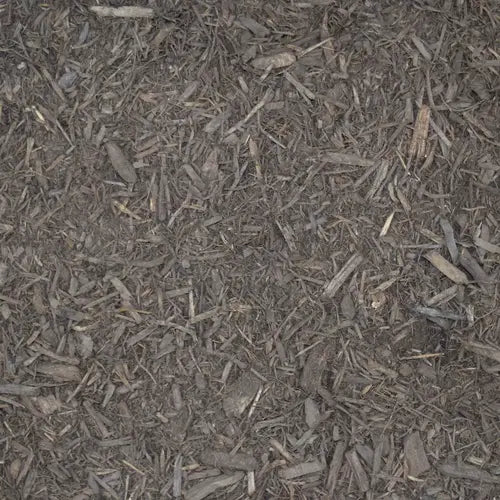
Hardwood mulch is particularly well suited to Kansas City clay because as it decomposes it releases humic acids that gently break apart clay particles over time, gradually improving drainage and aeration in the top layer of soil. Over several seasons of annual applications, hardwood mulch creates a transition zone between the surface and the dense subsoil that makes a measurable difference in how well plants establish and how much water actually reaches the root zone.
Complete Your Outdoor Mulch Project
Pairing mulch with a quality compost-enriched topsoil along bed borders creates a healthier growing environment that works with Kansas City's clay rather than fighting it. Decorative stone edging along bed perimeters also helps keep mulch from migrating during the heavy rain events that move through the area each spring.
Time your mulch application to the two weeks following April 17, which is Kansas City's average last frost date. Soil temperatures at that point are rising but not yet hot, and laying mulch while the ground is moist from spring rains means it bonds with the surface rather than sitting dry on top. Mulch applied too early in March can trap cold air against roots and delay emergence of warm-season plants like coneflower and black-eyed Susan, both of which are workhorses in local landscapes.
Mulch Mound Pro Tip
Kansas City's clay soil tends to crust over during dry July and August spells, and that crust actually prevents water from reaching roots even when you run irrigation. A consistent three-inch mulch layer breaks the impact of both rain and irrigation water so it soaks in rather than running off. Check beneath your mulch layer monthly during the summer by pressing a finger two inches into the soil. If it comes out dry, your mulch layer may have thinned and needs a refresh before the hottest weeks hit.
Mulch Mound Pro Tip
Hardwood mulch breaks down into organic matter that slowly amends the dense clay soil found throughout Kansas City, KS, and that process speeds up in the heat and humidity of June through August. After two or three years of annual mulch applications, you will notice the top two inches of your bed soil becoming darker, looser, and more workable than the surrounding lawn. That is exactly the transformation clay soil needs to support strong root development in perennials, shrubs, and ornamental trees.
Frequently Asked Questions
Click a question to see the answer
Answer
How thick should I lay mulch over my Kansas City clay soil?
Three inches is the sweet spot for most beds in Kansas City. Clay soil already drains slowly, so going thicker than four inches can trap too much moisture against plant crowns and invite rot, especially during our wet springs. Two inches works for established shrubs with dense canopies, but new plantings benefit from the full three-inch layer to protect developing roots from the temperature swings we see between April and June.
Answer
Will mulch make my clay drainage problems worse?
It depends on what you use and how you apply it. A coarser hardwood mulch laid at the right depth actually improves clay drainage over time because it adds organic matter that encourages earthworm activity and loosens the soil structure beneath it. Where people run into trouble is piling mulch too deep or using very fine materials that mat together and act like a second layer of clay on top of the first. Keep it at three inches, keep it away from plant stems, and you will see improvement rather than problems.
Answer
My neighbor said mulch volcanoes kill trees. Is that really a concern here?
It is a very real concern in Kansas City. Piling mulch against a tree trunk holds moisture against the bark year-round, and with our 42 inches of annual rainfall keeping things consistently damp for long stretches, that creates ideal conditions for fungal cankers and bark decay. Pull mulch back at least two inches from the trunk flare so the base of the tree can breathe. This one habit prevents more tree loss in this area than almost anything else a homeowner can do.
Answer
How often do I need to refresh mulch in Kansas City's climate?
Plan on topping off your beds every spring, right after the last frost date of April 17. Organic mulches break down through the heat of a Kansas City summer, and by the following spring you are often left with less than an inch of material that has partially composted into the clay below. That composting is actually good for your soil, but it means the insulating and weed-suppressing benefits are gone if you do not replenish. An annual application keeps everything working the way it should.
Answer
Is there a mulch that holds up better through Kansas City summers without fading fast?
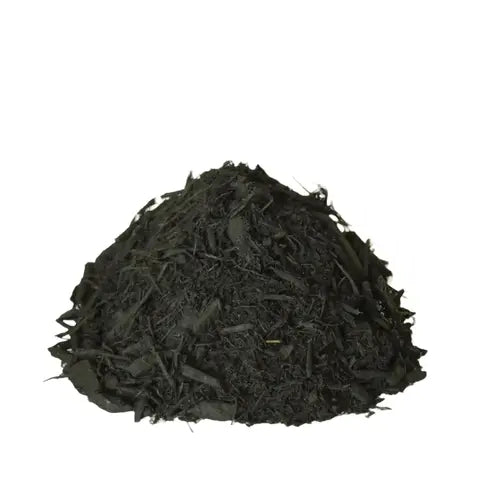
Dyed black or brown hardwood mulch holds color longer than natural undyed wood because the colorant resists UV breakdown, and Kansas City gets plenty of direct summer sun that bleaches natural mulch quickly. Cedar mulch also retains its color better than standard hardwood and breaks down more slowly, which means fewer applications over the long run. If color consistency matters for your curb appeal, either of those options outperforms plain wood chips through the heat of July and August.
Answer
Can I use mulch to protect my perennials through a Kansas City winter?
Absolutely, and this is one of the most practical uses of mulch in zone 6b. After the first hard frost, typically around October 19, lay four to six inches of mulch over the crowns of tender perennials like salvias, agastache, and ornamental grasses. The goal is not to keep plants warm but to keep the soil temperature stable so roots are not repeatedly frozen and thawed during the temperature swings we get between November and February. Pull the mulch back gradually in late March as days warm up.
Answer
How many cubic yards of mulch do I need for my front beds?
Measure the length and width of each bed in feet, multiply them together to get square footage, then multiply by 0.25 to get cubic feet at a three-inch depth. Divide that number by 27 to convert to cubic yards. For a typical Kansas City front yard with 300 square feet of beds, you are looking at just under three cubic yards. It is always smarter to round up by half a yard than to run short when you are mid-project, especially since delivery costs are the same either way.
The Unique Landscape of Kansas City
Kansas City, KS sits in growing zone 6b, which means your landscape faces genuine temperature swings from bitter January cold to scorching July heat, and your plants feel every degree of that range. The underlying clay soil throughout the Kansas City area holds moisture in ways that can suffocate roots during wet springs and then crack into hard plates during dry summer stretches. A proper layer of mulch acts as a buffer between that clay and the atmosphere, keeping soil temperatures from spiking past the point where cool-season root systems begin to shut down. With 42 inches of annual rainfall arriving unevenly across the year, mulch also slows the runoff that strips nutrients right off the top of your beds before anything can absorb them. The window between the last frost on April 17 and the first frost on October 19 gives you roughly six months of active growing season, and protecting your soil during that window pays dividends all year long.