




I needed 3 yards of top soil and that's what I got! Right on time and right where I asked it to be placed (Order# 2041).
About this soil
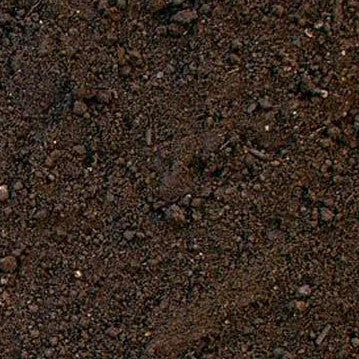
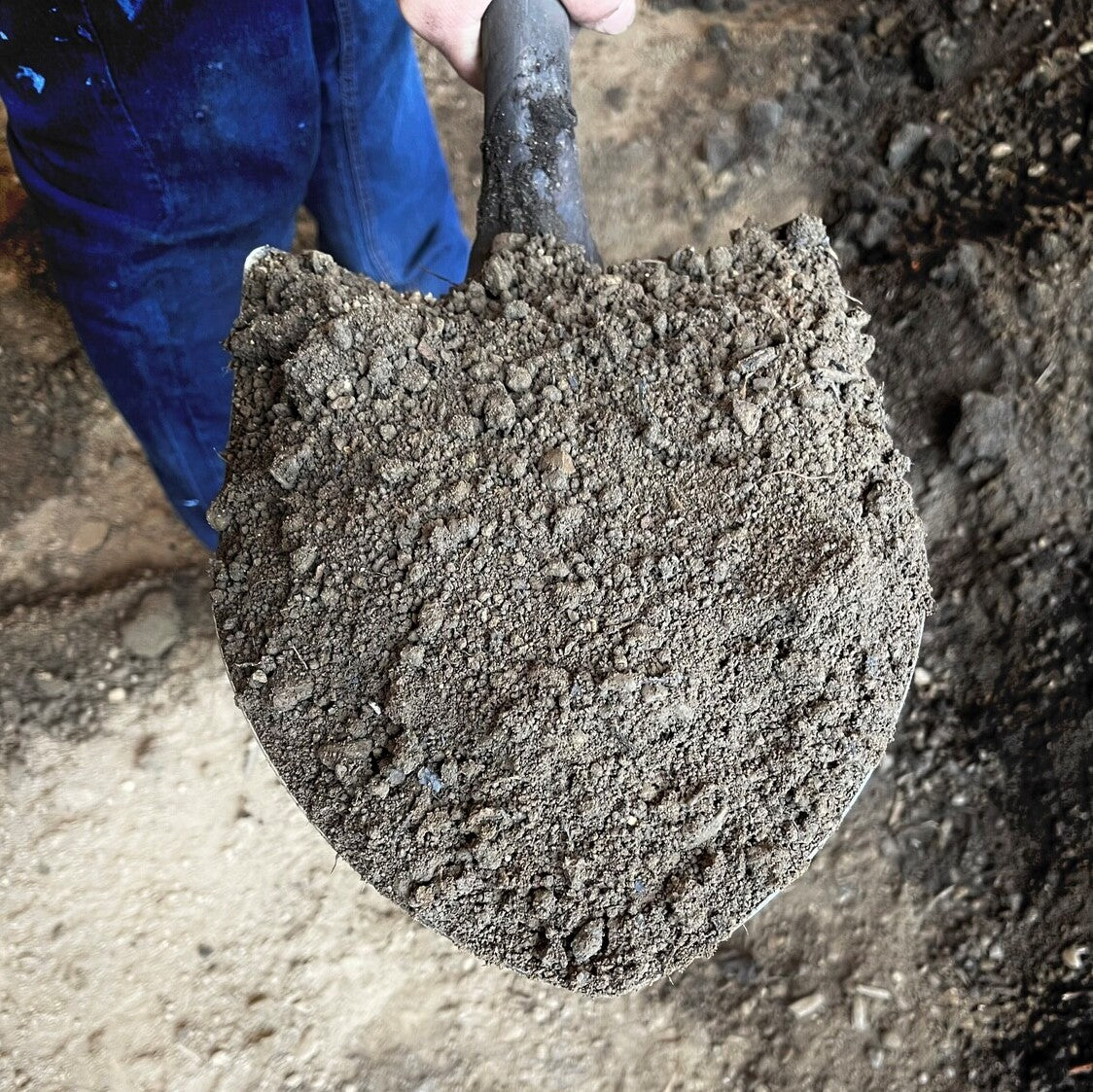
Screened topsoil with a fine, even texture. Ideal for new lawns, sod prep, and raised garden beds.
I needed 3 yards of top soil and that's what I got! Right on time and right where I asked it to be placed (Order# 2041).
Tell us what you're looking for
Thanks! We received your request.
Something went wrong. Please try again.
How Much Material Do I Need?
How Much Material Do I Need?
Raised beds need 12 to 18 inches of quality soil to support productive root systems above Kansas City's clay base, while lawn topdressing applications should stay at half an inch to one inch per session. For filling and grading, calculate cubic yards based on the full depth needed and add ten percent for settling.
Use our free soil calculator
What is a Yard?
What is a Yard?
FAQs
FAQs
Kansas City Soil Delivery
Kansas City Soil Delivery
Regular price
$64.00
per
Yard
Regular price
Sale price
$64.00
Unit price
per
Shipping calculated at checkout.
Minimum of 3 Yard
Couldn't load pickup availability
Not currently available
We can't take orders for this right now. Tell us what you need and we'll get back to you.
Hand-picked local yards
4,000+ regional deliveries
Dedicated support
Why order through Mulch Mound
The best local , without the guesswork.
We hand-pick and partner with the best yards in your region, keep only the ones our buyers rate well, and back each load with our guarantee.
Mulch Mound Guarantee
If your isn't the quantity or quality you ordered, we'll make it right.
About this soil
Screened topsoil with a fine, even texture. Ideal for new lawns, sod prep, and raised garden beds.
I needed 3 yards of top soil and that's what I got! Right on time and right where I asked it to be placed (Order# 2041).
How Much Material Do I Need?
How Much Material Do I Need?
Raised beds need 12 to 18 inches of quality soil to support productive root systems above Kansas City's clay base, while lawn topdressing applications should stay at half an inch to one inch per session. For filling and grading, calculate cubic yards based on the full depth needed and add ten percent for settling.
Use our free soil calculator
What is a Yard?
What is a Yard?
FAQs
FAQs
Tell us what you're looking for
Thanks! We received your request.
Something went wrong. Please try again.
How It Works
Getting started is easy — just follow these simple steps
1
Choose your soil
Make sure you adjust the quantity to your home's needs. You can use our calculator to estimate how much you'll need.
2
Select your delivery date
Select a delivery date you'd like for the product to be dropped off at your home
3
Sit back and wait
Sit back, wait, and let us work our magic to make sure the highest quality product is delivered to your driveway.

Highest compliments. Great driver.
Website is easy to navigate. Just a seamless process. 5 stars!!

Need Help Calculating How Much Soil You Need?
Use our NEW Trace from Satellite tool to get an estimate for your project based on an aerial view of your property
Try Our CalculatorFor lawn topdressing, figure on roughly 0.5 cubic yards per 1,000 square feet at a half-inch depth, which is enough to improve soil biology without burying grass crowns. For raised beds and planting areas, measure interior dimensions precisely and calculate for your target depth before ordering. It is much easier to use a little extra soil on a neighboring bed than to place a second delivery order mid-project.
Complete Your Outdoor Soil Project
Soil works best when paired with a layer of hardwood mulch on top of planted beds to protect your investment from compaction and moisture loss during Kansas City's dry summer stretches. Compost mixed into your soil at a ratio of one part compost to three parts soil further improves drainage and introduces the microbial life that makes nutrients available to plant roots.
Mulch Mound Pro Tip
The best time to build or refresh garden soil in Kansas City is the two-week window right after the last frost on April 17, when ground temperatures are above 50 degrees and soil is workable but not yet baked dry. Soil that is tilled or installed while moist integrates with the existing clay layer more smoothly than soil applied during a July dry spell when the clay beneath it has hardened into a nearly impenetrable surface. Spring installation also gives roots the entire growing season to establish before October frost.
Mulch Mound Pro Tip
Kansas City homeowners often underestimate how much clay affects drainage in new planting areas, even when good topsoil has been added on top. Before installing soil in a new bed, poke several holes six inches deep into the clay base with a soil probe or long screwdriver and fill them with pea gravel. These vertical drainage channels give water a path through the clay layer and prevent the waterlogged root zone that kills shrubs and perennials in low-lying areas, especially during the heavy spring rains that Kansas City receives from March through May.
Mulch Mound Pro Tip
When ordering bulk soil for a project in Kansas City, KS, plan to use it within a week of delivery and cover it with a tarp if rain is in the forecast. A full cubic yard of quality blended soil can lose significant structure if it sits uncovered through a heavy Kansas City downpour because the impact of rain compacts the surface and causes the finer organic particles to migrate downward. Spreading and tamping lightly right after delivery keeps the material performing the way it was designed to.
The Unique Landscape of Kansas City
Kansas City, KS is built on some of the most challenging native soil in the Midwest, a heavy clay base that behaves like a sponge in wet springs and like concrete after a dry August. That native clay holds nutrients effectively but compresses under foot traffic and rainfall in ways that choke off the oxygen plant roots need to function. With a growing season that runs from April 17 through October 19, your plants are working hard for six months straight, and they need a soil structure that supports that effort rather than fighting it. The 42 inches of annual rainfall Kansas City receives arrives in bursts rather than steady drizzles, and clay soil without organic amendment cannot absorb those bursts fast enough, causing runoff that strips the topsoil you actually want to keep. Bringing in quality blended topsoil or compost-enriched garden soil is the fastest way to build the kind of tilth that supports productive vegetables, healthy perennials, and strong turf in this climate.