Placing an order online was so easy. Delivery was on time. When the driver realized we had a newly poured driveway they erred on the side of caution and opted not ti drive in it. The company even sent me a message explaining that call. Would recommend!
Tell us what you're looking for
Thanks! We received your request.
Something went wrong. Please try again.
How Much Firewood Do I Need?
Most Kansas City homeowners heating occasionally need a half cord to a full cord for the season, while daily wood heat users should order 3 to 4 cords to comfortably last through the nearly six month heating window.
What is a Cord?
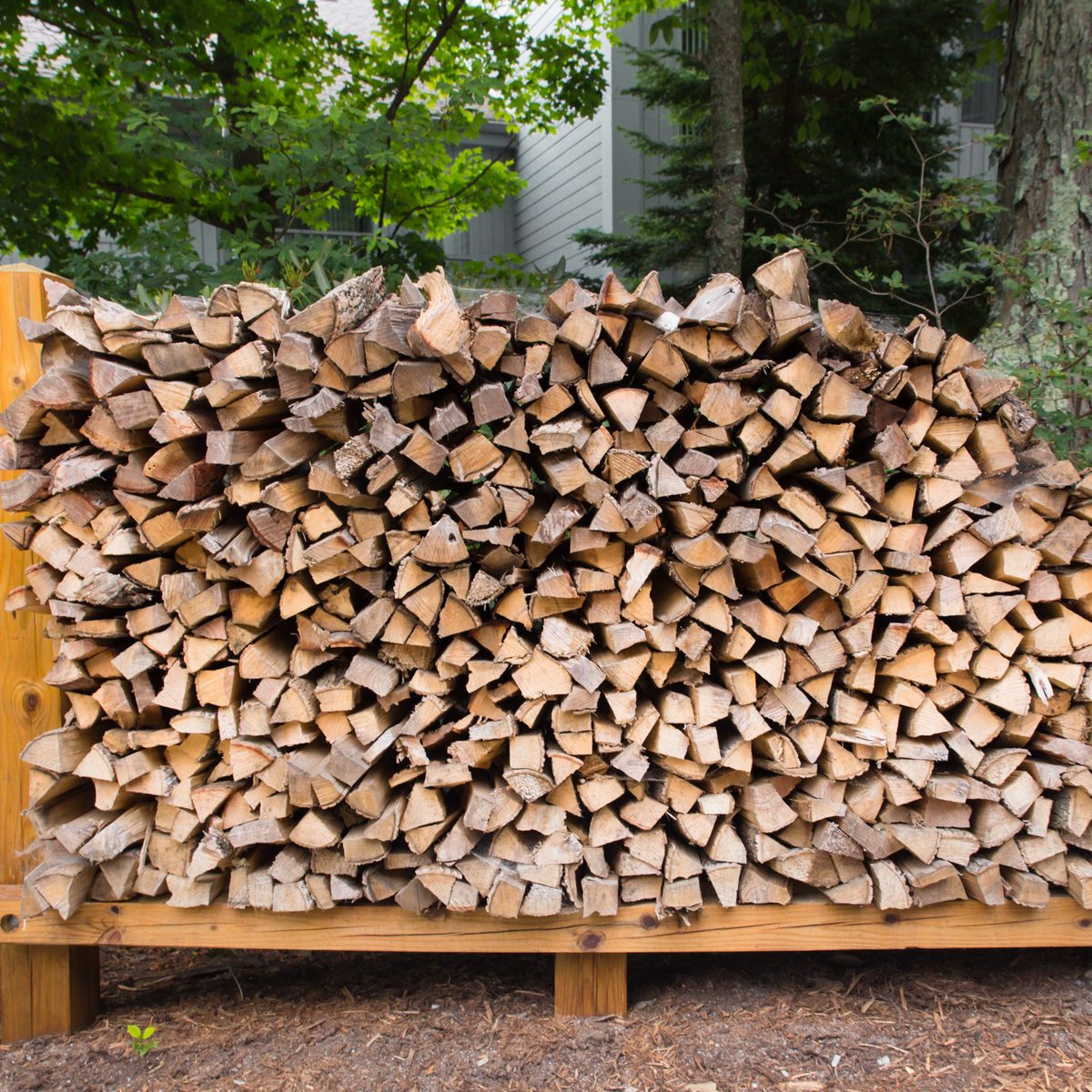
A full cord is a stacked pile of split firewood measuring 4 feet high by 4 feet deep by 8 feet long, about 128 cubic feet. Smaller sizes are the same stack at a quarter, half, or three quarters of that volume.
Placing an order online was so easy. Delivery was on time. When the driver realized we had a newly poured driveway they erred on the side of caution and opted not ti drive in it. The company even sent me a message explaining that call. Would recommend!
How Much Firewood Do I Need?
Most Kansas City homeowners heating occasionally need a half cord to a full cord for the season, while daily wood heat users should order 3 to 4 cords to comfortably last through the nearly six month heating window.
What is a Cord?
A full cord is a stacked pile of split firewood measuring 4 feet high by 4 feet deep by 8 feet long, about 128 cubic feet. Smaller sizes are the same stack at a quarter, half, or three quarters of that volume.
Placing an order online was so easy. Delivery was on time. When the driver realized we had a newly poured driveway they erred on the side of cautio...
Read full review
Placing an order online was so easy. Delivery was on time. When the driver realized we had a newly poured driveway they erred on the side of caution and opted not ti drive in it. The company even sent me a message explaining that call. Would recommend!

One of the easiest customer service experiences I've had in a long time! Mulch Mound made it so simple. After putting it off for a while, I looked ...
Read full review
One of the easiest customer service experiences I've had in a long time! Mulch Mound made it so simple. After putting it off for a while, I looked at the weather and knew I needed to get to mulching ASAP before the rain came if I didn't want to wait another week. I put my order in for the next day online and they came right at 9 AM. The employee who dropped off the mulch did a great job, putting it right on the tarp I laid out, she even made sure none of it got on the yard and double checked the truck bed to make sure it all came out. The mulch was exactly what I needed and arrived right on time.
While you are prepping for the cold, check out our mulch and stone options sourced for Kansas City's clay soil, ideal for insulating garden beds before the first frost hits on October 20.
Stack your firewood off the ground on a pallet or rack, with the split side facing out to shed rain and snow. Kansas City's humid summers and wet winters mean ground contact invites rot fast. Leave the top loosely covered but the sides open so air keeps circulating, otherwise trapped moisture undoes months of seasoning before you even get to burn it.
Mulch Mound Pro Tip
Oak and hickory both split from our local stock burn slow and hot once established, but they take longer to catch than ash. Build your fire with a base of quick catching ash or smaller splits, then add oak or hickory once you have a solid coal bed going. This gives you a longer, steadier burn through cold January nights.
Mulch Mound Pro Tip
Order your firewood in September if you can. Kansas City's demand spikes hard once temperatures drop near the October 20 frost date, and waiting until the first cold snap often means longer delivery windows. Ordering early also gives any extra drying time a chance to work in your favor before you actually need the heat.
Wood Heat in Kansas City
Kansas City winters run from a first frost around October 20 through a last frost near April 10, which adds up to nearly six months where a woodstove or fireplace gets real use. That long heating season means the wood you burn needs to be fully seasoned, not just cut and split. Green wood fights the humid Missouri summers and clay soil moisture that surrounds local timber, so it needs six months to a year of proper drying before it burns clean. Our oak, hickory, and ash comes from stands near Kansas City and is seasoned to below 20 percent moisture before it reaches your driveway. Burning properly dried local hardwood means less creosote buildup, more heat per log, and fewer trips out to the woodpile on a January night.
Local Hardwood Species
Expect dense regional hardwoods like oak, hickory, maple, and ash. These species burn longer and hotter than softwoods, which is what you want when a cold snap settles in and the stove runs all day.
Seasoning and Moisture
Firewood needs 6 to 12 months of drying before it burns well. Properly seasoned wood lights faster, throws more heat, and keeps creosote out of your chimney, which matters most in the coldest weeks of the year.
Buy Local, Burn Local
Firewood that travels long distances spreads invasive pests like the emerald ash borer. Our wood is cut and seasoned close to where it is delivered, which protects local trees and means fresher wood for you.
Frequently Asked Questions
Click a question to see the answer
Answer
How much firewood do I actually need to get through a Kansas City winter?
If wood heat is your main source of warmth, plan on 3 to 4 full cords to cover the stretch from late October through early April. Occasional fireplace users burning once or twice a week usually get by on a half cord to a full cord for the season.
Answer
What does seasoned firewood mean and why does it matter here?
Seasoned means the wood has dried for six months to a year until its moisture content drops below 20 percent. In our humid Missouri climate, unseasoned or green wood holds onto moisture longer and burns smoky, inefficient, and full of creosote that builds up in your chimney.
Answer
What kind of wood will I actually get delivered?
Expect a mix of local hardwoods like oak, hickory, and ash, all common species around the Kansas City area. These woods burn hot and long, which suits our multi month heating season better than softer woods like pine.
Answer
Why does it matter that the firewood is sourced locally near Kansas City?
Moving firewood long distances is one of the main ways pests like the emerald ash borer spread from one region to another. Because our wood is sourced near Kansas City and burned near Kansas City, you are not unknowingly transporting an infestation into your own yard or your neighbor's trees.
Answer
Do you deliver a rick or a face cord, and how does that compare to your sizes?
In this part of Missouri, a rick or face cord usually refers to a stack 4 feet high by 8 feet long but only as deep as the log length, often around 16 to 18 inches. That generally lines up close to our quarter cord option, though our sizing is measured precisely by the full cord standard of 128 cubic feet so you know exactly what you are getting.
Answer
How does delivery actually work once I place an order?
We schedule a delivery window that works for you, then bring the wood loose to your driveway. Stacking is not included, so plan on a few hours to move and stack it wherever you plan to store it for the season.
Answer
Are there any local rules about burning wood in Kansas City?
The Kansas City area occasionally issues air quality advisories during winter inversions, which can affect outdoor burning recommendations. It is worth checking local advisories on high pollution days, though indoor woodstove and fireplace use is generally unrestricted for residential heating.