Mulch Mound made it so easy! So happy with the pricing, turn around time, delivery and product. I submitted my online order on a Thursday. The mulch was delivered to the designated location by a local landscape company at 8:30 a.m. the following Saturday morning. We had the...
Tell us what you're looking for
Thanks! We received your request.
Something went wrong. Please try again.
How Much Material Do I Need?
For most Kennewick ornamental beds and around shrubs, plan on 3 inches of mulch depth to provide adequate moisture retention through the dry summer months. Slopes or areas with erosion concerns may benefit from a slightly deeper 4-inch application to help the material stay in place.
Use our free mulch calculator
What is a yard?
A yard is approximately 27 cubic feet. As a general guideline, one yard of material can cover an area of about 100-160 square feet at a 2-3 inch depth.
Mulch Mound made it so easy! So happy with the pricing, turn around time, delivery and product. I submitted my online order on a Thursday. The mulch was delivered to the designated location by a local landscape company at 8:30 a.m. the following Saturday morning. We had the...
How Much Material Do I Need?
For most Kennewick ornamental beds and around shrubs, plan on 3 inches of mulch depth to provide adequate moisture retention through the dry summer months. Slopes or areas with erosion concerns may benefit from a slightly deeper 4-inch application to help the material stay in place.
Use our free mulch calculator
What is a yard?
A yard is approximately 27 cubic feet. As a general guideline, one yard of material can cover an area of about 100-160 square feet at a 2-3 inch depth.
Mulch Mound made it so easy! So happy with the pricing, turn around time, delivery and product. I submitted my online order on a Thursday. The mu...
Read full review
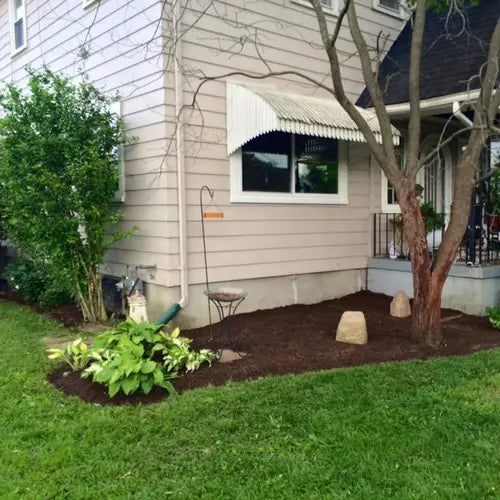
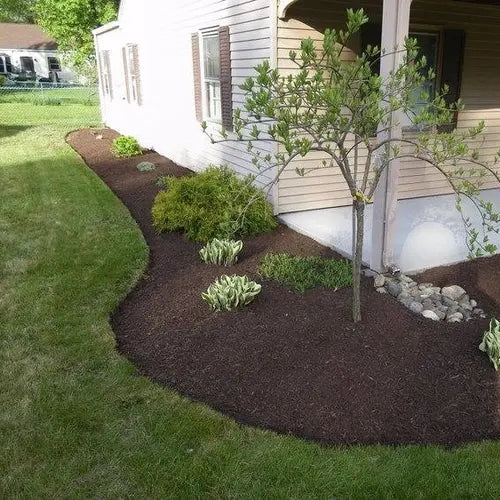
Mulch Mound made it so easy! So happy with the pricing, turn around time, delivery and product. I submitted my online order on a Thursday. The mulch was delivered to the designated location by a local landscape company at 8:30 a.m. the following Saturday morning. We had the job completed by that afternoon. We chose the natural brown mulch, and the plant beds are beautiful.
Good quality, great price, fast delivery. All online - no submitting forms and waiting for days for quotes. Getting mulch should be this easy fr...
Read full review
Good quality, great price, fast delivery. All online - no submitting forms and waiting for days for quotes. Getting mulch should be this easy from everyone. Only Mulch Mound is ACTUALLY this simple.
I highly recommend Mulch Mound. The quality of the mulch is very good. The ordering system on their website makes it very easy. The delivery driver...
Read full review
I highly recommend Mulch Mound. The quality of the mulch is very good. The ordering system on their website makes it very easy. The delivery driver did a great job placing the mulch on the driveway. To finish off, the pricing was very reasonable as well.
To estimate your mulch needs, measure the length and width of each bed in feet and multiply those numbers together to get the square footage. For a 3-inch application depth in Kennewick, divide your total square footage by 108 to find the cubic yards needed. It is always wise to add 10 percent to your estimate to account for uneven areas and any low spots that need extra fill.
Mulch vs. No Mulch: The Difference
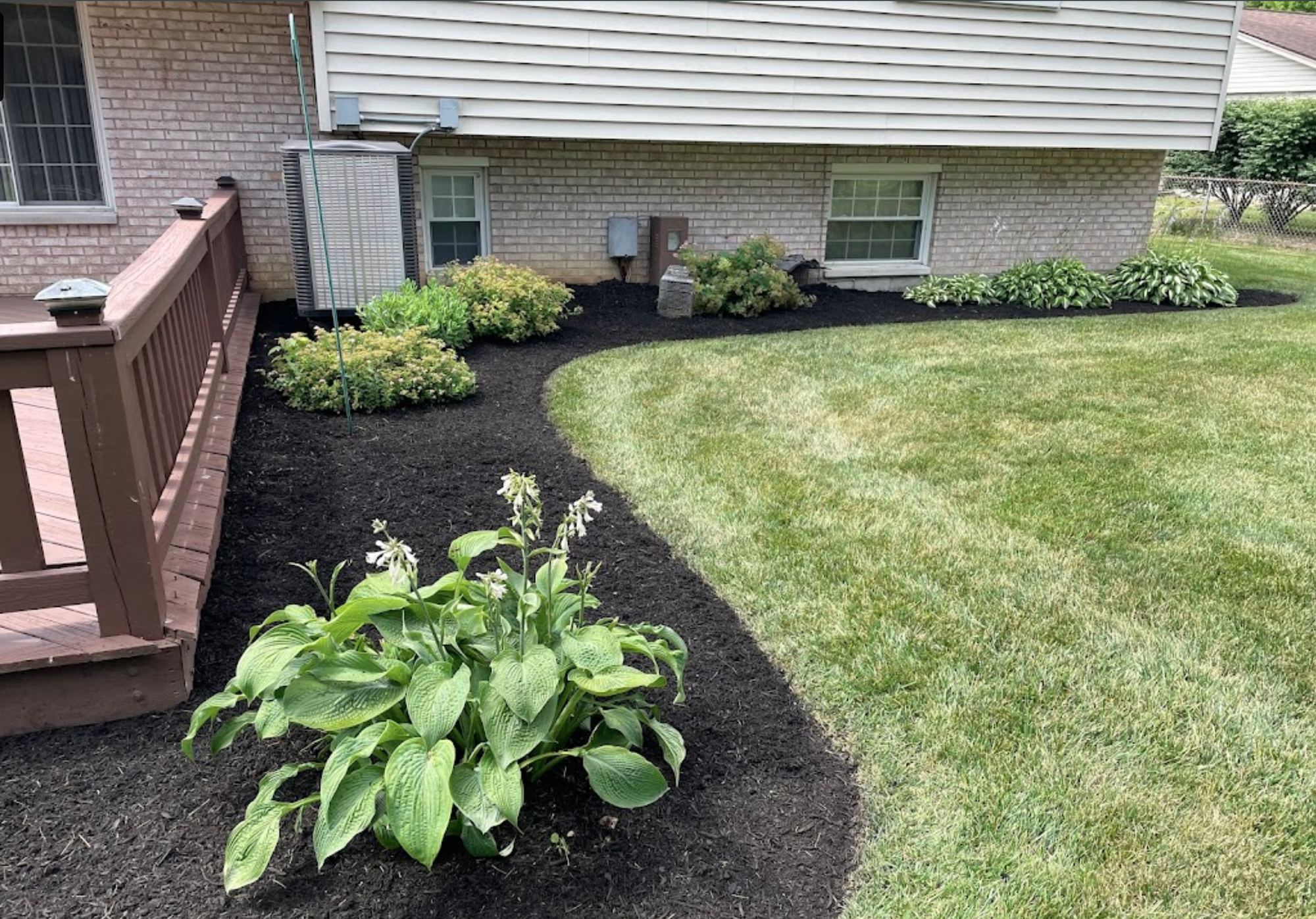
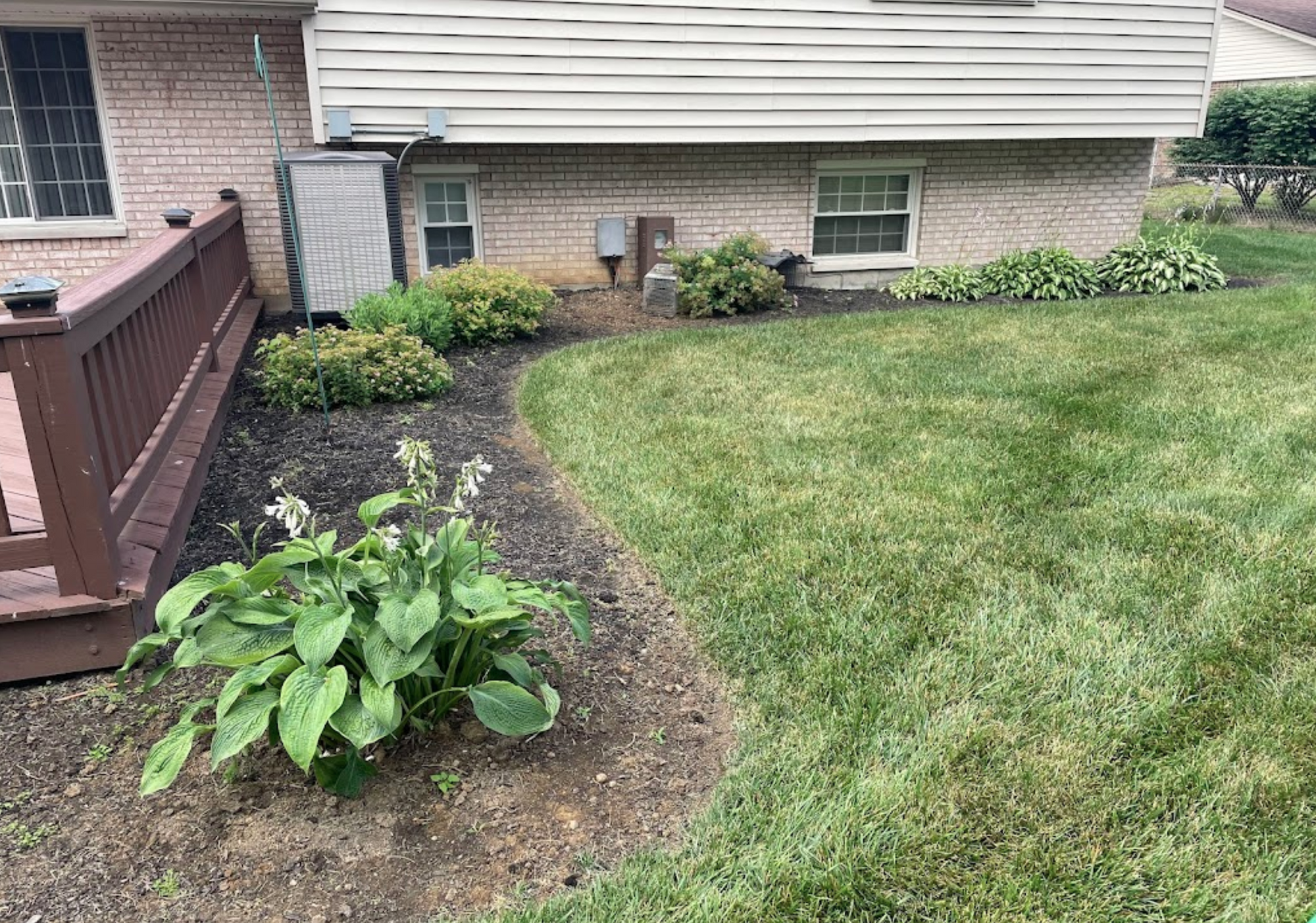
In Kennewick's high-desert climate, where summer evaporation rates far outpace the 8 inches of annual rainfall, the choice between mulched and unmulched beds is not just aesthetic, it is a water management decision. Bare silt loam soil in a Kennewick landscape can lose significant surface moisture within hours of irrigation, forcing you to run drip systems more frequently and at greater expense. Mulch interrupts that cycle by keeping the soil surface shaded and cool, stretching the effectiveness of every watering cycle across the long, dry summer.
Before
After
Best Mulch Choice for Kennewick Lawns
Most yards in the Kennewick area sit on type of soil. Kennewick's silt loam soil has a naturally fine texture that compacts easily under foot traffic and irrigation pressure, making it harder for oxygen and water to reach plant roots over time. Adding organic mulch on top of silt loam beds introduces material that gradually works into the upper soil layer and improves its overall structure.
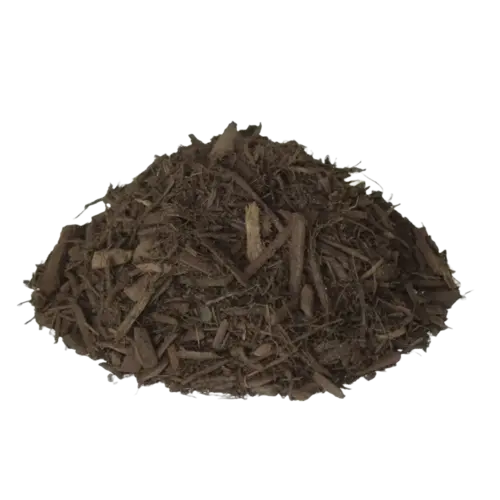
Hardwood Mulch
Hardwood mulch breaks down slowly in Kennewick's dry conditions, but as it does decompose it adds organic matter that directly improves the water-holding capacity and aeration of silt loam soil. Over several seasons, beds maintained with regular hardwood mulch top dressing develop a noticeably looser, more crumbly surface layer that is far easier to plant into and much more forgiving during dry spells.
Complete Your Outdoor Mulch Project
Pair your mulch order with a quality amended topsoil to refresh depleted bed areas before you lay down your mulch layer. Adding decorative stone borders around the edges of your beds gives the finished project a clean, polished look that holds up well in Kennewick's dry, low-maintenance landscape style.
Before spreading mulch in spring, take a few minutes to loosen the top inch of your Kennewick silt loam soil with a hand cultivator. The surface of this soil type forms a dense crust over winter that resists water penetration. Breaking that crust before mulching allows your irrigation water to move into the root zone efficiently rather than running off the sealed surface, which is especially important in the early growing season when new plants need consistent moisture to establish.
Mulch Mound Pro Tip
If you are mulching around native or drought-adapted plants in your Kennewick xeriscape, keep the mulch layer on the drier end of the depth spectrum, around 2 inches rather than 4. Plants like lavender, sage, and rabbitbrush that are adapted to the arid Columbia Basin environment can actually suffer from excessive soil moisture retention around their crowns. Lighter mulching gives you the weed suppression benefits without creating a consistently moist environment that these plants are not suited for.
Mulch Mound Pro Tip
Time your mulch delivery for late April or early May in Kennewick, right after the last frost risk has passed and the soil has begun warming. This timing allows the soil to reach the temperatures that activate beneficial microbial activity before you insulate it with mulch. Mulching too early in March can lock cold soil temperatures in place and slow the start of your growing season, which is already short enough given Kennewick's late spring frost dates.
Frequently Asked Questions
Click a question to see the answer
Answer
How thick should I apply mulch in Kennewick given how hot and dry the summers get?
In Kennewick's climate, where summer temperatures regularly climb past 100 degrees and rainfall is only about 8 inches per year, a 3 to 4 inch layer of mulch is ideal for most ornamental and vegetable beds. Going thinner than 2 inches leaves the silt loam soil exposed and prone to crusting and rapid moisture loss. Going deeper than 4 inches can actually trap too much heat in the mulch layer itself and may prevent light summer rains from penetrating to the root zone.
Answer
Will mulch help my drip irrigation system work better?
Yes, and this is especially relevant in Kennewick where drip irrigation is the dominant watering method for home landscapes. A solid mulch layer slows surface evaporation dramatically, which means the water delivered by your drip emitters stays in the root zone longer rather than wicking away in the dry Columbia Basin air. Many Kennewick homeowners find they can reduce irrigation run times by 20 to 30 percent after applying a proper mulch layer, which adds up to real savings over a long, hot growing season.
Answer
Does mulch break down faster here because of the intense summer heat?
Ironically, mulch in Kennewick tends to break down more slowly than in wetter climates because decomposition requires moisture. The dry conditions actually preserve the physical structure of the mulch for longer periods, though the surface layer can bleach and become brittle from UV exposure. You will likely need to top dress your beds every two years rather than every year, but the surface appearance may look faded after just one full summer of direct Kennewick sun.
Answer
What type of mulch works best around my drip-irrigated fruit trees?
For the fruit trees common in Kennewick yards, including the cherry and apple varieties that love the area's sunny days, a coarser hardwood or wood chip mulch works very well. Apply it in a wide ring around the drip line of the tree rather than piling it against the trunk, and keep a small gap around the base to prevent moisture-related bark issues. The larger particle size allows your drip emitters to deliver water through the mulch layer without forming a crust on top.
Answer
Can I use mulch to help establish new plants I put in during spring after the last frost?
Absolutely, and timing your mulch application just after the April 5 average last frost date is a smart strategy for Kennewick gardeners. New transplants are especially vulnerable to the soil temperature swings that happen in late April and May here, when days can already hit the mid-70s but nights still dip toward freezing. A 3-inch mulch layer buffers that thermal swing and gives new root systems a more stable environment while they establish. Just wait until the soil has warmed slightly before applying so you are not locking in cold ground.
Answer
Will mulch attract scorpions or black widows, which I know we have in this area?
This is a fair concern for Kennewick homeowners since both species do exist in the desert shrub environment of the Columbia Basin. Keeping mulch pulled back a few inches from your home foundation and avoiding excessively thick applications near entry points reduces harborage opportunities significantly. Natural cedar mulch has some inherent pest-deterrent properties and is a popular choice in the Tri-Cities specifically for this reason. Turning your mulch occasionally with a rake also disrupts any populations that might be trying to settle in.
Answer
How do I keep mulch from blowing around in the wind we get here in the Tri-Cities?
Kennewick is notorious for strong winds coming down the Columbia River corridor, and lightweight bark chips or shredded wood can migrate across your yard after a big wind event. Choosing a denser, coarser mulch product rather than a fine or fluffy shredded material helps significantly. Installing a simple edging border around your beds also keeps mulch contained. Lightly watering the mulch right after spreading it causes the pieces to settle and lock together, which makes a big difference on exposed or sloped areas.
The Unique Landscape of Kennewick
Kennewick sits in one of the driest corners of Washington state, receiving only about 8 inches of rain per year, which means your plant beds are constantly fighting moisture loss through the long, hot summers. The silt loam soil common throughout the Tri-Cities region tends to crust over quickly when exposed to direct sun and wind, forming a hard cap that sheds water rather than absorbing it. A proper layer of mulch acts as a protective blanket that slows evaporation, softens the impact of summer heat radiating off the ground, and keeps root zones cooler during the stretches of 100-degree weather Kennewick sees nearly every July and August. With a first frost arriving around October 26 and a last frost near April 5, your growing window is meaningful but your soil needs all the help it can get to retain fertility through the extremes. Mulch also reduces the frequency of irrigation cycles, which matters when water costs in the Columbia Basin are a real budget consideration for homeowners.