




Great service. We ordered topsoil from Mulch Mound and the best experience. Thank you so much!
About this soil
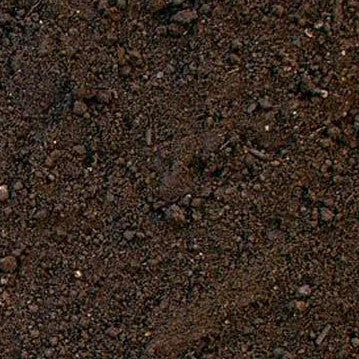
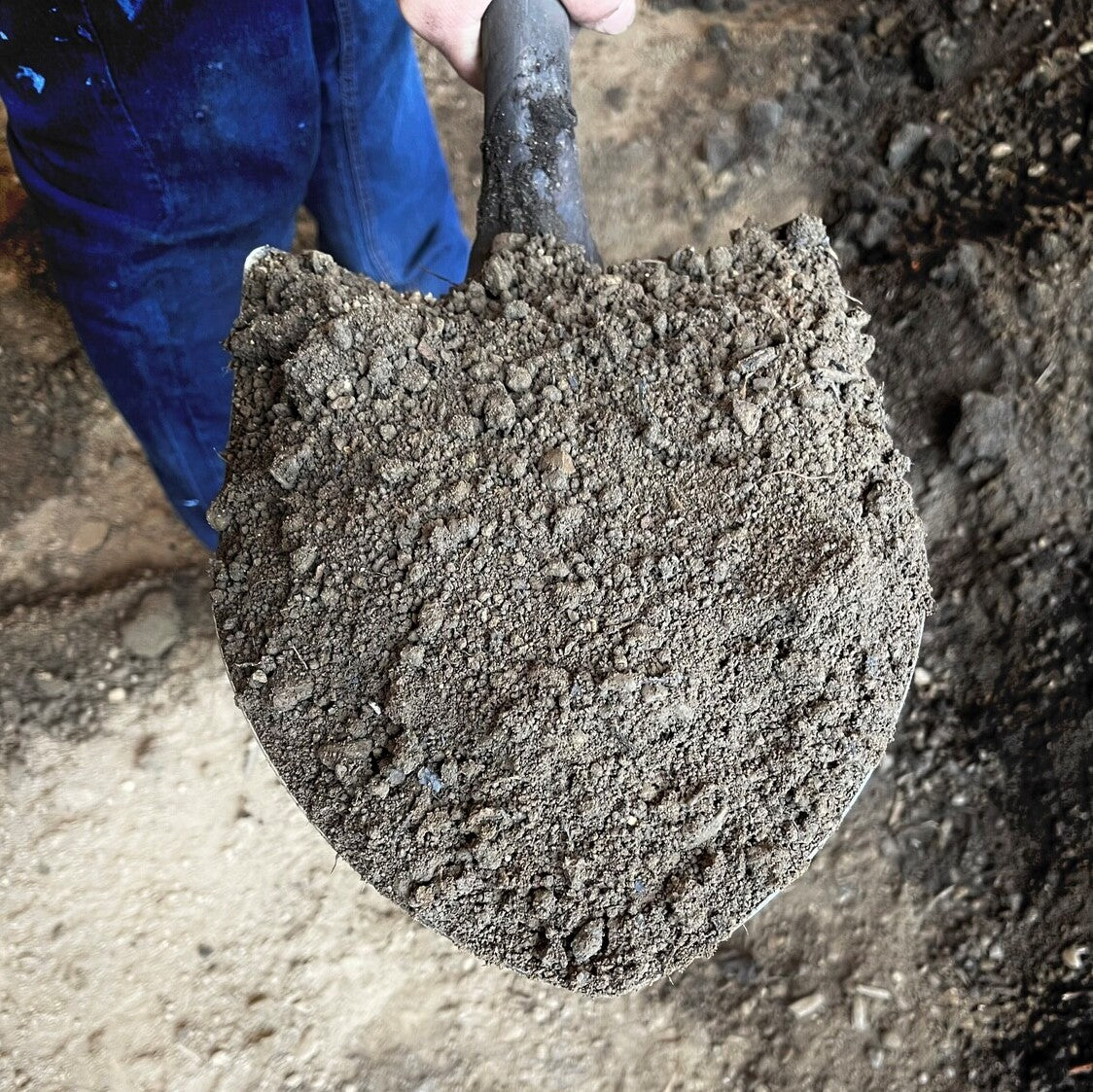
Screened topsoil with a fine, even texture. Ideal for new lawns, sod prep, and raised garden beds.
Great service. We ordered topsoil from Mulch Mound and the best experience. Thank you so much!
Tell us what you're looking for
Thanks! We received your request.
Something went wrong. Please try again.
How Much Material Do I Need?
How Much Material Do I Need?
For general landscape grading and planting bed preparation in Kennewick, a 4 to 6 inch layer of quality soil provides a meaningful improvement over the native silt loam for most ornamental planting. For productive vegetable or fruit gardens, plan for a minimum of 10 to 12 inches of quality soil depth to accommodate the robust root systems needed to sustain plants through the intense Kennewick growing season.
Use our free soil calculator
What is a Yard?
What is a Yard?
FAQs
FAQs
Kennewick Soil Delivery
Kennewick Soil Delivery
Regular price
$83.00
per
Yard
Regular price
Sale price
$83.00
Unit price
per
Shipping calculated at checkout.
Minimum of 3 Yard
Couldn't load pickup availability
Not currently available
We can't take orders for this right now. Tell us what you need and we'll get back to you.
Hand-picked local yards
4,000+ regional deliveries
Dedicated support
Why order through Mulch Mound
The best local , without the guesswork.
We hand-pick and partner with the best yards in your region, keep only the ones our buyers rate well, and back each load with our guarantee.
Mulch Mound Guarantee
If your isn't the quantity or quality you ordered, we'll make it right.
About this soil
Screened topsoil with a fine, even texture. Ideal for new lawns, sod prep, and raised garden beds.
Great service. We ordered topsoil from Mulch Mound and the best experience. Thank you so much!
How Much Material Do I Need?
How Much Material Do I Need?
For general landscape grading and planting bed preparation in Kennewick, a 4 to 6 inch layer of quality soil provides a meaningful improvement over the native silt loam for most ornamental planting. For productive vegetable or fruit gardens, plan for a minimum of 10 to 12 inches of quality soil depth to accommodate the robust root systems needed to sustain plants through the intense Kennewick growing season.
Use our free soil calculator
What is a Yard?
What is a Yard?
FAQs
FAQs
Tell us what you're looking for
Thanks! We received your request.
Something went wrong. Please try again.
How It Works
Getting started is easy — just follow these simple steps
1
Choose your soil
Make sure you adjust the quantity to your home's needs. You can use our calculator to estimate how much you'll need.
2
Select your delivery date
Select a delivery date you'd like for the product to be dropped off at your home
3
Sit back and wait
Sit back, wait, and let us work our magic to make sure the highest quality product is delivered to your driveway.

Placing an order online was so easy. Delivery was on time. When the driver realized we had a newly poured driveway they erred on the side of cautio...
Read full review
Placing an order online was so easy. Delivery was on time. When the driver realized we had a newly poured driveway they erred on the side of caution and opted not ti drive in it. The company even sent me a message explaining that call. Would recommend!

Online ordering was really simple and I liked the transparent pricing.
Need Help Calculating How Much Soil You Need?
Use our NEW Trace from Satellite tool to get an estimate for your project based on an aerial view of your property
Try Our CalculatorMeasure the length and width of your project area in feet and multiply them together to get the square footage. Then decide on your fill depth, typically 6 inches for general landscaping or 10 to 12 inches for vegetable beds, and use our online calculator to convert those numbers into cubic yards. For irregularly shaped areas in Kennewick yards, break the space into simple rectangles, calculate each section separately, and add the totals together.
Complete Your Outdoor Soil Project
Top your new soil with a layer of premium mulch to protect the surface from Kennewick's evaporative summer heat and extend the time between irrigation cycles. If you are building raised beds or edged garden areas, consider adding a decorative stone border to contain the soil and give your project a finished look that complements the clean, modern aesthetic common in Tri-Cities landscaping.
Mulch Mound Pro Tip
When incorporating new bulk soil into Kennewick's existing silt loam, take time to till the two materials together at the interface zone rather than simply laying new soil on top. A hard separation layer between new and old soil creates a perching effect where water pools at the boundary and does not move freely through the profile. Blending the transition zone 3 to 4 inches deep with a tiller creates a gradual textural transition that allows water and roots to move naturally through the entire soil column.
Mulch Mound Pro Tip
If you are ordering soil for a new lawn in Kennewick, choose a blend that includes some sandy component for drainage rather than a heavy clay-based product. Kennewick's irrigation-dependent lawns are prone to soggy patches in low spots when the soil holds too much water during high-heat watering cycles. A loamy blend with good drainage characteristics gives grass roots the oxygen they need even during the heavy watering schedules that Kennewick summers demand.
Mulch Mound Pro Tip
Plan your soil delivery for a day when you can begin spreading immediately or within 24 hours. Bulk soil sitting in a pile in Kennewick's dry summer air can form a dry outer crust that makes spreading more difficult and causes the fine particles on the surface to become airborne in the area's regular afternoon winds. Starting your spread promptly keeps the material at its ideal workable moisture content and gets your project moving before the physical conditions change.
The Unique Landscape of Kennewick
Kennewick's native silt loam soil is workable and not without its merits, but it presents real challenges for home gardeners and landscapers trying to grow anything beyond the native shrubs adapted to the Columbia Basin. The soil tends to compact into a nearly concrete-like hardness when it dries out completely, which happens fast given the region's 8 inches of annual rainfall and brutally evaporative summer heat. Vegetable gardens, raised beds, and lawn renovations in Kennewick consistently benefit from added quality soil because the native material alone does not provide the organic content or drainage characteristics that productive plants require. Brought-in bulk soil also lets you build up grade in areas that have settled or eroded, which is a common issue on the windward sides of Kennewick properties where fine silt particles blow away over time. With a growing season running roughly from early April through late October, investing in proper soil gives you the best chance of making the most of every week of warm weather the region offers.