



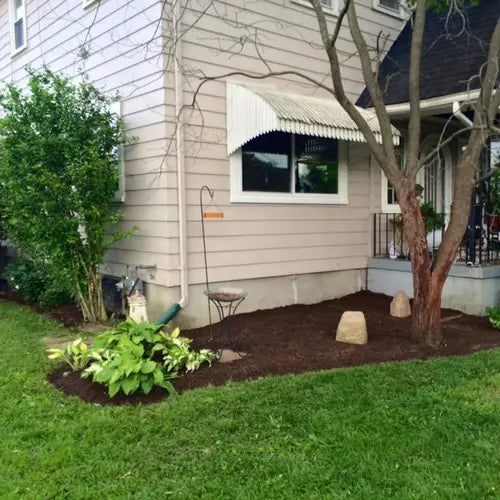

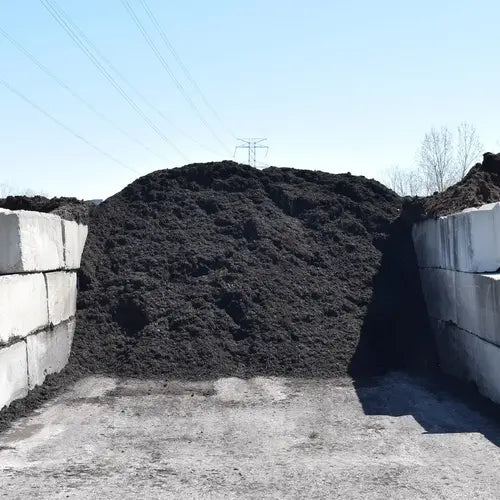
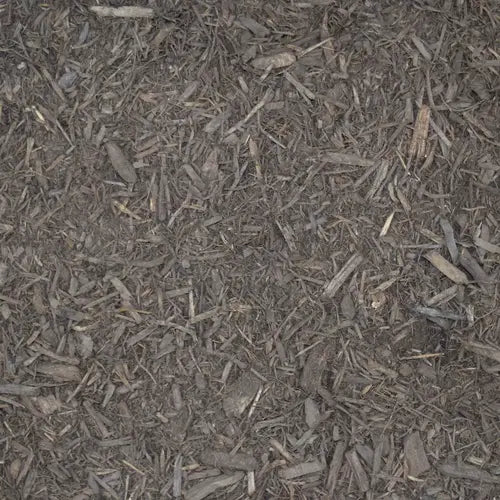
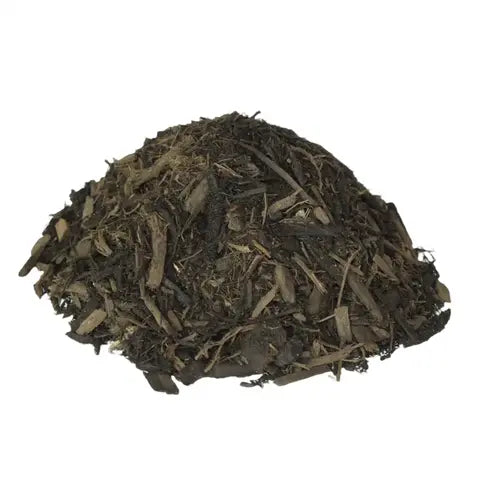
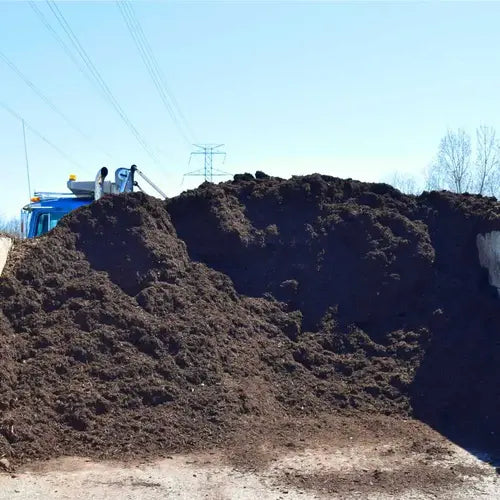
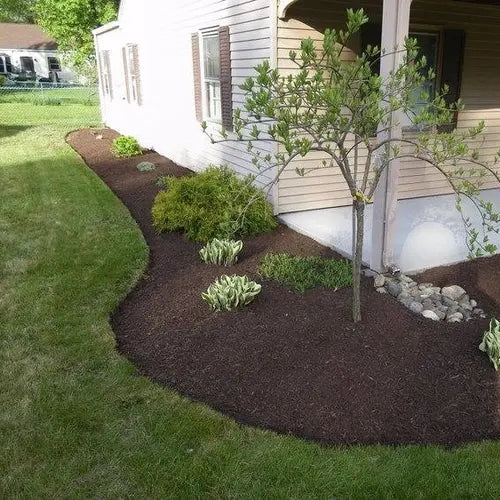

Our delivery was delayed but the new brown color mulch is a nice upgrade to our landscaping.
About this mulch
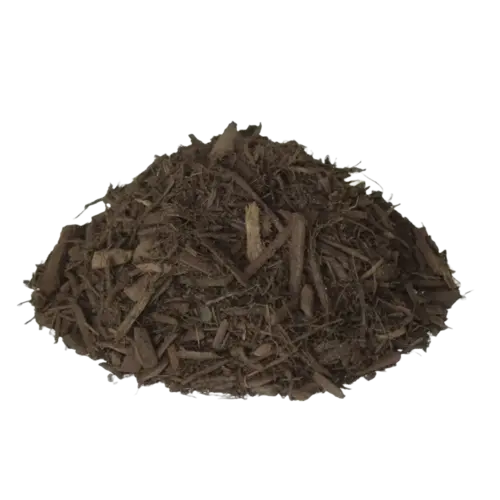
Warm brown double shredded mulch with lasting color that looks freshly applied for weeks. Spreads smooth, stays put, and gives beds a natural, polished appearance.
Our delivery was delayed but the new brown color mulch is a nice upgrade to our landscaping.
Tell us what you're looking for
Thanks! We received your request.
Something went wrong. Please try again.
How Much Material Do I Need?
How Much Material Do I Need?
For La Crosse's silt loam soil, aim for 3 to 4 inches of mulch in garden beds to provide meaningful weed suppression and moisture retention through the summer growing season. A thinner layer tends to break down quickly in La Crosse's wet springs and may leave soil exposed before fall arrives.
Use our free mulch calculator
What is a yard?
What is a yard?
FAQs
FAQs
La Crosse Mulch Delivery
La Crosse Mulch Delivery
Regular price
$64.00
per
yard
Regular price
Sale price
$64.00
Unit price
per
Shipping calculated at checkout.
Minimum of 3 yard
Couldn't load pickup availability
Not currently available
We can't take orders for this right now. Tell us what you need and we'll get back to you.
Hand-picked local yards
4,000+ regional deliveries
Dedicated support
Why order through Mulch Mound
The best local mulch, without the guesswork.
We hand-pick and partner with the best yards in your region, keep only the ones our buyers rate well, and back each load with our guarantee.
Mulch Mound Guarantee
If your mulch isn't the quantity or quality you ordered, we'll make it right.
About this mulch
Warm brown double shredded mulch with lasting color that looks freshly applied for weeks. Spreads smooth, stays put, and gives beds a natural, polished appearance.
Our delivery was delayed but the new brown color mulch is a nice upgrade to our landscaping.
How Much Material Do I Need?
How Much Material Do I Need?
For La Crosse's silt loam soil, aim for 3 to 4 inches of mulch in garden beds to provide meaningful weed suppression and moisture retention through the summer growing season. A thinner layer tends to break down quickly in La Crosse's wet springs and may leave soil exposed before fall arrives.
Use our free mulch calculator
What is a yard?
What is a yard?
FAQs
FAQs
Tell us what you're looking for
Thanks! We received your request.
Something went wrong. Please try again.

How It Works
Getting started is easy — just follow these simple steps
1
Choose your Mulch
Make sure you adjust the quantity to your home's needs. You can use our calculator to estimate how much you'll need.
2
Select your delivery date
Select a delivery date you'd like for the product to be dropped off at your home
3
Sit back and wait
Sit back, wait, and let us work our magic to make sure the highest quality product is delivered to your driveway.

Mulch Mound made it so easy! So happy with the pricing, turn around time, delivery and product. I submitted my online order on a Thursday. The mu...
Read full review
Mulch Mound made it so easy! So happy with the pricing, turn around time, delivery and product. I submitted my online order on a Thursday. The mulch was delivered to the designated location by a local landscape company at 8:30 a.m. the following Saturday morning. We had the job completed by that afternoon. We chose the natural brown mulch, and the plant beds are beautiful.

Good quality, great price, fast delivery. All online - no submitting forms and waiting for days for quotes.
Getting mulch should be this easy fr...
Read full review
Good quality, great price, fast delivery. All online - no submitting forms and waiting for days for quotes.
Getting mulch should be this easy from everyone. Only Mulch Mound is ACTUALLY this simple.
Calculate mulch for your La Crosse project
For La Crosse's Silt Loam type of soil, we recommend 2-3 inches for best weed suppression and moisture retention
Try Our CalculatorMeasure the length and width of each garden bed in feet, then multiply by the intended depth in feet (3 inches equals 0.25 feet) to get cubic feet, then divide by 27 to convert to cubic yards. In La Crosse, where silt loam soil compacts after rain and creates uneven surfaces, adding an extra half-inch of mulch depth compared to standard recommendations helps compensate for seasonal settling. Most La Crosse homeowners are surprised by how much their beds need after the first heavy spring rain shifts fine material into lower spots.



Best Mulch Choice for La Crosse Lawns
Most yards in the La Crosse area sit on Silt Loam type of soil. La Crosse's silt loam soil tends to crust over between rain events, making it difficult for plant roots to access oxygen and for water to penetrate evenly into the bed. A consistent mulch layer prevents that surface crusting by breaking the impact of rainfall before it compacts the soil directly beneath.
Hardwood Mulch
Hardwood mulch is particularly well-suited to La Crosse's silt loam beds because as it decomposes it adds fibrous organic matter that gradually loosens the soil structure and improves drainage from the top down. This slow amendment process is exactly what dense silt loam needs to become more friable, better aerated, and more hospitable to deep-rooted perennials with each passing season.
Mulch Types We Deliver in La Crosse
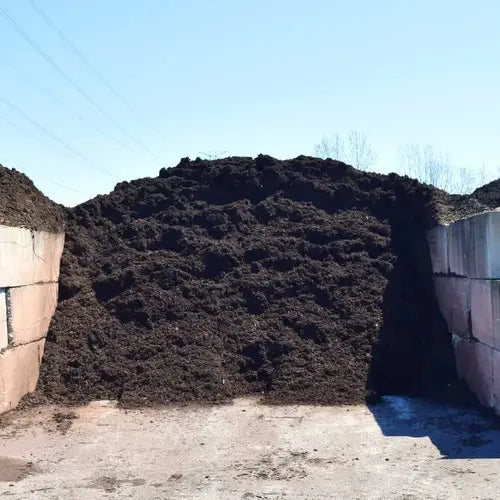
Ordering bulk mulch delivery in La Crosse is the easiest way to cover large beds, tree rings, and landscaped slopes in a single trip. We deliver by the cubic yard so you get exactly what your project calls for, from a small garden refresh to a complete yard renovation. The warm summers and wet springs here make a good mulch layer essential for holding moisture and keeping weeds in check.
Dyed Black Mulch
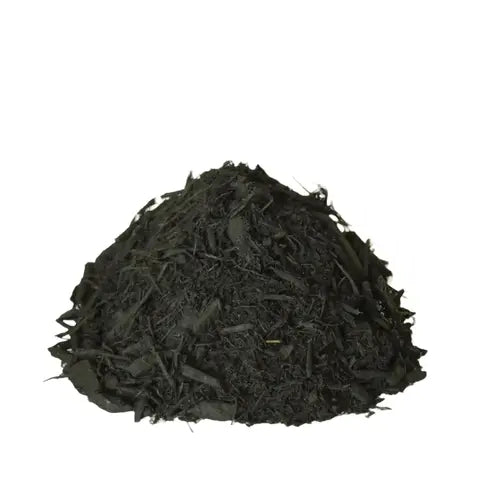
A bold choice that pairs well with the white trim and brick exteriors common in older La Crosse neighborhoods. Available in double shredded, this mulch lays flat for a clean, finished look. The rich color holds up through Wisconsin's wet springs and humid summers, keeping beds looking freshly done all season.
Dyed Brown Mulch
Warm brown double shredded mulch is the most popular choice for homeowners who want a natural, polished look without stark color contrast. It blends easily with the mature shade trees and perennial gardens common in La Crosse, and the lasting color stays fresh through Wisconsin's rainy spring months.
Natural Brown Mulch
For yards where the goal is a clean, understated look, natural brown double shredded mulch is a reliable choice. It carries no dye, making it a natural fit for wooded lots and native plant beds common across La Crosse. The smooth texture spreads easily and the earthy tone weathers gracefully through Wisconsin's seasons.
Complete Your Outdoor Mulch Project
If your beds need building up before mulching, consider pairing your mulch order with a bulk topsoil delivery to correct the low spots that are common in La Crosse's compaction-prone silt loam yards. Adding decorative stone borders around your mulched beds is a popular finishing touch in La Crosse neighborhoods, helping contain mulch during heavy downpours while giving beds a clean, defined edge year-round.


Service area
Areas we deliver mulch in La Crosse, Wisconsin
Mulch Mound Pro Tip
Apply mulch in La Crosse after your last frost around May 15, once the soil has had a chance to warm slightly through a few days of spring sun. Putting mulch down too early traps cold soil temperatures and slows plant emergence, a real problem in Zone 5a where the growing window is already short. Wait until your perennials are pushing 2 to 3 inches above the soil surface before covering the bed, giving roots the warmth they need to establish before summer heat arrives.
Mulch Mound Pro Tip
Hardwood mulch breaks down over one to two seasons in La Crosse's climate and contributes organic matter directly to the silt loam soil beneath it. Because silt loam holds nutrients well but can become dense and restrictive over time, that slow decomposition process is genuinely beneficial for long-term soil health. Pull back old mulch in spring, check the layer underneath for earthworm activity and crumbly texture, and add fresh material on top rather than removing the composted base.
Mulch Mound Pro Tip
La Crosse receives about 35 inches of rain per year, much of it falling in intense spring and early summer storms that saturate soil quickly and then give way to dry July and August stretches. A consistent 3 to 4 inch mulch layer acts as a buffer during both extremes, slowing runoff during heavy events and reducing evaporation during dry spells. This moisture-evening effect is especially important for perennial beds planted in silt loam, which drains slowly and can stay wet for days after a significant rain event.
The Unique Landscape of La Crosse
La Crosse sits in a river valley with silt loam soil that compacts easily under foot traffic and heavy rainfall, making mulch an essential tool for any serious gardener in this area. With 35 inches of annual rainfall, unprotected beds in La Crosse erode quickly and lose topsoil with every significant storm. The city's Zone 5a climate means plants endure hard freezes starting around October 5, and mulch helps insulate root systems through those long Wisconsin winters. La Crosse's humidity, driven partly by its proximity to the Mississippi River, can accelerate fungal issues in poorly mulched beds where soil moisture fluctuates wildly between wet spells and dry stretches. A proper mulch layer stabilizes soil temperature through the dramatic swings between a late May thaw and a hard October frost, giving plants a better chance to establish strong root systems before winter arrives.