




Ordered Dirt. Received Dirt. Would Buy Again.
About this soil
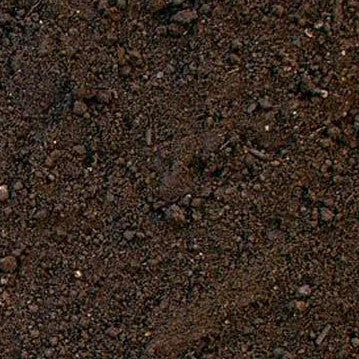
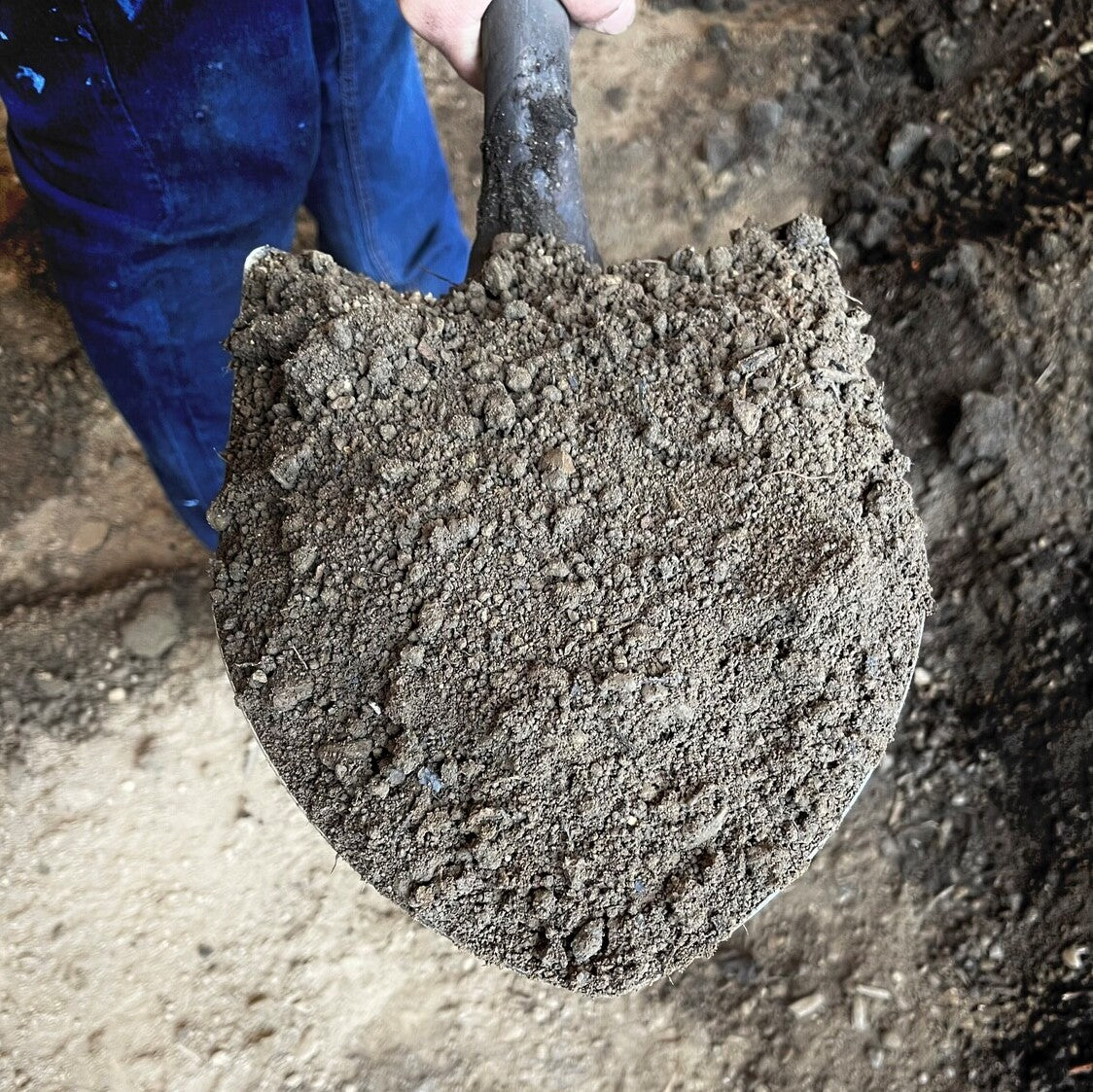
Quality topsoil for lawns, gardens, and landscape projects. Nutrient rich and ready to support strong root development and healthy plant establishment.
Ordered Dirt. Received Dirt. Would Buy Again.
Tell us what you're looking for
Thanks! We received your request.
Something went wrong. Please try again.
How Much Material Do I Need?
How Much Material Do I Need?
For new garden beds in La Crosse, plan on 6 inches of quality topsoil over your native silt loam to give roots a workable zone above the compacted subsoil layer. Lawn leveling projects typically need 2 to 3 inches spread evenly and raked smooth before seeding, which gives grass enough depth to root without smothering existing turf.
Use our free soil calculator
What is a yard?
What is a yard?
FAQs
FAQs
La Crosse Soil Delivery
La Crosse Soil Delivery
Regular price
$64.00
per
yard
Regular price
Sale price
$64.00
Unit price
per
Shipping calculated at checkout.
Minimum of 3 yard
Couldn't load pickup availability
Not currently available
We can't take orders for this right now. Tell us what you need and we'll get back to you.
Hand-picked local yards
4,000+ regional deliveries
Dedicated support
Why order through Mulch Mound
The best local soil, without the guesswork.
We hand-pick and partner with the best yards in your region, keep only the ones our buyers rate well, and back each load with our guarantee.
Mulch Mound Guarantee
If your soil isn't the quantity or quality you ordered, we'll make it right.
About this soil
Quality topsoil for lawns, gardens, and landscape projects. Nutrient rich and ready to support strong root development and healthy plant establishment.
Ordered Dirt. Received Dirt. Would Buy Again.
How Much Material Do I Need?
How Much Material Do I Need?
For new garden beds in La Crosse, plan on 6 inches of quality topsoil over your native silt loam to give roots a workable zone above the compacted subsoil layer. Lawn leveling projects typically need 2 to 3 inches spread evenly and raked smooth before seeding, which gives grass enough depth to root without smothering existing turf.
Use our free soil calculator
What is a yard?
What is a yard?
FAQs
FAQs
Tell us what you're looking for
Thanks! We received your request.
Something went wrong. Please try again.
How It Works
Getting started is easy — just follow these simple steps
1
Choose your soil
Make sure you adjust the quantity to your home's needs. You can use our calculator to estimate how much you'll need.
2
Select your delivery date
Select a delivery date you'd like for the product to be dropped off at your home
3
Sit back and wait
Sit back, wait, and let us work our magic to make sure the highest quality product is delivered to your driveway.


Placing an order online was so easy. Delivery was on time. When the driver realized we had a newly poured driveway they erred on the side of cautio...
Read full review
Placing an order online was so easy. Delivery was on time. When the driver realized we had a newly poured driveway they erred on the side of caution and opted not ti drive in it. The company even sent me a message explaining that call. Would recommend!
Need Help Calculating How Much Soil You Need?
Use our NEW Trace from Satellite tool to get an estimate for your project based on an aerial view of your property
Try Our CalculatorMeasure the square footage of your project area and decide on your target depth, typically 4 to 6 inches for garden beds and 2 to 3 inches for lawn top-dressing. Multiply square feet by depth in feet and divide by 27 to convert the result to cubic yards. In La Crosse, it is wise to order slightly more than your calculation suggests because silt loam base soil often has hidden low spots that are not visible until you begin spreading and the surface levels out.
Soil Types We Deliver in La Crosse
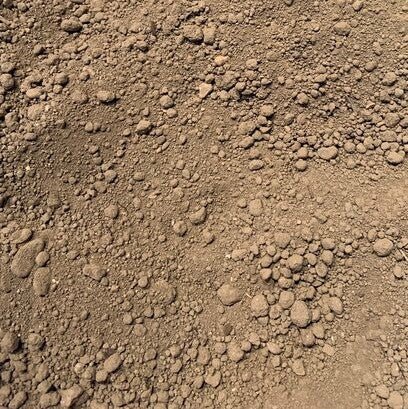
Whether you are reseeding a lawn, filling raised garden beds, or grading around a foundation, having the right soil delivered to your door makes all the difference. We offer bulk topsoil by the yard in La Crosse, dropped off in quantities sized for projects both large and small. Our screened soil arrives ready to use, so you can get to work without extra processing.
Screened Top Soil
A clean, fine-textured topsoil that has been screened to remove rocks, clumps, and debris. It is nutrient rich and well suited to lawns, vegetable gardens, and landscape beds across the region. In the heavier clay soils common throughout western Wisconsin, blending in quality screened topsoil improves drainage and supports strong, healthy root development.
Complete Your Outdoor Soil Project
After your soil is graded and settled, a bulk mulch delivery helps protect that fresh surface from La Crosse's heavy spring rains and keeps weed pressure down while new plants establish through the growing season. Adding a stone border or pathway alongside your soil project defines the space clearly and keeps foot traffic off newly worked beds before plants have time to fill in.


Mulch Mound Pro Tip
Before adding bulk soil to a new planting bed in La Crosse, loosen the existing silt loam to a depth of 6 to 8 inches with a tiller or garden fork. Silt loam compacts into dense layers that resist root penetration, and blending your new soil into the existing layer creates a continuous growing medium rather than a hard transition zone that traps water and stunts deep-rooted plants. This extra step takes an hour but makes a measurable difference in how well plants perform over the following seasons.
Mulch Mound Pro Tip
La Crosse yards on flatter terrain near the river valley floor are especially prone to pooling after rain because silt loam drains slowly and has little natural slope. When adding bulk soil for grading, aim to slope the ground away from your home's foundation at roughly 1 inch per foot for the first 6 feet. This simple grade correction, combined with a quality topsoil layer, can eliminate standing water problems that have developed over years of freeze-thaw settlement.
Mulch Mound Pro Tip
The window between La Crosse's last frost around May 15 and the first frost around October 5 gives you roughly five months of reliable growing time. Spread and settle your bulk soil deliveries early in that window so the ground has time to consolidate and support strong root development before fall arrives. Soil added too late in the season may not firm up adequately before the ground freezes, leading to frost heaving and uneven surfaces that need correction the following spring.
The Unique Landscape of La Crosse
La Crosse's native silt loam soil is nutrient-rich but problematic in practice, compacting quickly under foot traffic, heavy rainfall, and the repeated freeze-thaw cycles that run from October through late March. The city's Zone 5a climate subjects the ground to significant heaving and settling each winter, gradually degrading soil structure in exposed lawns and garden areas. With 35 inches of annual rainfall, low spots in La Crosse yards collect water and become anaerobic over time, stunting root development and killing grass in patches that grow larger every season. Imported bulk topsoil gives homeowners the ability to correct grade problems, build raised beds above the compaction layer, and establish lawns and gardens on a fresh, workable foundation. Whether you are filling in erosion channels along a bluff-side property or leveling a backyard that has settled unevenly over the years, quality bulk soil is the starting point for any lasting landscape improvement in La Crosse.