



The driver nailed it on putting the gravel I ordered in front of my trailer and between the sidewalk. Very satisfied with how my flowerbeds look now.
About this stone
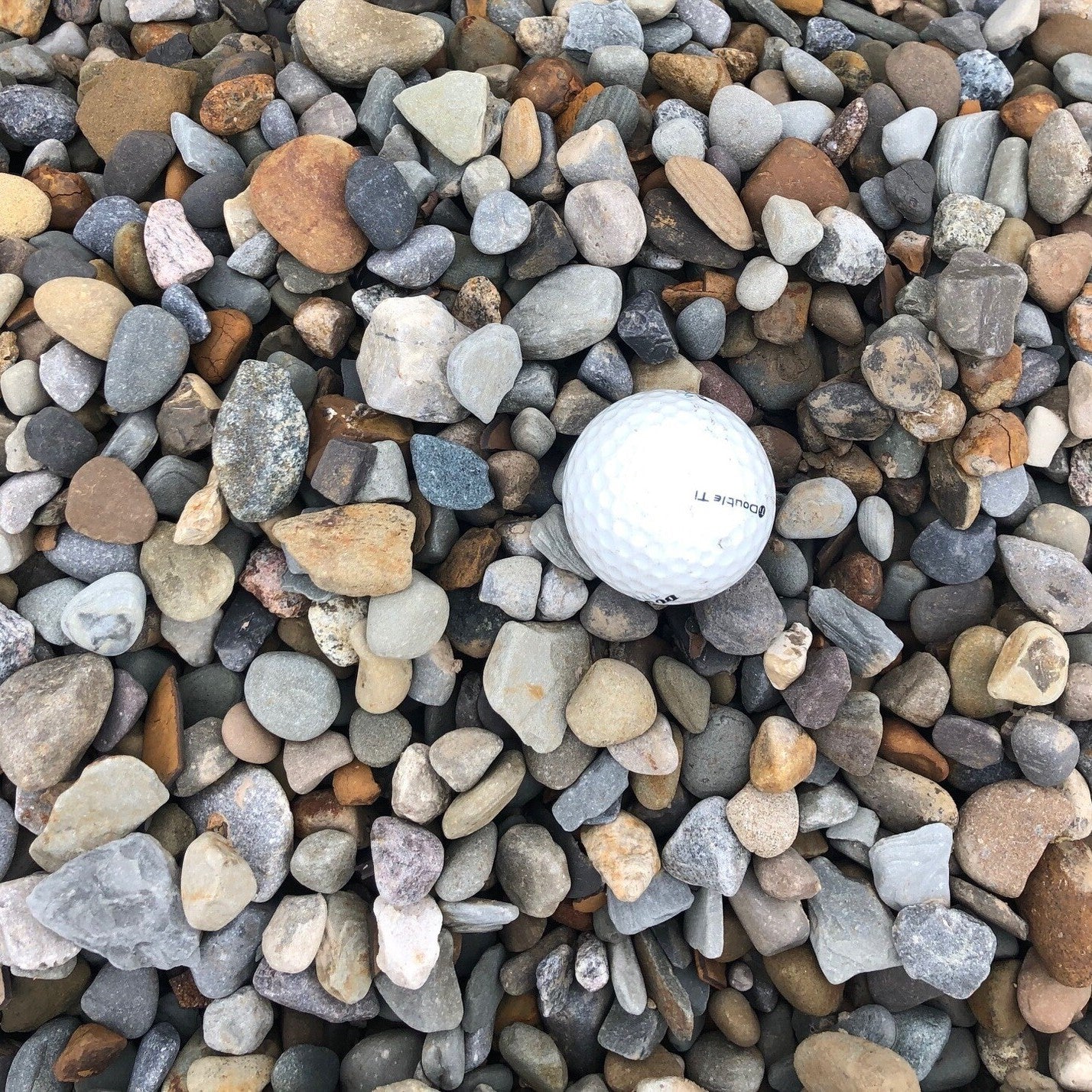
Number 57 crushed stone, angular limestone graded to about three quarters of an inch. The standard driveway, base and drainage gravel, it locks together under traffic and drains fast.
The driver nailed it on putting the gravel I ordered in front of my trailer and between the sidewalk. Very satisfied with how my flowerbeds look now.
Tell us what you're looking for
Thanks! We received your request.
Something went wrong. Please try again.
How Much Material Do I Need?
How Much Material Do I Need?
For decorative stone ground cover in La Crosse, a 3 to 4 inch depth provides solid weed suppression and stays in place during the heavy rain events that move lighter materials around. Drainage applications typically require at least 6 inches of clean crushed stone to move water effectively through La Crosse's slow-draining silt loam soil and prevent surface ponding.
Use our free gravel calculator
What is a yard?
What is a yard?
FAQs
FAQs
La Crosse Gravel Delivery
La Crosse Gravel Delivery
Regular price
$133.00
per
yard
Regular price
Sale price
$133.00
Unit price
per
Shipping calculated at checkout.
Minimum of 3 yard
Couldn't load pickup availability
Not currently available
We can't take orders for this right now. Tell us what you need and we'll get back to you.
Hand-picked local yards
4,000+ regional deliveries
Dedicated support
Why order through Mulch Mound
The best local stone, without the guesswork.
We hand-pick and partner with the best yards in your region, keep only the ones our buyers rate well, and back each load with our guarantee.
Mulch Mound Guarantee
If your stone isn't the quantity or quality you ordered, we'll make it right.
About this stone
Number 57 crushed stone, angular limestone graded to about three quarters of an inch. The standard driveway, base and drainage gravel, it locks together under traffic and drains fast.
The driver nailed it on putting the gravel I ordered in front of my trailer and between the sidewalk. Very satisfied with how my flowerbeds look now.
How Much Material Do I Need?
How Much Material Do I Need?
For decorative stone ground cover in La Crosse, a 3 to 4 inch depth provides solid weed suppression and stays in place during the heavy rain events that move lighter materials around. Drainage applications typically require at least 6 inches of clean crushed stone to move water effectively through La Crosse's slow-draining silt loam soil and prevent surface ponding.
Use our free gravel calculator
What is a yard?
What is a yard?
FAQs
FAQs
Tell us what you're looking for
Thanks! We received your request.
Something went wrong. Please try again.
How It Works
Getting started is easy — just follow these simple steps
1
Choose your stone
Make sure you adjust the quantity to your home's needs. You can use our calculator to estimate how much you'll need.
2
Select your delivery date
Select a delivery date you'd like for the product to be dropped off at your home
3
Sit back and wait
Sit back, wait, and let us work our magic to make sure the highest quality product is delivered to your driveway.

Placing an order online was so easy. Delivery was on time. When the driver realized we had a newly poured driveway they erred on the side of cautio...
Read full review
Placing an order online was so easy. Delivery was on time. When the driver realized we had a newly poured driveway they erred on the side of caution and opted not ti drive in it. The company even sent me a message explaining that call. Would recommend!

Online ordering was really simple and I liked the transparent pricing.
Need Help Calculating How Much Gravel You Need?
Use our NEW Trace from Satellite tool to get an estimate for your project based on an aerial view of your property
Try Our CalculatorMeasure the length and width of your stone project area in feet, then multiply by your intended depth in feet (a 3-inch layer equals 0.25 feet) and divide by 27 to get cubic yards. Stone is significantly heavier than mulch or soil, so be realistic about how much you can move in a single day before you schedule your delivery. For La Crosse drainage projects, calculate the linear footage of your swale and add extra material to account for the irregular terrain and hidden depth variations common in bluff-country and valley-floor properties throughout the city.
Stone Types We Deliver in La Crosse
Mulch Mound makes it simple to order bulk gravel by the yard in La Crosse, delivering straight to your driveway or job site without the hassle of hauling. Our stone is sold and delivered by the cubic yard, so you get exactly the volume your project needs. Whether you are improving drainage in La Crosse's heavy clay soils or adding a polished finish to an outdoor space, we have the right material ready to go.
Pea Gravel
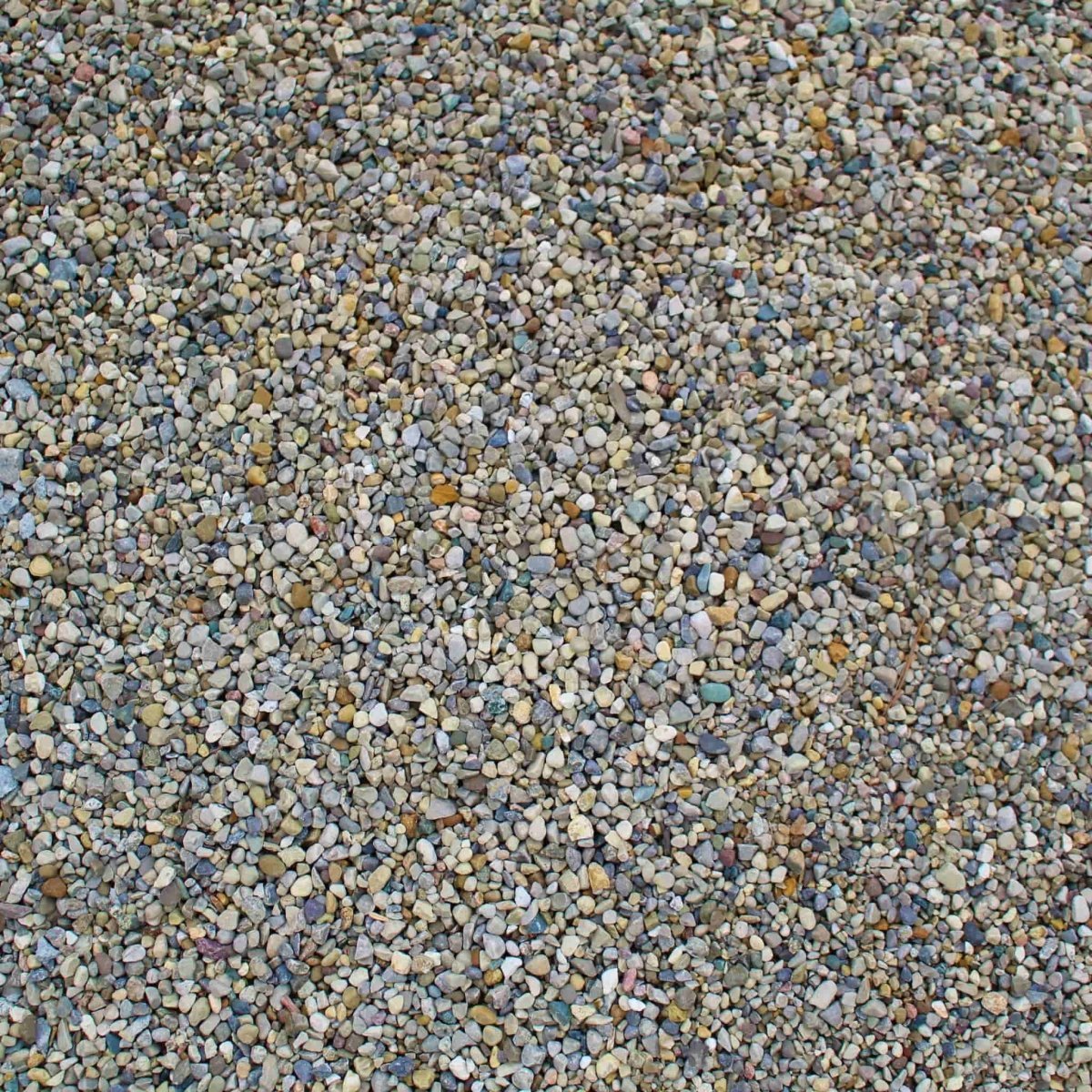
Pea gravel is a smooth, rounded stone in warm, natural earth tones that works beautifully in pathways, patios, and garden beds common to Wisconsin homes. Its excellent drainage performance makes it a smart choice for yards dealing with seasonal freeze-thaw cycles, and its gentle texture is comfortable underfoot for kids and pets.
Complete Your Outdoor Stone Project
Pair your stone delivery with a bulk topsoil order to build up low areas and establish proper drainage grade before placing stone, so water moves away from your home rather than pooling beneath the surface. Adding a mulch border alongside stone pathways or foundation beds is a popular combination in La Crosse landscapes that blends texture and function beautifully through the entire growing season.



Service area
Areas we deliver stone and gravel in La Crosse, Wisconsin
Mulch Mound Pro Tip
La Crosse's silt loam drains slowly, making surface swales and French drains filled with clean crushed stone an effective way to move water away from foundations and low spots. When installing a stone drainage feature, dig your channel a minimum of 6 inches deep and fill it with washed gravel or crushed limestone for the best water flow. This approach handles the heavy spring rain events that routinely saturate La Crosse yards and does so without any ongoing maintenance once installed.
Mulch Mound Pro Tip
Stone pathways in La Crosse must account for the repeated freeze-thaw cycles that begin in October and can continue through late March, gradually shifting any surface that lacks a proper base. Lay a 4 to 6 inch compacted layer of crushed limestone or gravel beneath any decorative stone surface to prevent frost heaving from pushing your pathway out of alignment over the winter. Skipping the base layer is the most common and costly mistake La Crosse homeowners make, and it leads to uneven, trip-hazard surfaces within one or two seasons.
Mulch Mound Pro Tip
With only about five months between La Crosse's last frost and first frost, stone ground cover in low-traffic areas eliminates the need for seasonal planting, weeding, and replanting that mulched beds demand every year. A 3 to 4 inch layer of decorative stone over landscape fabric suppresses weed growth effectively even in La Crosse's moist, fertile silt loam, which sprouts weeds aggressively all season long if given any exposed soil to colonize. This makes stone an excellent choice for foundation borders, side yards, and any area where you want a clean, finished appearance from May through the first snowfall.
The Unique Landscape of La Crosse
Stone is one of the most practical and long-lasting materials a La Crosse homeowner can add to their landscape, especially given the city's challenging combination of wet springs, cold winters, and silt loam soil that shifts with every freeze-thaw cycle. Pathways and patios built on properly prepared stone bases resist the frost heaving that cracks concrete and dislodges pavers in Zone 5a climates year after year. Drainage swales filled with river rock or crushed gravel channel La Crosse's 35 inches of annual rainfall away from foundations and low areas without requiring any ongoing maintenance. Stone borders along garden beds keep mulch in place during heavy downpours and define planting areas through the long winter months when vegetation has completely disappeared. The low-maintenance nature of stone makes it especially appealing for La Crosse homeowners who want curb appeal and functional landscaping that does not depend on a short five-month growing season.